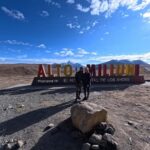
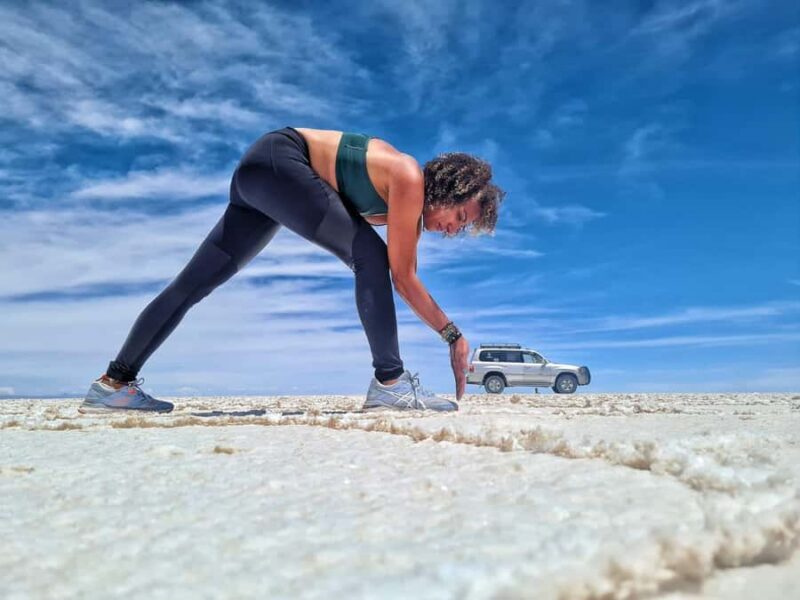
Uyuni’s salt flats are the star here: a vast white plain where the horizon can seem to disappear and a group lunch becomes a picnic in the middle of the desert. I like that the bus-and-tour package makes this far-flung spectacle possible in a short visit, and that the Uyuni portion is designed for a small group, with guides who help with photos as well as explaining the stops.
I also like the practical pause at a hotel in Uyuni for breakfast and a rest after the overnight ride. The trade-off is a demanding schedule: you spend two nights on buses, and the long waits and uneven communication can test your patience before the salt flats even appear.
- Key points to know before you go
- From La Paz to Uyuni on the night bus
- Breakfast, a pause and the start of the tour
- The train cemetery and Colchani
- Incahuasi Island and lunch on the salar
- Sunset in the world’s largest salt desert
- Back to Uyuni, then overnight to La Paz
- Is 9 good value?
- Who should choose this express trip?
- FAQ
- How long is the tour?
- What time does the bus leave La Paz?
- What is included in the price?
- Are entrance fees included?
- Is dinner included?
- How large is the tour group?
- What should I bring?
- Can I bring a large bag?
- The Best Of La Paz!
- More Tours in La Paz
- More Tour Reviews in La Paz
- Not for you? Here's more nearby things to do in La Paz we have reviewed
Key points to know before you go
 1 / 9
 2 / 9
 3 / 9
 4 / 9
 5 / 9
 6 / 9
 7 / 9
 8 / 9
 9 / 9
- Two overnight bus rides connect La Paz and Uyuni, with a full day of sightseeing between them.
- The salt flats take center stage, with time for lunch and sunset out on the salar.
- The day includes several different stops, from the train cemetery and Colchani to Incahuasi Island.
- Breakfast and lunch are included, but dinner, entrance fees and personal expenses are not.
- The Uyuni group is small, advertised for up to six participants, though one group account described seven.
- Bring warm layers and cash for the cold sunset, toilets and entrance fees.

👉 See our pick of the 14 Best Whale Watching Experiences In La Paz
From La Paz to Uyuni on the night bus
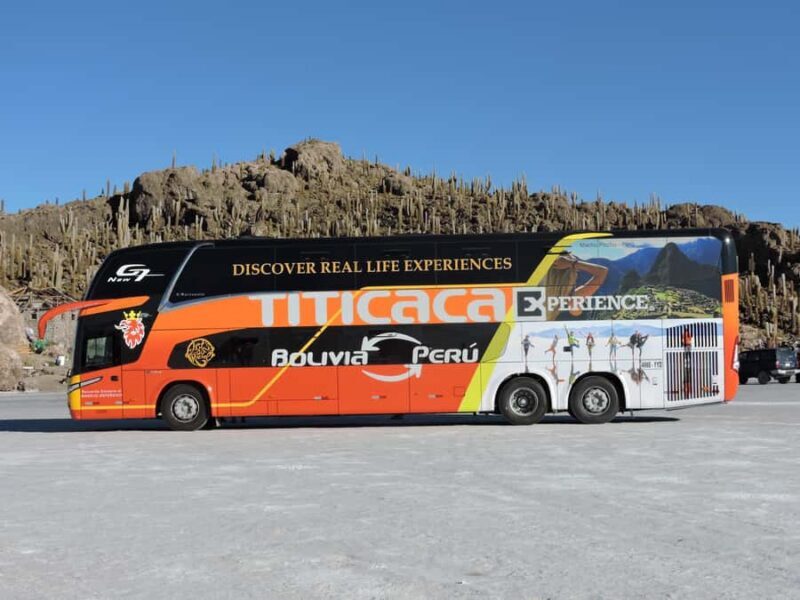
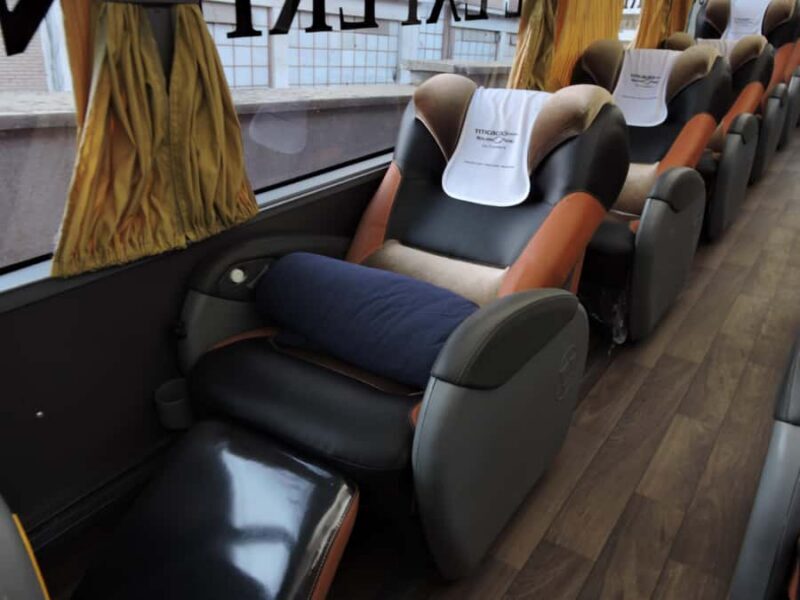
The trip begins at the Titicaca Experience office on Peru Street inside the bus terminal. You are asked to arrive at 9 pm for the 9:45 pm departure. The premium sleeper bus has reclining beds, blankets, heating and an onboard bathroom, making the overnight ride more manageable than sitting upright all night.
Do not mistake more comfortable for hotel sleep. The ride takes about eight hours, and road conditions can make it bumpy. Heating and blanket quality have varied, and some buses have stopped along the way to pick up local passengers. If you are a light sleeper, take earplugs and warm clothes, and keep your expectations flexible.
The bus transfer is run separately from the Uyuni day tour, so you will not meet your guide until you arrive. That split is important: most of the glowing accounts of the day are about the Uyuni guide and 4×4 team, while some of the frustrations concern bus communication, extra terminal fees or delays. Confirm where to meet and what is included before departure, and keep your voucher handy.
You can also read our reviews of more tours and experiences in La Paz.
Breakfast, a pause and the start of the tour
The bus is due in Uyuni early in the morning, around 6 am. A driver picks you up at the bus terminal and takes you to a local hotel for breakfast. You may have a couple of hours there before the tour begins at about 10:30 am, a welcome chance to sit down, wash up and regroup after the night ride.
The stop is one of the package’s quiet strengths. Several visitors describe the hotel lounge as comfortable, and some had the chance to shower. Facilities can differ, though, so treat a shower as a possible bonus, not a certainty. The tour itself begins later in the morning, so use the wait to eat, charge up and check that you have sun protection.
From there, you join a small group in a 4×4. The group size makes a difference on a day of frequent stops: you are not trying to follow a large coach crowd, and there is room for the guide to help with photos or respond to questions. Guides vary by departure. Names associated with this trip include Beimar, Eric, Mauricio, Oscar, Nadia and Beto, so you should not expect a particular person unless the operator confirms it.
The train cemetery and Colchani
The first stop is the old train cemetery, a collection of rusting locomotives outside Uyuni. It offers a striking introduction to the region’s rail past and plenty of photo angles, but it can be crowded. Think of it as a brief, atmospheric stop rather than the main event.
Next comes Colchani, where you see small-scale salt processing and local craft shops. The visit gives you a glimpse of the work and trade connected to the salt flats, and a chance to browse handmade goods. The stop may feel commercial if you prefer quiet scenery to shopping, but it adds a human-scale counterpoint to the immense white expanse ahead.
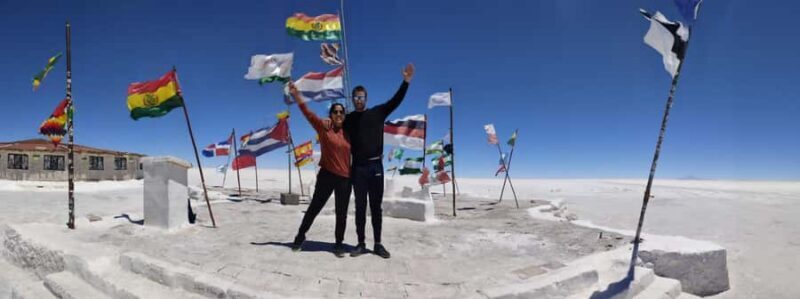
The route also takes in the Plaza de las Banderas and monuments built from salt blocks. These are quick, unusual sights that help break up the drive. Some stops are more compelling than others, and the overall value of the day rests less on any single monument than on the changing view as you travel from town toward the salar.
Incahuasi Island and lunch on the salar
Incahuasi Island rises from the salt flat, dotted with enormous cacti. The contrast is the point: after the broad, nearly featureless white, the island gives you a high vantage and a clear sense of the salt plain’s scale. There is an entrance fee, which is not included in the tour price. One recent visitor reported paying 30 bolivianos, but fees can change, so bring cash rather than counting on a card.
The island involves walking, and the altitude can make even modest exertion feel harder. The tour is specifically not suitable for people with altitude sickness. Take your time, use sun protection and follow your guide’s advice. Sunglasses matter here, as does sunscreen: the open salt flat offers little shade.
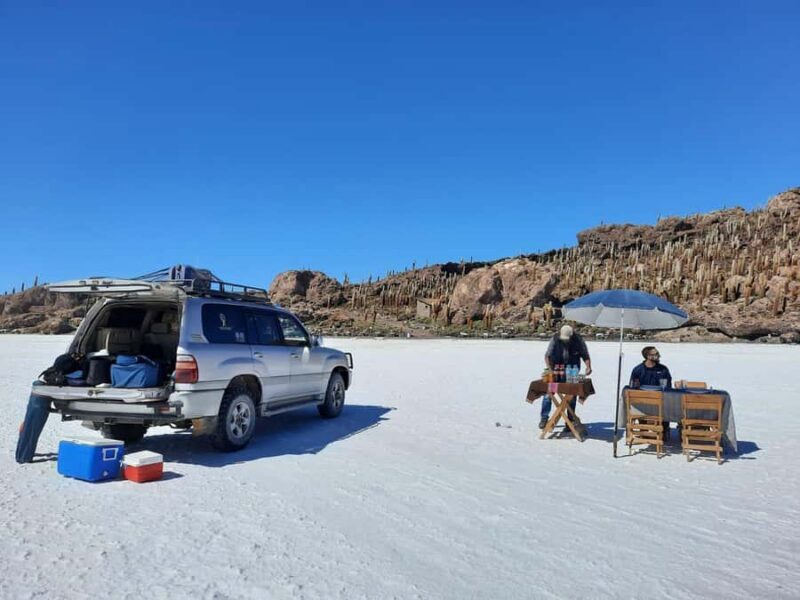
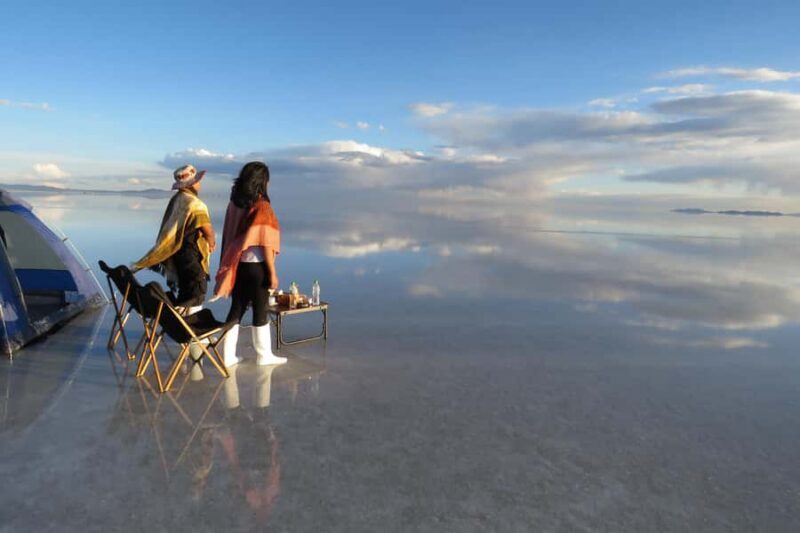
Lunch is served out on the salar, often in a sheltered setup. The included meal is a practical highlight, not just a way to fill the gap between stops. You get to eat surrounded by the salt flat rather than returning to town, and guides have helped with group photos and playful perspective shots. Food and allergy preferences have been accommodated on some departures, but it is wise to tell the operator about dietary needs in advance rather than assume.
Sunset in the world’s largest salt desert
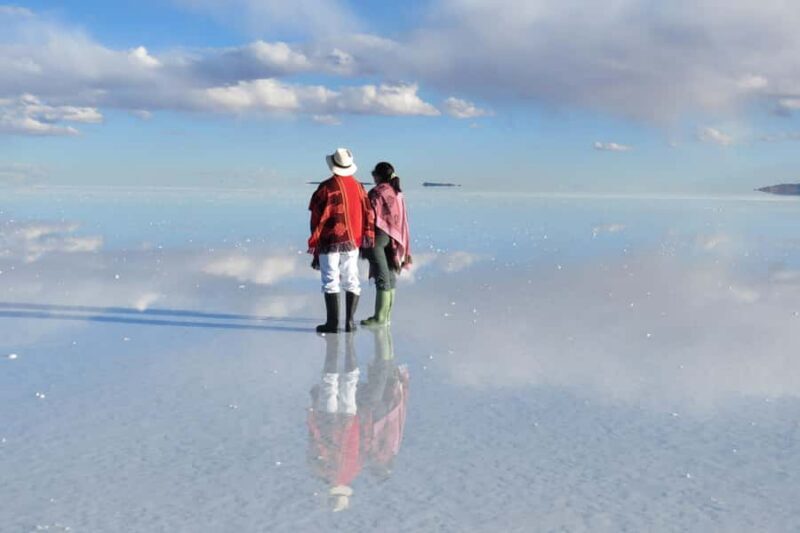
The day ends with sunset on the salt flats. The light changes quickly, and the open horizon gives the sky room to take over. Some departures include wine or a snack at sunset, but the exact offering can vary. Either way, this is the moment to slow down and simply watch the colors shift.
It can also get cold fast. The midday sun may have felt intense, but sunset brings a sharp change, so pack a warm jacket, hat and possibly gloves. This is not a place to rely on the clothes you wore for breakfast.
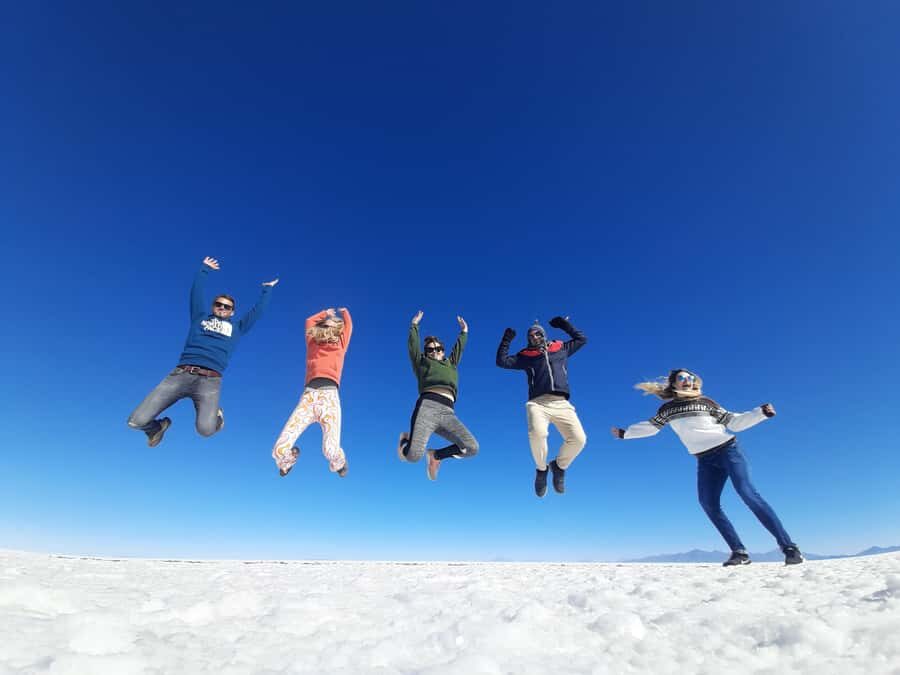
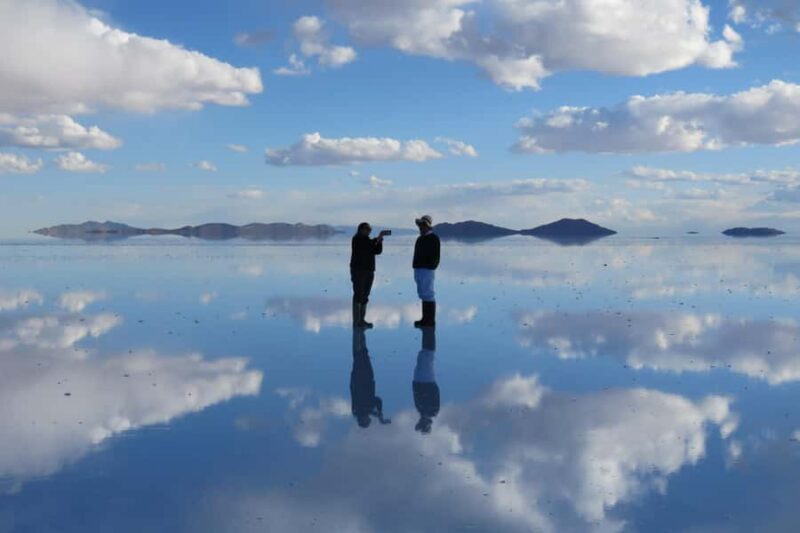
Guides often help make the most of the stop, taking photos and finding angles for the classic perspective shots. Oscar, Mauricio and other guides have been praised for their photography and for adjusting the day to suit the group. That personal help is valuable if you want memorable pictures without spending the whole afternoon trying to line up a shot yourself.



Back to Uyuni, then overnight to La Paz
After sunset, you return to Uyuni and have some time at the hotel before heading to the bus terminal. You can rest in the lounge and, depending on arrangements, freshen up. Dinner is not included. There is usually an opportunity to buy a meal before the return bus, so keep enough cash for dinner and any small fees.
The return bus is scheduled to leave at night, with arrival in La Paz around 6:30 am. The trip description gives a 9:45 pm departure from La Paz and an overnight return, but check your exact return time and ticket details with the operator. Bus delays are possible, and there have been reports of a bus stopping for a long period without clear updates. If you have a flight or another fixed appointment after arrival, leave a buffer.
When you reach La Paz, take a taxi to your hotel, as suggested for the early arrival. After two nights on a bus and a full day outdoors, you will likely appreciate a quiet morning more than another tightly timed plan.
Is $269 good value?
At $269 per person, this is a time-saving package rather than a bargain bus ticket. The price includes round-trip sleeper bus transport, pickup in Uyuni, the group tour, an English- or Spanish-speaking guide, breakfast and lunch. It also bundles the transfers and day trip into one plan, so you do not have to arrange a separate Uyuni operator after arriving.
The value is strongest if you have only a short window in Bolivia. You get the salt flats, Incahuasi Island and sunset in a single day, without having to book separate transport and tour services. The guides and drivers are frequently praised for keeping the day organized, serving a good lunch and helping with photos.
Budget extra for entrance fees, toilets, dinner and personal expenses. Toilets in the Uyuni region have been reported at about 5 bolivianos each, while one visitor paid 15 bolivianos for a salt maze. These are examples, not guaranteed current prices. The trip is also physically and mentally tiring: you are paying to save calendar time, not to travel at a leisurely pace.
Who should choose this express trip?
I would choose it if your priority is seeing the salt flats and you have only two days to spare. It suits people comfortable with overnight buses, a long sightseeing day and a tight schedule. The small group and the guide’s role in managing photos and stops help make the day feel more personal than a large coach outing.
If you have more time, consider a longer Uyuni trip. This express itinerary focuses on the town, the salar, Incahuasi Island and sunset. It does not include the lagoons with flamingos that some longer routes visit. You also have little free time to explore Uyuni itself.
Before booking, weigh the bus ride as carefully as the salt flats. The scenery and guided day are the main draw, while bus comfort and communication are the less predictable pieces. If you can accept that bargain, this is an efficient way to see a remarkable place. If a restful journey matters as much as the destination, choose a slower itinerary.
Uyuni tour express from La Paz by bus
FAQ
How long is the tour?
The activity is listed as two days. In practice, you leave La Paz at night, spend the following day touring Uyuni, return overnight and arrive in La Paz around 6:30 am on Day 3.
What time does the bus leave La Paz?
You are asked to arrive at the Titicaca Experience office at 9 pm. The bus is scheduled to depart at 9:45 pm.
What is included in the price?
The $269 price includes round-trip La Paz to Uyuni bus tickets on a premium sleeper bus, pickup in Uyuni, a group tour, food according to the itinerary and an English-speaking guide. Spanish is also available.
Are entrance fees included?
No. Entrance fees are not included, so bring cash for sites that charge admission.
Is dinner included?
No. Breakfast and lunch are included according to the itinerary, but dinner before the return bus is at your own expense.
How large is the tour group?
The activity is described as a small group limited to six participants. Group size may vary; one account described a group of seven.
What should I bring?
Bring sunscreen, sunglasses and your passport. A copy of your passport is accepted. Warm layers are useful for the cold sunset, and cash helps cover entrance fees and toilets.
Can I bring a large bag?
No. Luggage or large bags are not allowed on the activity.
You can check availability for your dates here: