At the David Sheldrick Elephant Orphanage, young elephants charge toward their milk bottles, then tumble and splash in the water. Pair that intimate wildlife encounter with Rothschild’s giraffes at the Giraffe Center, and you have a full day of close-up animal experiences inside Nairobi.
I like the contrast between the two centers: one offers a look at hands-on elephant care, the other lets you feed giraffes. I also like that the Kazuri Beads Factory adds a human story, with local women making beads and pottery by hand.
The main catch is cost: the advertised price is $35 per person, but the required Nairobi National Park conservation fee for the elephant stop is extra, listed as $80 for adults and $40 for children. Traffic and extra stops can also stretch the day.
- Elephant feeding is the emotional centerpiece: See orphaned young elephants fed and playing in the water.
- Giraffe feeding is hands-on: Meet endangered Rothschild’s giraffes at a conservation center.
- Kazuri adds a craft stop: Watch local artisans make beads and ceramic pottery.
- Optional stops change the day: Choose a game drive, Karen Blixen Museum or Bomas of Kenya if available with your selected option.
- Plan for an extra park fee: The elephant orphanage sits inside Nairobi National Park, so its conservation charge is compulsory and separate from the tour price.
- Baby elephants at the Sheldrick Wildlife Trust
- Feeding Rothschild’s giraffes at the Giraffe Center
- Kazuri beads, pottery and local craft
- Choose one extra stop, or add a game drive
- How the transport and guiding shape the day
- Is the starting price good value?
- Should you book this Nairobi day tour?
- FAQ
- How long does the tour take?
- Is the Nairobi National Park conservation fee included?
- Which attractions can I visit?
- Are hotel transfers included?
- What languages are available?
- Are food and drinks included?
- The Best Of Nairobi!
- More Tours in Nairobi
- More Tour Reviews in Nairobi
- Not for you? Here's more nearby things to do in Nairobi we have reviewed
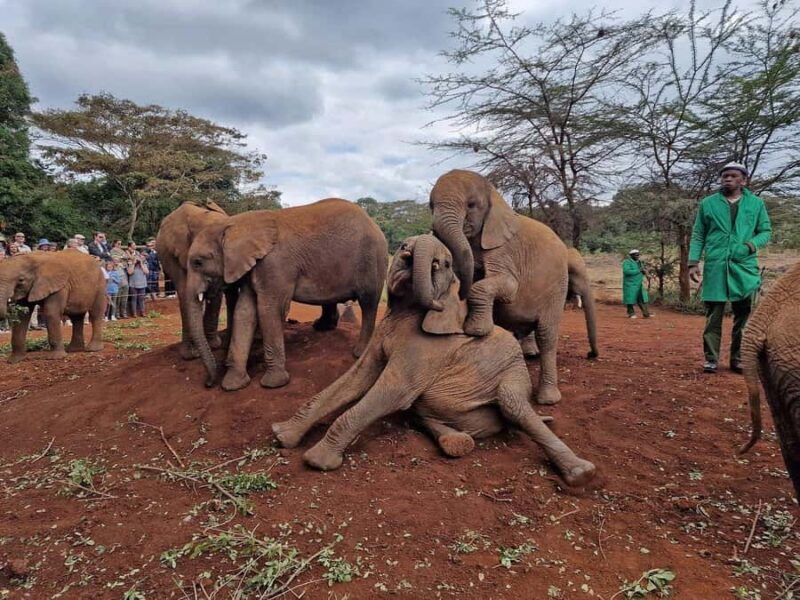
Baby elephants at the Sheldrick Wildlife Trust
 1 / 7
 2 / 7
 3 / 7
 4 / 7
 5 / 7
 6 / 7
 7 / 7
The elephant stop is the heart of the day. The David Sheldrick Wildlife Trust cares for orphaned elephants, and the public visit gives you a chance to watch them at close range while learning about their rehabilitation and care.
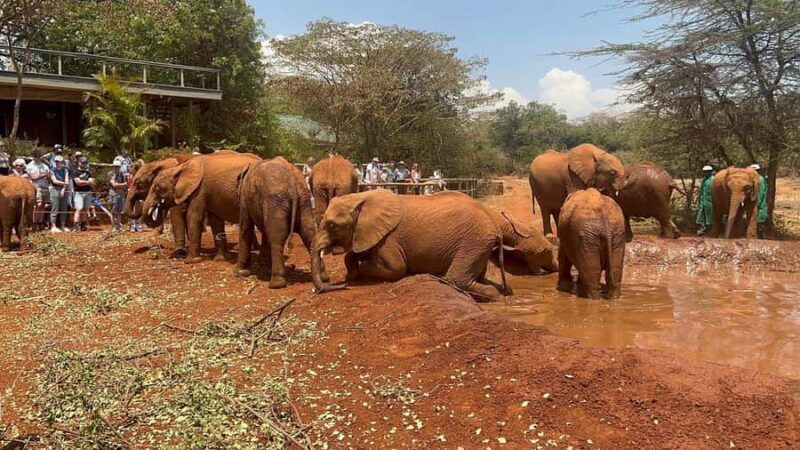
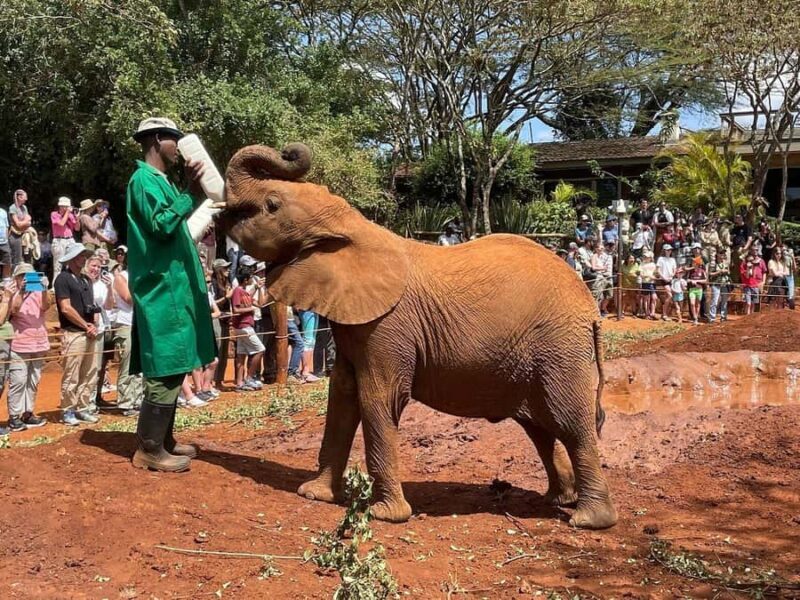
The feeding is a lively affair. The youngest elephants are tenderly bottle-fed, while those around two or three years old can grasp their large milk bottles with their trunks and feed themselves. You may see them rush in, jostle for position, splash in water and play. It is a brief visit, but the animals’ energy makes it memorable.
There is a conservation story behind the cuteness. These are young animals being raised after losing their mothers, and the center’s work aims to prepare them for a return to the wild. Pay attention to the information provided during the visit; it gives the scene meaning beyond the photo opportunity.
Arriving early can help you get a clear view. One visitor reported reaching the center among the first groups and securing a place at the front. But Nairobi traffic and pickup arrangements can affect timing, so don’t expect the same arrival time every day.
The biggest surprise for many is the park charge. The orphanage is inside Nairobi National Park, and government policy requires visitors to pay the park conservation fee even if they are only visiting the elephant center. The stated charge is $80 for adults and $40 for children, paid through the eCitizen platform. It is not part of the tour price, and payment processing can add friction. Check the current fee and payment instructions before you go, rather than treating the $35 headline price as your whole day’s cost.
You can check availability for your dates here:
👉 See our pick of the 7 Best Workshops And Classes In Nairobi
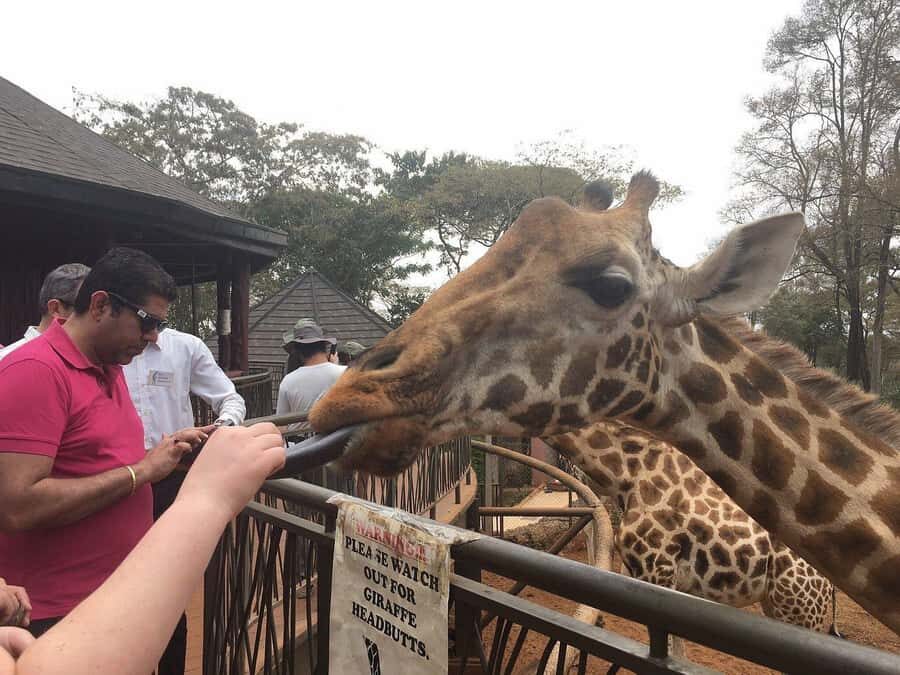
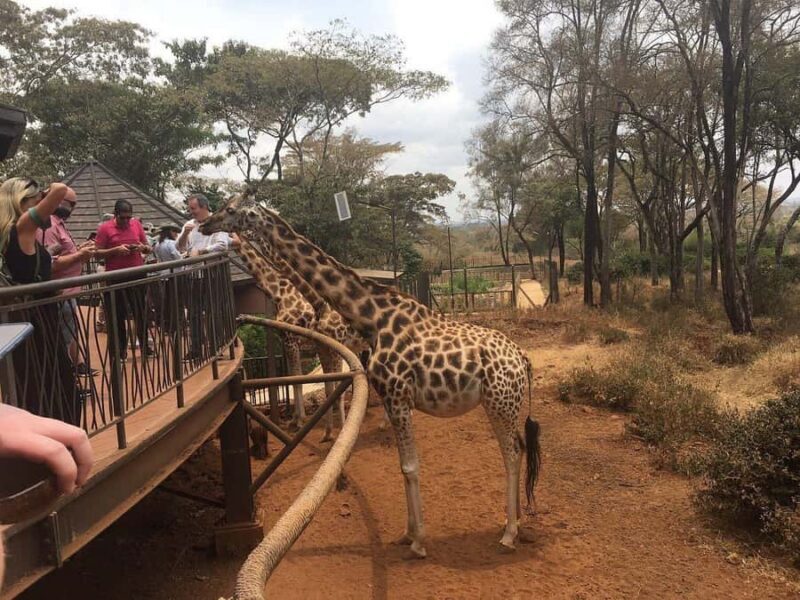
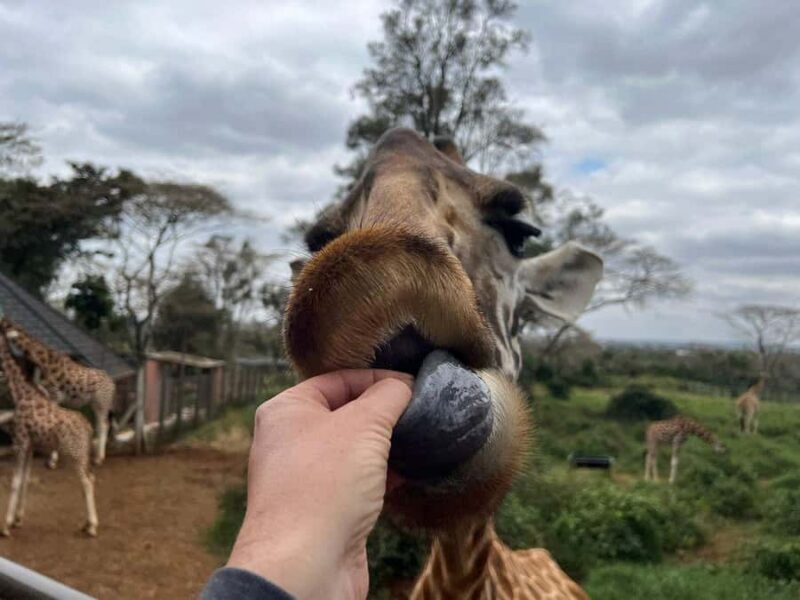
Feeding Rothschild’s giraffes at the Giraffe Center
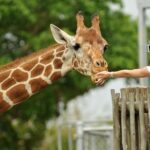
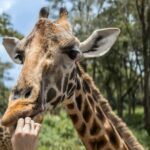
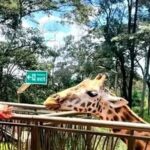
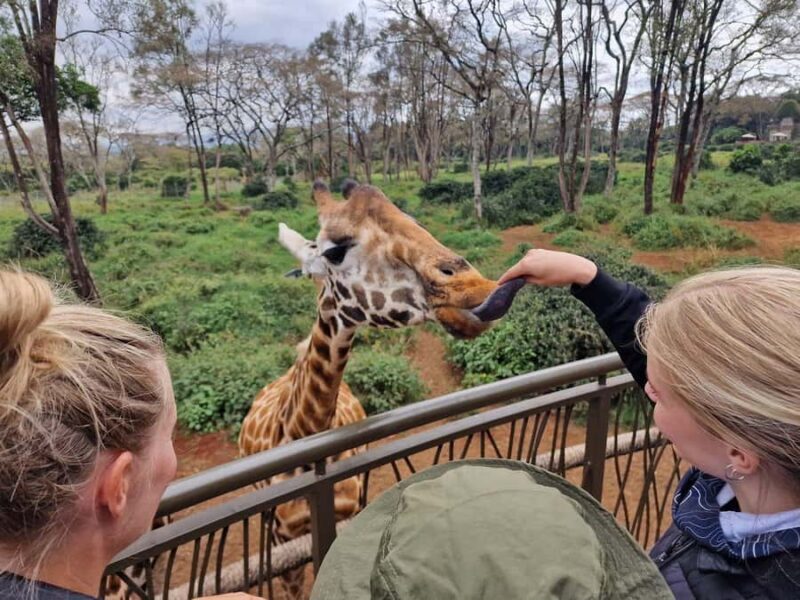
At the Giraffe Center, the mood shifts from the elephants’ exuberant feeding to a more direct encounter with Rothschild’s giraffes. You can see them in a semi-wild setting and, when permitted, feed them. Their height makes the interaction a little comical: you may find yourself looking up at a long face and an even longer tongue.
The center’s conservation work is part of the visit, not just a backdrop to the feeding. Take time to learn about the endangered giraffes and the efforts to protect them. The hands-on moment is fun, particularly for families, but the conservation context helps explain why this stop matters.
This is a popular stop for photos. Several guides are praised for helping with pictures and pointing out which giraffes are best positioned for interaction. Jonathan is one guide repeatedly named for his patience and care, but guide assignments can change. If photos matter to you, ask your guide for help rather than trying to manage everything while holding food.
The experience is lively, but it is still a short visit to a conservation center, not a safari encounter. If you’re hoping for a long, quiet observation of giraffes roaming far from people, set your expectations accordingly. The appeal here is the close approach and the chance to feed them.
You can also read our reviews of more tours and experiences in Nairobi.


Kazuri beads, pottery and local craft
Kazuri Beads Factory brings a different kind of encounter to the itinerary. You can see local women making beads and ceramic pottery, and learn about the detailed work behind the finished pieces. Watching the process gives you a better sense of the skill involved than simply browsing a shop.
The visit also offers a chance to meet the makers and see how craft production supports local women. Some tours include a warm welcome with singing or dancing, though you should treat that as a possible part of the visit rather than a guaranteed performance.
There is usually an opportunity to shop. The work can be beautiful, but prices may feel high, especially for simple items. One visitor compared a $20 elastic bracelet with similar souvenirs available elsewhere in Nairobi for under $5. I’d enjoy the demonstration first, then buy only if a piece feels worth its price to you. You are not obliged to turn every stop into a shopping trip.
If you like crafts, this is a useful counterpoint to the animal centers. If your main interest is wildlife, it may feel like a pause in the day. Either way, the craftmaking itself is the reason to go, not the pressure to take home a souvenir.
Choose one extra stop, or add a game drive
Depending on the option you choose, the tour can include a Nairobi National Park game drive, Karen Blixen Museum or Bomas of Kenya. These add-ons give the day more range, but they also affect the schedule and the total cost. Check precisely which admission or activity is included with your chosen option.
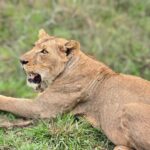
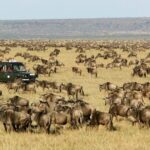
A game drive offers a chance to see wildlife beyond the orphanage and giraffe center. Sightings are never guaranteed, but people have reported seeing zebras, baboons, rhinos, antelope, ostriches and, at a distance, hippos and crocodiles. Lions have also been spotted, including a cub resting on the road. Those are exciting possibilities, not promises. The park’s extra conservation fee is separate from the tour price, and you should confirm which charges apply to your option.
The Karen Blixen Museum sits at the foot of the Ngong Hills and adds a cultural and historical stop to a wildlife-focused day. Some itineraries include lunch nearby, and the garden setting has been appreciated by visitors. Keep in mind that selecting a short museum visit can create waiting time if the rest of the group is being driven elsewhere before pickup. Ask how the group will be handled when people choose different add-ons.
Bomas of Kenya presents traditional villages associated with several Kenyan tribes. A visit may include traditional dance and music, a welcome change from the animal stops. Its opening or availability can affect the day’s plan; in one case, a closure led to an early game drive instead. Confirm the current schedule if Bomas is a priority.
With any of these options, the day can reach eight hours, and traffic may push the return later. Adding more stops is not automatically better. If you want a relaxed pace, choose the extras that matter most to you rather than trying to squeeze in everything.
How the transport and guiding shape the day
Hotel pickup and drop-off are included, along with round-trip transport. That is useful in Nairobi, where arranging separate rides between several attractions takes planning and traffic can complicate timing. The tour usually collects other people before reaching the first stop, so the drive may take longer than a direct taxi ride. One reported trip took about an hour and a half to reach the elephant center after pickup.
Guides make a substantial difference on a packed day. Jonathan is named often, alongside guides such as Isaac, Charles, Patrick, Kelvin, Ben and Nicholas. Visitors value clear explanations, a friendly manner and the ability to adjust plans or help with photos. I would not assume you’ll get a particular guide, but the best version of this tour depends on having someone who keeps the schedule clear and explains what you are seeing.
Do ask for a rough outline at the start: which stop comes first, where lunch fits, whether the group has different add-ons and when you can expect to return. One visitor wished they had known more about the full schedule and end time. That small conversation can make a long day feel much easier to manage.
Food and drinks are not included. Some itineraries stop for lunch, but the tour information does not promise a meal, and bottled water is not listed as included. Bring water and plan to pay for food. This matters most if you add an early game drive or spend a long stretch in the vehicle.
The activity lasts six to eight hours, and starting times depend on availability. English, Spanish and French are listed for live guides and audio guides. The tour is described as wheelchair accessible, and pets are not allowed.
More Great Tours NearbyIs the $35 starting price good value?
At $35 per person, hotel transport between several Nairobi attractions is appealing, especially if you value having a guide coordinate the day. The price can save you the work of arranging rides and timing each stop yourself. The elephant, giraffe and craft visits also make for a varied day rather than a single-activity outing.
But the advertised price is only a starting point. The mandatory Nairobi National Park conservation fee for the elephant orphanage is listed separately at $80 for adults and $40 for children. If you add a game drive, museum or Bomas visit, check the option details and any additional entry charges before booking. The included list varies by selected option, so do not assume every attraction’s entry is covered.
If you have time, transport confidence and a willingness to book tickets yourself, the main attractions are close enough to Nairobi to visit independently. That can give you more control over how long you spend at each stop. The guided tour’s value is convenience, transport coordination and the chance to get context from a local guide, not access to places you could never reach alone.
The tour is best for a first day in Nairobi, families who want structured animal encounters, and visitors with limited time who want wildlife and local craft in one outing. It is less suited to anyone who wants a slow visit, dislikes group pickups or expects an inexpensive outing after seeing the $35 figure.



Should you book this Nairobi day tour?
Book it if you want a full, guided day that pairs baby elephants with giraffe feeding and a look at local beadmaking. The guides’ role, the convenient transport and the range of optional stops can make it an efficient introduction to Nairobi. For a wildlife-focused day, consider the game drive, but keep the separate park fee and uncertain animal sightings in mind.
Before you reserve, compare the selected option’s inclusions and calculate the elephant park charge into your budget. Bring water, ask for the day’s schedule at pickup, and treat the bead shop as an opportunity rather than an obligation. With those details clear, this is a strong choice for a memorable day in and around the city.
Elephant Orphanage and Giraffe Center Tour with Options
FAQ
How long does the tour take?
The tour lasts about six to eight hours. Traffic, pickup arrangements and the optional stops can affect the day’s timing.
Is the Nairobi National Park conservation fee included?
No. Visitors to the Elephant Orphanage must pay the separate conservation fee because the center is inside Nairobi National Park. The stated fee is $80 for adults and $40 for children, processed through the eCitizen platform.
Which attractions can I visit?
The core stops are the Giraffe Center, David Sheldrick Elephant Orphanage and Kazuri Beads Factory. Depending on the option selected, you can also visit Nairobi National Park on a game drive, Karen Blixen Museum or Bomas of Kenya.
Are hotel transfers included?
Yes. Hotel pickup, drop-off and round-trip transportation are included.
What languages are available?
Live guides and audio guides are listed in English, Spanish and French.
Are food and drinks included?
No. Food and drinks are not included, so bring water and plan to pay for meals.
You can check availability for your dates here: