Cusco’s story is written in its walls: Inca stonework supports colonial buildings, and narrow streets still trace the old city’s shape. This two-hour walk links landmarks such as the Twelve-Angle Stone, Qorikancha and San Blas, giving you a useful first map of the former Inca capital.
I like two things in particular: the route pairs famous sights with smaller streets you might otherwise miss, and guides such as Isa, Joshua and Joel bring history to life with questions, humor and practical restaurant tips. The walk also ends near a panoramic viewpoint above Cusco.
The main consideration is the uphill stretch near the end. Cusco’s altitude can make even a short climb feel like work, so take your time, bring water and choose this tour when you feel ready to walk.
- What makes this Cusco walk worthwhile
- A smart first walk through Cusco
- From the main square to Inca streets
- The Twelve-Angle Stone and Inca Roca Street
- Qorikancha, the Sun Temple
- Kusicancha and the older city plan
- San Blas, artisans and the uphill finish
- How the guides shape the experience
- Price, pace and practical details
- Who should book this walk?
- Should you book it?
- FAQ
- How long is the Cusco walking tour?
- How much does the tour cost?
- What languages are available?
- Where is the meeting point?
- Where does the tour finish?
- Which places are included on the route?
- Is the tour suitable for wheelchair users?
- What should I bring?
- Can I cancel or reserve without paying right away?
- The Best Of Cusco!
- More Walking Tours in Cusco
- More Tours in Cusco
- More Tour Reviews in Cusco
- Not for you? Here's more nearby things to do in Cusco we have reviewed
What makes this Cusco walk worthwhile
 1 / 5
 2 / 5
 3 / 5
 4 / 5
 5 / 5
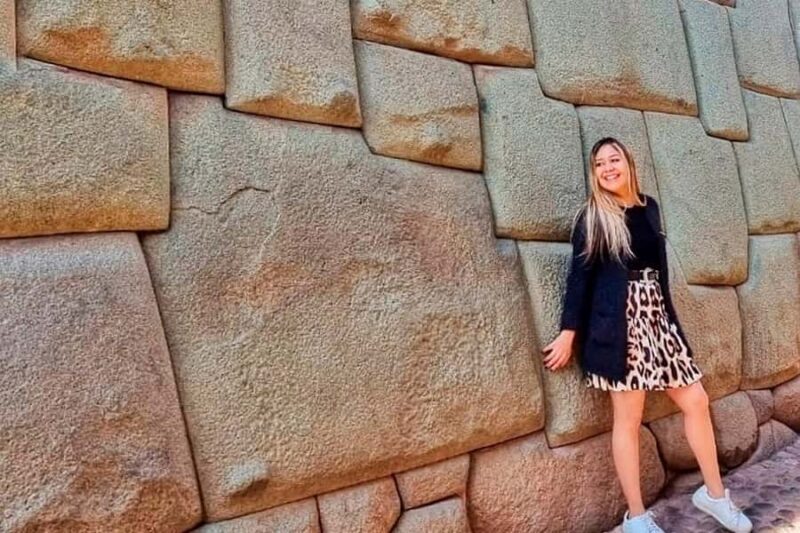
- Inca stonework up close: See the Twelve-Angle Stone and the walls along Inca Roca Street, where carefully cut blocks still fit together without mortar.
- A route beyond the main square: Walk through Loreto Street, historic courtyards and the San Blas artisan district, not just Cusco’s central plaza.
- A guide who connects the details: Guides including Isa, Joshua and Joel explain history and architecture in English or Spanish, and take questions along the way.
- A quick orientation: In about two hours, you get a practical introduction to major sights, local stories and places to revisit on your own.
- A scenic finish with a climb: The San Blas viewpoint offers a broad look over Cusco, but the uphill walk asks for a little effort.
- A low listed price: At $10 per person, the tour is an affordable way to get context before deciding which museums, churches or neighborhoods deserve more time.
👉 See our pick of the 25 Best Shopping Tours In Cusco
A smart first walk through Cusco
Cusco can be hard to read at first. Its streets hold layers of Inca and colonial history, but it is easy to pass a carved stone or a courtyard without knowing what you are looking at. A local guide gives those details a story and helps you understand how the city fits together.
The tour lasts about two hours and moves on foot through the historic center. That is long enough to cover a good range of sights, but short enough to fit into an arrival day or a morning before a separate visit to a museum or archaeological site.
I would book it early in your stay. You can use the route to decide where to return, and guides often offer useful suggestions for restaurants and other places to see. If you are feeling the effects of altitude, though, keep your pace easy and do not treat the two-hour estimate as a reason to rush.
The group meets with a purple umbrella and a purple polo shirt marked Free Tour Cusco, at coordinates -13.5174197, -71.9786609. Look for the color rather than relying on a vague meeting point description. The walk finishes at Plazoleta de San Blas, so you end in a different part of town from where you started.
You can also read our reviews of more walking tours in Cusco

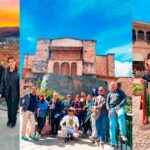
From the main square to Inca streets
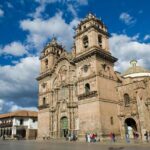
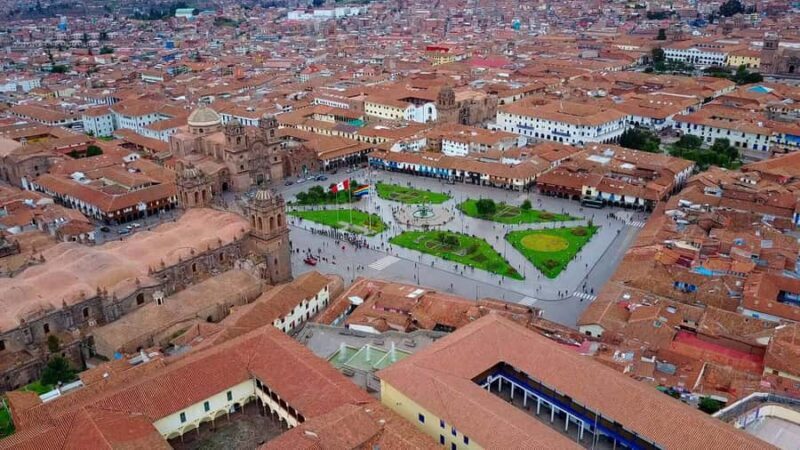
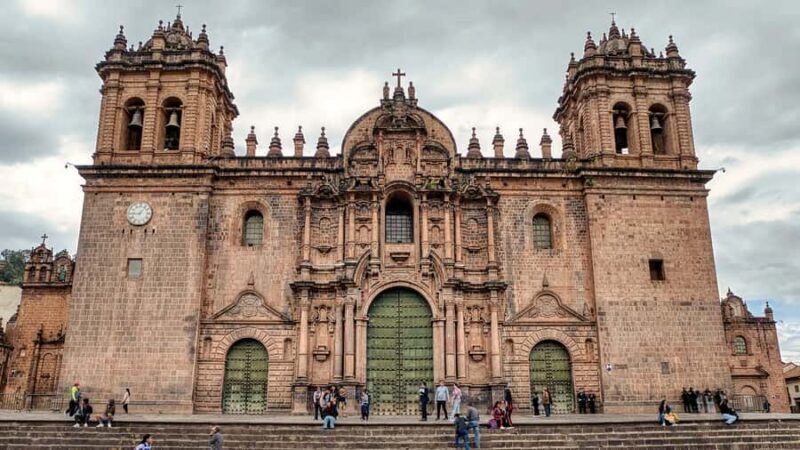
Cusco’s main square is the natural place to begin understanding the city. It has been a sacred site since Inca times, and today two 16th-century churches frame the plaza. Your guide can explain how the square’s role shifted as Spanish colonial rule reshaped the city.
Expect to hear about the contrast between Inca foundations and later buildings. The point is not only to identify an old wall, but to notice how one city was built over another. That context makes the next stretch, through the old streets, more than a walk between photo stops.
Loreto Street, also known as Intiquiqllu, is described as the last Inca street. It runs between historic buildings including Amrucancha and Aqllawasi. Here, the route gives you a closer look at the way Inca masonry and street planning survive in the modern city.
This is one of the tour’s more valuable sections for anyone interested in architecture. You can study the stonework at walking pace and ask why certain walls have survived so well. The streets are part of a lived-in city, not a detached archaeological site, so expect everyday activity around you.
The Twelve-Angle Stone and Inca Roca Street
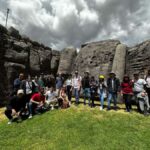
The Twelve-Angle Stone is one of Cusco’s best-known pieces of Inca masonry. Its many fitted edges have made it a favorite stop for photographs, but the guide’s explanation gives you a better reason to pause: the stone is associated with Cusco’s 12 Inca neighborhoods.
You will have roughly ten minutes at this stop, enough for a short explanation and a closer look. Do not expect a long visit or a quiet, roped-off exhibit. This is a street-side landmark, and part of the pleasure is seeing an important piece of the past in its everyday setting.
Inca Roca Street adds another architectural detail to the walk, with serpent and puma figures incorporated into the stonework. The puma is also linked to the traditional idea of Cusco as a puma-shaped city. Your guide can help you understand those symbols rather than leaving you to guess from the carvings.
For a short tour, these stops work well together. One gives you a famous example of stone fitting; the other shows how animals and symbolic forms appear in the city’s architecture. If you enjoy visual details, keep your camera ready, but look closely before reaching for it.
Qorikancha, the Sun Temple
Qorikancha is among the most significant Inca sites in Cusco. Known as the Sun Temple, it was a major religious center of the Inca Empire. Its importance makes it a highlight of the route, even if the walk’s brief visit cannot replace a longer exploration.
The itinerary allows about 15 minutes here for a guided visit and free time. That is enough to hear why the site matters and to orient yourself, but not enough for a slow, detailed look at every part of the complex. If Qorikancha is a priority, consider returning later for more time.
The tour details do not specify that admission is included or that the group enters every part of the site. Treat this as a guided stop, and check the booking information if you want to know whether an entrance ticket is part of the $10 price. That small check can prevent a surprise when you arrive.
Qorikancha also helps explain the city’s layered past. The route moves from Inca buildings and beliefs to colonial-era churches and homes, showing how different periods share the same streets. A guide makes those connections easier to follow than a quick visit on your own.
More Great Tours NearbyKusicancha and the older city plan
Kusicancha Palace is described as an ancient government residence, with a classic Inca grid layout and central courtyards. This stop adds a different scale to the route: rather than focusing on one famous stone, it points to the organization of a larger residence and its spaces.
The itinerary gives this part of the walk about 15 minutes. That time suits an introduction, particularly if you are new to Inca architecture. You can begin to recognize the deliberate layout and courtyards, then return if you want a closer study.
A guided explanation matters here because the remains can be less immediately obvious than the Twelve-Angle Stone. The guide’s role is to help you picture how a building functioned, not simply point out old masonry. Ask questions if you want to know how the residence relates to Cusco’s wider civic life.


San Blas, artisans and the uphill finish
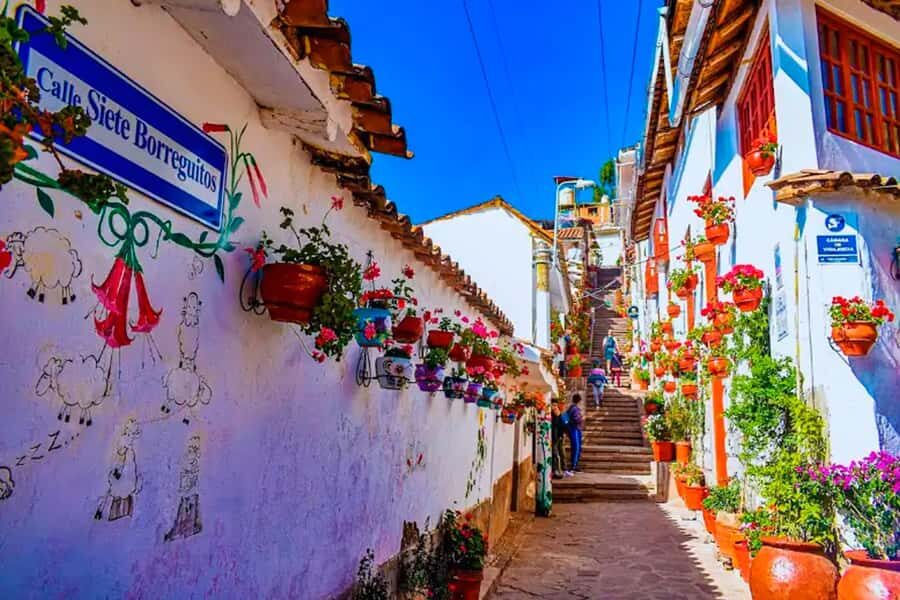
San Blas is known as Cusco’s artisan district, with streets shaped by 16th- and 17th-century architecture. It makes a fitting final neighborhood after the Inca center: you see another side of the city, where workshops and traditional craft sit alongside old buildings.
The route includes the Olave family house, a workshop associated with a well-known Cusqueño artisan whose work includes intricate carved balconies and local imagery. This is a specific and human-scale stop, a reminder that Cusco’s artistic life is not confined to monuments. The tour description does not promise a purchase stop, so think of it as a chance to learn about the craft rather than a shopping session.
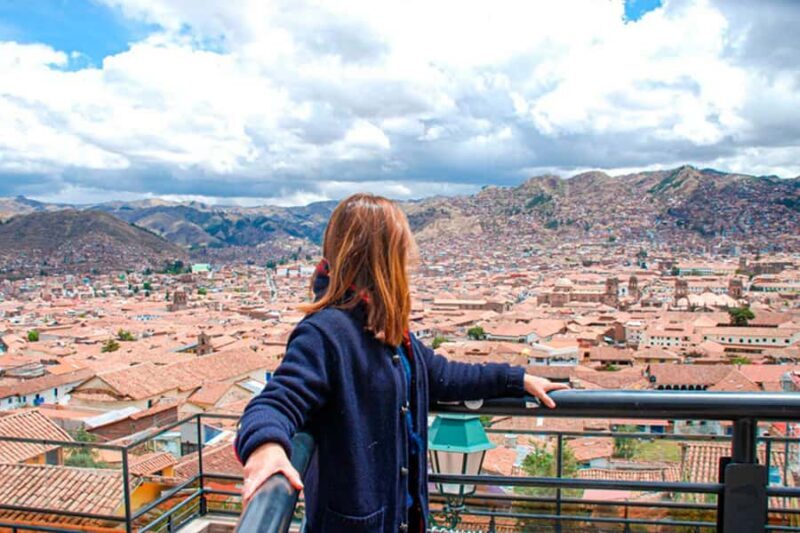
The final stretch leads to the San Blas viewpoint. The walk includes an uphill section, and one guide has been praised for checking that the group was coping with the altitude. Still, you know your own limits best. Wear comfortable shoes, take the climb steadily and pause if you need to.
The view is a good payoff for the effort. From above, you can take in Cusco’s rooftops and get a clearer sense of how the historic center sits within the city. The tour ends at Plazoleta de San Blas, giving you the option to continue exploring the neighborhood at your own pace.
How the guides shape the experience
The guide is the heart of a walking tour, and this one relies on a certified professional guide speaking English or Spanish. Guides named by participants include Isa, also called Isaias, Joshua, Joel, Luis, Enrique and Neilo. The experience may vary by departure, but the strongest pattern is an engaging explanation of Cusco’s history and architecture.
Several guides are described as lively, friendly and ready to answer questions beyond the planned route. That matters in a city where you may want to ask about Quechua culture, Inca building methods or what to see after the walk. Guides have also shared restaurant and bar suggestions, a useful bonus when you are still getting your bearings.
The style is not only a lecture. Some guides use games or humor to keep the group involved, and one tour ended with a pisco sour lesson. Other participants mention a drink or snacks, but refreshments are not listed as included, and food is explicitly excluded. Treat any extra as a possible bonus, not something to count on.
Price, pace and practical details
The listed price is $10 per person for two hours, which makes this a strong-value introduction if you want more than a self-guided stroll. You are paying for a local guide, a route through important historic areas and the chance to ask questions in English or Spanish. The low cost also makes it easy to use the tour as a starting point rather than your only history visit.
The pace covers a lot of ground. You will walk through streets and neighborhoods, pause for explanations and finish with an uphill section. Comfortable shoes, water, sunscreen, a hat and sunglasses are sensible choices, especially since the route is outdoors and the viewpoint is exposed.
Bring cash, a daypack and a passport or ID card, as advised for the activity. A camera is useful if you want photos of the stonework and city views. The tour is not suitable for wheelchair users, and pets, weapons or sharp objects, smoking in a vehicle, alcohol and drugs, fireworks, explosives and nudity are not allowed.
The tour offers free cancellation up to 24 hours in advance, and you can reserve now and pay later. Private groups are available. Starting times depend on availability, so check the offered departures before shaping the rest of your day around the walk.
Who should book this walk?
This tour suits first-time visitors who want a fast, human introduction to Cusco before exploring the city alone. It is especially useful if you like architecture, want to learn how Inca and colonial history overlap, or prefer to have local restaurant suggestions before making plans.
It also works for anyone with a spare morning or afternoon who wants more context than a walk with a map can provide. The route includes landmarks and smaller streets, and guides are prepared to answer questions. If you already know Cusco well, or want a long visit inside each historic site, this short overview may feel too brisk.
Should you book it?
I would book this walk near the start of a Cusco stay, provided you are comfortable walking and can manage the uphill finish. For $10, it offers a compact route through the main square, Inca streets, Qorikancha and San Blas, with a guide who can add stories and practical advice.
Choose it for orientation, not as a substitute for a full visit to Qorikancha or other sites. Bring water, take the pace seriously at altitude, and check whether site admission is included before you go. If those limits suit your plans, this is a useful way to make Cusco’s streets easier to read.
Cusco: Walking Tour with an Experienced Local Guides
FAQ
How long is the Cusco walking tour?
The tour lasts about two hours.
How much does the tour cost?
The listed price is $10 per person.
What languages are available?
The live guide is available in English and Spanish.
Where is the meeting point?
Meet at the coordinates -13.5174197, -71.9786609. The guide can be identified by a purple umbrella and a purple polo shirt marked Free Tour Cusco.
Where does the tour finish?
The tour ends at Plazoleta de San Blas.
Which places are included on the route?
The route includes Cusco’s main square, Loreto Street, the Twelve-Angle Stone, Qorikancha, Kusicancha Palace, Inca Roca Street, the Olave family house, San Blas and its viewpoint.
Is the tour suitable for wheelchair users?
No. The activity is listed as not suitable for wheelchair users.
What should I bring?
Bring comfortable shoes and clothes, water, sunscreen, sunglasses, a sun hat, a camera, cash, a daypack and a passport or ID card.
Can I cancel or reserve without paying right away?
Yes. You can cancel up to 24 hours in advance for a full refund, and the reserve-now, pay-later option lets you book without paying today.
You can check availability for your dates here: