Jerusalem and Bethlehem pack centuries of religious history into one long day from Tel Aviv. You’ll stand at the Western Wall, walk through the Old City, and visit the Church of the Nativity, with a guide helping you make sense of places that can be hard to read on your own.
I like two things especially: the panoramic views that set the Old City in context, and the change to a Palestinian guide and vehicle for the Bethlehem portion, which gives you local insight as well as a practical transfer. Guides such as Itamar, Avi, and Yoav have earned particular praise for clear storytelling and keeping the day on track.
The trade-off is time. Ten hours is enough for the headline sites, not for leisurely exploration, and lines can cut into your visit. The Nativity Grotto may be skipped if the schedule is tight, and lunch is not included.
The day at a glance
- A high viewpoint comes first: See old and new Jerusalem from an elevated outlook before entering the city.
- Old City highlights on foot: Visit the Western Wall, Christian Quarter, Via Dolorosa, Church of the Holy Sepulchre, and the Byzantine Cardo.
- Bethlehem means a guide and vehicle change: A Palestinian guide meets the group at the border post, and a different vehicle may be needed.
- The Nativity Grotto is not guaranteed: Crowds and the day’s schedule can limit access below the Church of the Nativity.
- Expect a full, brisk schedule: The tour lasts about 10 hours, with hotel pickup and drop-off in Tel Aviv.
- Budget separately for food: Lunch and drinks are not included, and the tour’s meal stop may not suit every preference.

👉 See our pick of the 25 Best Guided Tours In Tel Aviv
- The day at a glance
- Jerusalem and Bethlehem in one long day
- From Tel Aviv to Jerusalem’s panoramic outlook
- Walking the Old City’s sacred sites
- Crossing to Bethlehem with a local guide
- What the pace means for you
- Is 8 good value?
- Who should book this day trip?
- FAQ
- How long is the tour?
- What is included in the 8 price?
- Are meals and drinks included?
- Do I need to bring my passport?
- What languages are available for the live guide?
- Will I be able to visit the Nativity Grotto?
- Does the guide change in Bethlehem?
- Is the tour suitable for young children or wheelchair users?
- The Best Of Tel Aviv!
- More Guided Tours in Tel Aviv
- More Tours in Tel Aviv
- More Tour Reviews in Tel Aviv
- Not for you? Here's more nearby things to do in Tel Aviv we have reviewed
Jerusalem and Bethlehem in one long day
 1 / 7
 2 / 7
 3 / 7
 4 / 7
 5 / 7
 6 / 7
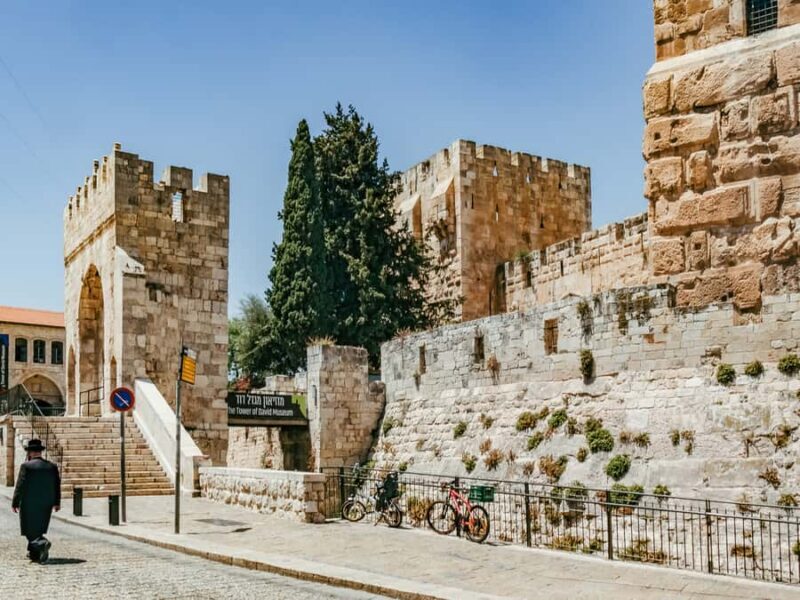 7 / 7
This trip is built for a first visit, or for anyone with one day to spare who wants to see the principal Christian and Jewish sites in both cities. You leave Tel Aviv by air-conditioned coach, travel along Highway 1, and spend the day with a professional guide. Hotel pickup and drop-off, transport, and entry fees are included in the $118-per-person price.
The itinerary gives you a broad introduction rather than a slow, personal encounter with each place. Jerusalem’s Old City has several quarters and layers of history, while Bethlehem’s most important church draws heavy crowds. A guide helps connect the stops, but you should expect to keep moving and follow the group’s timing.
Guide quality matters a great deal on a day like this. Names that have come up positively include Itamar, Avi, and Yoav, among others. Their strength is explaining the religious and historical meaning of the sites while keeping a large amount of information clear and manageable. Your assigned guide can vary, so treat those names as examples, not a promise.
You can also read our reviews of more guided tours in Tel Aviv



From Tel Aviv to Jerusalem’s panoramic outlook
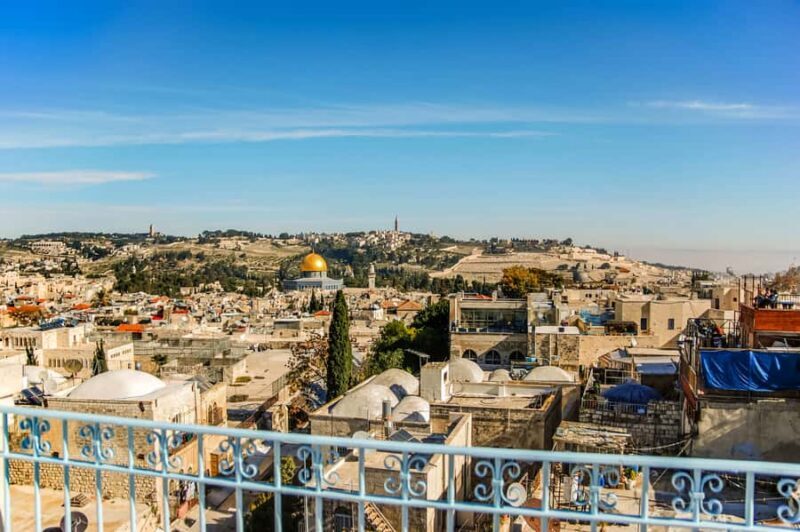
The coach ride from Tel Aviv to Jerusalem takes about an hour. It is a useful chance to rest before the walking begins, though the day’s first stop is already part of the sightseeing: an elevated viewpoint overlooking Jerusalem. The tour information identifies Mount Scopus for the panorama, while the stop in the itinerary is labeled Mount of Olives. Either way, the purpose is to orient you before you enter the Old City, with views across the newer city and toward the Temple Mount Esplanade.
That overview is more than a photo stop. From above, you can see how the Old City sits within the wider modern city and get a first sense of the landmarks you will soon approach on foot. The stop lasts around 30 minutes and includes time for a guided introduction and a break.
The route then passes through the Kidron Valley, with views of the city walls and the Garden of Gethsemane. This is mainly a bus tour, not a long walk through the valley, so take the chance to look out the window and listen to the guide’s explanation.
Walking the Old City’s sacred sites
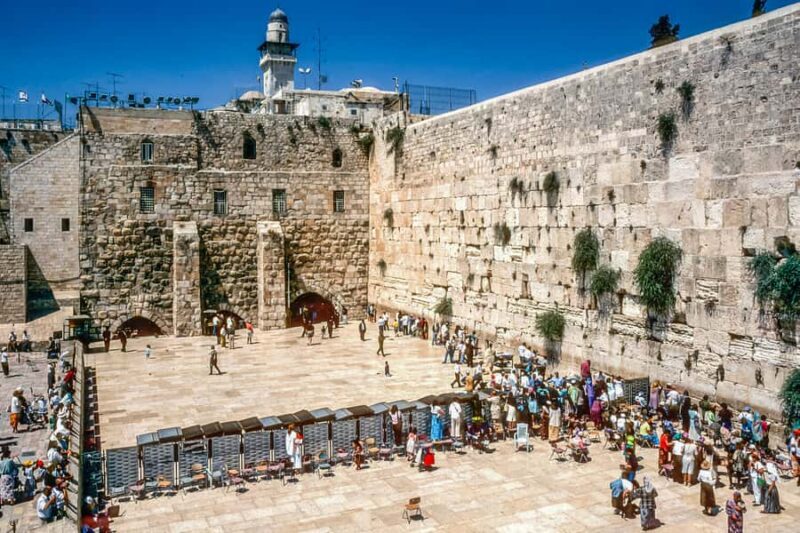
The Old City portion takes about two and a half hours, and it is the most demanding stretch of the day. You enter by way of the Armenian Quarter and local bazaar, then visit the Western Wall square. The Wall is a central place of prayer and memory for Jewish visitors, and the wide range of people gathered there can make the stop feel more immediate than a view from a distance.
From there, the route includes the Christian Quarter and Stations of the Cross, also called the Via Dolorosa. You’ll walk through narrow, busy lanes where shops and religious sites stand close together. The guide’s commentary helps you follow the route and understand why these particular streets matter to Christian tradition.
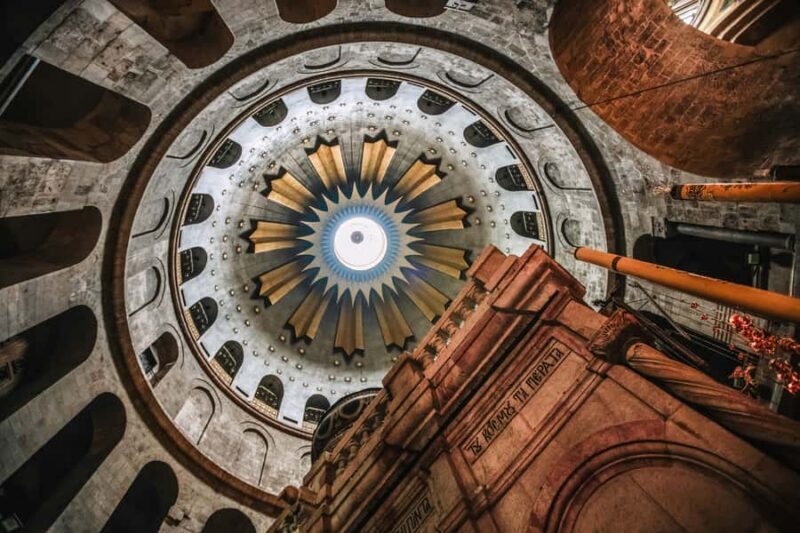
The Church of the Holy Sepulchre is regarded by Christians as the site of Jesus’ crucifixion. It is one of the day’s most significant stops, but it can also be crowded and difficult to experience at an unhurried pace. Lines sometimes form inside, so your time there can vary. One sensible expectation: you may see the key areas without having time to linger at each one.
The walk also includes the Byzantine Cardo, described as a 1,700-year-old main street, and the renovated Jewish Quarter. These stops add a view of Jerusalem beyond the most famous religious landmarks. The variety is a strength, though two and a half hours cannot do justice to every quarter or building.
A one-hour lunch stop is scheduled in the Christian Quarter. Food is at your own expense, and the meal arrangement can be a weak point if you have dietary needs: one account described limited vegetarian choices at the restaurant used by the group. I’d bring a snack or packed lunch as a backup, especially if you prefer more control over what you eat. The tour does not promise a particular restaurant or menu.
Crossing to Bethlehem with a local guide
After Jerusalem, the coach transfer to Bethlehem takes about 30 minutes. This part of the day involves a practical handover: a Palestinian guide meets the tour at the border post, and a vehicle change may be required to enter Palestinian Authority territory. That can feel like a pause in the sightseeing, but it is useful to know in advance so the change does not catch you off guard.
Bethlehem means City of Bread. The city is closely tied to Christian tradition as the birthplace of Jesus and is also associated with King David. The drive takes you by Nativity Circle before you reach the Church of the Nativity and Manger Square.
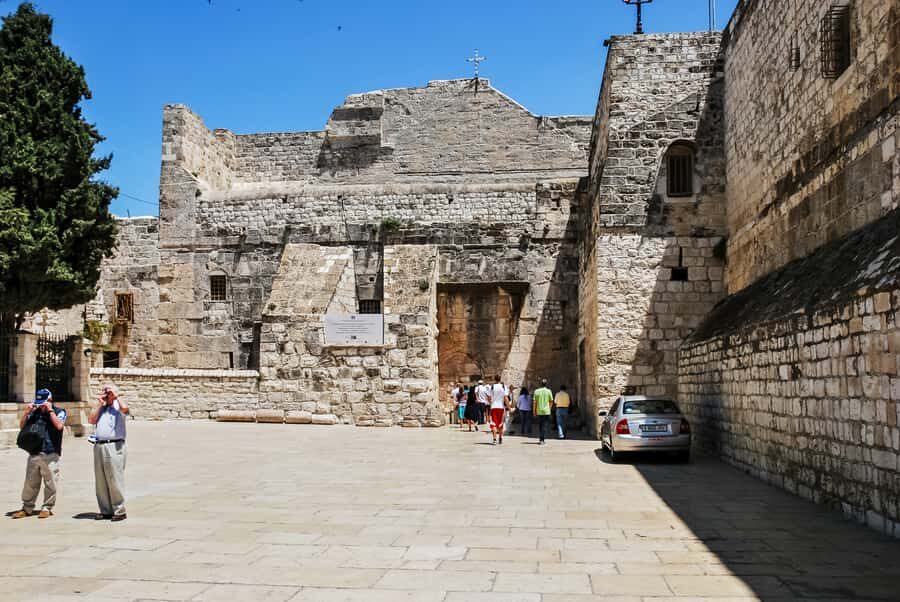
The Church of the Nativity is the main stop, with a guided visit lasting about an hour. The church marks the traditional birthplace of Jesus, and the cave below it is the focus for many visitors. Access to the Grotto is not guaranteed: visitor numbers and the tour schedule can make a visit downstairs impossible. If it matters especially to you, understand that the group may have to move on even when a line remains.
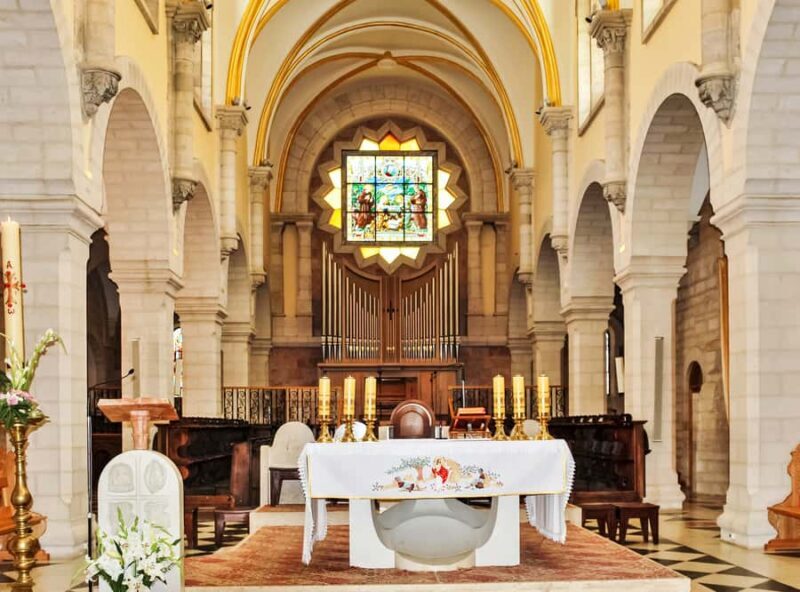
Manger Square and the church’s setting help place the Nativity story in the heart of a living city. St. Catherine’s, a Roman Catholic church, is also included before the group has a short break for free time and shopping. The final drive back to Tel Aviv takes about an hour and a half, with an overview of the Shepherd’s Fields along the way.
What the pace means for you
This is a lot of ground for a single day. The schedule includes bus transfers, guided walks, photo stops, a meal break, and time in Bethlehem, so you will see a wide range of major sites. In exchange, you give up the freedom to stay longer where you feel most moved or curious.
Expect both walking and standing, with uneven or crowded sections in the Old City and lines at major churches. The tour is not suitable for wheelchair users or children under four. Modest dress is required at religious sites, and you should bring a passport, sunglasses, a sun hat, and sunscreen. A passport is required on the day of travel.
Weather also deserves a little thought. Jerusalem can feel chilly, even when Tel Aviv is milder, so bring a layer as well as sun protection. One useful tip from a January visit was to check the forecast and dress for cold conditions. You can be standing outdoors at viewpoints, then walking through crowded indoor sites.
You can also read our reviews of more tours and experiences in Tel Aviv





Is $118 good value?
At $118 per person, the price covers a 10-hour guided day, coach transport, hotel pickup and drop-off, and entry fees. That is good value if you want the major sights in both cities without arranging separate transport or navigating the border transfer yourself. It also buys a guide’s context at places where history and religious meaning can be difficult to understand from a quick visit alone.
The price does not include food or drinks, so add that to your budget. Lunch is built into the schedule, but you pay for it yourself. The short shopping break in Bethlehem may also tempt you to spend more, but it is optional.
You are paying for efficient coverage, not a private or leisurely tour. If you have several days, you may prefer to spend more time in Jerusalem and visit Bethlehem separately. If you have only one day and want a guided overview of both, the included transport and entry fees make the cost easier to justify.
Who should book this day trip?
I’d recommend it to first-time visitors who want to see the best-known religious sites in Jerusalem and Bethlehem, and who are comfortable with an early start, a full schedule, and some walking. It is particularly useful if you want a guide to explain the significance of the Western Wall, Via Dolorosa, Church of the Holy Sepulchre, and Church of the Nativity in one connected day.
It may not suit you if you want a slow visit, need step-free access, are traveling with a child under four, or cannot be flexible about seeing the Nativity Grotto. It is also worth considering a different plan if a specific church or neighborhood deserves more than a quick stop for you.
The strongest reason to book is the combination: Jerusalem’s Old City and Bethlehem’s Nativity sites are not interchangeable, and the tour makes it possible to see both from Tel Aviv in a single day. The strongest reason to hesitate is the pace. Go in expecting an overview, pack for the weather, bring a snack, and treat the Grotto as a possibility rather than a guarantee.
From Tel Aviv: Jerusalem and Bethlehem Guided Day Trip
FAQ
How long is the tour?
The tour lasts about 10 hours, including coach travel, sightseeing, and the return to Tel Aviv.
What is included in the $118 price?
Hotel pickup and drop-off, transport by air-conditioned coach, a professional guide, and entry fees are included.
Are meals and drinks included?
No. Food and drinks are not included. A lunch break is scheduled, but you pay for your own meal.
Do I need to bring my passport?
Yes. A valid passport is required on the day of travel.
What languages are available for the live guide?
The tour is offered in English, French, Spanish, and German.
Will I be able to visit the Nativity Grotto?
Not necessarily. Visitor numbers and the tour schedule may prevent a visit down to the Grotto.
Does the guide change in Bethlehem?
Yes. A Palestinian guide meets the tour at the border post. A change of vehicle may also be required to enter Palestinian Authority territory.
Is the tour suitable for young children or wheelchair users?
No. The tour is not suitable for children under four or for wheelchair users.
You can check availability for your dates here: