Yogyakarta’s temple country is best explored one site at a time, and this full-day route links five very different stops, from Sambisari, once buried beneath volcanic ash, to the great Hindu complex at Prambanan. I like the mix of major landmark and quieter temple visits, and the chance to hear local guides such as Oki or Afif put the architecture in context.
I also like that transport costs such as fuel, parking, and tolls are covered, so you are not sorting out a car and driver for each stop. The main catch is that temple admission is not included, and five stops in one day make for a brisk schedule.
- Five temples, five different perspectives
- A full day among Yogyakarta’s temples
- Sambisari, a temple found beneath the ash
- Candi Buddha Sari adds a different tradition
- Prambanan, the day’s grand-scale stop
- Plaosan and Candi Ijo close out the route
- What the price covers, and what it leaves out
- Guide quality can shape the whole day
- Picking a language and tour format
- Small preparations that make the day easier
- Should you book this temple tour?
- FAQ
- How long does the tour last?
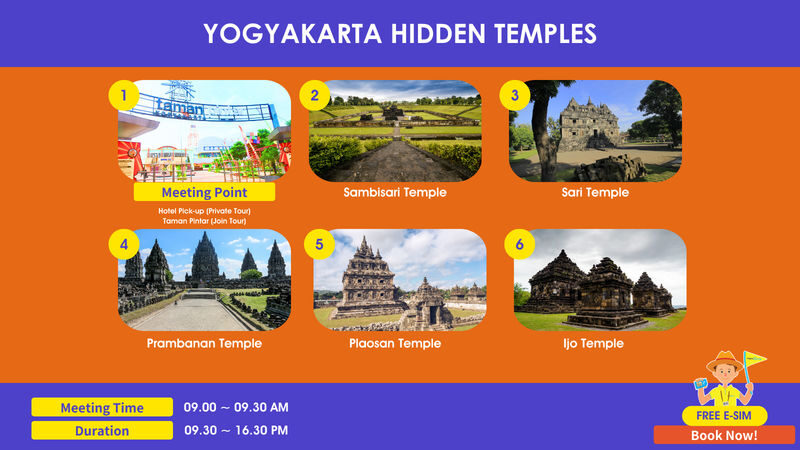
- Which temples are included?
- Are temple admission fees included?
- What languages are available?
- What is included in the tour price?
- Is lunch included?
- Are young children allowed?
- The Best Of Yogyakarta!
- More Guided Tours in Yogyakarta
- More Tours in Yogyakarta
- More Tour Reviews in Yogyakarta
- Not for you? Here's more nearby things to do in Yogyakarta we have reviewed
Five temples, five different perspectives
 1 / 2
 2 / 2
- Sambisari sits below ground level: Its burial under volcanic ash gives this first stop a distinct setting and a memorable introduction to the region’s past.
- Candi Buddha Sari brings a Buddhist site into the mix: The route pairs Hindu and Buddhist architecture rather than treating Yogyakarta’s temples as one single tradition.
- Prambanan is the day’s headline monument: This is Indonesia’s largest Hindu temple complex, originally built in the 9th century.
- Plaosan and Candi Ijo add quieter stops: They round out the day with sites beyond the best-known complex.
- Admission costs extra: Bring a separate budget for entry at all five temples, plus food and drinks.
👉 See our pick of the 25 Best Guided Tours In Yogyakarta
A full day among Yogyakarta’s temples
The tour runs from an 08:00 departure to a planned return around 16:30, with arrival back in the Malioboro area listed between 16:30 and 17:30. You visit Sambisari, Candi Buddha Sari, Prambanan, Plaosan, and Candi Ijo, with guided time at each.
That is a generous sweep of temple sites in one day, but it is not a slow, linger-as-long-as-you-like outing. Most stops are scheduled for about an hour, while Prambanan gets 90 minutes. Traffic and weather can shift the timing, so think of the schedule as a working plan, not a minute-by-minute promise.
The tour is operated by MyProGuide Indonesia and is described as using licensed local guides. Shared tours may combine you with other groups, while private options are available at a higher price. That distinction matters: a group tour helps keep the starting cost down, but a private vehicle can give you more control over pace and conversation.
You can also read our reviews of more guided tours in Yogyakarta
Sambisari, a temple found beneath the ash
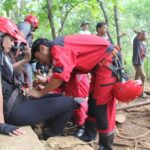
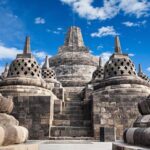
The first stop is Sambisari, scheduled for 09:00 with a one-hour guided visit. It is a compelling opener because the temple was hidden beneath volcanic ash. That detail gives the visit a tangible sense of discovery without needing a long build-up: you are looking at a sacred site that was covered and later uncovered.
A guide can help you make sense of the temple’s place in the wider route, especially if this is your first visit to a Javanese temple. The hour is enough for an introduction and a look around, though the group will need to keep moving to stay on schedule.
Wear walking shoes and bring sun protection. The tour calls for casual clothing, sunscreen, sunglasses, and a hat or cap, sensible gear for a day with several outdoor stops.
Candi Buddha Sari adds a different tradition
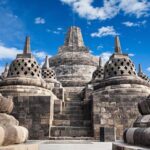
At about 10:30, the route moves to Candi Buddha Sari for another hour. The day’s Hindu and Buddhist sites give you a broader view of the region’s religious architecture than a visit to Prambanan alone would offer.
The itinerary does not promise a specific activity here beyond a guided tour, so expect interpretation and time at the site rather than an elaborate program. This is also a good point to ask your guide how the temples differ in design and religious purpose. Guides such as Oki and Afif have led this route, and the best value in a guided visit comes from asking questions as you go.
There is a short gap between the scheduled start of this visit and the 11:30 Prambanan stop. The actual pace will depend on the day’s traffic and conditions, so stay with your group and keep your water and sun protection handy.
Prambanan, the day’s grand-scale stop
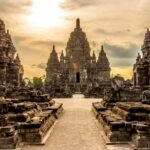
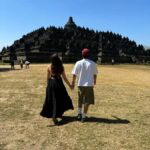
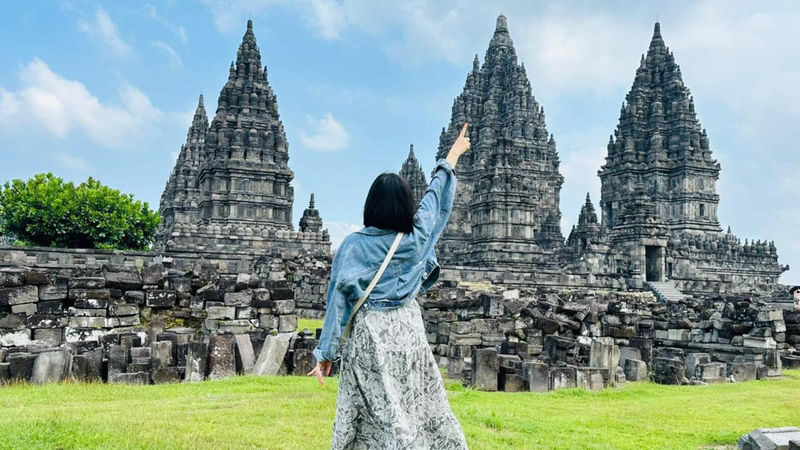
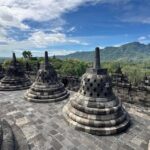
Prambanan is scheduled for 11:30, with 90 minutes for a guided visit. It is the largest Hindu temple complex in Indonesia and was originally built in the 9th century. Its scale and intricate architecture make it the headline stop, and the itinerary gives it more time than any other site.
That extra half-hour is useful, but it still makes for a focused visit rather than a leisurely one. If you like to study every carving or take long breaks, you may wish you had more time. On the other hand, the guide’s context can help you use your visit well, pointing out what to notice and explaining the site’s significance.
Admission is not included. You will need to pay for entry separately at Prambanan, as well as at the other temples. This is the key cost to factor into your plans before booking, since the advertised tour price does not cover the main sites themselves.
Plaosan and Candi Ijo close out the route
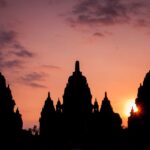
The afternoon takes you to Plaosan at about 14:00, then Candi Ijo at 15:00. Each stop is planned for one hour, with a guided visit. Their place after Prambanan makes the day feel less like a single-monument excursion and more like a survey of several temple settings and architectural traditions.
The schedule is compact. Plaosan begins only an hour after the planned start at Prambanan, and Candi Ijo follows soon after. The exact amount of time you get at each site can be affected by road conditions and weather, so keep expectations flexible. These are not stops where you should count on wandering off alone for an extended stretch.
The return is listed for 16:30, with arrival in the Malioboro area expected between 16:30 and 17:30. The variation is worth noting if you have dinner plans or another booking that evening. Leave a buffer rather than planning an immediate connection.

What the price covers, and what it leaves out
Prices vary by package. The stated starting price is US$19.80, while the listed shared tour with an English-speaking guide starts at US$24.59. The Chinese-speaking shared option is US$39.19. Private tours start at US$98.39 for English and US$226.19 for Chinese or German. These are different products, so compare the language and format you want rather than assuming the lowest figure applies to every option.
The shared tour includes a professional English-speaking guide, fuel, parking, and toll fees. It also includes sharing the tour with other groups. The costs left to you are temple admission, meals and drinks, personal expenses, and tips. Since entry is charged separately at all five sites, the true day cost will be higher than the tour fare. Check current admission prices before you go, as exact amounts are not specified here.
For the price, the main value is transport between several sites and a guide to connect them. Organizing five temple visits independently would require arranging your own transport and planning the route. A shared tour is a practical choice if you want the day handled for you and do not mind a set schedule. A private tour costs considerably more, but may suit you if you value a vehicle for your own party and more control over the day.
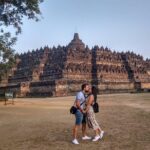
One practical note from a previous trip on this route: a spacious vehicle made the long day more comfortable for a group of four, especially for a tall passenger. Vehicle size is not guaranteed, but it is reasonable to ask the operator about the vehicle if comfort or seating space is a concern.
Guide quality can shape the whole day
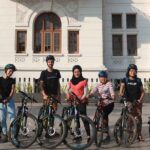
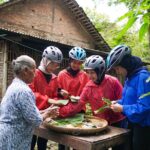
A guide matters on a temple tour because the buildings do not explain themselves. The route includes Hindu and Buddhist sites, and a good guide can give you context for their architecture, history, and spiritual meaning. The tour is promoted with licensed local guides, and guides named Oki and Afif have led it. Oki was praised for bringing the stories and legends of the sites to life; Afif was described as friendly and helpful.
There is also a useful reminder to set expectations: one previous departure had a guide change because Afif was ill, and the replacement arrangement and compensation were handled smoothly, though earlier notice would have been better. Guide assignments can change, so do not book on the assumption that a particular person will lead your trip.
Pace is another point to keep in mind. One party found the guide’s walking speed quick. If you need a slower pace, tell the guide early in the day. That is especially helpful on a schedule with five stops and limited time at each.
Picking a language and tour format
The shared English option is the most affordable listed package, while a shared Chinese-speaking tour costs more. Private tours are offered in English or in Chinese and German. Although the experience title refers to multilingual guidance, the listed package choices do not include a Japanese-speaking option, so confirm directly with the operator if Japanese is important to you.
The group format is best if you are comfortable sharing transport and following a fixed route. It also suits solo visitors, friends, and families who want a guided day without paying the private-tour price. A private option may be more suitable if your party wants a more personal pace, but the available details do not specify how much the itinerary can be changed.
Children aged 0 to 3 are free, but infants and children must still be included in the passenger headcount. Child seats are not available, so consider that carefully if you are traveling with a young child.
Small preparations that make the day easier
The departure is listed for 08:00. Arrive 15 minutes early at the specified meeting point, which is in the Malioboro area of Yogyakarta. Hotel pickup and drop-off are described as part of the service, but confirm your exact pickup arrangement before the tour, since the meeting details also give a Malioboro location.
Bring cash or another way to pay for temple admission, plus money for a meal and drinks. Food and beverages are not included, and no meal stop is specified in the schedule, so ask the operator what to expect if you need a set lunch break.
Wear comfortable walking shoes and casual clothing. The day includes several outdoor temple visits, so sunscreen, sunglasses, and a hat are practical choices. Your voucher is mobile and valid only for the date and time booked. Changes are allowed up to 24 hours before the activity, subject to the stated booking restrictions, and cancellations at least 24 hours before the activity date qualify for a full refund.
Should you book this temple tour?
I would choose this tour if you want to see several Hindu and Buddhist sites in one day without arranging your own transport. The mix is its strongest point: Sambisari’s unusual buried setting, the variety of temples, and the scale of Prambanan make for a worthwhile day, while local guidance adds context that can be hard to get from a quick look around.
I would hesitate if you want a slow visit, dislike sharing a vehicle, or need all costs settled upfront. Admission and meals are extra, the day is tightly scheduled, and traffic or weather can change the timing. If those trade-offs suit you, the shared tour offers a practical way to cover a lot of Yogyakarta’s temple heritage in one outing. If you want more space or flexibility, compare the private options and confirm exactly what they allow before paying the higher fare.
Yogyakarta Hidden Temples Tour with Multilingual Guide
“Good itinerary from the tour provider however the guide Afif was sick that day without notifying us. Luckily driver is ready and compensation was s…”
FAQ
How long does the tour last?
The tour departs at 08:00 and is scheduled to return between 16:30 and 17:30. Traffic and weather may affect the timing.
Which temples are included?
The route includes Sambisari Temple, Candi Buddha Sari, Prambanan Temple, Plaosan, and Candi Ijo.
Are temple admission fees included?
No. Admission to all five temples is not included, so budget separately for entry.
What languages are available?
The listed shared options are English and Chinese. Private options are listed in English or Chinese and German. No Japanese package is listed.
What is included in the tour price?
The shared English tour includes an English-speaking professional guide, fuel, toll fees, and parking fees. It is a shared tour with other groups.
Is lunch included?
No. Meals and beverages are not included.
Are young children allowed?
Children aged 0 to 3 are free, but they must be included in the passenger headcount. Child seats are not available.