Xi’an’s Qin Yuan Intangible Cultural Heritage Museum lets you trade a few hours of sightseeing for something you make yourself: a small Terracotta Warrior, a paper-cut design, a bamboo boat, or another traditional craft. I like the mix of hands-on work and cultural background, and I like that the low-cost stamp option gives you a lighter, less time-intensive way to take part.
The main consideration is that the listed activities are separate package choices, not a single workshop where you do everything. The museum’s schedule can also change, so check which craft is available for your chosen date before you go.
- What to know before you book
- A craft stop in Xi’an’s old cultural quarter
- Choose one craft, not the whole menu
- Shape a Terracotta Warrior from clay
- Cut paper, weave bamboo, or make a fragrant tablet
- Tie-dye gives you a practical souvenir
- The stamp option is a low-cost cultural pause
- What the instruction and setting add
- Budget, timing, and booking choices
- Who should book Qin Yuan?
- FAQ
- Where is Qin Yuan Intangible Cultural Heritage Museum?
- What are the museum’s opening hours?
- What activities can I choose from?
- How much do the activities cost?
- Is there an age limit?
- What should I present when I arrive?
- Is the Xi’an stamp included with every activity?
- More Historical Tours in Xi'an
- More Tours in Xi'an
- More Tour Reviews in Xi'an
- Not for you? Here's more nearby things to do in Xi'an we have reviewed
What to know before you book
 1 / 3
 2 / 3
 3 / 3
- Make a miniature Qin-era soldier: Shape and detail a clay Terracotta Warrior, with the armor and hair bun offering a chance to notice the small features that give each figure its character.
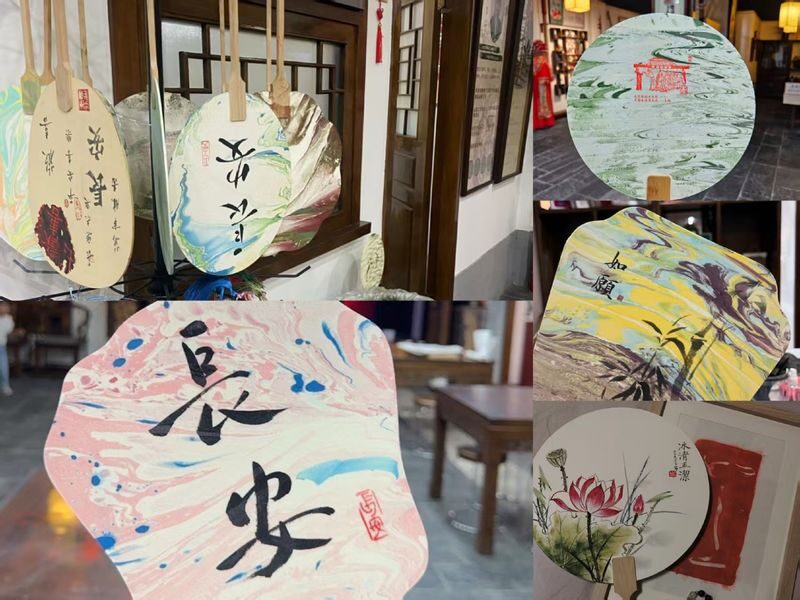
- Choose a craft to suit your day: Options include paper cutting, tie-dye, bamboo weaving, incense tablets, and knot and beadwork, but the activity depends on the package you book.
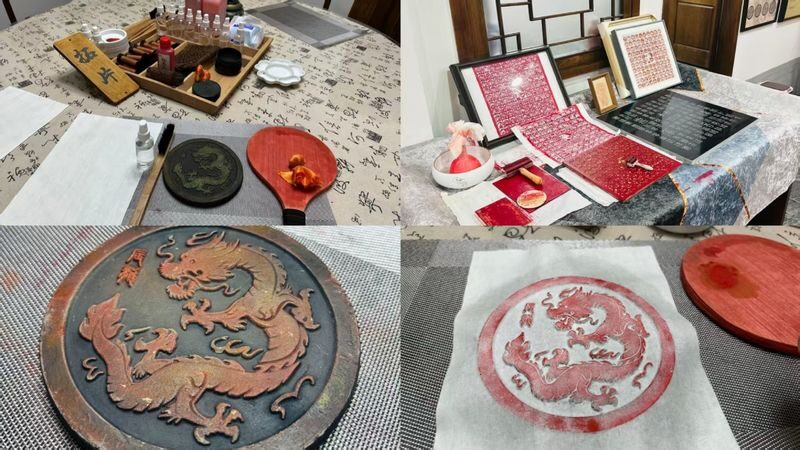
- Try the $5.25 stamp option: The Xi’an stamp collection experience is the lowest-priced choice and includes a Xi’an Thirteen Pins paper-cut stamp.
- Get instruction as you work: The instructor explains techniques and cultural background, with detailed, patient guidance particularly noted for Terracotta Warrior, paper-cutting, and tie-dye sessions.
- Find it near Yongningmen: The museum is in the Shuyuanmen historical and cultural block, on Basement Level 1 at No. 69, Middle Section of Shuncheng South Road.
- Allow for schedule changes: It is open Tuesday through Sunday, 10 a.m. to 6 p.m. Some crafts or explanations may be unavailable if the instructor has outside arrangements.
A craft stop in Xi’an’s old cultural quarter
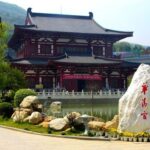
Qin Yuan sits in the Beilin district, within Shuyuanmen Historical and Cultural Block. This is a fitting address for a place focused on keeping traditional skills in public view. The museum is designed not just to display crafts, but to let you try them, learn their background, and carry a finished object away.
The museum is on Basement Level 1, near Yongningmen Subway Station Exit D2. That location makes it a practical stop if you are already exploring the city’s historic center. Still, give yourself time to find the entrance and reach the workshop area. It is not a street-level storefront, and the address is more useful than expecting a large museum facade.
The space brings several folk arts together: pottery and sculpture, paper cutting, bamboo weaving, tie-dye, incense making, knotting, and beading. That variety is useful if you are traveling with people who have different interests. One person can make a small sculpture while another chooses a textile craft or simply collects stamps.
It is best to think of Qin Yuan as a participatory cultural workshop rather than a conventional museum visit. You may learn about traditional techniques, but the central draw is using your hands. If you want a quiet hour with objects behind glass, this may not be your ideal stop. If you like to understand a place by trying a local craft, it has a clearer purpose.
You can also read our reviews of more historical tours in Xi'an
Choose one craft, not the whole menu
The activity list is broad, but the packages are distinct. The main DIY workshop starts at US$25.65 and can include activities such as Terracotta Warrior making and paper cutting. Tie-dye starts at US$24.19, a small bamboo weaving boat is US$14.99, and the Xi’an stamp collection starts at US$5.25.
Those prices reflect different kinds of visits, so compare the actual package details rather than assuming the least expensive choice includes a craft workshop. The stamp experience is a simple, affordable option for collecting an imprint. The workshop choices cost more because they involve making an object and receiving instruction.
The museum describes ten major intangible cultural heritage activities, but no single package is stated to include all ten. Nor is there a fixed sequence of stations that every participant completes. You choose an activity when booking, and the available projects or explanations can vary with the instructor’s schedule.
That distinction matters if you are trying to fit the visit between other plans. A stamp collection is likely to be a different sort of stop from shaping a figure or tying and dyeing fabric, but no activity duration is specified. Leave enough room in your day rather than planning a tight connection immediately afterward.
Shape a Terracotta Warrior from clay
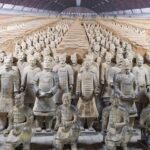
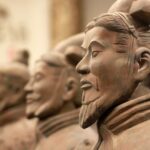
The Terracotta Warrior activity is the most direct bridge between Xi’an’s famous archaeological heritage and your own hands. You work with clay and other materials to form a small warrior figure, then add details such as armor and a hair bun. The craft is not a substitute for seeing the actual army, but it gives you a more tactile way to notice the sculptural choices behind the familiar forms.
The instructor also explains the history and cultural background of the Terracotta Army, along with traditional sculpture techniques. That context makes the task more than a souvenir project: you are encouraged to consider how details help distinguish the figure and evoke a Qin-era soldier.
This activity suits you if you enjoy making things, even if your finished figure is a little lopsided. That is part of the appeal. You leave with a personal keepsake rather than a mass-produced miniature, and the making itself gives you a reason to look more closely at the famous figures when you encounter them elsewhere in Xi’an.
If you are hoping for a polished art class with a long lesson in sculpture, check the package details first. The available information describes a guided hands-on activity, but it does not give a session length, class size, or a promise of advanced instruction.
Cut paper, weave bamboo, or make a fragrant tablet
Paper cutting offers a different kind of precision. You work with cut shapes and patterns, learning a folk art that turns a sheet of paper into a decorative design. It pairs well with the Terracotta Warrior activity if both are included in the package you select, but do not assume they come together automatically.
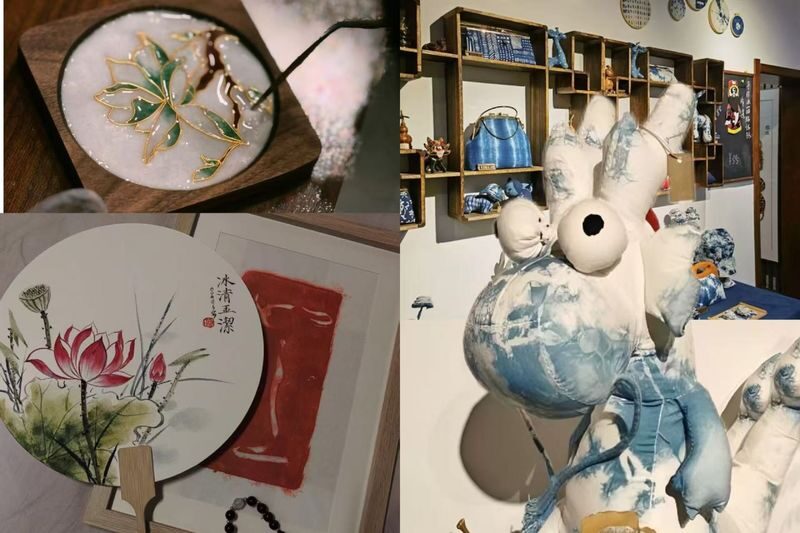
Bamboo weaving is the more tactile choice. In the small boat activity, you learn traditional weaving methods and shape slender strips into a delicate boat. The finished piece is intended as a home decoration, so it is a small craft with a clear take-home use. The challenge is in handling and arranging the material carefully, rather than simply assembling a ready-made object.
Ancient incense tablet making shifts the focus from sight and touch to scent. You prepare tablets using a traditional recipe ratio, and the finished pieces can serve as personal aromatherapy. It is a good option if you are curious about traditional fragrance culture, though the supplied package choices do not show a separate price for this activity.
Knotting and beading combine established knot forms, including Pan Chang and auspicious knots, with beads to make accessories such as bracelets, necklaces, or pendants. This is perhaps the easiest craft to connect with everyday use. It also shows how an old technique can be adapted into jewelry you might actually wear.
Tie-dye gives you a practical souvenir
The tie-dye package starts at US$24.19 and focuses on making a patterned canvas bag or bamboo bag. Natural plant dyes such as indigo and radix isatidis are used to create blue-and-white or multicolored effects. The finished piece is personal and useful, which can make this a better souvenir choice than an object that may spend the rest of its life on a shelf.
Tie-dye depends on how you fold, bind, or arrange the material before dyeing. The result is not a design you can control down to every mark, and that unpredictability is part of the technique. The instructor provides guidance, and the teaching is described as detailed and patient, with a satisfactory finished piece as the goal.
This package is a strong fit if you want a wearable or practical memento and would rather work with cloth than clay. It may be less appealing if you want to choose from a wide range of finished colors or designs. The activity details mention natural plant dyes, but do not specify exactly what color choices or bag styles are available on a particular day.
You can also read our reviews of more museum experiences in Xi'an




The stamp option is a low-cost cultural pause
At US$5.25, the Xi’an stamp collection is the easiest way to sample the museum without committing to a larger craft package. It includes a Xi’an Thirteen Pins paper-cut stamp. The activity gives you a small, memorable mark to keep, and it may suit you if you collect travel stamps or want a brief stop between other sights.
Stamping is simple, but it does call for a little patience when the station is busy. Queue in order, handle stamps carefully, and put the tools back after use so the next person can have a turn. Children need adult supervision around sharp stamp edges and small accessories.
The stamp option is not the same as a full craft lesson. If you want instruction, cultural context, and a handmade object, choose one of the workshop packages instead. If you are short on time or keeping costs down, the stamp experience offers a modest, hands-on souvenir.
What the instruction and setting add
The museum’s strongest feature is the combination of explanation and making. In the Terracotta Warrior and paper-cutting activities, the instructor explains the development of the crafts and related history while you work. Tie-dye instruction is also described as detailed, with patient help during the process.
That approach matters because traditional crafts can otherwise feel like a quick novelty. A little background helps you understand what the material and method are doing, even if you have only enough time to complete one small object. The teaching is especially useful for families and first-time makers, who may not know where to begin.
The center is described as clean and well-maintained, an important practical point for a hands-on stop involving clay, dyes, stamps, and small materials. Still, it is a public cultural space, not a private lesson room. During peak hours, queues may form, and the museum asks visitors to keep their voices down and share tools considerately.
There is no age limit for the activity. That does not mean every craft is equally easy for every child, so stay with younger children and keep small beads and accessories out of reach. The museum’s guidance also asks you to handle equipment gently and return it to staff after use.
Budget, timing, and booking choices
The lowest price is US$5.25 for the stamp collection. For a more involved activity, the listed starting prices are US$14.99 for the bamboo boat, US$24.19 for tie-dye, and US$25.65 for the DIY handmade workshop. Those are starting prices, and the package you select determines what is included.
The value is strongest when you want both instruction and a take-home object. A craft gives you a different memory from another photo stop, and the cultural explanation adds substance to the time spent. If you only want a souvenir mark, the stamp package is better value than paying for a longer workshop you do not need.
Opening hours are Tuesday to Sunday, 10 a.m. to 6 p.m. The museum is closed on Monday according to the stated schedule. The instructor is on duty daily, but outside arrangements or temporary changes can affect which activities or explanations are available. Booking at least one day ahead is recommended to reduce the risk of arriving for a craft that is not running.
At arrival, give the staff the name used for your Klook order. The voucher is valid only on the date specified, and the listed cancellation terms allow a full refund if you cancel at least 24 hours before the activity date, local time. Store brochures are not included and can be bought separately for RMB 30.
Who should book Qin Yuan?
I would put Qin Yuan on the list for anyone who wants a practical cultural activity in central Xi’an, especially families, curious makers, and visitors who have already seen the major historic sights and want to spend time with a local craft. The range also makes it a sensible option for a group with mixed interests, provided everyone is comfortable choosing separate activities.
It is less suited to someone expecting a fully scheduled tour with transport, a long museum lecture, or all ten crafts included in one ticket. No group size or activity duration is specified, and the craft menu can change. Check the exact package and leave some slack in your schedule.
Book it if making something, hearing how it is made, and taking home a small reminder sound more appealing than another stop-and-photo visit. For the cheapest taste, choose the stamp activity. For a more substantial session, pick one craft that genuinely interests you, and confirm its availability before the day.
Xi’an Qin Yuan Intangible Cultural Heritage Museum (10 Major Intangible Cultural Heritage Activities & Pottery Terracotta Warriors + Traditional Paper Cutting + Intangible Cultural Heritage Bamboo Weaving + Ancient Incense Tablets, etc. + Explore the Char
“I participated in the Terracotta Army and paper-cutting activities. Xi'an is an ancient capital of thirteen dynasties. The activity was carefully t…”
FAQ
Where is Qin Yuan Intangible Cultural Heritage Museum?
It is at Basement Level 1, No. 69, Middle Section of Shuncheng South Road, Beilin District, Xi’an, Shaanxi Province. It is near Yongningmen Subway Station Exit D2.
What are the museum’s opening hours?
It is open Tuesday through Sunday from 10 a.m. to 6 p.m. The stated schedule does not include Monday opening hours.
What activities can I choose from?
Options include Terracotta Warrior making, paper cutting, bamboo weaving, incense tablet making, knotting and beading, tie-dye, and stamp collection. Availability can change, so check the specific package and date.
How much do the activities cost?
Starting prices are US$5.25 for the Xi’an stamp collection, US$14.99 for the small bamboo boat, US$24.19 for tie-dye, and US$25.65 for the DIY handmade workshop.
Is there an age limit?
No age limit is stated. Children must be accompanied by an adult, particularly around stamps and small cultural accessories.
What should I present when I arrive?
Give the staff the name used when placing your Klook order. The voucher is valid only on the specified date.
Is the Xi’an stamp included with every activity?
No. The Xi’an Thirteen Pins paper-cut stamp is listed as included with the Xi’an Stamp Collection experience. Do not assume it comes with the other packages.