The World Coffee Museum turns a cup of coffee into a story about architecture, trade, and culture. Its collection is described as more than 10,000 objects, and the building itself is part of the visit. I like the chance to compare coffee traditions from three civilizations, and the 3D-mapped Coffee Civilization show adds something more engaging than display cases alone.
I also like that this is an easy stop to fit into a Buon Ma Thuot visit: allow about one to two hours, take photos, and see what coffee is being served. The main drawback is that the displays and show can feel less compelling if you expect a guided, hands-on tour; special exhibition access costs extra, and show schedules may vary.
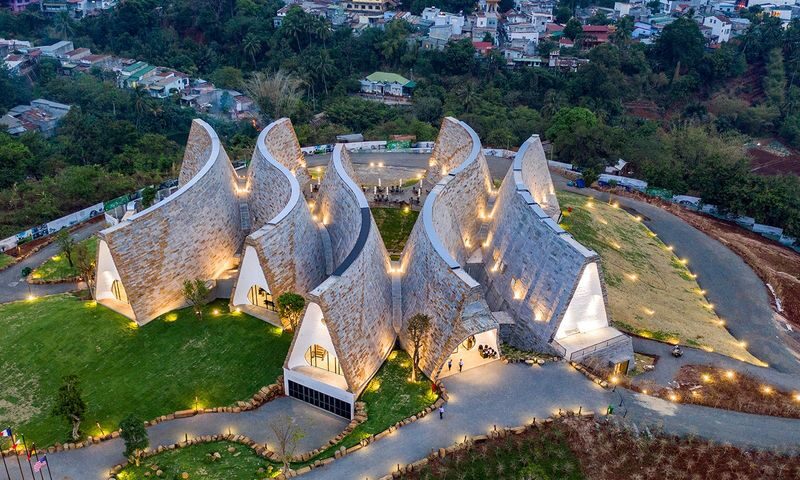
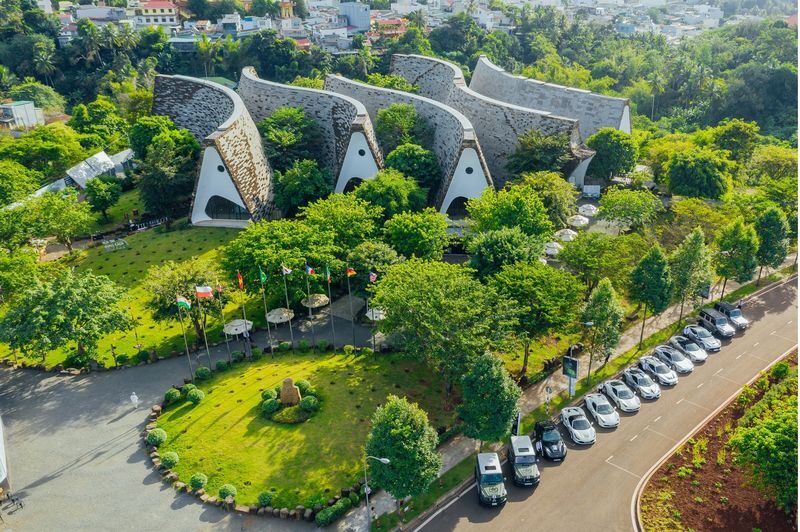
- A landmark building: The museum’s distinctive architecture is a major part of the visit, with open spaces and plenty of photo spots.
- Three coffee traditions: Look for displays and a show about Ottoman, Roman, and Thien coffee civilizations.
- A global collection: The museum’s collection is described as holding more than 10,000 coffee-related objects from around the world.
- Admission has limits: Special exhibition access is not included in the basic ticket.
- Plan the journey: The museum is about 4.2 km from Buon Ma Thuot’s city center. A taxi or private car is a practical choice.
- Check the coffee offer: A small coffee has been included with some admission visits, but the formal package lists admission only.
- The building is part of the visit
- Follow the coffee story through three civilizations
- Look beyond the headline collection
- Leave room for a coffee and a photo stop
- Is the ticket good value?
- Practical details before you set out
- Should you book the World Coffee Museum?
- FAQ
- Where is the World Coffee Museum?
- How far is the museum from Buon Ma Thuot city center?
- How can I get to the museum?
- What are the museum’s opening hours?
- What does the basic admission ticket include?
- Is special exhibition access included?
- Is coffee included with admission?
- How long should I allow for a visit?
- Can children visit for free?
- Can I change or cancel my booking?
- The Best Of Buon Ma Thuot!
- More Tours in Buon Ma Thuot
- More Tour Reviews in Buon Ma Thuot
- Not for you? Here's more nearby things to do in Buon Ma Thuot we have reviewed
The building is part of the visit
 1 / 7
 2 / 7
 3 / 7
 4 / 7
 5 / 7
 6 / 7
 7 / 7
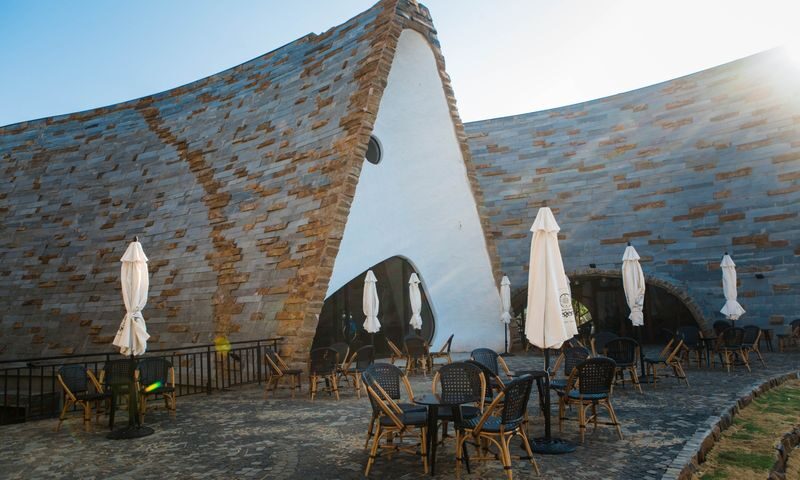
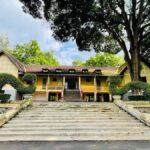
The World Coffee Museum is more than a room full of old coffee equipment. Its architecture is presented as a symbol of Vietnam’s coffee industry, and its large, open spaces give the visit a sense of occasion before you begin reading the displays. If you enjoy striking buildings, give yourself time to look around rather than heading straight for the exhibits.
This is a museum created by Trung Nguyen Legend Group, one of Vietnam’s biggest coffee brands. That connection gives the place a clear point of view: coffee is treated not only as a crop or drink, but also as an influence on society and culture. It’s an appealing theme in Buon Ma Thuot, a city closely associated with Vietnam’s coffee industry.
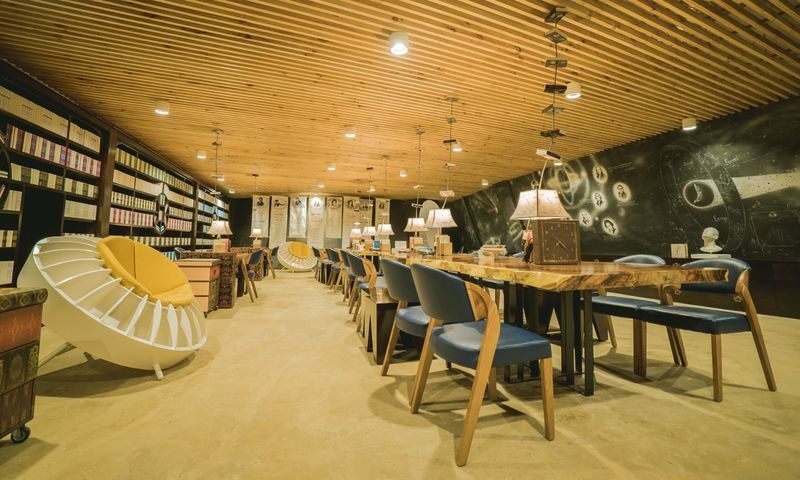
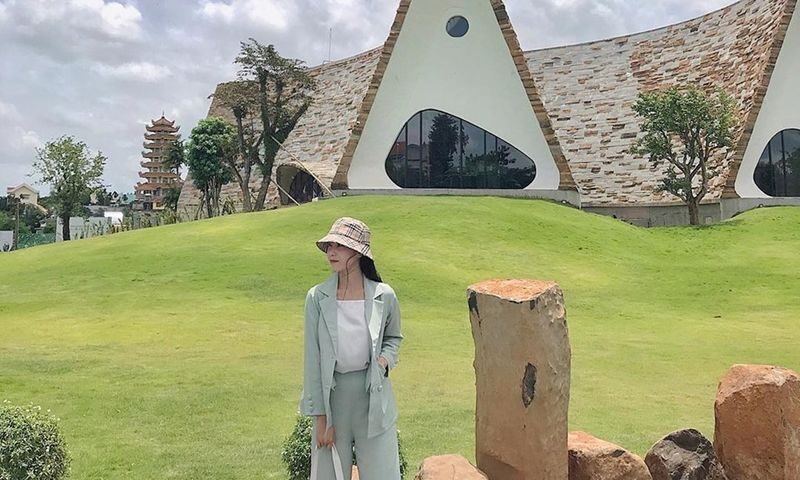
The grounds and interior offer plenty of spots for photos. That’s a real plus if you want a relaxed stop with a few memorable pictures, even if you are not an enthusiastic coffee drinker. Just keep expectations balanced: attractive design does not automatically mean every exhibit will hold your attention.

👉 See our pick of the 2 Best Tours In Buon Ma Thuot
Follow the coffee story through three civilizations
The museum’s central narrative connects coffee with three civilizations. The Ottoman section presents coffee as a valued drink in the Islamic world, associated with creativity. This gives you a cultural frame for thinking about how a familiar beverage can take on different meanings across societies.
The Roman coffee story is described as a force that helped lead toward freedom and the Enlightenment. The museum links coffee with ideas and social change, rather than limiting its account to brewing methods. The display may be most rewarding if you take time to read the context; without it, some objects can feel like isolated tools.
The third theme, called Thien coffee civilization, is presented as a meeting of Roman and Ottoman influences, with a focus on bringing Eastern values and meanings closer to the community through the art of enjoying coffee. The idea is more interpretive than a simple timeline. If you like museums that connect everyday habits to broader cultural themes, this section gives you more to consider.
A Coffee Civilization show uses 3D mapping technology to present these ideas in a more visual format. It is described as a distinctive part of the museum, but a show may not run every day. Check the schedule before you go if this is a deciding factor, and don’t assume that basic admission includes access to every special presentation or exhibition.
You can also read our reviews of more tours and experiences in Buon Ma Thuot.


Look beyond the headline collection
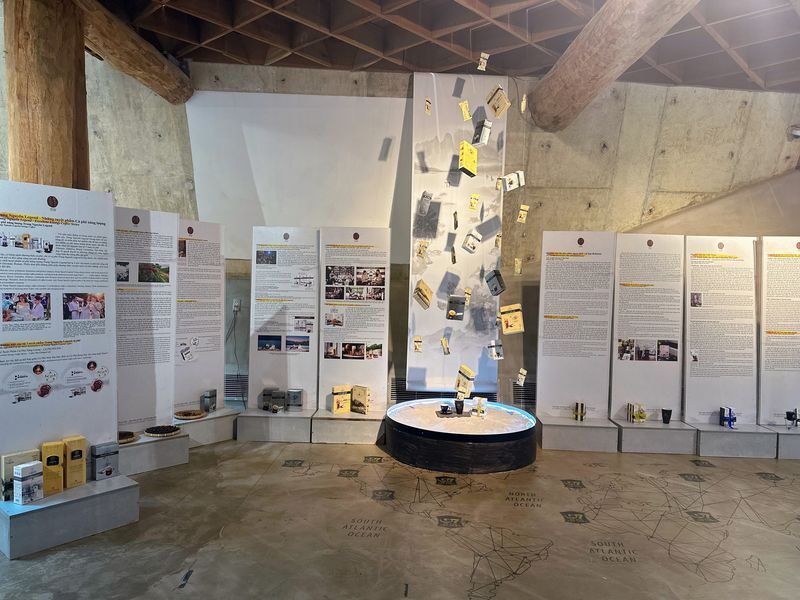
The museum’s collection is described as containing more than 10,000 objects related to coffee cultures around the globe. You may see tools used in coffee processing, historical materials, and displays about the ethnic groups and specialty plants of Dak Lak. These local details help anchor the broad international story in the Central Highlands.
The collection size sounds enormous, but it does not mean every object will necessarily be on view at once. The visit can feel focused and relatively compact, and the way the displays are arranged may matter more to you than the headline number. I would approach it as a cultural museum with a substantial collection, not as a warehouse where you’ll examine thousands of objects one by one.
There is not a named guide or a guided tour included in the ticket information. Some areas may leave you to make your own way through the story, so take your time with display text and look for the museum’s suggested route. If you prefer a guide to explain how each object fits into the wider history, this may feel a little self-directed.
The basic ticket does not include special exhibition access. Ask what is open on your visit and what costs extra before you enter, especially if a particular exhibition is the reason you came. That small check can help avoid expecting more than the admission ticket covers.
Leave room for a coffee and a photo stop
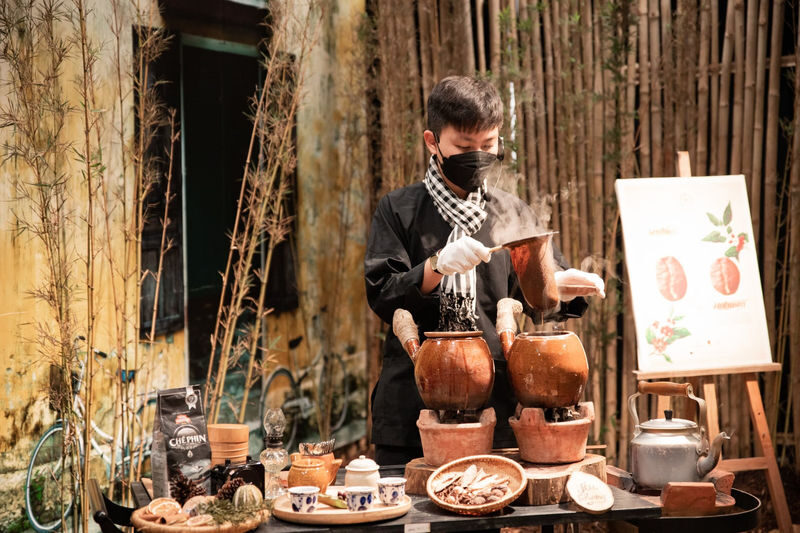
A coffee break can be a pleasant way to slow down after looking through the exhibits. Some admission visits have included a small cup, and the coffee offered has varied, with Turkish coffee mentioned on one occasion. But the official package lists admission, not a drink, so treat a complimentary cup as a possible extra rather than a promise.
Expectations matter here. A small serving is not the same as a full coffee tasting, and the drink may not be a highlight if you are particular about your brew. If you want to compare local coffee styles, the museum’s displays can provide useful context, but you should not count on a full tasting flight being part of the ticket.
The building and grounds offer many chances to take photos, and a few visitors find the surrounding space a comfortable place to spend part of an afternoon. Bring a charged phone or camera if that matters to you. You cannot bring outside food or drinks inside, and there is no luggage storage for large bags, so leave those at your accommodation or in your vehicle.
Is the ticket good value?
Admission starts at US$5.79, with the exact price depending on the package and booking details. That is a modest price for a distinctive building, museum displays, and a possible coffee, particularly if you already plan to be in Buon Ma Thuot. Buying online may cost less than the counter price, but discounts can change, so compare the price shown for your date.
Value depends on what you want from a museum. If you enjoy coffee history, cultural displays, and architectural photography, an hour or two here can be a worthwhile use of your time. If you expect a large, highly interactive attraction with a show running on demand, or a guided explanation throughout, the basic ticket may feel less satisfying.
Allow one to two hours for a relaxed visit, photos, and a coffee stop if one is available. The museum is around 4.2 km from the city center, so factor in the trip rather than treating it as a quick walk from the central streets. A taxi or private car is the simplest option for many people; motorcycles and buses are also mentioned as ways to reach it.
Practical details before you set out
The museum’s stated hours are not consistent across the available information. One set of details gives daily opening hours of 08:00 to 18:00, while another gives 07:00 to 17:00. Check the museum’s official information for your date before setting off, particularly if you are planning a late visit or hoping to catch a show.
You can present your mobile voucher, but some ticket holders have needed to exchange the voucher code for a paper ticket at the counter. Allow a few minutes for that step rather than assuming the phone screen will take you directly through the entrance. The voucher is valid only for the specified date and time, if a time is shown.
Children aged 0 to 5 can enter free, and children aged 13 or older pay the adult rate. The museum is wheelchair- and stroller-accessible. Smoking and drinking are not allowed inside, pets are prohibited except for service animals with valid identification, and leaving the venue means you cannot re-enter.
The museum may reschedule a visit if extreme weather forces it to close. Changes to bookings are allowed up to 24 hours before the activity starts, subject to exceptions for certain booking types. The stated cancellation terms offer a full refund when you cancel at least 24 hours before the activity date, using destination local time.



Should you book the World Coffee Museum?
Book it if you’re curious about coffee culture, want to see one of Buon Ma Thuot’s signature buildings, or need a calm indoor stop with photo opportunities. It works especially well for coffee fans and anyone interested in how one drink can carry different meanings across cultures.
Consider skipping it if you are far from the city and would be making a long, costly trip for the museum alone, or if you need a guided tour and a guaranteed live show. Before you book, check the current opening hours, ask whether the 3D-mapped show is running, and confirm what your ticket includes. With those details clear, the museum can make a rewarding addition to a Buon Ma Thuot visit.
The World Coffee Museum Ticket in Central Highland
“Even though I'm not particularly interested in coffee and don't fully appreciate its value, I think it's a nice place to visit, take your time look…”
FAQ
Where is the World Coffee Museum?
It is on Nguyen Dinh Chieu Street in Tan Loi Ward, Buon Ma Thuot City, Dak Lak Province, Vietnam.
How far is the museum from Buon Ma Thuot city center?
It is about 4.2 km from the city center.
How can I get to the museum?
You can travel by motorcycle, car, bus, or taxi. A private car or local taxi is listed as the best way to reach the site.
What are the museum’s opening hours?
The available information gives two schedules: 08:00 to 18:00 daily, and 07:00 to 17:00 daily. Check the museum’s official information for the hours on your visit date.
What does the basic admission ticket include?
The package lists admission to the attraction. Special exhibition access, personal expenses, tips, and transfers are not included.
Is special exhibition access included?
No. Special exhibition access is listed as an exclusion from the basic admission package.
Is coffee included with admission?
The formal package lists admission only. A small cup of coffee has been included with some visits, but you should confirm the current offer rather than count on it.
How long should I allow for a visit?
About one to two hours is a useful estimate for looking around, taking photos, and stopping for coffee if it is offered.
Can children visit for free?
Children aged 0 to 5 can join free of charge. Children aged 13 and older are charged the adult rate.
Can I change or cancel my booking?
Changes are allowed until 24 hours before the activity starts, with exceptions for certain booking types. A full refund is available if you cancel at least 24 hours before the activity date, using destination local time.