The St. Roch is the heart of this visit: you can step aboard the historic ship and get a close look at a vessel tied to Arctic expeditions. Inside the museum, exhibitions and an interactive glacial navigation simulator make Vancouver’s connection to the sea easier to picture.
I like the mix of shipboard history and hands-on activities, which gives adults and children different ways into the subject. I also like that the museum explores local culture and ways of life, not just ships. One consideration: you’ll want to allow enough time for the galleries and ship, and the museum closes on Mondays.
- Board the St. Roch: Get a close view of the historic ship associated with Arctic expeditions.
- Try the glacial simulator: Take the controls in a simulated icy environment.
- Explore changing displays: Admission includes both permanent and temporary exhibitions.
- Set aside one to two hours: Your pace, and how long you spend aboard the ship, will shape the visit.
- Check the day’s hours: The museum is open Tuesday through Sunday, with a 4:30 pm last entry on regular days.
- Start With The St. Roch
- Find Your Bearings In The Galleries
- Take The Glacial Simulator For A Test Run
- How Long To Stay And What The Visit Costs
- Reach The Museum At 1905 Ogden Avenue
- Plan For Bags, Access, And A Calm Visit
- Who Will Get The Most From This Visit
- Should You Book The Vancouver Maritime Museum?
- FAQ
- How long should I plan for the Vancouver Maritime Museum?
- What does the admission ticket include?
- Can I board the St. Roch?
- What are the museum’s regular opening hours?
- Are children under six admitted free?
- Is the museum wheelchair-accessible?
- Can I leave and return later with the same ticket?
- The Best Of Vancouver!
- More Tickets in Vancouver
- More Tours in Vancouver
- More Tour Reviews in Vancouver
- Not for you? Here's more nearby things to do in Vancouver we have reviewed
Start With The St. Roch
 1 / 6
 2 / 6
 3 / 6
 4 / 6
 5 / 6
 6 / 6
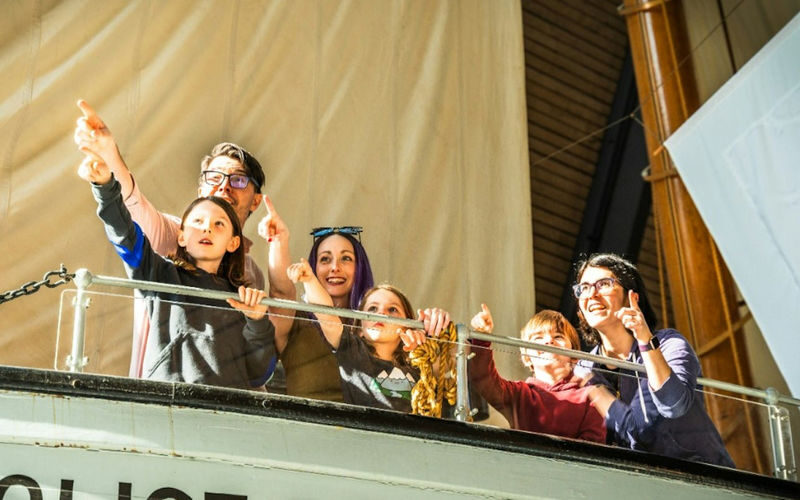
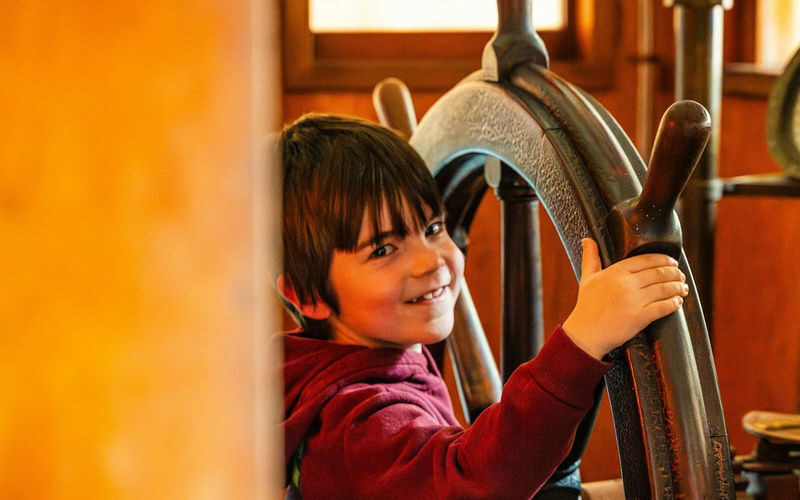
The St. Roch gives the museum its most memorable anchor. Rather than only reading about Arctic exploration from a gallery label, you can board the ship and see the setting for yourself. That shift from looking at an exhibit to standing aboard a historic vessel is a strong reason to come, especially if you are visiting with children who like real ships more than display cases.
The ship also gives the rest of the museum a useful frame. Exhibitions about naval history and aquatic adventures feel less abstract after you have spent time aboard a vessel connected with Arctic expeditions. You are not signing up for a guided sailing trip, though: admission is to the museum and its exhibitions, with access to the St. Roch as a key part of the visit.
Go at a thoughtful pace. Give yourself time to look around the ship and consider how a working vessel differs from a modern museum gallery. The available information does not specify a set route, a guided tour, or particular rooms aboard, so plan to explore at your own speed rather than expect a narrated itinerary.

👉 See our pick of the 9 Best Guided Tours In Vancouver
Find Your Bearings In The Galleries
The museum’s permanent and temporary exhibitions cover Canada’s naval history and aquatic adventures. That range helps keep the visit from feeling like a single-topic ship tour. You can move between larger themes and specific stories, then connect those displays back to the St. Roch and Vancouver’s relationship with the water.
The exhibitions are included with admission, so you do not need to choose between a basic ticket and a separate gallery pass. Temporary displays can change, which makes a return visit potentially different, but no particular current exhibition is specified here. If you have a subject you especially want to see, check the museum’s official website before setting out.
This is a good museum for mixed ages because it offers more than reading panels. Still, it is worth being realistic about what the visit is: a place to explore at your own pace, not a scheduled tour with a guide or a fixed sequence of stops. If you have a child who likes to move quickly, the simulator and ship may help hold attention; if you enjoy reading exhibits, you can spend longer in the galleries.
You can also read our reviews of more tours and experiences in Vancouver



Take The Glacial Simulator For A Test Run
The simulator adds a playful, hands-on note to the museum. It lets you navigate through challenging glacial conditions, bringing an element of decision-making to a topic that might otherwise remain in the realm of maps and explanation. For families, this kind of activity can make the visit feel shared: you can take turns trying it and talk about what makes moving through ice difficult.
Treat it as a short interactive stop rather than the whole reason to visit. The details provided do not say how long a session lasts, whether there is a queue, or what controls the simulator uses. If it is busy, you may need to wait, so leave some flexibility in your schedule and do not plan to arrive at the last minute.
The simulator is especially useful as a contrast to the ship. One part asks you to look closely at a historic vessel; the other gives you a chance to try a digital version of navigation. Together, those experiences help make maritime history feel less distant, while staying grounded in the museum setting.
How Long To Stay And What The Visit Costs
The suggested visit length is one to two hours. That is a sensible range for seeing the galleries, boarding the St. Roch, and trying the simulator without rushing. If your group tends to linger over exhibits or you are visiting with young children, lean toward the longer end. If you have a full day of Vancouver plans, the museum can also work as a compact stop.
Admission starts at US$16.49 for the ticket described here. At that price, the value rests on having several kinds of activity under one admission: permanent and temporary exhibitions, access to the St. Roch, and interactive displays. It is more compelling if you will use the ship and simulator as well as browse the galleries, rather than treating the museum as a quick photo stop.
Children aged zero to five enter free, but they must be accompanied by a paying adult. Students need to show a valid student ID on arrival. Meals, drinks, transport, personal expenses, and gratuities are not included, so factor in your own plans for getting there and what you may want to do afterward.
Reach The Museum At 1905 Ogden Avenue
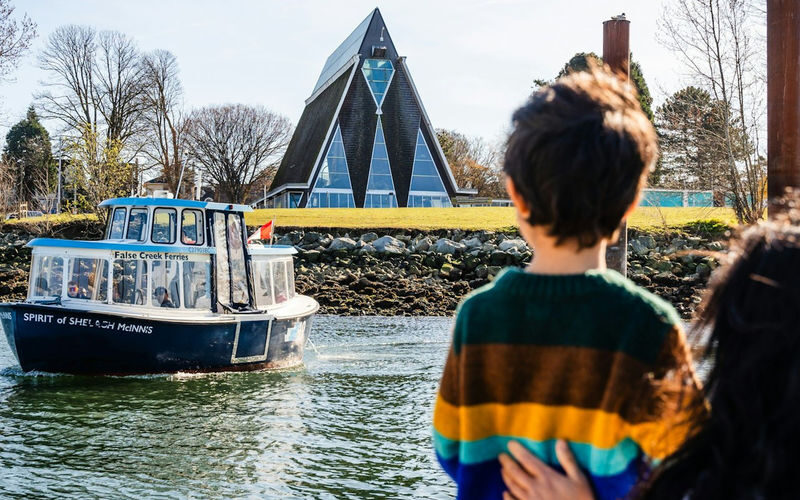
The museum is at 1905 Ogden Ave, Vancouver, BC V6J 1A3, near the waterfront. The False Creek Ferry is the simplest route described: take the ferry to the Maritime Museum terminal, then walk about three minutes. It is a particularly direct option if your plans already include the ferry.
By bus, take route 002 or N22 to Westbound Cornwall Ave at Cypress St, then walk about 11 minutes. If you are driving, turn from Burrard Street onto Cornwall Avenue. From the bridge, turn right; otherwise, turn left. Take the first right onto Chestnut Street and continue into the parking lot as the road curves left. Parking costs and availability are not specified, so check locally if you are relying on a car.
The museum is open Tuesday through Sunday from 10 am to 5 pm, with last entry at 4:30 pm. It is closed Mondays. Statutory holidays are generally 10 am to 5 pm, except Christmas, and the museum is closed on New Year’s Day. Holiday hours can differ: for example, the stated schedule for December 24, 2026 is 10 am to 2 pm, with last entry at 1:30 pm; December 25 is closed; and December 26 is 10 am to 5 pm. Check the official website before you go, particularly around holidays.
Plan For Bags, Access, And A Calm Visit
Backpacks are not allowed in the galleries, and there is no coat check. Visitors may be asked to carry a backpack alongside them, so avoid arriving with a large pack if you can. Re-entry is not allowed once you leave the venue, so make sure you have what you need before entering and plan any food or errands for before or after the museum.
The activity is wheelchair-accessible. For more detailed information about access for people with disabilities, consult the venue’s official website. Sensory kits are available free at the front desk and may include noise-reducing headphones, fidget tools, comfort items, and visual supports. A low-sensory room is available for anyone who needs a quiet moment to rest or decompress.
A visual visitor guide is available online and at the front desk. It may help you plan around busier or louder spaces, find quiet areas, and understand the museum’s access features before you arrive. These practical supports can make the visit easier to tailor to your own needs, rather than forcing everyone in your group to follow the same pace.
You can also read our reviews of more museum experiences in Vancouver





Who Will Get The Most From This Visit
This museum suits families looking for a learning-focused outing with more variety than a traditional gallery visit. The ship provides a tangible focus, while the simulator gives children a chance to interact with the subject. A family can share the same visit while taking different things from it: one person may be drawn to naval history, another to the ship itself, and another to the hands-on activity.
It also works well for anyone curious about Vancouver’s relationship with the sea or Canada’s maritime past. If you like history best when you can see the object connected to the story, the St. Roch is likely to be the main attraction. If you prefer a museum packed with highly specified activities, note that the information here describes the simulator and interactive displays but does not detail how many there are or what each one involves.
One family described the visit as enjoyable and said it helped them learn about local culture and ways of life. That is a useful way to think about the museum’s appeal: it can be a shared outing as well as a history stop. The most reliable plan is to arrive with time to explore, let each person choose a favorite part, and avoid squeezing the visit into the final half-hour before closing.
Should You Book The Vancouver Maritime Museum?
Book if you want an accessible, one-to-two-hour museum visit with a historic ship, maritime exhibitions, and a simulator that gives children something to do beyond reading. The St. Roch is the strongest reason to make the trip, while the galleries and interactive displays add enough variety to round it out.
It may be less suitable if you only have time for a very brief stop, need to carry a large backpack through galleries, or want a guided tour with a named guide and fixed schedule. For most families and anyone curious about Vancouver’s maritime past, the mix of shipboard history and hands-on learning makes the starting price reasonable. Check current opening hours, especially around holidays, and plan your route before you set out.
Vancouver Maritime Museum Ticket
“It was a very happy and enjoyable trip with my family, and we also learned about the local culture and way of life. We'll definitely visit again if…”
FAQ
How long should I plan for the Vancouver Maritime Museum?
Plan on one to two hours. The time you need depends on how long you spend in the exhibitions, aboard the St. Roch, and at the simulator.
What does the admission ticket include?
The ticket includes admission to the Vancouver Maritime Museum and access to its permanent and temporary exhibitions.
Can I board the St. Roch?
Yes. Boarding the St. Roch is a key part of the museum visit and offers a close look at the historic ship associated with Arctic expeditions.
What are the museum’s regular opening hours?
The museum is open Tuesday through Sunday from 10 am to 5 pm. Last entry is at 4:30 pm. It is closed on Mondays.
Are children under six admitted free?
Yes. Children aged zero to five are admitted free, but they must be accompanied by a paying adult.
Is the museum wheelchair-accessible?
Yes, the activity is wheelchair-accessible. The venue’s official website has more information about accessibility for people with disabilities.
Can I leave and return later with the same ticket?
No. Re-entry is not allowed after you leave the venue.