Keong Saik Road’s polished shophouses have a second story: this was once a red-light district, home to women whose lives rarely made it into the history books. This self-guided walk puts those stories at the center, narrated by Charmaine Leung, who grew up here as the daughter of a brothel operator.
I like two things in particular: Leung’s personal connection gives the history an intimate point of view, and the flexible audio format lets you pause for a rest or a meal. The main caveat is the setting itself: traffic, construction, heat, and street noise can make listening harder, so timing and headphones matter.
- At a glance
- Keong Saik Road, beyond the restaurant tables
- Starting by Sri Layan Sithi Vinayagar Temple
- Shophouses with more than one story
- The women behind the district’s history
- A self-guided pace, with practical trade-offs
- Getting the Cinewav audio ready
- What the price buys you
- Who should take this walk
- Should you book the Keong Saik audio tour?
- FAQ
- How long does the audio tour take?
- Where does the tour start?
- Where does the walk finish?
- What do I need to bring?
- Do I need a guide or a set start time?
- Is the tour wheelchair- or stroller-accessible?
- The Best Of Singapore!
- More Tours in Singapore
- More Tour Reviews in Singapore
- Not for you? Here's more nearby things to do in Singapore we have reviewed
At a glance
 1 / 8
 2 / 8
 3 / 8
 4 / 8
 5 / 8
 6 / 8
 7 / 8
 8 / 8
- A local story, told by a local voice: Charmaine Leung recounts the district’s past through her family history and her book, 17A Keong Saik Road.
- Women’s lives come into focus: The tour tells stories of the Ma Je, Pei Pa Zai, and Dai Gu Liong, groups of women often marginalised or forgotten in conventional accounts.
- A short walk with room to linger: The audio lasts about 40 minutes to an hour, and you can pause whenever you want.
- A striking change of scene: The route pairs Keong Saik’s conserved architecture with the district’s shift from red-light precinct to dining and drinking destination.
- Bring your own listening gear: You need headphones and the Cinewav app, where you redeem your ticket before starting.
- Choose your time with care: Late afternoon or evening can be more comfortable than the midday sun, though noise and weather are still part of the deal.

👉 See our pick of the 25 Best Guided Tours In Singapore
Keong Saik Road, beyond the restaurant tables
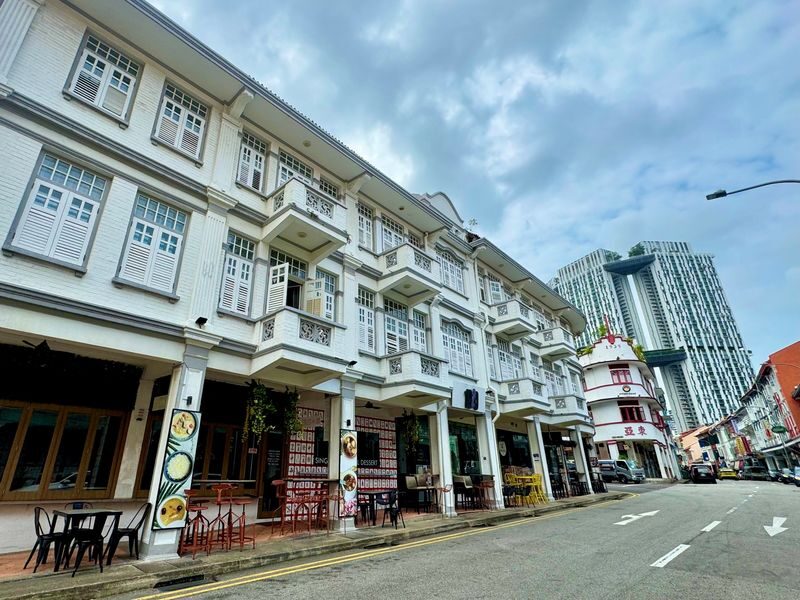
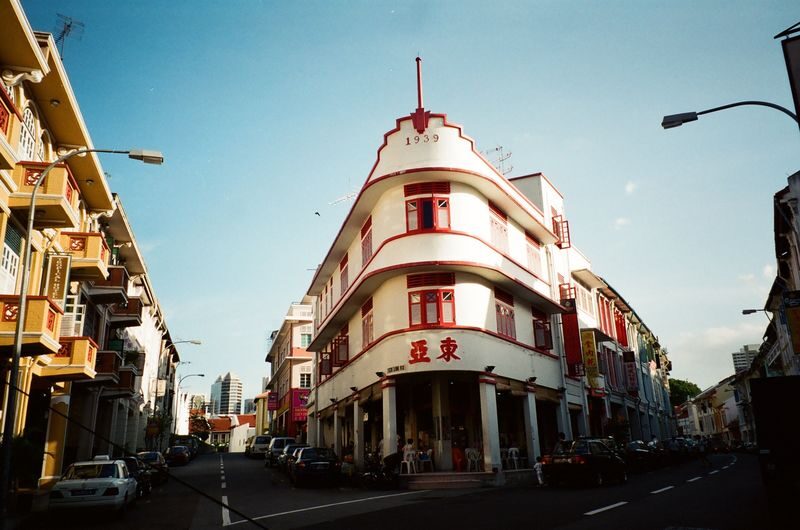
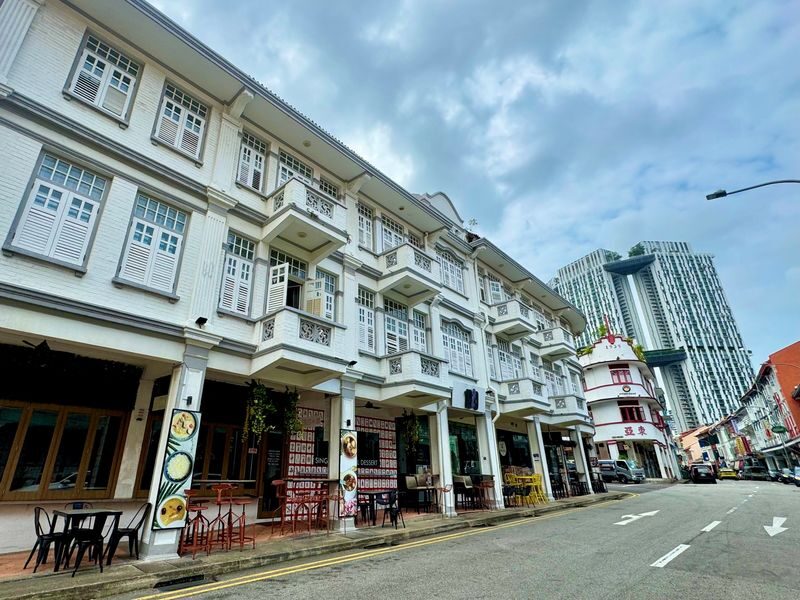
Today, Keong Saik is known for its restaurants, cafés, and bars. Its handsome shophouses make an easy backdrop for an evening out, but the audio walk asks you to look past the present-day menus and notice the history carried by the street.
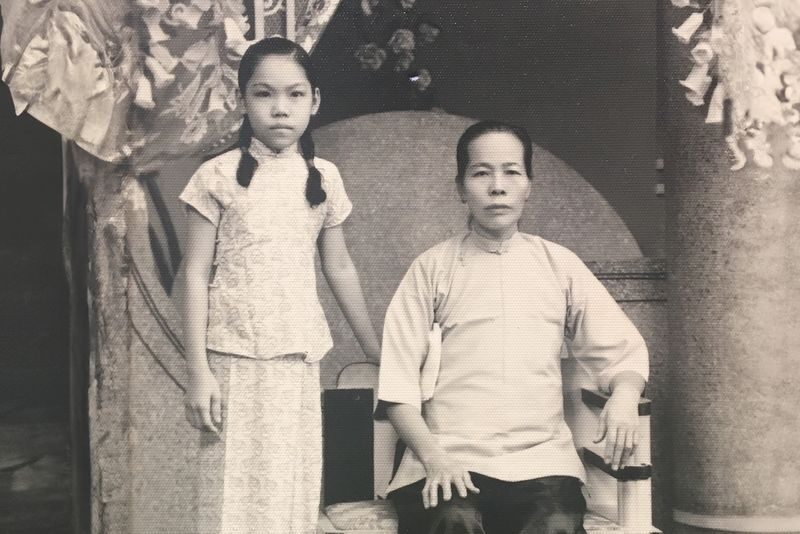
The route traces the area’s transformation from the 1930s, when Leung’s grandmother first settled there, to the present. That family connection is the tour’s anchor. Rather than offering only dates and broad claims, Leung relates the district’s past through the experience of growing up in a household tied to its brothel trade.
That perspective matters. The stories of the Ma Je, Pei Pa Zai, and Dai Gu Liong are about women whose lives were often pushed to the edges of public memory. The tour gives those stories space without requiring you to treat the old precinct as a spectacle. You’re asked to consider the people who lived and worked here, not just the area’s reputation.
The result is a different way to walk a small part of Singapore. You can come for the architecture and leave with a better sense of how one neighbourhood changed, and whose stories were at risk of being left behind.
You can also read our reviews of more tours and experiences in Singapore.



Starting by Sri Layan Sithi Vinayagar Temple
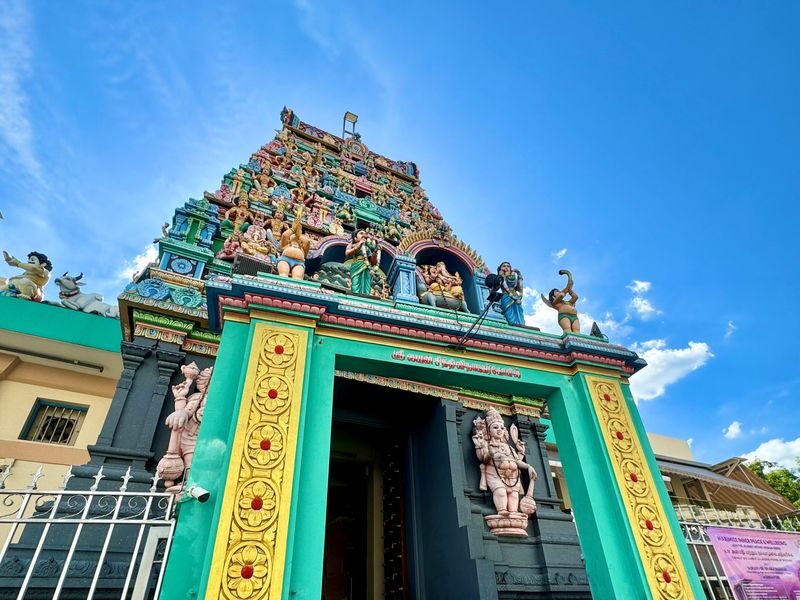
The audio walk begins at the junction of Kreta Ayer and Keong Saik Road, opposite Sri Layan Sithi Vinayagar Temple at 73 Keong Saik Road. This gives you a clear starting point on a busy street, so arrive with your headphones ready and the correct audio ticket unlocked in Cinewav.
You do not meet a guide or join a scheduled group. Instead, Charmaine Leung’s narration leads you through the precinct and gives directions on where to turn or stop. That freedom is useful if you like to set your own pace, but you are responsible for following along and staying aware of the street around you.
The tour is designed for a walk through three streets in the Keong Saik precinct and nearby areas. The experience is not a long trek, but it does involve considerable walking and stairs. Wear comfortable walking shoes, and take care at crossings rather than letting the audio distract you.
The starting point is also where the tour’s themes come into view. You are standing in a contemporary neighbourhood, but the route asks you to imagine its earlier life and read the architecture with that history in mind.
Shophouses with more than one story
One of the pleasures of this walk is the contrast between the buildings you can see and the lives the audio helps you picture. Keong Saik’s architecture is a major part of the experience, and the narration connects it to the area’s past rather than treating the street as a row of attractive façades.
As you move along, you hear about the precinct’s changing character, from its 1930s history to its current dining scene. The old and new sit close together here. That makes the walk especially rewarding if you enjoy learning while looking at the actual streets and buildings under discussion.
This is not a museum visit with objects behind glass. The place itself is the setting, and the audio provides context for what you see. That can make the past feel close, but it also means that present-day conditions are part of the experience. Traffic, construction noise, and other street sounds may compete with the recording.
For the clearest listening, use headphones and keep the volume at a level that still lets you hear your surroundings. If a noisy stretch interrupts the story, pause and continue once you have reached a quieter spot. The app allows you to stop and restart at your own pace.
The women behind the district’s history
The strongest reason to choose this walk is its focus on women who have often been marginalised or forgotten. The tour names the Ma Je, Pei Pa Zai, and Dai Gu Liong, and uses their stories to broaden the way you think about Keong Saik’s past.
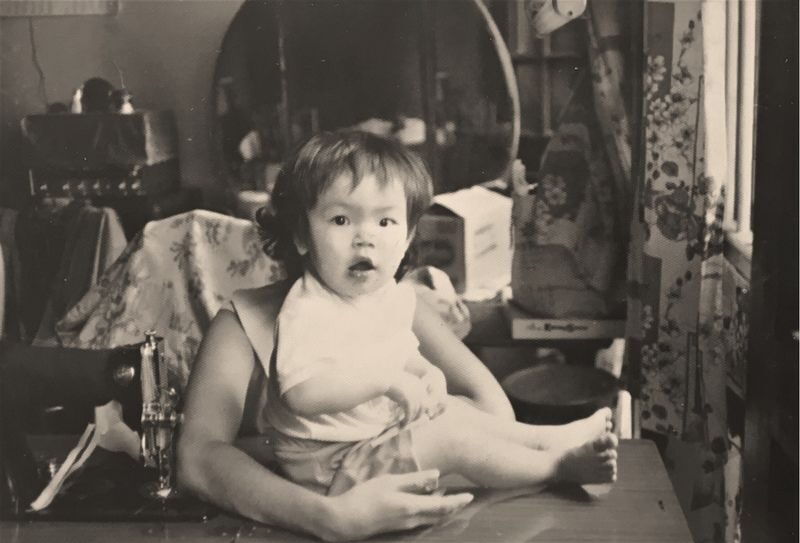
Leung’s own family history gives the narration a personal frame. She grew up on the street as the daughter of a brothel operator, and her book, 17A Keong Saik Road, draws on that experience. The audio route carries that perspective into the neighbourhood, where the buildings become part of a story about family, community, and the lives of women.
The tone is an important part of the appeal. This is not simply a tour of a once-infamous district, nor is it a quick list of colourful anecdotes. Its focus on individual lives gives you a more human way into the subject. Listeners who respond to personal stories may find the account moving, especially when Leung describes family relationships and the limited time she shared with her mother.
That emotional quality will not be the main draw for everyone. If you prefer a guide who can answer questions on the spot or a highly interactive walk, this format may feel quiet and one-way. But if you like a thoughtful story you can absorb at your own pace, the audio’s personal voice is a real strength.
A self-guided pace, with practical trade-offs
The audio runs about 40 minutes to an hour. The route itself is short enough to fit into a half-day of exploring Chinatown and the surrounding area, but there is no need to hurry through it. You can stop for coffee, sit down for a break, or return to the narration when you are ready.
That flexibility makes the tour easy to pair with Keong Saik’s cafés and eateries. You might walk the route before dinner, or pause along the way and continue afterward. Just keep track of the audio so you do not lose your place, and remember that the story works best when you have enough attention to listen.
Time of day can make a noticeable difference. Singapore’s heat can be tiring, and an afternoon walk under strong sun may cut short a route you otherwise have time to enjoy. Consider going later in the day, when the weather may be more comfortable. Bring water, sunscreen, sunglasses, and a hat; the activity runs rain or shine.
The street can also be busy, and construction may affect what you hear or see. These are not reasons to avoid the tour, but they are good reasons to arrive with realistic expectations. It is a walking story set in a living neighbourhood, not a quiet indoor presentation.






Getting the Cinewav audio ready
Before setting off, download the Cinewav app from the App Store, Play Store, or AppGallery. First-time users need to register, then select Untold Stories of Keong Saik Road, choose Unlock Ticket, enter the coupon code sent with the booking confirmation, and tap Get Ticket.
This extra app step is the main bit of friction. If you would rather not install another app for a one-time activity, factor that in before booking. Do the setup before you reach the starting point, and make sure you have headphones. The tour is self-guided, so there is no guide on site to sort out the audio for you.
You can begin at a time that suits you, and the voucher remains valid for 30 days from the booking confirmation date. That window is handy if the weather turns or your plans change. The tour is not wheelchair- or stroller-accessible, and its walking and stairs may not suit anyone who needs an easier route.
What the price buys you
The tour is listed from US$12.95, while the self-guided audio package is also shown from US$19.55. Prices can vary, so check the amount shown for your chosen option before paying. A separate 17A Keong Saik e-book is offered as another package option from US$14.99; it is not the audio tour itself.
At its lower listed price, the audio walk can be good value if you want a focused introduction to the district and are happy to explore without a live guide. You are paying for a specific story and a route through the area, not transport, a group tour, or a guide who can adapt the conversation to your questions.
The value depends on how you like to explore. If you enjoy listening while walking and want room to pause, the self-guided format gives you control over the pace. If you want lively discussion, hands-on activities, or a guide to manage the route, you may prefer a different kind of tour.
The same price applies to all ages, so check the cost for your group before booking. You can cancel for a full refund at least 24 hours before the activity date, based on local time.
Who should take this walk
I’d recommend this tour if you are interested in Singapore’s social history, neighbourhood architecture, or personal accounts that complicate a familiar place. It can also be a good way to show an overseas friend a side of Keong Saik beyond its current food and drink scene. Locals may find the focus worthwhile too, especially if they know the district mainly as it looks today.
It suits independent visitors who are comfortable using an app and walking at their own pace. You can listen alone or with a friend, but a group may need to agree on when to stop and discuss the story. If you are walking together, make sure everyone can hear the audio.
It is a less natural fit if you are short on phone storage, dislike app-based activities, or want a guide to respond to questions. It may also frustrate you if heat, noise, or stairs make outdoor walking difficult. Plan around those limits rather than expecting a smooth, silent route.
Should you book the Keong Saik audio tour?
Book it if you want to hear the district’s past through Charmaine Leung’s family story, and you are willing to bring headphones and follow an app. The personal narration, focus on overlooked women, and striking contrast between old architecture and present-day Keong Saik make this a worthwhile short walk.
Skip it if you want a live guide, a fully accessible route, or a quiet setting. For the best chance of enjoying the story, set up Cinewav before you go, choose a cooler time of day, and leave room to pause when the street gets noisy.
Untold Stories of Singapore’s Red-Light District – Keong Saik Road
“Great experience. Engrossing narration. Really makes history come alive”
FAQ
How long does the audio tour take?
The audio lasts about 40 minutes to an hour. You can pause and continue later.
Where does the tour start?
It starts at the junction of Kreta Ayer and Keong Saik Road, opposite Sri Layan Sithi Vinayagar Temple at 73 Keong Saik Road.
Where does the walk finish?
The stated return point is Duxton Plain Park, behind 17A Keong Saik, near New Bridge Road.
What do I need to bring?
Bring headphones, since they are required for the audio experience. Water, sunscreen, sunglasses, and a hat are also recommended, along with comfortable walking shoes.
Do I need a guide or a set start time?
No. This is a self-guided audio tour, and you may start at a time that suits you after redeeming your ticket in the Cinewav app.
Is the tour wheelchair- or stroller-accessible?
No. The route involves considerable walking and stairs and is not wheelchair- or stroller-accessible.