Uluru after dark offers a different kind of spectacle: instead of watching the rock change color, you look up at a sky largely free of artificial light. With a guide, telescope and time to hear stories attached to the stars, this tour turns a big, quiet sky into something you can start to read.
I like two things here: the guide connects modern astronomy with Aboriginal sky stories, and the included photo gives you a keepsake that is hard to make well on a phone. The main caveat is the weather. Clouds, wind or a bright moon can reduce the view, and the tour details identify Alice Springs as the location while placing the stargazing in Uluru-Kata Tjuta National Park. Confirm your pickup point before paying.
- Sky stories and star-finding: A guide uses a laser pointer to identify stars, planets and constellations.
- Telescope viewing: Depending on the night, you may see the Moon or planets such as Saturn, Jupiter or Mars.
- A night photo included: The team takes a photo of you beneath the sky and provides a digital copy.
- Dark-sky setting: The outing takes you away from artificial light in the national park.
- Transport and park fee: Hotel transfers are included, but the national park entry fee is extra.
- Weather shapes the evening: Clouds, wind and moonlight can change what you see and photograph.
- Uluru after dark: a different kind of visit
- What happens during the two-hour stargazing stop
- The Milky Way, moonlight and the weather forecast
- What the guide adds to the view
- The photo: a useful extra, not the whole reason to go
- Cost, transfers and the park entry fee
- Timing and small preparations that make a difference
- Who should book the Uluru Astro Tour?
- FAQ
- How long does the Uluru Astro Tour last?
- What is included in the price?
- How much is the national park ticket?
- What should I wear?
- Can children join the tour?
- What happens if bad weather cancels the tour?
- The Best Of Alice Springs!
- More Tours in Alice Springs
- More Tour Reviews in Alice Springs
- Not for you? Here's more nearby things to do in Alice Springs we have reviewed
Uluru after dark: a different kind of visit
 1 / 2
 2 / 2
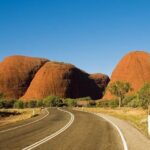
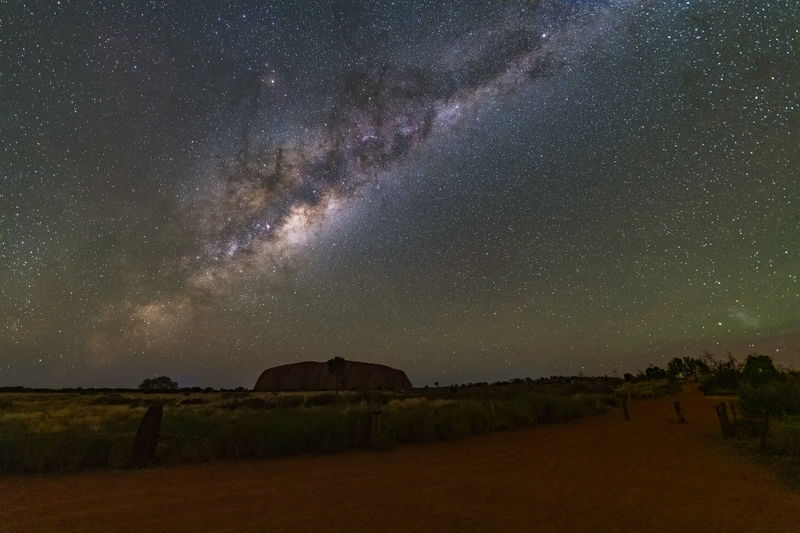
Uluru is famous for its changing color in daylight, but night brings a quieter encounter. Away from artificial light, the sky becomes the main event. The guide helps you make sense of it, pointing out constellations and planets rather than leaving you to guess at every bright speck.
The tour also places the night sky in cultural context. You hear Aboriginal stories about the stars and how they have been used to understand the sky. Uluru is sacred country of the Anangu people, so these stories are part of a living cultural connection, not simply decoration for an astronomy talk.
The experience is a good match if you enjoy learning while you look. If you mainly want a quick photo beneath a starry sky, the guided explanations may feel long. One low-rated account found the two-hour program hard going without a strong interest in stars, while many others valued the detailed commentary. Know your own appetite for a sky lesson before booking.
👉 See our pick of the Best Workshops And Classes In Alice Springs
What happens during the two-hour stargazing stop
The evening begins with a hotel pickup at the time confirmed after booking. The supplied seasonal pickup windows are 20:00 from April through September and 20:30 from October through March. The tour also offers selectable times, including 20:00, 20:15, 20:20 and 20:30, though the available return time depends on your departure choice.
After the transfer, the group spends about two hours at Uluru-Kata Tjuta National Park. The guide uses a laser pointer to show you stars, planets and constellations, and explains how to recognize them. This is more useful than simply being told that the sky is beautiful: you leave with a few landmarks you can identify for yourself.
A telescope adds another layer. Depending on what is visible that night, the targets may include the Moon or planets. Past outings have included views of Saturn, Jupiter and Mars, as well as the Southern Cross and the Jewel Box cluster. No particular object is guaranteed, since the sky and the season determine what is available.
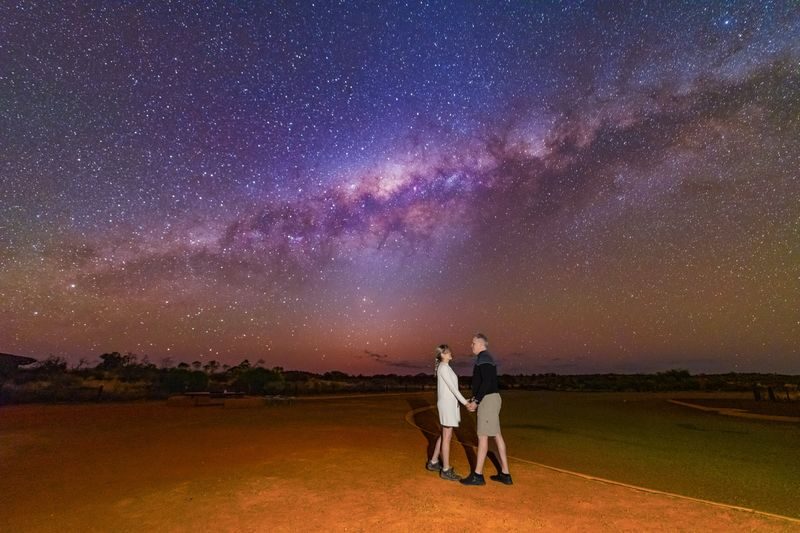
The photo session is a separate part of the evening. The tour includes help taking a photo of you with the night sky and a digital version of the original image. Some outings have produced clear pictures with Uluru and the Milky Way in view; when clouds obscure the stars, the result can be less dramatic. The image is a welcome extra, but it cannot make poor sky conditions disappear.
The order of activities may vary. A few accounts describe photo taking taking up a large share of the visit, leaving less time for the explanation or telescope. If the schedule matters to you, ask the guide what comes next when you arrive, and speak up politely if you would prefer to spend more of the session listening or looking through the telescope.
You can also read our reviews of more tours and experiences in Alice Springs.


The Milky Way, moonlight and the weather forecast
A dark location is a major advantage, but darkness alone does not guarantee a clear view. Clouds can hide stars, and strong wind can make an outdoor session uncomfortable. The operator may cancel because of extreme weather, with a choice to reschedule or request a full refund under the stated terms. Contact the operator if conditions or communication are unclear.
Moon phase matters too. A bright Moon can wash out fainter stars and make the Milky Way harder to see in photographs. It can still be an interesting night for telescope viewing, since the Moon itself may be a striking target. If seeing the Milky Way is your priority, check the lunar calendar when choosing a date, but treat it as one factor, not a promise of clear skies.
Conditions can change quickly in the desert. Bring a warm jacket in winter, and consider long sleeves, long pants and thick-soled shoes to reduce mosquito bites. Blankets and chairs have been provided on some outings, but the essentials are warm layers and clothing you can comfortably wear outdoors.
What the guide adds to the view
The guide is central to the experience. A laser pointer gives you a point of reference, but the stories and explanations help you understand why a pattern of stars matters. Some guides have brought strong astronomy knowledge and a lively approach to explaining both science and cultural stories.
The tour is offered with a Chinese-speaking guide. If you do not speak English, the guide provides a Chinese translation after the English explanation. Some participants have found the language support useful; others have wanted livelier delivery or a better balance between translation, photos and telescope time. The precise guide is not guaranteed. Names associated with past tours include Cullen, Pan, Daniel and Richard, but you should not book expecting any particular person.
The cultural element is worth approaching with care. The tour offers stories connected to Aboriginal understandings of the sky, but it is not described as an Anangu-led cultural tour. If you want a fuller account of Anangu history or culture, treat this as an introduction rather than a substitute for a dedicated cultural experience.
The photo: a useful extra, not the whole reason to go
Night photography is difficult without the right equipment and settings. Having a photographer help you make a portrait under the stars saves you from spending the whole outing trying to balance a phone on a bag. The included digital image is a practical bonus, especially if you want a photo that shows both you and the sky.
Expect the result to depend on the conditions. Clear, dark skies can make the Milky Way more visible; clouds or moonlight can soften the background. The photo has been a highlight for many, but there have also been complaints about image quality and delayed or incorrect download links. Keep the photo link and contact the operator promptly if it does not work.
You can still take your own pictures, but be considerate of other people’s viewing. Bright phone screens can disrupt dark adaptation, and camera lights can be distracting. Keep screens dim and follow the guide’s directions around the photography setup.
Cost, transfers and the park entry fee
The advertised price starts at $111.55, while the join-in option is also shown from US$96.99. Since those figures use different currency formats, check the final checkout price rather than assuming they are directly comparable. The tour also requires a separate national park ticket listed at $38, valid for three days; children under 18 are free, and park prices can change.
For the price, you are paying for transport, a guided astronomy session, telescope access and a photo, not just permission to stand under the stars. That bundle can be worthwhile if you want someone to explain what you are seeing and arrange a portrait. If you are comfortable finding a viewing spot and taking your own pictures, you may prefer to compare other options.
There is an important location detail to settle before booking. The supplied tour information names Alice Springs as the city and gives hotel transfers, while the activity itself takes place in Uluru-Kata Tjuta National Park. Those places are far apart, and the stated two-hour outing does not explain how that transfer works. Confirm that your hotel is within the pickup area and ask the operator to clarify the exact route and total time before you commit.
Group size is listed as one to 30 people. The outing requires no walking, as transfers are by vehicle, which suits anyone who would rather avoid a walking tour. Children aged two to 15 must be accompanied by a paying adult; those aged 16 and over pay the adult rate.
Timing and small preparations that make a difference
The return is to your hotel or personal address, with listed seasonal windows of 22:00 from April through September and 22:30 from October through March. Exact timing depends on the departure you select and the itinerary that night. Arrive 15 minutes early, and use the pickup time the operator reconfirms rather than relying only on a general schedule.
Bring your mobile voucher, which is the required voucher format. Meals, drinks, personal expenses and tips are not included, so eat beforehand if you need dinner. The tour is short enough to fit around an evening plan, but the late finish and outdoor setting make it sensible to keep the rest of the night simple.
The operator says confirmation should arrive within minutes. If it does not, contact customer support. Cancellation at least 24 hours before the activity date qualifies for a full refund under the stated policy; late arrivals and no-shows are not refundable. For weather cancellations, the stated options are to reschedule or request a refund.
Who should book the Uluru Astro Tour?
Book it if you want more than a quick look at the night sky. The strongest reasons are the guide-led star identification, telescope viewing, cultural sky stories and included portrait. It is especially appealing if you are curious about astronomy, traveling with someone who enjoys learning, or keen to take home a night photo without managing all the camera work yourself.
Think twice if you have little interest in astronomy, are uncomfortable in cold or windy conditions, or need a guaranteed Milky Way view. The tour depends on weather and moonlight, and the time spent on photos may reduce time for other activities. I would also confirm the pickup location and final price before booking, given the mismatch between the Alice Springs location details and the Uluru national park setting.
Uluru Astro Tour
“The tour guide was very entertaining, and I learned a lot!”
FAQ
How long does the Uluru Astro Tour last?
The stargazing stop in Uluru-Kata Tjuta National Park is listed as two hours. The pickup and return schedule varies by season and selected departure time.
What is included in the price?
The tour includes round-trip hotel transfers, a guide, telescope-based stargazing and help taking a night-sky photo, with an electronic copy provided. Meals, drinks, tips, personal expenses and the national park entry ticket are not included.
How much is the national park ticket?
The listed fee is $38 for a three-day ticket. Children under 18 are free, and park entry prices may change.
What should I wear?
Wear a warm jacket in winter. Long sleeves, long pants and thick-soled shoes are recommended to help prevent mosquito bites.
Can children join the tour?
Yes. Children aged two to 15 must be accompanied by a paying adult. Children aged 16 and over are charged the adult rate.
What happens if bad weather cancels the tour?
The operator may cancel because of unforeseen events or extreme weather. The stated options are to reschedule or request a full refund.