Phool Batti is rope incense made by hand from natural herbs and sacred plants. In this Budhanilkantha workshop, you learn the process yourself, from blending ingredients to rolling the incense, and hear how the craft connects with spiritual practice and daily life in Nepal.
I like two things in particular: you get to make something with your own hands, and you learn about the tradition behind it rather than simply watching a demonstration. The use of recycled flowers, along with local production by women, gives the craft an added connection to the community.
One thing to weigh is the time and price. The outing takes about four and a half hours including transfers, and its listed prices differ by package, so check the final rate and what it covers before you book.
- What to know before you go
- Making Phool Batti, not just watching it
- The meaning carried in the smoke
- A small workshop with a local story
- Tea, snacks, and time to talk
- The half-day trip from Kathmandu
- Is the price fair?
- Who will enjoy this workshop
- A few practical details before booking
- Should you book it?
- FAQ
- How long does the experience take?
- Where does the workshop take place?
- Are hotel transfers included?
- What will I make during the workshop?
- Can children join?
- What is included in the price?
- The Best Of Kathmandu!
- More Tours in Kathmandu
- More Tour Reviews in Kathmandu
- Not for you? Here's more nearby things to do in Kathmandu we have reviewed
What to know before you go
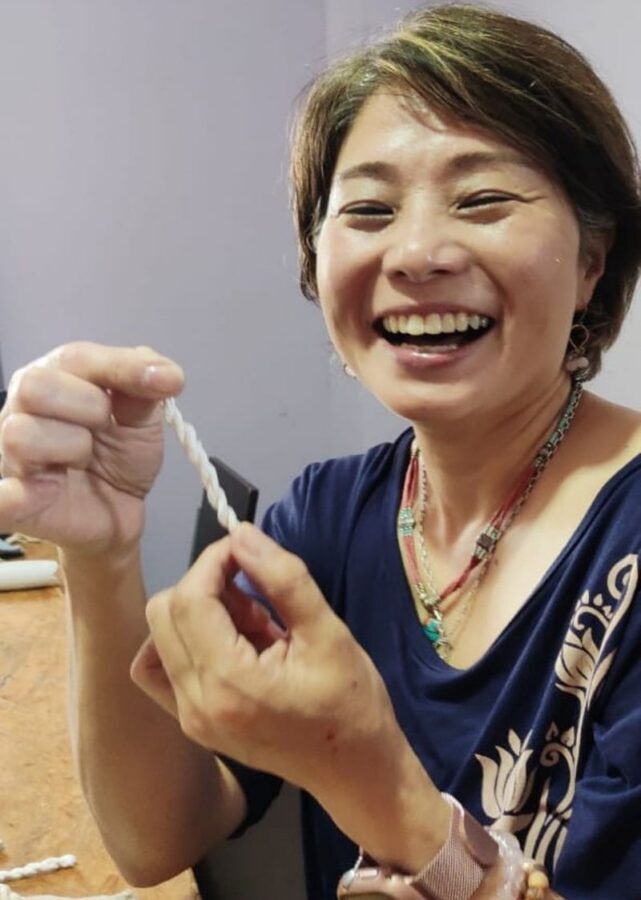
- You make rope incense yourself: The workshop takes you through blending ingredients and hand-rolling Phool Batti.
- The materials have a local connection: The incense uses natural ingredients, Nepalese paper, and, in part, recycled flowers.
- The craft has a spiritual purpose: Phool Batti is associated with purity, cleansing a space, and supporting meditation.
- Tea and snacks are part of the visit: You get a taste of Nepali hospitality alongside the practical lesson.
- You leave with your own incense: Your handmade work is a tangible reminder of the experience.
- The outing takes roughly half a day: It starts with a 9:00 a.m. departure and is scheduled to return around 1:30 p.m., though conditions can affect timing.
👉 See our pick of the 14 Best Shopping Tours In Kathmandu
Making Phool Batti, not just watching it
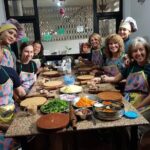
The heart of this experience is the making. Phool Batti is a traditional Nepali rope incense, shaped by hand from natural herbs and plants. Rather than buying a packet and moving on, you learn how the incense comes together: first by blending its ingredients, then by rolling them into rope form.
That hands-on approach matters. A quick demonstration can show you what an object looks like, but trying the steps yourself gives you a clearer sense of the work behind it. You may find the rolling takes more patience than it appears to require. That is part of the appeal: this is a small, deliberate craft, not a factory-style production line.
The material details add another layer. The incense is made with Nepalese paper and local natural ingredients, and part of the material comes from recycled flowers. That reuse gives the process a thoughtful link to the offerings and rituals that are part of religious life in Nepal. The available details do not specify every ingredient or the exact recipe, so treat the session as an introduction to the craft rather than a complete technical course.
The instructor teaches the method with care and patience, which is useful if your first attempt is uneven. You do not need prior crafting experience, and the activity has no age limit. Still, it is worth bringing a little patience of your own: hand-rolling asks you to slow down and follow the process.
You can also read our reviews of more tours and experiences in Kathmandu.


The meaning carried in the smoke
Phool Batti is more than a pleasant scent. Its smoke is associated with purity, spiritual connection, and cleansing a space. People use it to invite positivity and support meditation, making incense part of everyday practice as well as religious observance.
The workshop puts those meanings alongside the physical work. As you mix and shape the materials, you hear how this tradition connects mindfulness with ordinary routines. That context helps explain why a simple rope of incense can carry more significance than a souvenir bought at a shop.
There is a practical limit to what a short visit can cover. In four to four and a half hours, you can learn the basics and ask questions, but you should not expect a full study of Nepali religious traditions or the entire incense trade. The value is in getting a focused introduction and the chance to ask about the craft while you are making it.
A small workshop with a local story
One detail I find especially worthwhile is the role of local women in making the products. Their work provides income, and the craft helps support a local livelihood. That does not turn a workshop into a broad community tour, but it gives your purchase and participation a direct connection to the people who keep the tradition going.
The use of recycled flowers also makes the making process more interesting. Instead of treating the materials as anonymous ingredients, you can consider how something used in a ritual can take a second form as incense. It is a modest example of reuse, with cultural meaning attached.
You will have time for cultural stories and questions, so bring the things you are genuinely curious about. You might ask how the ingredients are chosen, how the incense is used at home, or what makes rope incense different from other forms. The supplied details do not name the instructor, so you cannot count on meeting a particular guide by name.
Tea, snacks, and time to talk
Traditional Nepali tea and snacks are included. They provide a natural pause in a morning built around learning and making, and they give you a chance to continue the conversation rather than rushing straight from one step to the next.
Do not assume the snack menu, tea type, or serving style in advance; those details are not specified. If you have dietary needs, ask the operator before booking rather than relying on an unlisted option. The experience includes snacks, but it does not promise a full meal.
This is a good fit if you like cultural activities that involve doing something, but it may not be the right choice if you want a packed sightseeing route. The main event is one craft in one location. You are paying for instruction, materials, conversation, refreshments, and transport, not a string of monuments.
The half-day trip from Kathmandu
The outing departs from Kathmandu at 9:00 a.m. and heads to Budhanilkantha, where the guided workshop takes place. Round-trip transfers to and from your hotel are included, and the return is scheduled for about 1:30 p.m. That makes the experience easier to fit into a short stay than a full-day excursion.
The timing is not perfectly consistent across the details: the experience is described as four hours in one place and four hours 30 minutes elsewhere, while the departure and return times span four and a half hours. I would plan around the longer window and keep the rest of your day flexible. Traffic and weather can change the schedule.
Pickup time is confirmed in advance by the operator. Have your hotel or personal address ready when arranging it, and check the confirmation for the exact meeting details. The pickup and return arrangement is especially useful if you would rather not sort out transport to Budhanilkantha on your own.




Is the price fair?
The experience is shown at a starting price of US$95.89, while the private-group package is also shown from US$72.50. Those figures do not match, so treat them as package-dependent rather than assuming either one is the final price. Check the rate for your date, party, and selected package before paying.
To judge the value, think beyond the incense you take home. The price includes a guided lesson, English-speaking staff, snacks, admission, and round-trip hotel transfers. You also get cultural context and time to make the incense yourself. For someone who values a small, practical cultural encounter, that bundle can justify more than the cost of a shop-bought souvenir.
The value is less compelling if you are mainly looking for transportation or a meal, or if you prefer a broad sightseeing tour. This experience is specialized. Its payoff is the close look at one traditional craft and the chance to take part rather than simply observe.
The private-group option may suit you if you want to take the workshop with your own party. The available information does not say how many people can join or whether the instructor changes the session for different group sizes, so confirm those points if they matter to your plans.
Who will enjoy this workshop
I would choose this activity if you are curious about Nepali traditions, enjoy learning by doing, or want a quieter counterpoint to temple visits and city sightseeing. It also suits families and mixed-age groups in principle, since there is no age limit, though young children may need help with the hand-rolling.
It is a particularly good choice for visitors who like to bring home something they made themselves. The finished incense has a story attached to it: natural ingredients, recycled flowers, local women’s work, and a role in spiritual practice. That makes it more personal than a generic souvenir.
You may want to skip it if your schedule is tight, if you are not interested in crafts, or if you need a precisely timed return. It is a half-day commitment, and traffic or weather can shift the schedule. There is also no insurance included, so consider your own cover when planning activities in Nepal.
A few practical details before booking
The activity is offered by Maya Trips Private Limited and includes English-speaking guidance and staff. The voucher is valid only for the date and time booked. Changes are generally permitted up to 24 hours before the activity, but some booking types have restrictions; check the conditions attached to your specific reservation.
Cancellation at least 24 hours before the activity date, in Nepal local time, qualifies for a full refund. Tips, gratuities, insurance, and personal expenses are not included. Keep the pickup confirmation handy, and leave some breathing room after the scheduled return.
Should you book it?
Book this workshop if you want to understand a Nepali craft by making it, and if the combination of cultural explanation, natural materials, local production, tea, and a handmade keepsake appeals to you. The careful, patient instruction and the recycled-flower detail give the visit more substance than a simple craft demo.
Pass if you want a full day of sightseeing or need a fixed schedule. Before you commit, confirm the package price, pickup details, and timing. If those fit your plans, this is a thoughtful half-day choice for taking home more than a souvenir: you leave with a better sense of how a small daily object can carry cultural meaning.
Kathmandu: Traditional Incense Crafting Experience
“The itinerary was wonderful! There was very attentive service throughout, and the instructor taught with great care and patience. It gave my trip t…”
FAQ
How long does the experience take?
Plan for about four and a half hours. The scheduled outing departs at 9:00 a.m. and returns around 1:30 p.m., though traffic and weather may affect the timing.
Where does the workshop take place?
The workshop is in Budhanilkantha, Nepal. The outing departs from Kathmandu.
Are hotel transfers included?
Yes. Round-trip transfers to and from your hotel are included, and the operator confirms your pickup time in advance.
What will I make during the workshop?
You will learn to make Phool Batti, a traditional rope incense, by blending ingredients and hand-rolling the incense.
Can children join?
The activity has no age limit.
What is included in the price?
The package includes admission, an English-speaking guide and staff, snacks, and round-trip hotel transfers. Personal expenses, tips, gratuities, and insurance are not included.