A Chiang Mai market visit followed by cooking in a family home gives this class its particular appeal. With Oun and Gae guiding you, you’ll see the herbs and sauces behind Thai flavors, then prepare dishes yourself rather than simply watching a chef work.
I like two things especially: the chance to choose different dishes, even when you come with friends, and the practical, patient instruction that makes unfamiliar ingredients less intimidating. The meal is part of the lesson, too, so you get to taste each dish while it is fresh.
One consideration: the class takes place at a home kitchen, not a polished, air-conditioned cooking studio. The cooking area may be hot, especially in humid weather, and the portions add up quickly. Come hungry, but not after a large meal.
- What to know before you book
- From Chiang Mai market to the cooking table
- Cooking at Oun and Gae’s home
- What you cook, and how much you eat
- What you’ll take home beyond the recipes
- The cost and what it buys you
- Who will get the most from this class
- Should you book the Chiang Mai cooking class?
- FAQ
- Where does the cooking class take place?
- Is the class offered in the morning or evening?
- Is hotel pickup included?
- What happens during the market visit?
- How many dishes will I cook?
- Can people in the same group choose different dishes?
- How long should I allow?
- Is the cooking area air-conditioned?
- The Best Of Chiang Mai!
- More Shopping Tours in Chiang Mai
- More Tours in Chiang Mai
- More Tour Reviews in Chiang Mai
- Not for you? Here's more nearby things to do in Chiang Mai we have reviewed
What to know before you book
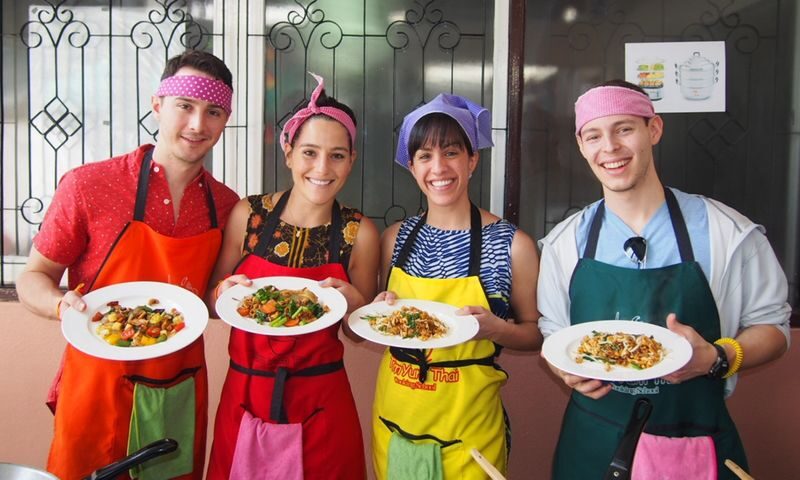
- The market is a lesson in ingredients: Look, smell, and learn about the herbs, vegetables, fruits, and seasonings used in the dishes.
- You do the cooking: Expect hands-on preparation, including chopping, seasoning, and cooking, with step-by-step help from the host.
- The meal can be substantial: Several dishes are made and eaten during the class, often including mango sticky rice.
- Friends can choose different dishes: The class can accommodate different selections within the same group.
- The home setting is personal, not fancy: Cooking and eating areas are arranged for the class, but the cooking space may be warm.
- Pickup is available within Chiang Mai: If your lodging is outside the pickup area, you may need to make your own way to the meeting point.
👉 See our pick of the 25 Best Shopping Tours In Chiang Mai
From Chiang Mai market to the cooking table
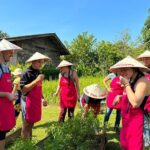
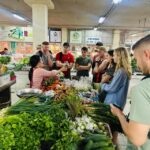
This is a class with two useful parts: first, a short introduction to the ingredients at a local market; then a hands-on session at the host’s home. The market visit gives context to what follows. Instead of meeting Thai herbs and sauces only as chopped ingredients on a plate, you can see and smell them before they go into the pan.
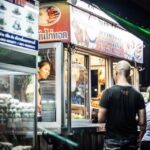
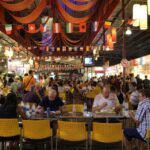
The market is described as a local shopping spot, rather than a staged attraction. You’ll be shown ingredients used in the dishes you’ll cook, including herbs, vegetables, fruit, and seasonings. This can make a real difference if Thai food is familiar to you only as a menu item. Galangal, lemongrass, or a particular curry seasoning becomes easier to recognize when you’ve handled or smelled it.
Allow for a relatively brief market stop. One account describes about ten minutes of free time there, alongside the host’s explanations. So think of it as an introduction, not a long market tour with time to browse every stall. If you enjoy seeing how local markets work, this is a welcome taste of everyday life. If you’re expecting a full morning of shopping or a detailed food-history walk, the cooking lesson is the main event.
The market also helps explain why Thai dishes balance several tastes at once. During the class, Oun and the other instructors explain how ingredients contribute sweet, sour, salty, and spicy notes. That knowledge is more useful than simply memorizing a recipe: it gives you a framework for adjusting a dish later, when you’re cooking at home with slightly different ingredients.
You can also read our reviews of more shopping tours in Chiang Mai

Cooking at Oun and Gae’s home
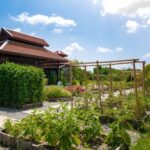
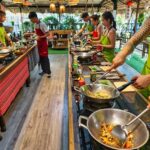
After the market, the class moves to a family home near the city center. The setting is an important part of the character here. It is not a grand farm kitchen or a restaurant-style classroom. It is a small, personal operation, with separate spaces for ingredient preparation, cooking, and eating.
That layout helps the class run smoothly. Ingredients and equipment are prepared for the dishes, while the cooking area is kept apart from the prep space. You’ll take off your shoes before going inside, then settle in for a lesson that feels closer to being welcomed into a home than attending a formal demonstration.
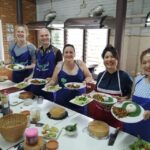
Oun is described as cheerful, patient, and funny, with Gae helping to host and teach. Their warm manner matters if you’re a beginner. You don’t need to arrive with knife skills or confidence around a wok. The instruction breaks the process into manageable steps, from identifying ingredients and cutting vegetables to preparing seasoning and cooking the dish.
English instruction is available, and the hosts are described as clear communicators. You can ask questions about flavor, ingredients, or methods as you work. The class also appears suited to mixed-experience groups: confident cooks can focus on the details behind Thai flavors, while beginners can follow each step without feeling hurried.
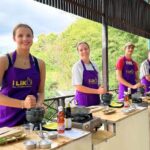
The cooking space may be outdoors and is not necessarily air-conditioned. Fans are used, but in hot or humid weather the kitchen can feel warm. An air-conditioned van may be used for transport, but don’t assume the cooking itself happens in a cool indoor room. Dress for heat and choose comfortable clothing you won’t mind wearing while you cook.
What you cook, and how much you eat
The menu depends on the selections available for your session. Dishes mentioned include Tom Yum Goong, Pad Thai, Pad See Ew, papaya salad, curry, spring rolls, and Khao soi. Mango sticky rice is often included, and some classes add a fruit snack or other small taste at the beginning.
Several people describe making around five dishes, with the group choosing from options. The precise count and menu may vary, so check the current choices when booking rather than assuming every named dish is included. One advantage is that people in the same group can sometimes pick different dishes. That makes the meal more varied and gives you a chance to compare recipes.
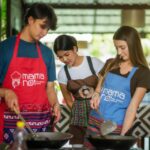
The food is made from scratch, and you take an active role in preparing it. This is not a demonstration where you watch the chef handle every step. You’ll chop and prepare ingredients, follow the cooking process, and adjust flavors to suit your taste. The hosts guide you along the way, which helps keep the food approachable even if you’ve never cooked Thai dishes before.
Then comes the best test of any cooking class: eating. You usually taste a dish soon after making it, while it is still hot, before moving on to the next. That format is enjoyable, but it also means the meal builds course by course. Portions can be generous, and even people who arrive hungry can feel full before reaching the last dish.
So take the most practical advice to heart: don’t eat a big meal beforehand. You may also want to pace yourself. If you have a favorite dish, ask questions while you make it, but leave room for the later courses and dessert.
What you’ll take home beyond the recipes
A good cooking class should leave you with something you can use after the holiday. Here, that means learning how ingredients work together, not just copying a list of quantities. Oun’s explanations cover preparation, knife work, seasonings, and the character of different ingredients. That can make the recipes less daunting once you’re back in your own kitchen.
Some participants receive a recipe book, which is a helpful bonus if you want to recreate the dishes. It’s not safe to assume that every session includes the same take-home item, but recipe materials have been provided in some cases. A few classes also include small gifts for children.
The hosts’ willingness to answer questions is another practical strength. You can ask why a seasoning is used, how flavors should balance, or how to adapt a dish. One account describes a vegetarian adjustment, including a version without alliums and with less spice. That suggests some flexibility, but if you have dietary restrictions, contact the school before booking and confirm what can be accommodated.
The cost and what it buys you
The listed price starts at US$32.59, while the morning or evening class option is also shown from US$29.65. Those figures do not match, so check the price displayed for your chosen date and package before you book. Either way, this is more than a short cooking demonstration: the value comes from the market introduction, guided preparation, several dishes to eat, and the hosts’ time.
Hotel pickup and drop-off are available within the city, which can make the outing easier to manage, particularly if you’re unfamiliar with Chiang Mai or don’t want to arrange separate transport. The service is limited to the city pickup area. If your accommodation is outside it, you may need to reach the meeting point yourself. Some participants have arranged their own return transport or had the host help arrange a taxi, but treat that as a helpful possibility rather than a guaranteed service.
The class is described as small, with a maximum of about ten people in one account. Small groups allow the instructor to give individual help and keep the meal personal. Sometimes a class may be smaller still, though you shouldn’t count on having a private lesson unless that is confirmed.
You can also read our reviews of more tours and experiences in Chiang Mai

Who will get the most from this class
I’d recommend this experience if you like food and want to understand how Thai flavors are built, not merely sample another restaurant meal. It is especially appealing for first-time cooks, couples, friends, and families with children old enough to take part in a hands-on activity. Families have brought children as young as eight or nine, and the hosts have been described as patient with them.
It also works well for a group with different food interests. Because people can select different dishes, you may be able to cook a wider range of food together. And if you’re traveling solo, the shared table and small-group format offer an easy way to spend a few hours with other food-minded people.
This may be less suitable if you want a cool, highly polished studio, a long market excursion, or a quick activity that ends before you’ve eaten a full meal. The home kitchen is informal, and the cooking space can be warm. The class can also take several hours: some accounts describe spending about five hours from the market visit through cooking and eating. Treat that as a useful planning estimate, not a fixed duration.
Should you book the Chiang Mai cooking class?
Book it if you want a personal, hands-on introduction to Thai food and don’t mind spending much of the session cooking and eating. The market visit gives ingredients a real-world context, while the home setting and patient teaching make the class feel personal. Its strongest value is the combination of practical instruction and a substantial meal.
Before you commit, confirm the current price, pickup coverage, menu choices, and any dietary needs. Go with an appetite, wear light clothes, and leave room for mango sticky rice. If those details suit your plans, this is a strong choice for a food-focused day or evening in Chiang Mai.
Home Cooking Class with Market Tour in Chiang Mai by Tom Yum Thai
“I took my first cooking class in Chiang Mai! There are so many different Thai cooking classes available, so I looked through various reviews on Klo…”
FAQ
Where does the cooking class take place?
The experience is in Chiang Mai. After a visit to a local market, the class moves to the hosts’ home, which is near the city center.
Is the class offered in the morning or evening?
The available package is listed as a morning or evening cooking class. Check the booking option for the session time you want.
Is hotel pickup included?
Pickup and drop-off are available within the city. If your accommodation is outside the pickup area, you may need to make your own way to the meeting point.
What happens during the market visit?
You visit a local market and learn about ingredients used in the dishes, including herbs, vegetables, fruit, and seasonings. The visit is an introduction rather than an extended market tour.
How many dishes will I cook?
The class commonly involves several dishes, with some sessions described as making five. The exact number and menu can vary according to the available selections.
Can people in the same group choose different dishes?
Yes. The class allows people in one group to select and prepare different dishes, subject to the choices offered for the session.
How long should I allow?
Some accounts describe the full experience as taking about five hours, including the market, cooking, and eating. The supplied information does not give a fixed duration, so allow several hours.
Is the cooking area air-conditioned?
The home cooking area may not be air-conditioned. One account describes an outdoor cooking space with fans, so expect it could feel warm, especially in humid weather.