The best part of this Ho Chi Minh City class is its deliciously practical menu: you make fresh spring rolls, grilled-pork banh mi and banana coconut dessert, then sit down to eat what you have prepared. It is a direct, friendly introduction to Vietnamese cooking, not just a demonstration from the sidelines.
I like that each participant gets a personal cooking station and that the class is built around recipes you can try again at home. I also like the mix of savory dishes and a sweet finish, with an English-speaking chef explaining ingredients and techniques as you work.
One consideration: this is a city cooking class, not a market walk, and transport is not included. You need to reach the address yourself and arrive ten minutes early. The afternoon runs about two and a half hours, so it works best when you have room in your day.
- The useful details at a glance
- What you make at Saigon Cooking Class
- A class where you get your own station
- English-speaking chefs make the recipes easier to follow
- Fresh ingredients, with a useful note about the market
- A 14:00 start and a 16:30 finish
- Is the price good value?
- Who should book this class?
- Should you book it?
- FAQ
- How long does the cooking class last?
- Where does the class meet?
- What dishes will I cook?
- Is the class suitable for beginners?
- Is the class taught in English?
- Are ingredients and drinks included?
- Do I receive the recipes afterward?
- Can the class accommodate dietary needs?
- What is the minimum age?
- Is transport included, and when should I arrive?
- More Food & Drink Experiences in Ho Chi Minh
- More Tours in Ho Chi Minh
- More Tour Reviews in Ho Chi Minh
- Not for you? Here's more nearby things to do in Ho Chi Minh we have reviewed
The useful details at a glance
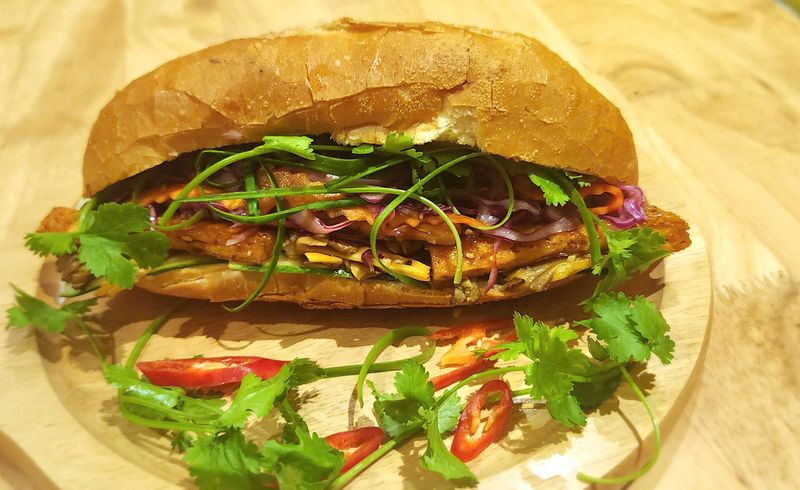
- Three dishes, one full meal: Make goi cuon fresh spring rolls, banh mi with grilled pork, and chè chuối, a banana and coconut dessert.
- You do the cooking: Each participant has a personal station, with hands-on tasks such as preparing ingredients, pan-frying pork, and toasting bread.
- Local ingredients, no MSG: The class uses fresh ingredients sourced from traditional markets and states that no MSG is used.
- English-speaking instruction: Chefs explain the steps and ingredients in fluent English. Instructors who have led classes include Oanh and Chef Vivian.
- A practical afternoon plan: The session is scheduled for 14:00 to 16:30 at Saigon Cooking Class in Ben Thanh Ward.
- Recipes to take home: Vietnamese iced tea is included, as is a digital recipe booklet for cooking the dishes again.
What you make at Saigon Cooking Class
This class focuses on three dishes that show different sides of Vietnamese home cooking. Fresh spring rolls are cool and light, banh mi brings crisp bread and grilled pork into the picture, and chè chuối gives you a sweet coconut-based finish. Together, they make a more rounded meal than a class built around one recipe alone.
The spring rolls are called goi cuon. You prepare fresh ingredients and learn how to assemble the rolls, a useful skill to bring back to your own kitchen. The format also gives the chef a chance to explain the ingredients and basic techniques as you work, rather than asking you to memorize a recipe without context.
The banh mi is made with grilled pork. The class includes pan-frying the pork and toasting the bread over a stove, so you get to handle the parts that give the sandwich its cooked, savory elements. Banh mi varies from shop to shop in Vietnam, and this version is a class recipe rather than a guided tour of the city’s sandwich stalls. That is a worthwhile distinction: you learn how to make one version yourself, not how to compare vendors.
The final dish, chè chuối, is a banana and coconut dessert. One detail to keep in mind is that coconut-based sweets can be unfamiliar if you do not often eat them. It is part of the menu, so approach it with curiosity rather than expecting a Western-style pudding.
You can also read our reviews of more food & drink experiences in Ho Chi Minh


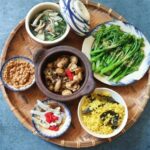
A class where you get your own station
A personal cooking station matters. You are not only watching a chef prepare food at the front of the room; you have space to take part in the steps yourself. The tasks described include cutting ingredients, juicing coconut meat, pan-frying pork, and toasting the banh mi bread.
Those are approachable jobs, which makes this a good pick if you have little or no cooking experience. The point is not to test your knife skills or turn you into a restaurant chef in one afternoon. Instead, you learn a few clear methods and see how the pieces of each dish come together.
The pace should suit a mixed group of beginners and keen home cooks. A more experienced cook may find some steps basic, but the chance to learn the dish’s key points and ask about ingredients can still be useful. If you want advanced techniques or a long menu, this is not that kind of class.
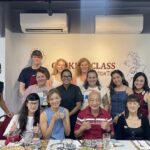
The room is described as clean and air-conditioned, a practical comfort in Ho Chi Minh City. Class size is kept small for a more personal atmosphere, though the exact number of participants is not specified. Depending on how many people book, you could share the room with other cooks or find yourself in a very small group.
English-speaking chefs make the recipes easier to follow
The class is led by Vietnamese chefs who speak English fluently. That is more than a convenience: clear instructions help you understand what an ingredient is doing and how to repeat a step at home. The chefs also share traditional techniques, family recipes, and cultural details while you cook.
Oanh and Chef Vivian are names associated with sessions, and the teaching style is described as cheerful, patient, and clear. The exact instructor may vary, so do not book on the assumption that one named chef will lead your class. What matters most is that English-language instruction is included.
The social side is a bonus. Cooking beside other people gives you natural chances to chat while you prepare food, and solo participants can join without needing to bring a partner. Families with older children may find the shared tasks a fun way to spend an afternoon together.
Children must be at least seven years old to take part. If you are traveling with someone who is not booked into the class, do not assume they can sit in the room and watch. The class is for participants, and an unbooked companion may need to wait nearby instead.
Fresh ingredients, with a useful note about the market
Ingredients are fresh and locally sourced from traditional markets. That connection is valuable: Vietnamese cooking depends on fresh produce and well-chosen components, and working with them helps you understand the dishes beyond a printed recipe.
But the schedule does not include a market visit. You meet at Saigon Cooking Class and cook there, so this is not the right choice if your main goal is to walk through a market with a guide and shop for ingredients. Think of the market connection as part of how the class sources its food, not as a stop on the itinerary.
The class also states that it uses no MSG. That may matter if you are attentive to ingredients, though you should still discuss any allergy or dietary need before the session. Halal-certified, vegetarian, and vegan requirements, as well as allergies, can be accommodated.
If you have a strict dietary requirement, be specific when arranging the booking so the kitchen can plan the menu. A vegetarian adjustment has been made in the past, but the class’s standard menu includes grilled pork, so do not assume every dish will be unchanged for a dietary alternative.
A 14:00 start and a 16:30 finish
The afternoon class starts at 14:00 and is scheduled to finish at 16:30. It takes place at Saigon Cooking Class, 80/1 Nguyen Trai Street, Ben Thanh Ward, Ho Chi Minh City. Plan your own transport: hotel pickup, drop-off, and transport are not included.
Arrive at least ten minutes before the start time. Latecomers and no-shows are not eligible for a refund, so leave a margin for city traffic and finding the entrance. The schedule can change with traffic or weather, though the class itself is held at the cooking school.
The two-and-a-half-hour timing is convenient if you want a structured afternoon activity without giving up the whole day. You will cook and eat three dishes, so it is wise not to plan another large meal immediately afterward. Vietnamese iced tea is included to enjoy with your food.
You can also read our reviews of more tours and experiences in Ho Chi Minh


Is the price good value?
The package is listed from US$21.25, while the experience summary gives a starting price of US$23.35. Prices can vary by booking details, so check the final total before paying. At either starting figure, the value comes from the combination of three dishes, ingredients, English-language instruction, a personal station, iced tea, and take-home digital recipes.
This is not simply a meal at a restaurant. You spend the afternoon learning how to prepare food, and the recipe booklet gives you a way to use that experience later. If you make the dishes at home, the value continues after your Vietnam trip.
On the other hand, someone looking only for a cheap lunch may prefer to buy banh mi from a local shop. You are paying for instruction and participation as well as the food. The class makes the most sense if you enjoy cooking, want a cultural activity, or like the idea of taking a few Vietnamese recipes home.
Who should book this class?
I would recommend it to first-time cooks, food-focused visitors, and anyone who wants a relaxed, hands-on afternoon in Ho Chi Minh City. You do not need prior cooking knowledge, and the menu gives you a clear taste of several familiar Vietnamese dishes in one session.
It also suits solo participants. You can book on your own and cook alongside others, rather than needing to assemble a group. Families with children aged seven and up may enjoy the shared activity, especially if everyone is happy to take part rather than watch from the side.
It is less suited to anyone seeking a market tour, transport from a hotel, or advanced culinary training. The session stays focused on three accessible dishes at the cooking school. That focus is a strength if you want recipes you can realistically recreate, but a limitation if you expect a broad survey of Vietnamese cuisine.
Should you book it?
Book this class if you want to cook, eat, and leave with recipes rather than spend the afternoon watching a demonstration. Its strongest points are the personal workstations, friendly English-speaking instruction, and three-dish menu, which moves from spring rolls to grilled-pork banh mi and coconut dessert.
Before you commit, check the price at checkout, plan your own ride to 80/1 Nguyen Trai Street, and arrive early. If you need a vegetarian, vegan, halal-certified, or allergy-aware menu, arrange that in advance. With those details sorted, this is a practical, good-value way to make a few Vietnamese favorites your own.
The Street Food Classics Cooking Class: Banh Mi and beyond
“I have zero knowledge in cooking but they made it look so easy!! Lived in vietnam for 6 months and this is definitely one of the BEST highlights ev…”
FAQ
How long does the cooking class last?
The class is scheduled from 14:00 to 16:30, a total of two and a half hours.
Where does the class meet?
It meets at Saigon Cooking Class, 80/1 Nguyen Trai Street, Ben Thanh Ward, Ho Chi Minh City.
What dishes will I cook?
You will make fresh spring rolls, banh mi with grilled pork, and banana coconut dessert, known as chè chuối.
Is the class suitable for beginners?
Yes. You do not need prior cooking experience, and the instructor guides participants through the recipes.
Is the class taught in English?
Yes. English-speaking staff and a fluent English-speaking instructor are included.
Are ingredients and drinks included?
Fresh ingredients are included, and the class states that no MSG is used. Traditional Vietnamese iced tea is also included.
Do I receive the recipes afterward?
Yes. A digital recipe booklet is included so you can recreate the dishes at home.
Can the class accommodate dietary needs?
The activity can accommodate halal-certified, allergy-related, vegetarian, and vegan requirements. Share your needs when arranging your booking.
What is the minimum age?
Participants must be at least seven years old.
Is transport included, and when should I arrive?
Transport and hotel pickup or drop-off are not included. Arrive at the meeting point ten minutes before the 14:00 start time.