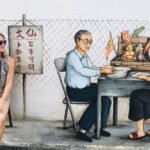
Tea Chapter turns a tea tasting into a small lesson in Singapore’s past. In a three-storey Chinatown shophouse, you hear about the history of 9 Neil Road, learn how tea traditions developed, and practise brewing three Chinese teas yourself.
I like two things in particular: the hands-on brewing, which makes the tasting more than a lecture, and the chance to connect tea with the story of the building and Singapore. The tea-braised egg and biscuits also make the session feel like a proper pause in the day, not just a sequence of cups.
One practical catch: the teaching room is upstairs, and some seating is on floor cushions. If stairs or sitting low are a problem, contact Tea Chapter before booking. Groups can reach 20, so a full session may feel less intimate than the calm setting suggests.
- Key points to know
- A Chinatown shophouse with a story of its own
- What the two-hour session covers
- Three teas, brewed and tasted at your own pace
- Biscuits, tea eggs and a small take-home gift
- How the room and group size affect the experience
- Is the price good value?
- Who will enjoy this tea experience most?
- Should you book Tea Chapter?
- FAQ
- Where does the experience take place?
- How long is the Chinese tea experience?
- What is included in the tasting?
- Is the session conducted in English?
- Is there an age limit?
- Is the room suitable for someone who cannot sit on the floor or climb stairs?
- The Best Of Singapore!
- More Historical Tours in Singapore
- More Tours in Singapore
- More Tour Reviews in Singapore
- Not for you? Here's more nearby things to do in Singapore we have reviewed
Key points to know
 1 / 4
 2 / 4
 3 / 4
 4 / 4
- A lesson in a historic shophouse: The session covers 9 Neil Road, the site of the Urban Redevelopment Authority’s first pilot restoration project in 1987.
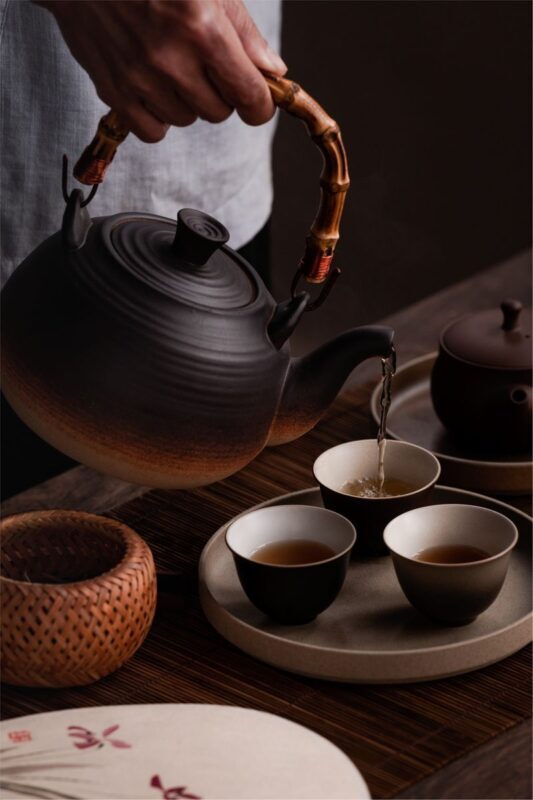
- Three Chinese teas, brewed by you: Learn basic tea etiquette and brewing, then taste three types and compare their flavours.
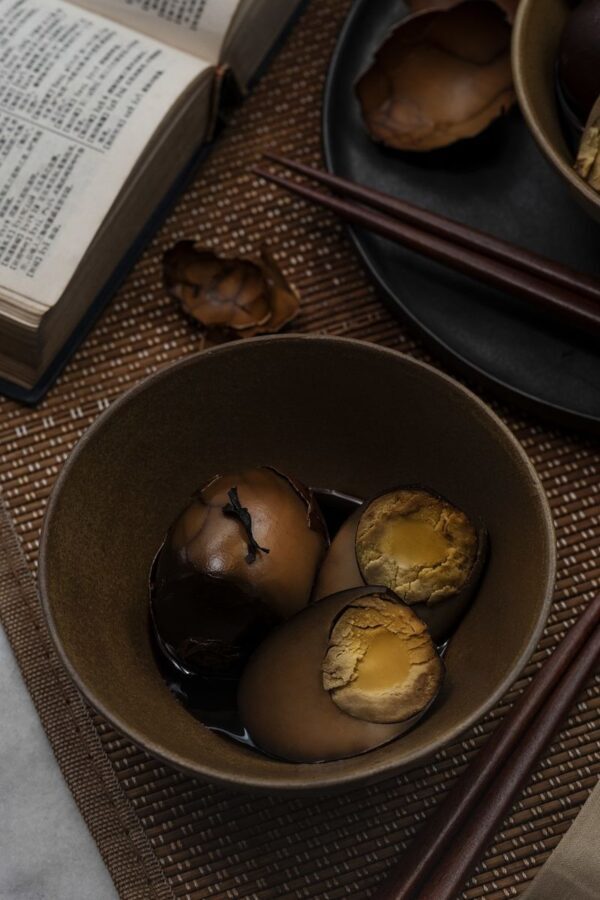
- A thoughtful snack pairing: The two included snacks are biscuits and Tea Chapter’s home-made tea-braised egg.
- A bilingual English and Chinese instructor: Guides including Fund and Jun Jie have led sessions, with English explanations provided.
- A two-hour cultural activity: The experience suits curious beginners as well as tea fans, but tea enthusiasts who like lingering over one pot may find the pace brisk.
- Check the room setup: Sessions have two to 20 participants; some seating is on floor cushions, and the room may feel warm or crowded when full.

👉 See our pick of the 25 Best Guided Tours In Singapore
A Chinatown shophouse with a story of its own
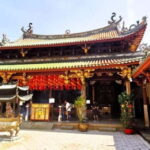
Tea Chapter is at 9 Neil Road, in the heart of Chinatown. The three-storey shophouse gives the session a sense of place: you are not learning about tea in a generic classroom, but in a setting tied to the neighbourhood’s built heritage.
Part of the introduction focuses on the building’s history. In 1987, 9 Neil Road became the subject of the Urban Redevelopment Authority’s first pilot restoration project. That detail gives the address significance beyond its current role as a teahouse, and helps explain why the experience includes local history alongside tea.
Tea Chapter is a homegrown business devoted to Chinese tea and culture. The session also touches on the teahouse’s history and its cultural visitors, including the late Queen Elizabeth II. These details put the business in context without making the whole experience a brand presentation.
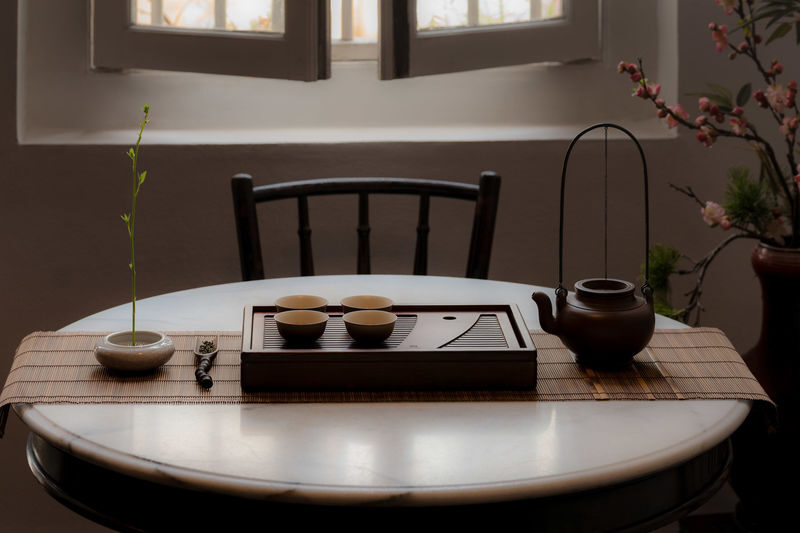
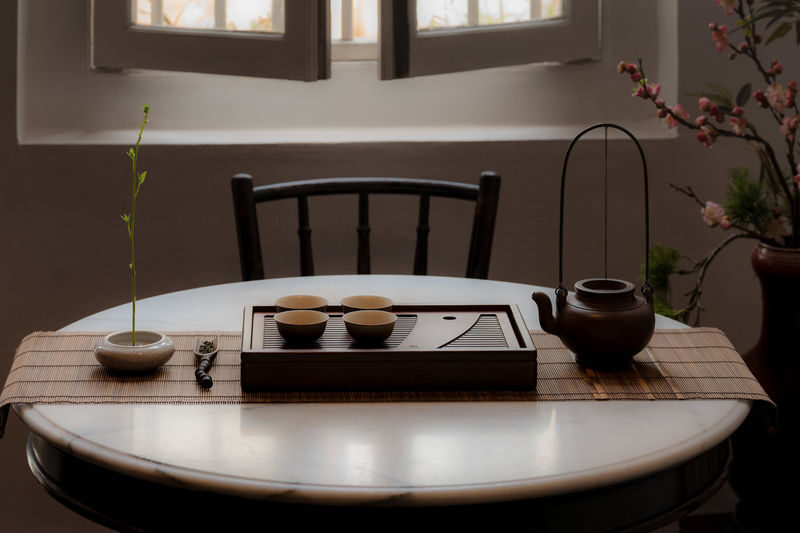
The atmosphere is designed to slow you down. Eastern furnishings and the scent of brewing tea set a quieter tone than the streets outside. The room may be warm, and a full group can mean shared tables, but the setting is still a welcome change of pace if you have spent the day walking around Singapore.
You can also read our reviews of more historical tours in Singapore



What the two-hour session covers
The experience lasts about two hours and brings together local history, tea culture and practical brewing. Expect an introduction to the shophouse and Tea Chapter, followed by a look at tea’s place in Singapore and how tea has changed across cultures and over time.
You will also learn how Chinese tea is grouped and described. The instructor may introduce categories using colour names such as white, green, yellow, blue, red and black. These can sound unfamiliar if you have only thought of tea as green or black, so this part helps you pay attention to how different teas are made and appreciated.
The session is aimed at beginners, but it need not feel basic if you already drink Chinese tea. The point is to connect what you taste with how it is brewed: water temperature, the amount of leaf, serving technique and the small rituals that help bring out a tea’s character.
The instructor leads a traditional tea demonstration, explains basic etiquette and guides you through hands-on brewing. You are not simply watching someone else prepare the tea. You get to handle the process and learn how to make a better cup at home.
Three teas, brewed and tasted at your own pace
The tasting includes three different Chinese teas. Each gives you a chance to notice differences in aroma and flavour, and to see how brewing choices affect the cup. The session is particularly useful if you tend to drink tea without thinking much about the leaves, water or method.
The practical instruction is a strong part of the value. You learn how to place tea in the pot, how water temperature matters, and how to serve and appreciate the result. These are modest skills, but they make the session useful after you leave: you can apply them the next time you brew tea, rather than relying on memory of a tasting alone.
The three-tea format does have a trade-off. It allows you to compare several styles in one sitting, but you have less time with each pot than you might choose for a slow afternoon at a teahouse. Some people will like the variety; if you prefer to sit with one tea for a long time, the pace may feel brisk.
The instructor’s style can shape the session. Fund is named by several participants as a guide who explains the material clearly, answers questions and keeps the lesson relaxed. Jun Jie has also led sessions, including an introduction to tea types and brewing methods. The guides are bilingual, and the session is conducted in English, with Chinese available as well.
Biscuits, tea eggs and a small take-home gift
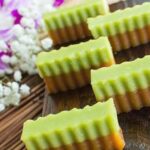
The tasting comes with two signature snacks: biscuits and a home-made tea-braised egg. The egg is a welcome savoury counterpoint to the tea and biscuits, and it is one of the experience’s more distinctive details. This is a snack pairing, not a meal, so plan lunch or dinner separately if you will be hungry.
Tea Chapter also provides tea souvenirs for participants. The exact contents can vary, but the take-home samples give you a chance to try tea again after the class and put the brewing lesson into practice. For a beginner, that small reminder may be more useful than a souvenir with no connection to what you learned.
The snacks and gift help the price make sense. You are paying for a guided two-hour introduction, three teas, hands-on instruction, snacks and take-home tea, rather than for a cup of tea alone. If you already know the basics and mainly want a quiet place to drink, you may get better value by visiting a teahouse without booking the lesson.
How the room and group size affect the experience
Sessions take place in a room upstairs in the shophouse. Seating may be on the floor with cushions, so be ready to sit low for part of the class. If getting down to the floor or standing back up is difficult, tell the operator in advance and ask what seating can be arranged.
The group size ranges from two to 20 people. A smaller group can make it easier to ask questions and watch the brewing closely. When the room is full, groups may share tables, which can reduce the feeling of a private tea ceremony. If you prefer a quieter class, a weekday session may be worth considering, though the group size on a particular date is not guaranteed.
The room has been described as warm at times. Wear comfortable clothing and keep this in mind if you are sensitive to heat. The atmosphere is meant to be calm, but the physical setting is still a working teahouse, not a climate-controlled lecture hall.
The activity has no age limit, but the low seating and stairs are more relevant than age itself. There is no need to be a tea expert or have Chinese cultural knowledge before you arrive. The instructor explains the basics, and the session is designed to work for newcomers.




Is the price good value?
The experience is listed from $67.05, while the package information also gives a starting price of US$60.95. Prices and currencies can vary by booking platform, so check the amount shown at checkout before you commit.
At that starting price, the strongest value is the combination of place, instruction and tasting. You get two hours of guided content, three teas, two snacks, hands-on brewing and a tea souvenir. The building’s restoration story and Tea Chapter’s role in promoting Chinese tea add substance that a simple tasting would not offer.
The value depends on what you want from the afternoon. If you are curious about tea but lack the confidence to brew it, the guided practice is useful. If you are already comfortable with tea preparation, you may find the history and tasting more worthwhile than the basic technique.
This experience is also eligible for the SG Culture Pass, which may make it a more appealing cultural outing for eligible participants. Personal expenses beyond the stated inclusions are not covered, so budget separately for anything you buy in the shop or order outside the session.
Who will enjoy this tea experience most?
I would choose Tea Chapter if I wanted a low-key cultural activity that gives me something practical to take home. It is a good fit for tea beginners, people interested in Chinese heritage, couples looking for a calm shared activity, and anyone who wants a break from sightseeing without spending the afternoon in a museum.
It can also suit families and mixed-age groups, since there is no age limit and the instructor takes questions. Still, the floor seating and stairs deserve a bit of thought for older participants or anyone with mobility concerns.
You may want a different kind of outing if you expect an elaborate tea ceremony, a private session or a long, unhurried tasting of one tea. This is a group introduction, with a set two-hour format and three teas to cover. The focus is learning and comparison, not lingering all afternoon.
Should you book Tea Chapter?
Book it if you want a grounded introduction to Chinese tea, appreciate the story behind a historic Chinatown address, and are happy to take part in brewing rather than just watch. The best reason to go is the mix of practical skills, local heritage and a relaxed tasting, with biscuits and a tea egg adding a satisfying touch.
Think twice if stairs, floor seating or a warm room would make the session uncomfortable, or if you already know the basics and want a slow, open-ended tea service. For most curious beginners, though, Tea Chapter offers a useful and pleasantly unhurried way to spend two hours in Chinatown.
Heritage Brews: A Chinese Tea Experience by Tea Chapter
“Good experience and enjoyed the tea, snacks and little gift at the end.”
FAQ
Where does the experience take place?
It takes place at Tea Chapter, 9 Neil Road, Singapore 088808, in Chinatown.
How long is the Chinese tea experience?
The experience lasts two hours.
What is included in the tasting?
You taste three types of Chinese tea and receive two signature snacks: biscuits and a home-made tea-braised egg. Tea souvenirs are also provided.
Is the session conducted in English?
Yes. Sessions are conducted in English by a bilingual instructor who can also speak Chinese.
Is there an age limit?
No. The activity has no age limit.
Is the room suitable for someone who cannot sit on the floor or climb stairs?
The room is upstairs, and some seating is on floor cushions. If either could be a problem, contact Tea Chapter in advance to discuss your needs.