Seonmudo asks you to slow down and pay attention to how you move. At Seoul Sunmudo Center, you can try this Korean Buddhist discipline through breathing, meditation, flexibility work, and martial arts basics, rather than signing up for a standard fitness class.
I like two things here: the practice connects physical movement with a long Korean Buddhist tradition, and the choice of a small group class or private training makes it easier to match the session to your comfort level. One consideration is that class content and availability depend on the day, and the published schedule has a few details worth confirming before you book.
- What to know before you go
- A Buddhist discipline with a practical purpose
- Choosing a 60-minute group class
- What the private session adds
- From breathing to movement
- Finding the center in Jongno
- Schedules, price, and the fine print
- Is this the right Seoul activity for you?
- FAQ
- How long does a Seonmudo session last?
- Where does the experience take place?
- What days are regular classes offered?
- What is included in the regular class?
- What might I practise in class?
- Is there a minimum age?
- How early should I arrive?
- The Best Of Seoul!
- More Tours in Seoul
- More Tour Reviews in Seoul
- Not for you? Here's more nearby things to do in Seoul we have reviewed
What to know before you go
 1 / 8
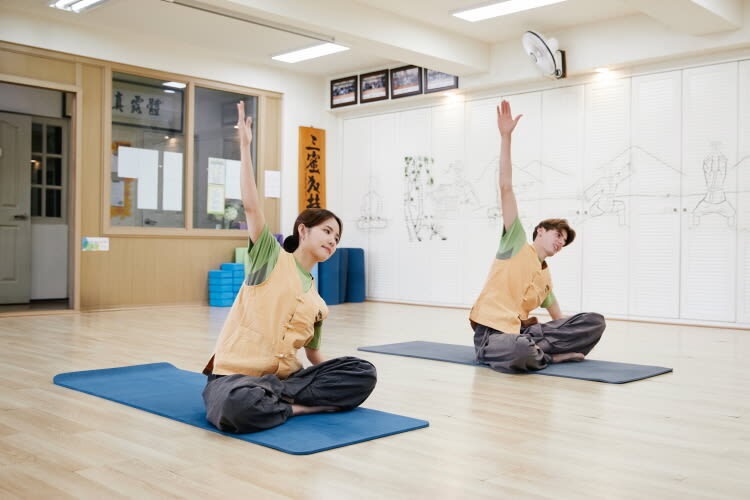 2 / 8
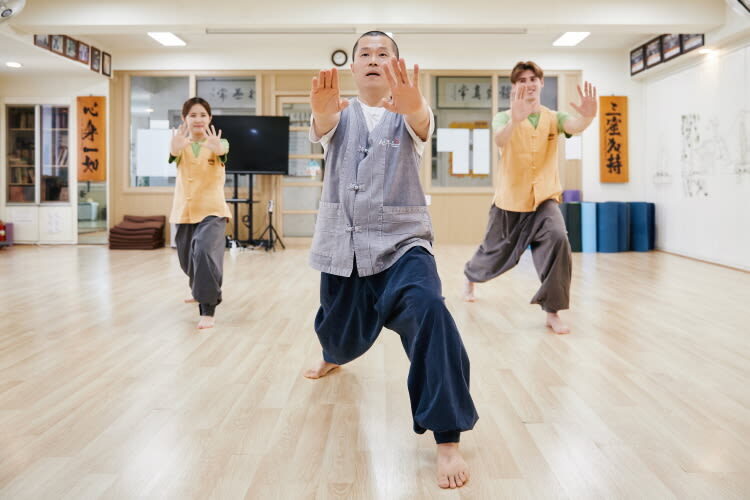 3 / 8
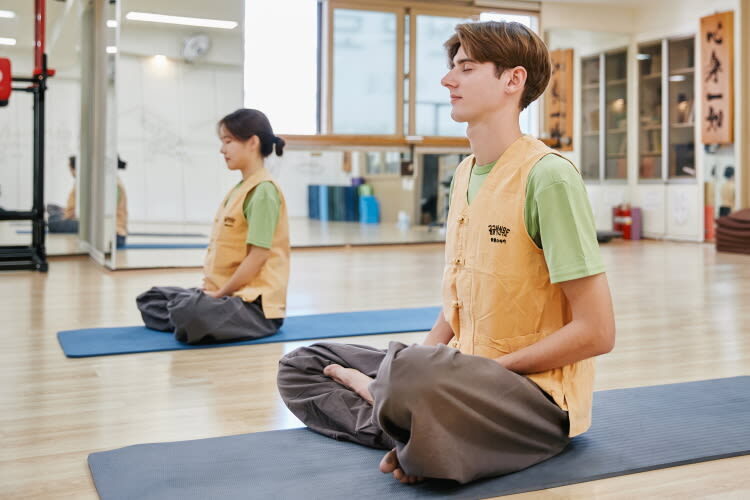 4 / 8
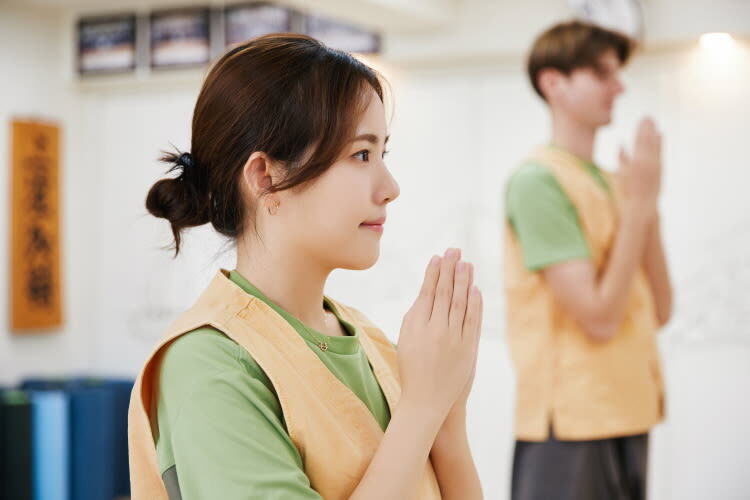 5 / 8
 6 / 8
 7 / 8
 8 / 8
- A practice with monastery roots: Seonmudo is described as a 1,500-year-old Korean Buddhist martial art, once practiced by monks as a health regimen and by warrior monks as a discipline.
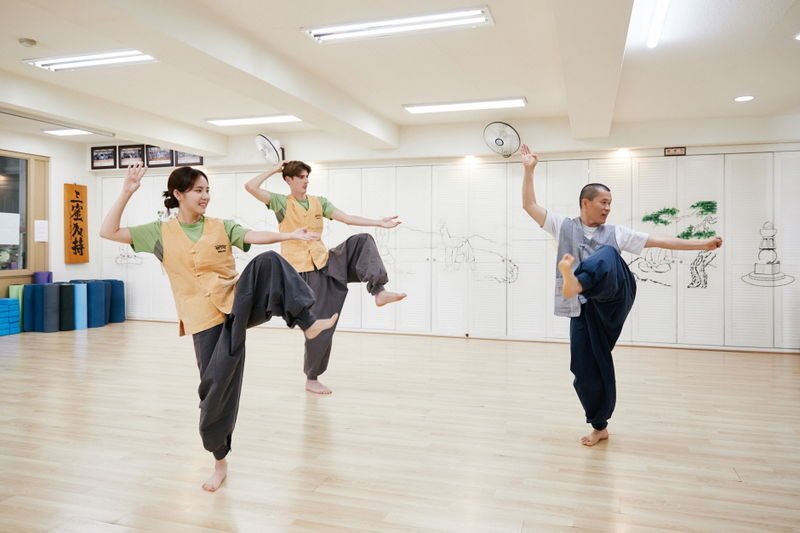
- More than martial arts: Sessions may include breathing and meditation, flexibility work, qigong, yoga, movement, and martial arts basics.
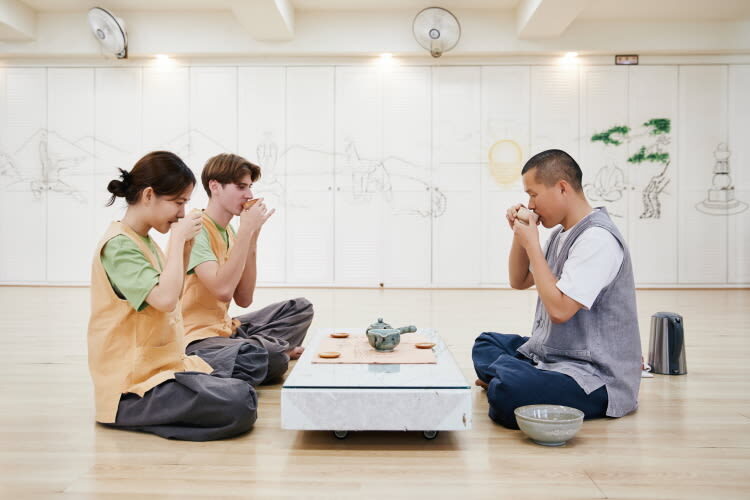
- Two formats: Choose one 60-minute group session or a 120-minute private training and tea conversation.
- A small class setting: Group size is listed as one to 10 participants, with an age minimum of eight.
- A Jongno address: The center is on the third floor of the Unni Building at 93 Donhwamun-ro 11ga-gil.
- A schedule to check: Group classes are listed on Monday, Wednesday, and Friday. The private schedule includes Tuesday and Thursday times, although the general opening information lists those days as closed.

👉 See our pick of the 25 Best Guided Tours In Seoul
A Buddhist discipline with a practical purpose
Seonmudo brings together forms you may recognize from other movement practices, but its roots and purpose are specifically Korean and Buddhist. Its name is associated with Seon, the Korean tradition of Zen Buddhism, and the practice treats body and mind as parts of one discipline.
The tradition is said to reach back about 1,500 years, when mountain monasteries passed it on as a way to maintain health and train warrior monks. That history gives the session context, but you do not need to arrive with martial arts experience or a background in Buddhism. The class is presented as an introduction, with breathing, movement, and basic forms that a newcomer can follow.
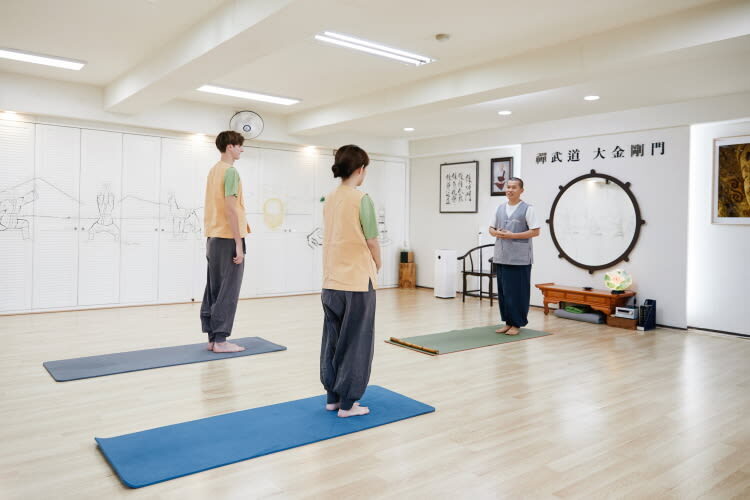
I would think of this less as a workout you measure by calories and more as a guided lesson in attention. You may stretch, practise controlled movement, and work with breath. The physical elements matter, but so does the pace: Seonmudo aims to connect each movement to a calm, deliberate state of mind.
That distinction is useful if you are comparing it with yoga or a regular martial arts class. There is overlap in flexibility and movement, but the session is grounded in a Korean Buddhist practice rather than a general wellness format. The available information does not specify how strenuous each class will be, so if you have concerns about your mobility or fitness, ask the center before booking.
You can also read our reviews of more tours and experiences in Seoul.



Choosing a 60-minute group class
The regular class is the shorter option, with a single 60-minute session and a group size capped at 10. That limit keeps the class small, though it does not guarantee a one-to-one experience. You will be sharing the instructor’s attention with other participants.
Classes are listed for Monday, Wednesday, and Friday, at 3:30, 5:20, 6:40, and 8:00. The information does not spell out whether every time is offered on every one of those days, so check the specific date and time during booking rather than assuming the full set applies throughout the week.
The content varies by day. Monday and Friday sessions may include Seon breathing and meditation, Seon gymnastics and flexibility training, Janggong martial arts basics, Seon qigong, a meditation walk called Youngjeong Haeunggwan, and mudra meditation. Wednesday may include mudra meditation, Seon yoga using the Oche Yubeop Five-Body Movement Method, and Seon breathing and meditation.
That variation is part of the appeal: a Wednesday session may feel different from a Monday or Friday class. It also means you should not book expecting one fixed sequence. The training content can change with circumstances, so treat the schedule as a guide to the kinds of practice available, not a promise of an exact class plan.
For a first visit, the group session is a sensible choice if you want a focused introduction without committing two hours. It is also the lower-priced listed option, starting at US$22.65, although the overall experience is advertised from $24.95 in the supplied pricing information. Prices can vary by package or booking details, so check the final amount before paying.
What the private session adds
The private option lasts 120 minutes and pairs personalized training with a tea conversation. It is designed for one participant or a small private booking, but the maximum group size is still listed as 10, so confirm how your chosen booking will be arranged.
The longer format gives the instructor more time to tailor the practice and answer questions. That can be helpful if you are new to movement training, have stiff muscles, or want more individual attention than a group class allows. In one private session, a participant came with a brother who hoped to work on stiff muscles and explore different kinds of physical movement. The instructor was described as patient and professional, and used English to answer questions.
The tea conversation adds a quieter finish. One private session included Jeju tangerine tea, which made the end of the training feel like an introduction to Korean tea culture as well as a pause to talk. The listed program promises a tea conversation, but does not guarantee that every session will include the same tea, so consider the tangerine tea a possibility rather than a fixed feature.
The private option costs more than a single group class, but it buys time and personal attention, not just an extra hour of exercise. If you are interested in the movement itself and want to ask questions as you go, that additional time may be worthwhile. If you mainly want to try Seonmudo once, the group class offers a more affordable first step.
From breathing to movement
The program names give you a good sense of the range. Seon breathing and meditation offer a quieter starting point, while flexibility work and Seon gymnastics bring attention to posture and physical control. These are not just warm-up labels: they help explain how Seonmudo links preparation of the body with the meditative side of the practice.
Janggong introduces martial arts basics. The class information does not list specific techniques, so do not expect a detailed combat curriculum based on the description alone. It is best understood as an introduction to foundational movement within the discipline.
Seon qigong adds another layer of controlled movement and breath. Mudra meditation, meanwhile, uses hand gestures as part of meditation. The Wednesday listing also includes Seon yoga and its Oche Yubeop Five-Body Movement Method, a named sequence that gives that day’s class its own character.
The meditation walk, Youngjeong Haeunggwan, is listed among Monday and Friday offerings. The description does not explain its route or setting, so it is safest to think of it as a walking meditation element rather than an excursion through the neighborhood. The schedule also says content may vary, so the exact mix is not guaranteed.
Taken together, these elements make the class a broad introduction rather than a narrow martial arts lesson. You may spend time on breath, flexibility, movement, meditation, or basics of martial arts, depending on the day. If you want one particular element, check in advance that it is planned for your session.
Finding the center in Jongno
The meeting point is Seoul Sunmudo Center, on the third floor of the Unni Building at 93 Donhwamun-ro 11ga-gil, Jongno-gu. The address is specific, which is useful in a city where a building’s street entrance and floor can matter. Allow time to find the building and reach the third floor.
You are asked to arrive at least 15 minutes before the reservation. That is practical advice for a class that begins with attention and breathing: arriving late could mean starting in a rush, which rather misses the point.
The experience includes Sunmudo training and English-speaking staff. Training clothes are not included, and the supplied details do not say what clothing is required or whether equipment is provided. Ask the center what to wear before setting out, especially if you are coming straight from sightseeing.
The voucher is presented on your phone, and it is valid only on the date and time selected. Participants must be at least eight years old. The stated group range is one to 10 people, so this can suit a solo visitor, a pair, or a small party, subject to the option and availability you select.


Schedules, price, and the fine print
The schedule needs a little attention before you commit. Regular classes are listed on Monday, Wednesday, and Friday, while the private option lists Wednesday and Friday mornings from 9:30 to 11:30, and Tuesday and Thursday afternoons from 2:00 to 4:00. At the same time, the general opening information says the center is closed Tuesday, Thursday, Saturday, Sunday, and public holidays.
Because the private times conflict with those general closing days, confirm your chosen date and option before making plans around it. If your preferred time is unavailable, the booking information says the customer service team will contact you by email or phone.
The regular class is listed from US$22.65, while the overall experience price is also shown as starting at $24.95. The private option’s price is not specified here. Check the package total for your date, and remember that personal expenses and training clothes are not included.
There is a full refund if you cancel at least 72 hours before the activity date, using local destination time. That gives you some room to change plans, but a late cancellation falls outside the stated refund window.
Is this the right Seoul activity for you?
I would choose Seonmudo if you want to try a practice with a clear Korean Buddhist identity, not simply add another general exercise class to your Seoul itinerary. Its blend of meditation, movement, flexibility, and martial arts basics offers a different kind of cultural activity, and the small group cap makes the introduction feel manageable.
The group class is the better fit if you want a one-hour taste at a lower listed price. Choose private training if you value personal guidance, have questions about your movement, or like the idea of ending with a tea conversation. The tea element is a particular draw, though the specific Jeju tangerine tea should not be assumed for every booking.
Skip it if you need a guaranteed fixed class plan or a schedule that is entirely clear without confirmation. The daily content varies, and the private-session days conflict with the general closing-day note. If the date works and you are comfortable with a flexible class, this is a thoughtful way to encounter a living Korean practice through your own movement, not just through a museum display.
Seonmudo: Korean Healing Martial Arts & Moving Meditation in Seoul
“This experience is a good way of immesing yourself in Korean culture while exercising! I recommend 💯”
FAQ
How long does a Seonmudo session last?
The regular class lasts 60 minutes. The private training and tea conversation lasts 120 minutes.
Where does the experience take place?
It takes place at Seoul Sunmudo Center, on the third floor of the Unni Building, 93 Donhwamun-ro 11ga-gil, Jongno-gu, Seoul.
What days are regular classes offered?
Regular classes are listed on Monday, Wednesday, and Friday, with times shown as 3:30, 5:20, 6:40, and 8:00. Confirm the available time for your chosen date.
What is included in the regular class?
The regular class includes one Sunmudo training session and English-speaking staff. Personal expenses and training clothes are not included.
What might I practise in class?
Depending on the day, the session may include breathing and meditation, flexibility training, martial arts basics, qigong, a meditation walk, mudra meditation, or Seon yoga. The content can vary.
Is there a minimum age?
Yes. Participants must be at least eight years old.
How early should I arrive?
Arrive at least 15 minutes before your reservation time.