France’s 1998 World Cup triumph is part of the story at Stade de France, but this tour shows you more than a trophy-winning pitch. You’ll sit high in the stands, enter the locker room and walk the players’ tunnel, following routes usually closed to spectators.
I like two things in particular: the chance to picture the roar of an 80,000-seat crowd from the stands, and the way the tour links football with the stadium’s wider role as a concert venue. The included museum visit adds jerseys, models, guitars and other keepsakes to the story.
One consideration: this is a walking tour, covering about 1.2 kilometers, and some areas may be unavailable if an event affects security or access. In winter, the pitch may not be visible, so check your expectations if seeing the field is your main reason for going.
- Quick takeaways
- What the Stade de France tour is really about
- From the stands to the players’ tunnel
- An English-speaking guide makes the building easier to read
- The museum adds music, models and memorabilia
- Timing, meeting point and getting there
- How much is the tour worth?
- Practical details to check before booking
- Who should book the Stade de France tour?
- FAQ
- Where does the Stade de France tour meet?
- How do I get to the stadium?
- How early should I arrive?
- What areas are included in the tour?
- Is the Stade de France Museum ticket included?
- Can children join the tour?
- How much walking is involved?
- The Best Of France!
- More Tours in France
- More Tour Reviews in France
- Not for you? Here's more nearby things to do in France we have reviewed
Quick takeaways
- Walk the players’ tunnel: See the route leading from the changing area toward the pitch, a highlight for anyone curious about what happens before kickoff.
- Take in the stadium from the stands: From an 80,000-seat venue, even an empty stadium gives you a sense of the scale of match day.
- Hear about football and architecture: An English-speaking guide covers the stadium’s story and design, including its place in French football history.
- Look beyond the game: The venue has hosted major concerts, and the Rolling Stones were the first band to perform here.
- Keep walking time in mind: The route covers about 1.2 kilometers, and the walk from nearby rail stations takes around nine minutes.
- Stay for the museum: Admission is included, with jerseys, guitars, models, archives and other memorabilia to explore after the guided visit.

👉 See our pick of the 11 Best Workshops And Classes In France
What the Stade de France tour is really about
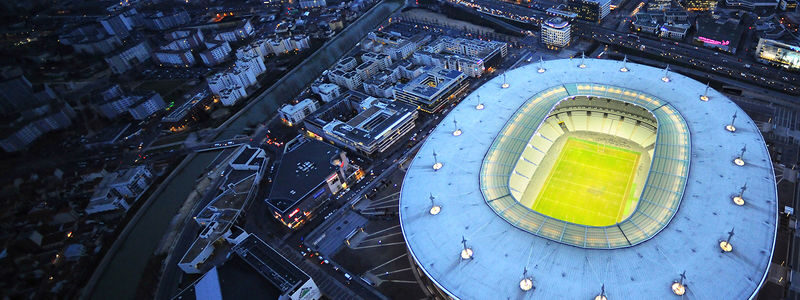
Stade de France is France’s largest stadium and a landmark of modern French sport. It hosted the 1998 FIFA World Cup, where the French national team won the final, and later hosted Euro 2016. The tour gives you a closer look at the building and the spaces behind the match-day spectacle.
The focus is not just on a list of famous games. You’ll hear about the stadium’s history and architecture as you move through it, then see how the venue serves audiences beyond football. It has also hosted major concerts and events, with the Rolling Stones the first band to perform there.
That makes this a good choice even if you don’t follow the French national team closely. You’ll get the most from it if you enjoy seeing how a major venue works, or if you want to connect a famous football moment with the place where it happened.
You can also read our reviews of more tours and experiences in France.



From the stands to the players’ tunnel
The tour’s first major payoff is the view from the stands. You can take a seat among the 80,000 spectator places and look out across the stadium, with a guide helping you imagine the noise and movement of a game day crowd. It’s a useful way to grasp the size of the venue before seeing the more private areas.
The view may be different depending on the season and the stadium’s schedule. In winter, the pitch may not be visible, and events can prompt changes to the route. If the field itself is essential to your visit, check conditions before booking rather than assuming you’ll see it from every stop.
Next come the areas usually reserved for players, including the locker room and the tunnel leading toward the pitch. The change in perspective is part of the appeal: instead of watching athletes from a seat, you follow the route they take before stepping out to play. For football fans, that can make the stadium feel less like an enormous bowl and more like a working team venue.
The tour evokes the footsteps of players such as Zinedine Zidane and Antoine Griezmann. Don’t expect a match or a chance to meet players. The value is in seeing the spaces associated with the sport and hearing the context that connects them to French football.
An English-speaking guide makes the building easier to read
A large stadium can be impressive but hard to understand on your own. The guide adds the stories and details that give the stands, locker room and tunnel meaning, and explains the stadium’s history and architecture in English.
Guides have included Amir and Seb. Amir has been described as humorous, while Seb has been noted for detailed explanations, but the specific guide on your date is not guaranteed. The useful point is that the tour is built around a live guide, not just a route through rooms.
The guided format also helps you keep moving through a big venue without losing the thread. One past visitor found the explanation of the French national team and the stadium worthwhile, though wanted more attention to the current team. If you’re hoping for a deep look at today’s squad or Paris Saint-Germain, this may not be the tour to book: the subject is Stade de France and its broader sporting past.
The museum adds music, models and memorabilia
After the stadium tour, you can visit the Stade de France Museum with the included ticket. Its collection covers the venue’s sporting and cultural life through archives, models, autographed jerseys, guitars and other memorabilia.
The museum is described as small, so treat it as a compact add-on rather than a stand-alone attraction that will fill half a day. Its strength is the range of material: football items sit alongside objects connected to concerts and other events. That broader view helps explain why Stade de France is more than a football ground.
I’d leave time to look around after the guided portion rather than rushing straight out. The museum is part of the value of the ticket, and it gives you a chance to linger over the details that interest you most. If you’re mainly here for the stadium access, though, the guided route is the central event.
Timing, meeting point and getting there
The meeting point is the Stade de France Official Shop, at the Visitor Welcome Point near Gate H. The address is Stade de France, 93200 Saint-Denis. Arrive 15 minutes before your scheduled tour; the listed meeting times are 10:15 for a 10:30 departure and 13:45 for a 14:00 departure.
The stadium is outside central Paris, in Saint-Denis. You can reach the area by metro line 13 to Saint-Denis Porte de Paris, or by RER B to La Plaine Stade de France or RER D to Saint-Denis La Plaine. The walk from the rail stations is listed as about nine minutes, so allow time to find the correct entrance and meeting point.
The tour itself covers about 1.2 kilometers on foot. That is manageable for many people, but it is worth factoring in if you have mobility concerns, are traveling with young children, or have already planned a long day of walking around Paris. Children must be at least three years old; children aged three to four can join free of charge.
The tour schedule and route may change if an event is taking place, because security requirements can affect access. The stadium administration may also check bags. Dogs are not allowed, except guide dogs for blind visitors.





How much is the tour worth?
The supplied starting prices differ: one figure is $23.89, while the guided-tour package is shown from $20.79. Prices can change, so use the amount displayed when you book. At either starting price, the value comes from the combination of guided access to areas spectators normally don’t enter and the museum ticket, rather than from a long list of separate attractions.
For a football fan, access to the locker room and players’ tunnel is the main draw. For a visitor with a broader interest in buildings, events or French cultural history, the guide’s account and the museum’s music memorabilia help make the ticket more worthwhile.
The trade-off is that the visit is focused and structured. You won’t roam freely through every part of the stadium, and the museum is small. If you want a full day of entertainment or a live match atmosphere, this is not a substitute for attending an event. It is a practical way to see what happens behind the scenes without paying match-day prices.
Practical details to check before booking
The printed voucher is required according to the supplied instructions, so plan to bring it rather than relying on a phone screen. Arriving late or missing the tour means no refund, which makes the 15-minute early arrival advice especially important.
The tour information also includes health measures that may reflect the rules in place when those details were issued: masks were required inside, visits were limited to 20 people, and the route was shortened to one hour instead of the usual one hour and 30 minutes. It also stated that no headphones would be used. These rules can change, so check the current requirements before your visit.
The voucher is valid only on the date and time selected. Cancellations made at least 24 hours before the activity date, in destination local time, qualify for a full refund under the stated policy.
Who should book the Stade de France tour?
I’d book this if you’re interested in football history, curious about how a major stadium functions, or looking for an outing in Paris that reaches beyond the usual museums and monuments. It suits families with children aged three and up, provided everyone is comfortable with the walk and the group-tour format.
You don’t need to be a devoted football fan to enjoy it. The scale of the stands, access to the players’ areas and mix of sports and concert history give the visit a wider appeal. On the other hand, if your main interest is Paris Saint-Germain, the current French squad or a full-size museum collection, you may find the emphasis too broad or the museum too brief.
Book it for the tunnel, locker room and stadium perspective, then treat the museum as a worthwhile extra. Before paying, check the current price, the season’s pitch visibility and whether an event could change access. If those details suit your plans, this is a solid, practical way to see the Stade de France from the inside.
Stade de France: Behind The Scenes Tour
“This is an itinerary that doesn't need to be a fan. The tour guide Amir is humorous and explains the details in detail with various short stories….”
FAQ
Where does the Stade de France tour meet?
Meet at the Stade de France Official Shop, at the Visitor Welcome Point near Gate H, in Saint-Denis.
How do I get to the stadium?
Take metro line 13 to Saint-Denis Porte de Paris, RER B to La Plaine Stade de France, or RER D to Saint-Denis La Plaine. The walk from the rail stations is about nine minutes.
How early should I arrive?
Arrive 15 minutes before your scheduled departure. The listed meeting times are 10:15 for a 10:30 tour and 13:45 for a 14:00 tour.
What areas are included in the tour?
The route includes the stands, locker room and players’ tunnel. Access can change if an event affects the stadium’s security requirements.
Is the Stade de France Museum ticket included?
Yes. The experience includes admission to the Stade de France Museum, with archives, models, autographed jerseys, guitars and other memorabilia.
Can children join the tour?
Participants must be at least three years old. Children aged three to four can join free of charge.
How much walking is involved?
The tour covers about 1.2 kilometers on foot. The walk from nearby rail stations to the stadium is about nine minutes.