Singapore’s older trades are not museum displays on this half-day tour. You may see a baker at work, taste familiar snacks and meet a craftsperson who makes paper offerings by hand. The best moments come from watching ordinary work continue in a city that has changed around it.
I like the mix of behind-the-scenes visits and food tastings, and I like that the guide explains how each craft connects to daily life and Chinese customs. Guides including Iris, Eliza, Kenneth and Boon have been praised for making the stories clear and personal.
One caveat: the route can change, and some workshops may not be open to visitors on a particular day. The tour also cannot accommodate food allergies or dietary needs, so it is not a safe bet if you need to avoid particular ingredients.
- What makes this Singapore heritage tour worthwhile
- A morning with Singapore’s working heritage
- From Chinatown to coffee, bread and paper craft
- Coffee roasting: work, aroma and a possible change of plan
- Chinatown snacks: small tastes, local habits
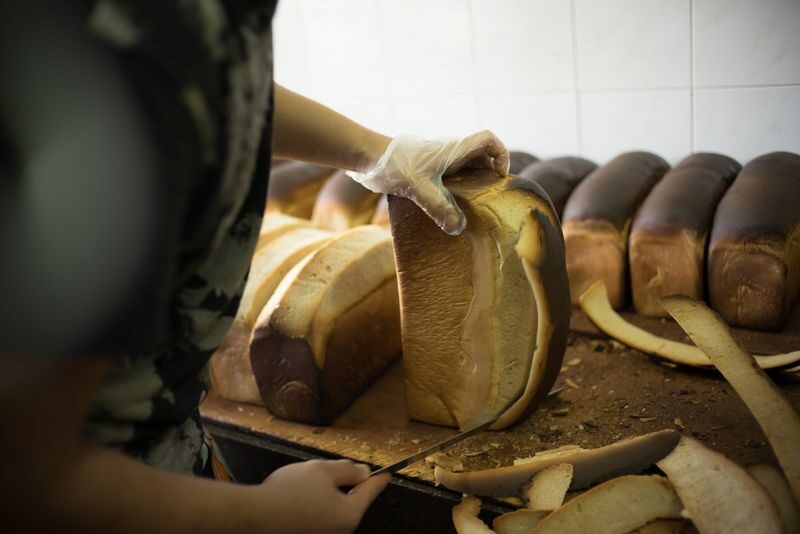
- The old bakery: machinery, fresh bread and daily routine
- Paper offerings: the tour’s most striking craft
- Guides, pacing and what the morning feels like
- Is the price fair for what you get?
- Who should book this tour?
- FAQ
- How long is the tour?
- Where does the tour meet?
- What is included in the price?
- What trades might I see?
- Can the tour accommodate food allergies or special diets?
- Is the tour wheelchair-accessible?
- What happens if the tour is canceled?
- The Best Of Singapore!
- More Guided Tours in Singapore
- More Tours in Singapore
- More Tour Reviews in Singapore
- Not for you? Here's more nearby things to do in Singapore we have reviewed
What makes this Singapore heritage tour worthwhile
- Watch fading trades at work: Visits may include a coffee roaster, a traditional bakery and a workshop making paper objects for ancestral offerings.
- Taste old-school snacks: The route can include local coffee, bread and traditional snacks such as sachima and grilled cuttlefish.
- Hear the people behind the craft: The guide adds context about the workers, family businesses and the future of trades that fewer people are learning.
- Travel beyond Chinatown: A coach connects stops in different parts of Singapore, including a bakery in Tai Seng and a paper-making workshop in Ang Mo Kio.
- Keep the morning free: The tour runs from about 8:55 a.m. to 12:30 p.m., leaving the afternoon open.
- Know the limits: The exact route may change, the tour is not wheelchair-accessible, and dietary requests cannot be accommodated.
👉 See our pick of the 25 Best Guided Tours In Singapore
A morning with Singapore’s working heritage
This is a small-group guided tour built around the trades that helped shape everyday Singapore from the 1950s through the 1980s. Rather than spending the morning among monuments, you visit businesses and workshops where familiar goods are still made or sold.
That difference matters. A display case can show what an old coffee roaster looked like; a working factory can help you understand the labor, the smell of roasting beans and the pace of a trade. The same is true of bread-making and paper offerings. You see the work in its living setting, though access depends on what each business can accommodate that day.
The tour is called Disappearing Trades, and the title is not just a marketing flourish. Some of these crafts have few successors, and the work can be slow, physical and highly skilled. You leave with more than a list of old businesses: you get a clearer sense of what Singapore’s rapid modernization has left behind, and what still survives in the gaps.
You can also read our reviews of more guided tours in Singapore


From Chinatown to coffee, bread and paper craft
The meeting and return details need a little care. The main departure information gives 69 Pagoda Street, outside Bee Cheng Hiang near Chinatown MRT Exit A. However, the additional meet-up details name Newton Food Centre. Since those instructions conflict, confirm the exact location with the operator before setting out. The stated start time is 8:55 a.m.; arrive early, and do not rely on turning up at the last minute.
Once underway, expect a coach ride between stops rather than a long walk through Chinatown. The route has included a coffee roasting factory near Depot Road, snack stalls and a coffee stop at Chinatown Complex, Jie Traditional Bread Bakery in Tai Seng, and a paper-offering workshop in Ang Mo Kio. The schedule can shift with traffic, weather and site conditions, so think of these as the kinds of places the tour explores, not a promise that every stop will be identical.
The drive is part of the experience. It gives the guide time to connect the trades to broader changes in Singapore, and it makes the tour practical for seeing businesses spread across the city. It also means you spend some of the morning seated on a bus, so this is not the best choice if you want a walking tour that stays within Chinatown.
Coffee roasting: work, aroma and a possible change of plan
A coffee-roasting visit offers a look at a trade that is easy to overlook when a cup of kopi arrives at the table in minutes. The factory stop has included explanations of where beans come from, how they are roasted and how the business serves its customers. One guide also discussed the hard physical work involved and the older workforce carrying on the trade.
Access to the factory floor is not guaranteed. At times, visitors have been kept out because of safety or health restrictions, including measures intended to protect older workers. When that happens, the tour may substitute a traditional coffee stall, where you can watch coffee being made and sample a cup. That still gives you a useful taste of local coffee culture, but it is not the same as seeing the roasters and machinery up close.
The stop is most rewarding if you are curious about how a trade operates, not simply looking for a coffee break. If the factory is closed to visitors, be ready for a shorter or less technical visit.
Chinatown snacks: small tastes, local habits
At Chinatown Complex, the tour can pause for coffee or tea and traditional snacks. Past stops have included sachima and grilled cuttlefish, with tastings that bring the history down to a very ordinary, enjoyable scale: what people bought, ate and recognized as a treat.
This is not a full meal, and the included sampler is modest. The coffee, bread and snacks are part of the tour, not a substitute for breakfast or lunch. If you tend to get hungry in the morning, eat before you arrive. There have also been occasional changes when a market area is closed for cleaning, so the snack stop may not unfold in exactly the same way every time.
There is a practical dietary warning here. The activity cannot accommodate allergies, gluten intolerance, vegetarian diets or other food requirements. If any of those apply to you, do not assume you can simply skip one item and have the rest adjusted. Ask the operator before booking.
The old bakery: machinery, fresh bread and daily routine
At a traditional bakery such as Jie Bakery, the appeal is partly the smell of fresh bread and partly the chance to see the equipment and process behind it. The owner has welcomed groups inside and explained how bread is made and sold. Sampling fresh bread makes the stop particularly appealing, especially if you enjoy seeing how a local business fits into the rhythm of its neighborhood.
A bakery visit also helps you grasp the difference between industrial convenience and small-scale production. One account of the tour noted that the bread is made without preservatives and has a short shelf life. Details like that make the trade feel less like a nostalgic story and more like a daily business with real constraints.
Access and interaction can vary. The tour is visiting a working shop, not a demonstration kitchen built for tourists, so the owner’s workload and the day’s conditions matter. Be interested, listen closely and leave room for the business to carry on.
You can also read our reviews of more historical tours in Singapore




Paper offerings: the tour’s most striking craft
For many people, the paper-making workshop is the most memorable stop. The craftsperson makes paper objects used in Chinese ancestral offerings, including paper houses and other symbolic goods. These objects can be detailed and elaborate, and the visit explains how they relate to customs around honoring the dead.
The work is a family trade, passed from one generation to the next. A craftsperson may explain how the family divides tasks and how much of the design comes from years of practice rather than written plans. One especially vivid example described on the tour is a paper bicycle. It shows how the craft can turn everyday objects into offerings, not just simple sheets of folded paper.
This stop can be moving because the skill is visible while its future is uncertain. It is a chance to meet someone who has spent years learning a specialized craft, and to understand why a handmade paper house carries cultural meaning beyond its materials. If you are interested in religion, family customs or traditional work, give this visit your full attention.
Guides, pacing and what the morning feels like
The guide is central to the experience. The tour depends on someone who can make the history understandable, keep the group moving and help you connect each stop to the next. Guides who have led this experience include Iris, Eliza, Kenneth and Boon. Their reported strengths include clear explanations, personal stories and thoughtful handling of groups.
The pace is usually a string of short visits joined by coach rides, rather than a long stop at one site. That makes the morning manageable, but it also means you may wish for more time at a favorite workshop. A few past participants wanted additional stops or longer visits, while others valued the compact format and smooth transport.
The tour has used audio equipment to help people hear the guide, particularly when masks were worn. If you are given a receiver or earpiece, ask how it works before the group sets off. Bring your own earphones if you prefer a more secure fit, as the equipment has not always been comfortable for everyone.
Plan for a morning of getting on and off the bus. The tour is not wheelchair-accessible, and it may involve steps when boarding. It is also worth asking about toilet stops if you need regular access: a scheduled break is not clearly guaranteed.
Is the price fair for what you get?
The listed price starts at $121.29, while the Join In Tour package is also shown from US$105.49. These are different displayed amounts, so check the live price and currency for your chosen date before paying.
The value lies in access and interpretation, not in the volume of food. You get an English-speaking guide, transport between scattered locations, and samples of local coffee, bread and snacks. More importantly, the tour can bring you into working places that are not set up as ordinary visitor attractions. You are paying for the guide’s context and for the chance to hear directly from people keeping a trade alive.
That makes the price easier to justify if you are keen on Singapore’s social history, food culture or traditional crafts. It is less compelling if you mainly want a generous food tour, a private experience or a guaranteed visit inside every workshop. Tips, insurance and services not specified are not included.
Who should book this tour?
I would choose this tour if I wanted to understand Singapore through the people who make and sell things, rather than through buildings alone. It suits heritage-minded visitors, curious food lovers and Singapore residents who want a fresh look at familiar streets and customs. The short tastings and easy coach connections also make it a practical morning activity if you have limited time.
Families can consider it, but the subject matter may land better with older children. The stops involve listening and watching, and the tour is not designed as a hands-on workshop for kids. One family did enjoy the route with very young children, but interest will depend on each child and the day’s pace.
Book if you are comfortable with a flexible route and want an honest glimpse of trades in transition. Skip it if you need a wheelchair-accessible outing, require special food arrangements or expect every stop to offer a long, close-up demonstration.
Singapore Chinatown Half-Day Small Group Guided Heritage Tour
“Fascinating, educational and engaging. Do this before these trades and businesses disappear. Boon is an excellent Tour Guide.”
FAQ
How long is the tour?
It is a half-day tour scheduled to depart around 8:55 a.m. and return around 12:30 p.m. The schedule may change with traffic and weather.
Where does the tour meet?
The main meeting details give 69 Pagoda Street, outside Bee Cheng Hiang near Chinatown MRT Exit A. Other supplied meet-up details name Newton Food Centre, so confirm the exact location with the operator before departure.
What is included in the price?
An English-speaking guide and samples of local coffee, bread and local snacks are included. Tips, insurance and services not specified are excluded.
What trades might I see?
Stops have included a coffee roasting factory or coffee stall, traditional snack sellers, a bread bakery and a workshop making paper offerings for ancestors. The exact route may change.
Can the tour accommodate food allergies or special diets?
No. The activity cannot accommodate allergies, gluten intolerance, vegetarian diets or other dietary needs.
Is the tour wheelchair-accessible?
No, the activity is not wheelchair-accessible.
What happens if the tour is canceled?
Extreme weather or unforeseen events may lead to cancellation. In that case, you may book another date or ask for a refund.