The fun here is in the repetition: you steam milk, pour, miss the mark, adjust your grip, and try again. I like that the class tackles both the coffee basics and the pouring technique, and that groups are limited to two to eight, giving the trainer room to help each person.
I also like the industrial-site setting for what it is: a working coffee company, not a dressed-up café activity. One thing to keep in mind is that two hours can teach you the foundations, but it may not make you a polished latte artist by lunchtime. Getting there takes planning, too, and the class runs on weekday mornings.
The useful details at a glance
- Practice the heart, tulip, and rosetta: These are the main patterns taught, with time to try each more than once.
- Learn the milk before the art: Milk steaming, pitcher handling, and foam texture are part of the work, not just preliminaries.
- Expect a small class: Group size is two to eight participants, with an English-speaking facilitator.
- Set aside two hours: Sessions are listed Monday to Friday, 10 a.m. to noon.
- Go to Pandan Loop: Boncafé is at 208 Pandan Loop, in an industrial area near the Pan Tech Ind Cplx bus stop.
- Treat it as a first lesson, not mastery: You should leave with useful technique and a better sense of coffee, but consistent latte art takes practice afterward.

👉 See our pick of the 25 Best Guided Tours In Singapore
- The useful details at a glance
- First, the milk: the skill behind the pattern
- Heart, tulip, then rosetta
- Trainers who teach with patience
- A small group makes practice easier
- Getting to Boncafé at Pandan Loop
- Is the price worth two hours?
- Who should book this class?
- FAQ
- How long is the Latte Art Workshop?
- Where does the workshop take place?
- When are the workshops scheduled?
- What latte art patterns will I learn?
- Do I need previous latte art experience?
- What is the minimum age to participate?
- How do I get to Boncafé by public transport?
- The Best Of Singapore!
- More Workshops & Classes in Singapore
- More Tours in Singapore
- More Tour Reviews in Singapore
- Not for you? Here's more nearby things to do in Singapore we have reviewed
First, the milk: the skill behind the pattern
 1 / 2
 2 / 2
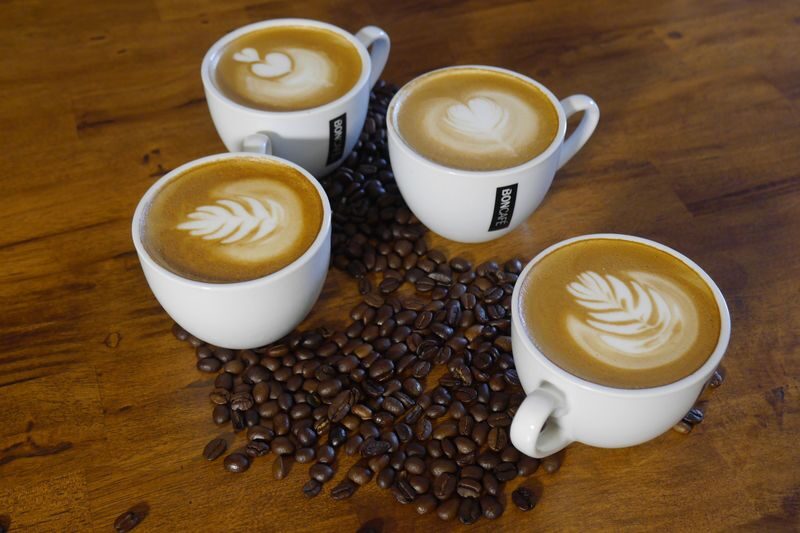
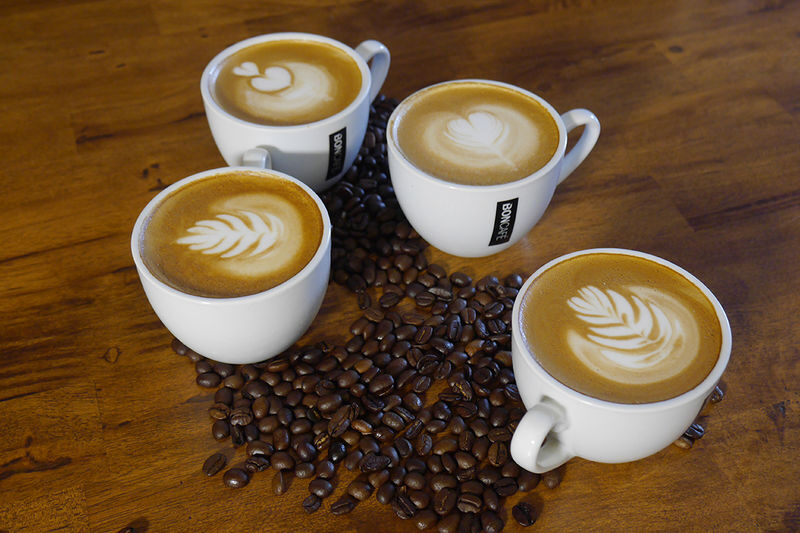
Latte art looks like a wrist trick. It is really a chain of small decisions: preparing espresso, steaming milk to the right texture, holding the pitcher well, and controlling the pour. The workshop starts with coffee basics and milk-frothing technique, so you are not asked to create a neat rosetta before learning what makes milk pour smoothly.
That foundation matters even if your main goal is a heart in the cup. Several participants have found the steaming lesson as useful as the designs themselves, including tips on milk choice and temperature. You can also learn how to operate the espresso machine, which makes this more substantial than a quick demonstration at a café counter.
The class is suitable for newcomers, and you do not need to arrive with latte art experience. People with some home practice can also benefit: instruction can help you spot inconsistent technique and build confidence. But the group is small rather than one-on-one, so the trainer’s attention is shared.
You can also read our reviews of more tours and experiences in Singapore



Heart, tulip, then rosetta
The practical portion works through three familiar patterns: heart, tulip, and rosetta. You begin with the basic pour, then build toward shapes that call for better control. A heart is a sensible first target; the tulip and rosetta ask you to manage the milk flow and pitcher movement with more precision.
The useful part is the chance to repeat the motions. Participants describe having enough ingredients to practise several times, rather than getting one precious attempt and watching the rest of the class. That turns mistakes into instruction. If the milk texture is off or your hand moves too quickly, a trainer can explain what to change before your next cup.
Do not judge the class by whether your final drink looks like the trainer’s. A two-hour session can give you the mechanics and a feel for the process, but pouring a clean pattern takes repetition. One participant put the limit plainly: learning the basics is realistic; producing beautiful art in two hours is not guaranteed. That is a fair expectation to bring.
The course is also a good fit if you like learning by doing. There is a theory component, but the focus is hands-on work with the machine, milk, and pitcher. You may find that the most satisfying moment is not a perfect rosetta, but understanding why the earlier attempt went wrong.
Trainers who teach with patience
The strongest feature of the workshop is its teaching style. In sessions led by Nat and Caj, participants describe patient, encouraging instruction and individual pointers on pitcher grip and pouring. Other named trainers from previous sessions include Sean, Natalie, and Faezah. The assigned instructor can vary, so do not book expecting a particular person.
That patient approach matters because latte art is fiddly at first. It is easy to feel awkward when the foam behaves differently from what you intended. The class is described as relaxed, with trainers willing to correct technique and let you try again rather than rushing you through a fixed number of pours.
Some sessions have run beyond the scheduled two hours, and accounts describe trainers being flexible with time. Still, plan around the stated duration, not an extension. The official session is two hours, and your schedule should not depend on staying later.
A few participants have also received printed handouts, coffee, or beans to take home. Those are pleasant extras, not listed inclusions, so think of them as possible bonuses rather than something to count on. Necessary training equipment and an English-speaking facilitator are included.
A small group makes practice easier
With two to eight participants, the group is large enough to share the lesson but small enough for practical coaching. That balance suits couples, friends, or a small family group with participants aged 16 and older. You can go together and compare results without needing to compete for a single machine or a limited amount of practice material.
If you are booking as a pair, the workshop can make a nice shared activity for a birthday or low-key celebration. It is also a better choice for a coffee-curious beginner than a broad sightseeing excursion: you spend the time learning one craft rather than moving between attractions.
The class has been described as welcoming to people with different levels of experience. A complete beginner can learn the fundamentals while someone who already makes coffee at home can ask for more specific corrections. That said, a group lesson cannot promise a custom curriculum for every participant. If you want advanced barista training, this introductory latte art session may feel narrow.
Getting to Boncafé at Pandan Loop
Boncafé’s address is 208 Pandan Loop, Singapore 128401. The site is in an industrial area, so it is not the sort of venue you are likely to stumble upon while wandering central Singapore. The location is part of the practical calculation: allow time to reach the meeting point and find the right entrance.
By public transport, take the East West Line to Clementi Station, then bus 285 from the interchange. Get off at Pan Tech Ind Cplx, the seventh stop, and walk about one minute. If you are driving, participants have reported being able to park within the compound, though it is sensible to confirm current arrangements before setting out.
The listed class hours are Monday to Friday, 10 a.m. to noon. That weekday morning schedule is convenient if you are fitting the workshop around a flexible Singapore visit, but less helpful if you are only free on weekends. Arrive on time: late arrivals and no-shows are not refundable.
The activity is listed as stroller- and wheelchair-accessible, and pets are not allowed. Bring your mobile voucher for entry. Transport, meals, beverages, personal expenses, and insurance are not included, so arrange your journey separately and do not assume refreshments are part of the package.






Is the price worth two hours?
The package is listed from US$62.59, while the summary price is shown as from $68.85. Because the displayed figures use different formats, check the final price and currency when you book. Either way, this is not a bargain-basement café class, but the value depends on how much hands-on practice you get.
Here, the appeal is access to training equipment, an instructor, and repeated attempts at several patterns in a small group. You are paying for guided practice, not just a latte and a short demonstration. If you have been curious about home espresso, the chance to handle a machine and learn how milk behaves can help you decide whether you want to pursue the hobby.
The cost is harder to justify if you only want a pretty drink or a quick photo. You may not leave with reliable art after one session, and the industrial location adds travel time. But if you enjoy learning practical skills and are willing to practise afterward, the two hours offer more than a novelty pour.
No cancellations or refunds are available, so choose a date you can keep. The voucher is valid only for the date and time selected. Those terms make it worth checking your transport and weekday schedule before you pay.
Who should book this class?
I would choose this workshop if you love coffee, want to learn what happens behind the counter, or are looking for a hands-on activity that works for a pair or small group. It is especially suitable for beginners who are happy to learn through repetition and accept that technique takes time to settle.
You might also enjoy it if you already make espresso at home and want someone to watch your milk steaming and pouring. Just be realistic: this is a two-hour introduction, not a promise of café-ready consistency. The best outcome is a clearer understanding of coffee and a skill you can keep working on.
If you are short on time, cannot make a weekday morning, or want an activity close to central attractions, the travel and schedule may be inconvenient. For a curious coffee drinker with a free morning, though, Boncafé offers a focused lesson with real practice rather than a polished show.
Latte Art Workshop By Boncafé Singapore
“I love the instrutor so much , she was so patience and encouraging. I feel like giving up and guilty that I waste so many cups of coffee , but real…”
FAQ
How long is the Latte Art Workshop?
The workshop lasts two hours.
Where does the workshop take place?
It takes place at Boncafé Singapore, 208 Pandan Loop, Singapore 128401.
When are the workshops scheduled?
The listed opening hours are Monday to Friday, 10 a.m. to noon.
What latte art patterns will I learn?
The workshop covers heart, tulip, and rosetta patterns.
Do I need previous latte art experience?
No prior experience is specified as a requirement. Participants learn coffee basics, milk frothing, and latte art techniques during the class.
What is the minimum age to participate?
Participants must be at least 16 years old.
How do I get to Boncafé by public transport?
Take the East West Line to Clementi Station, then bus 285 from the interchange. Get off at Pan Tech Ind Cplx, the seventh stop, and walk about one minute.