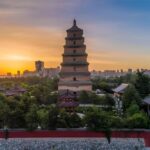
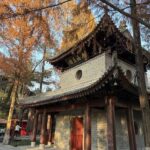
The Big Wild Goose Pagoda is more than a famous Xi’an photo stop. It began as a place to house Buddhist scriptures brought back from India by the monk Xuanzang, and a guide can help you connect the brick tower to the people and ideas behind it. I like that the tour explains both the pagoda and the temple grounds, rather than treating the landmark as a quick backdrop.
I also like the focus on Xuanzang’s journey and the Tang scholars who inscribed their names on the pagoda. Those stories give the site a human scale. The main drawback is important: the tour is conducted in Chinese only, and the temple ticket does not include access inside the pagoda.
- Key points to know
- Why the pagoda makes more sense with a guide
- Starting at the Xuanzang statue
- Inside Da Ci’en Temple
- Xuanzang’s journey and the Tang story
- The pagoda itself, and what your ticket does not cover
- Extending your visit around the temple
- Is the price worth it?
- Who should book this tour?
- FAQ
- Is the tour conducted in English?
- Does the ticket include entry inside the Big Wild Goose Pagoda?
- Where is the meeting point?
- How early should I arrive?
- What should I bring?
- Can children enter without this ticket?
- What happens if the group does not have enough participants?
- More Tickets in Xi'an
- More Tours in Xi'an
- More Tour Reviews in Xi'an
- Not for you? Here's more nearby things to do in Xi'an we have reviewed
Key points to know
 1 / 6
 2 / 6
 3 / 6
 4 / 6
 5 / 6
 6 / 6
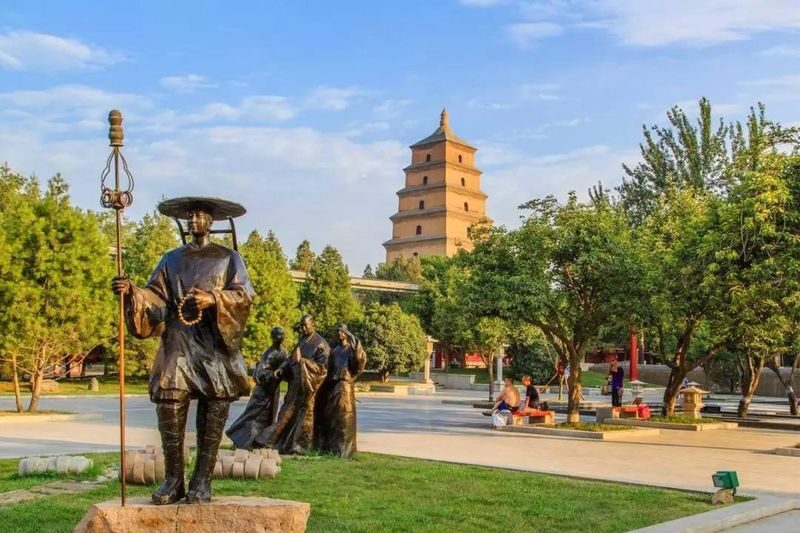
- The tour meets at the Xuanzang statue in the south square, not at the temple entrance.
- Expect a Chinese-language explanation, with a headset provided for the group.
- The ticket covers Da Ci’en Temple, not entry to the pagoda itself.
- Guides focus on Xuanzang, Buddhist culture, and Tang-era inscription traditions.
- The group is listed as a 15-person tour, and it may be rescheduled if too few people book.
- Arrive 20 minutes early with your valid ID and e-ticket. Late arrivals may not be able to join.
Why the pagoda makes more sense with a guide
Da Ci’en Temple is one of Xi’an’s defining historic sites, but it can be hard to read on your own. You see a great brick tower, courtyards, statues, and smaller buildings. Without context, the visit can turn into a pleasant walk past objects whose names and purpose remain a mystery.
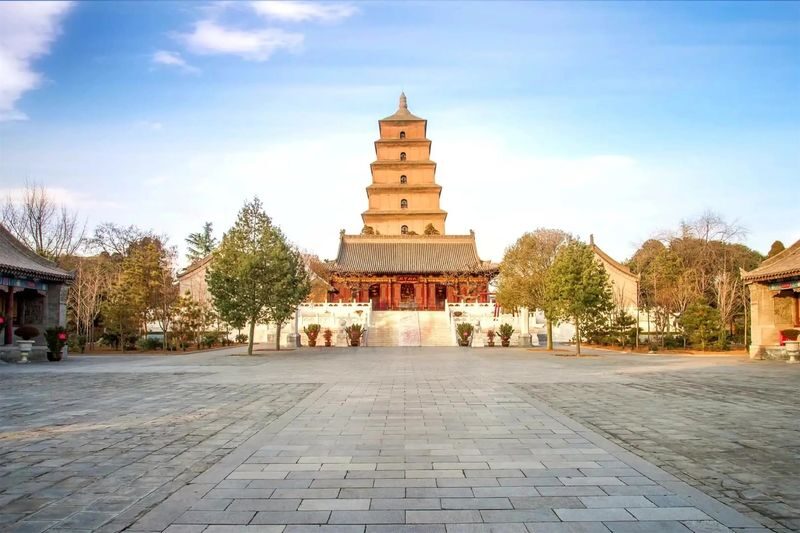
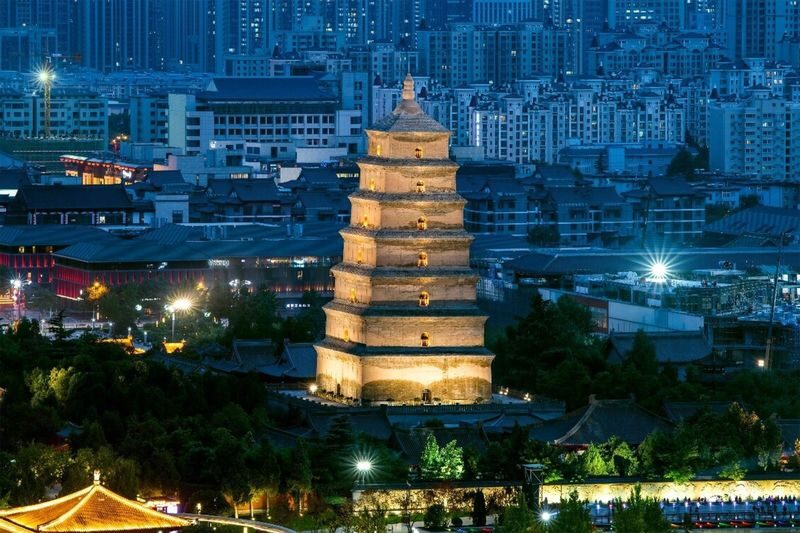
This guided visit is designed to supply that context. The Big Wild Goose Pagoda was built in 652 AD under Master Xuanzang, to hold Buddhist statues, relics, and Sanskrit scriptures he brought back from India. The original structure had five stories. The pagoda has been rebuilt more than once, and the existing tower is seven stories high and 64.517 meters tall.
The story is not only about architecture. Xuanzang’s pilgrimage and his work translating Buddhist texts help explain why this temple mattered. The guide also discusses the cultural role of the pagoda, including the Tang-era custom of scholars inscribing their names there. That detail brings the monument into everyday social life: this was not simply a religious landmark, but also a place tied to ambition, learning, and public recognition.
I’d choose this tour if you enjoy knowing what you are looking at. The strongest reason to book is not that it gets you into a building you could not otherwise see. It is that a good explanation can turn a short visit into a more coherent account of Xi’an’s Buddhist and Tang past.
You can also read our reviews of more tours and experiences in Xi'an


Starting at the Xuanzang statue
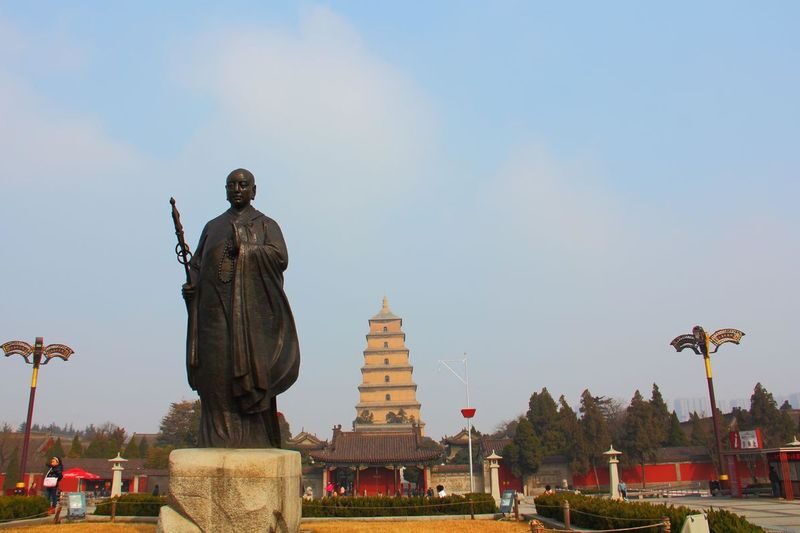
The meeting point is the Xuanzang statue in the south square of the Big Wild Goose Pagoda. Staff send the exact meeting time and location by text before the tour, so check your messages and keep your phone available. Some coordination may take place through WeChat.
Plan to arrive 20 minutes before the scheduled tour. Bring your e-ticket and valid identification, such as a passport or eligible travel permit. The group gathers, completes on-site processing, collects headsets, and enters together. Do not go into the park on your own before meeting the guide.
This organized entry is useful, but it makes punctuality essential. If you arrive late, you may not be allowed to join, because the tour enters as a group. Re-entry is not allowed after you leave the venue, so don’t treat the visit as a place to pop out for a snack and return later.
The package is priced per person. If you are visiting with family or friends, buy one package for each person who needs a ticket and guided tour. Children aged six or younger, or children no taller than 1.2 meters, can enter the temple directly with valid ID and an accompanying adult, without a reservation or ticket exchange.
Inside Da Ci’en Temple
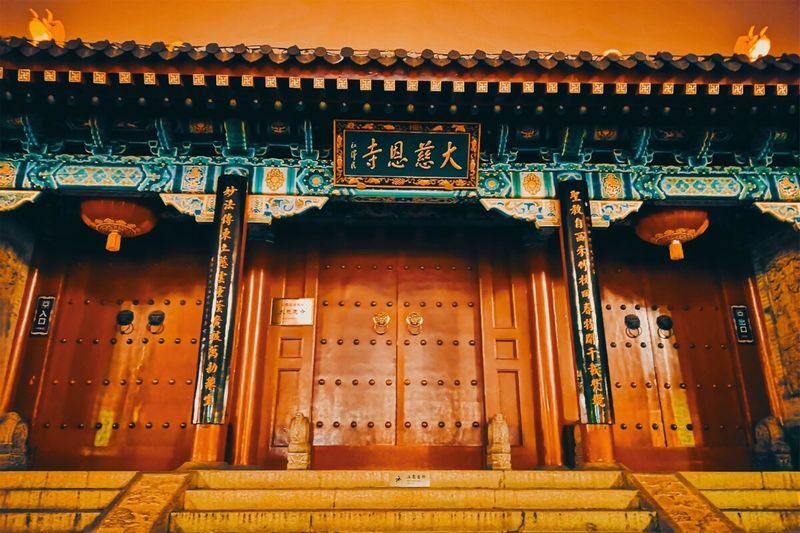
The temple setting gives the pagoda its meaning. The tour covers Da Ci’en Temple and the Big Wild Goose Pagoda, and the guide’s explanation may include the walls, statues, and smaller buildings you pass along the way. That broader look matters: the pagoda is the obvious star, but the surrounding religious site is part of the story.
You can expect the guide to explain the temple’s connection to Xuanzang and the Buddhist culture that took root here. The aim is not just to identify a structure, but to make clear why it was built and how it was used. Guides have been praised for detailed explanations of the deities housed in the temple as well as the monk’s life.
A guided group also gives you a chance to hear information while moving through the grounds, rather than stopping to decipher signs on your own. Headsets are included, which should help you follow the narration in a group setting. Make sure you collect yours at the designated point before entering.
The tour is listed as a 15-person group. That is small enough to feel more directed than a large coach outing, though it is still a group visit rather than a private tour. The exact duration is not guaranteed in the package details. Tour accounts describe explanations lasting about 90 minutes, so allow roughly that much time for the guided portion, with extra room for entry and your own visit.
Xuanzang’s journey and the Tang story
Xuanzang is the thread that ties the visit together. The guide recounts his difficult journey west to obtain Buddhist scriptures, then explains his role in translating texts and promoting Buddhism at Da Ci’en Temple. His story gives the pagoda a purpose beyond its height and age.
I find this especially valuable if you are unfamiliar with Buddhist history. The names, beliefs, and layers of local history can otherwise blur together. A guide who explains them in plain terms can help you understand why Xuanzang’s work mattered and how a single religious figure influenced the city’s cultural memory.
The tour also covers the pagoda’s inscription culture. Tang scholars wrote their names on the tower, an act that reflected their goals and standing in society. It is a compact detail, but a revealing one: the pagoda was woven into public life, not sealed off from it.
Several guide names associated with this tour include Xiao Ma, Anan, Zhang Na, Chen Xi, and Zhang Yi Dan. The most useful thing to know is that the guide’s style can shape the visit. Xiao Ma has been noted for vivid, patient explanations, while Anan and Zhang Na have been associated with clear accounts of the temple and Xuanzang. You cannot assume you will receive a particular guide, so book for the Chinese-language content rather than a specific person.
The pagoda itself, and what your ticket does not cover
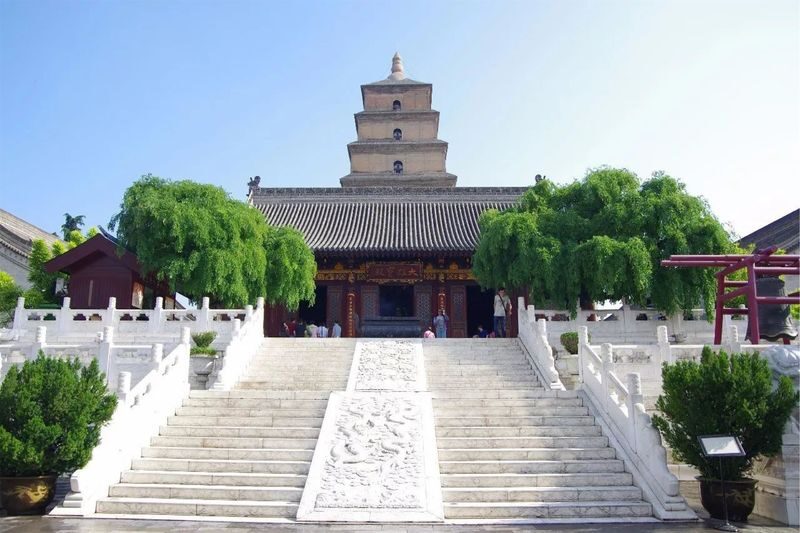
The Big Wild Goose Pagoda is a square, pavilion-style brick tower with a base, body, and top section. Its tightly laid brickwork and measured shape are part of what make it a notable survivor from the Tang-era city of Chang’an. The site is listed as a UNESCO World Heritage site.
Keep the ticket distinction clear before you book. The package includes admission to Da Ci’en Temple and the guided tour of the temple and pagoda area. It does not include access inside the pagoda. If climbing or entering the tower is a priority, check the current arrangements and ticket requirements separately before your visit.
That distinction does not make the guided tour poor value. The central benefit is an explanation of the site and its history, not tower access. But it does affect expectations: you are paying for temple entry, a group guide, and a headset, not an all-access pagoda ticket.



Extending your visit around the temple
The pagoda sits within a larger cultural and leisure area. The North Square is known for its large water feature and musical fountain. Nearby zones include an opera-focused garden, a folk-culture garden, and a temple relic park. Datang Everbright City lies to the south.
These surroundings offer an easy way to extend the outing, but they are separate from the guided temple visit. The package does not include personal expenses, and the guided group’s schedule may not leave time to explore every nearby area. If you want to linger for the fountain or continue toward Datang Everbright City, plan that as extra time rather than part of the tour.
The temple is open daily from 8:30 a.m. to 5 p.m. The package is valid only on the date and time specified, so choose a slot that leaves you enough room for the temple and any nearby plans. Prices may be higher during May Day, summer vacation, National Day, and Spring Festival periods.
Is the price worth it?
The listed package starts at US$11.25 for one person, while the experience summary gives a starting price of US$12.35. Prices can vary, so check the amount shown for your chosen date before paying. The stated price does not include peak holiday periods or personal expenses.
At that level, the value depends on how much you want interpretation. If you are content to see the tower, take photos, and stroll through the temple independently, you may prefer to arrange a basic entry ticket. If you want to understand Xuanzang’s role, the temple’s Buddhist connections, and the Tang inscription tradition, the guide and headset can justify the extra cost.
The tour’s best value is the human explanation. The guides have been praised for being clear, thorough, punctual, and attentive. Some have shared additional historical information after the visit, and one guide used pictures and videos to help participants find the meeting point. Those are practical strengths, especially in a large site where the first challenge can be getting to the right place.
There are two cautions. First, narration is in Chinese only, so this is not the right choice if you need an English-language guide. Second, the group may be moved to another time if there are not enough bookings to form a group. Staff say they will notify you in advance, but anyone with a tight schedule should consider whether that flexibility works for them.
Who should book this tour?
Book it if you speak Chinese, want more than a quick photo stop, and value a guide who explains the religious and social context behind what you see. It is particularly suited to visitors curious about Xuanzang, Buddhist scripture, Tang culture, and how the pagoda became part of Xi’an’s identity.
Think twice if you need narration in another language, want guaranteed entry into the pagoda tower, or cannot arrive early and on time. The booking is also less suitable if a fixed schedule is crucial, since the group can be rearranged when numbers are low.
For a Chinese-speaking visitor, this is a practical way to give Da Ci’en Temple a clearer story. For everyone else, the temple and pagoda may still be worth seeing, but this particular guided package will not solve the language barrier.
Daci’en Temple (Big Wild Goose Pagoda) Ticket
“Tour guide Xiao Guo's explanations were very thorough and clear. Highly recommended.”
FAQ
Is the tour conducted in English?
No. The guided narration is in Chinese, and other languages are not supported.
Does the ticket include entry inside the Big Wild Goose Pagoda?
No. The package includes Da Ci’en Temple admission and a guided tour, but excludes pagoda access.
Where is the meeting point?
Meet at the Xuanzang statue in the south square of the Big Wild Goose Pagoda. Staff send the meeting time and location by text before departure.
How early should I arrive?
Arrive 20 minutes before your scheduled tour time for on-site processing. Late arrivals may not be able to join the group.
What should I bring?
Bring your e-ticket and valid identification, such as a passport, ID card, or eligible travel permit. You also need to collect your headset at the designated location.
Can children enter without this ticket?
Children aged six or younger, or no taller than 1.2 meters, can enter the temple directly with valid identification and adult supervision, without a reservation or ticket exchange.
What happens if the group does not have enough participants?
If there are not enough people to form a group, another time slot may be arranged. Staff will notify you in advance.