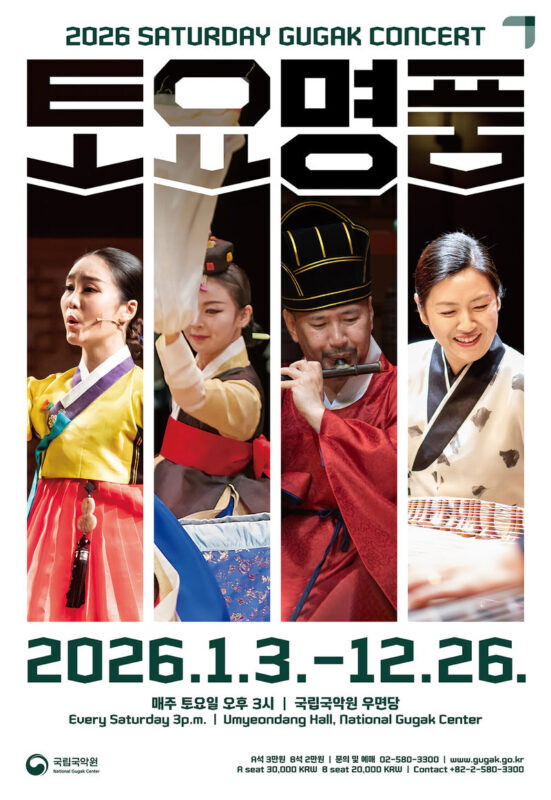
The Saturday Gugak concert brings court music, folk traditions, singing, and dance together in one 70-minute program. Four ensembles from the National Gugak Center take turns onstage, so you get a compact introduction to several Korean performing arts rather than a single long piece.
I like the weekly-changing program, which keeps the show from feeling like a fixed tourist presentation, and the small theater, where even B seats can offer a clear view. One consideration: some passages are quiet and formal, so this suits you best if you are curious about traditional music, not expecting a fast-paced variety show.
- Four ensembles share the stage: Jeongakdan performs classical music, Muyongdan presents dance, Changjakakdan offers original music, and Minsokakdan performs folk music.
- Every Saturday at 3pm: The program changes from week to week and runs for about 70 minutes without an intermission.
- B seats start at US$11.95: A seats start at US$17.90; seating is assigned by the system.
- Plan to arrive early: Exchange your mobile voucher for a paper ticket and be inside at least 20 minutes before the show.
- Make it an arts afternoon: The National Gugak Museum is opposite the theater, and nearby venues and restaurants add options before or after the concert.
- Keep your phone away: Photography and video are prohibited unless the venue specifically announces an exception.
- A Saturday sampler of Korean performing arts
- What the 70-minute program feels like
- The small theater makes B seats a reasonable choice
- Getting there and making the afternoon count
- The rules are simple, but worth knowing
- Who should book the Gugak concert?
- FAQ
- When does the Saturday Gugak concert start?
- How long is the performance?
- Does the program stay the same every week?
- What is included with the ticket?
- How do I exchange my mobile voucher?
- How do I get to the National Gugak Center by metro?
- Are children allowed at the performance?
- Can I take photos or videos during the show?
- The Best Of Seoul!
- More Tickets in Seoul
- More Tours in Seoul
- More Tour Reviews in Seoul
- Not for you? Here's more nearby things to do in Seoul we have reviewed
A Saturday sampler of Korean performing arts
 1 / 6
 2 / 6
 3 / 6
 4 / 6
 5 / 6
 6 / 6
Gugak is the broad term for Korean traditional music. At Umyeondang, the Saturday program gives you a taste of how varied that tradition can be: stately classical pieces, folk music, dance, and singing may all appear in the same performance.
The National Gugak Center brings four of its ensembles into the program. Jeongakdan specializes in classical music, Muyongdan in dance theater, Changjakakdan in original music, and Minsokakdan in folk music. Their different styles give the concert a useful range, though the exact mix of pieces and performers changes each week.
Think of the show as a sampler, not a single narrative with a beginning, middle, and end. Some sections may feel serene and measured; others bring more movement, color, or forceful drumming. That variety is part of the appeal, but it also means one week’s program may suit you more than another’s.
The performances take place at Umyeondang, inside the National Gugak Center in Seocho-gu. It is a formal arts venue, not a street performance staged for passersby. The experience is closer to attending a short concert than watching a tourist demonstration, and the artists’ work is the main event.

👉 See our pick of the 25 Best Guided Tours In Seoul
What the 70-minute program feels like
The published schedule is 3pm on Saturdays, and the stated running time is 70 minutes with no intermission. That makes this an easy fit into an afternoon, but the lack of a break means you should use the restroom and settle in before the performance begins.
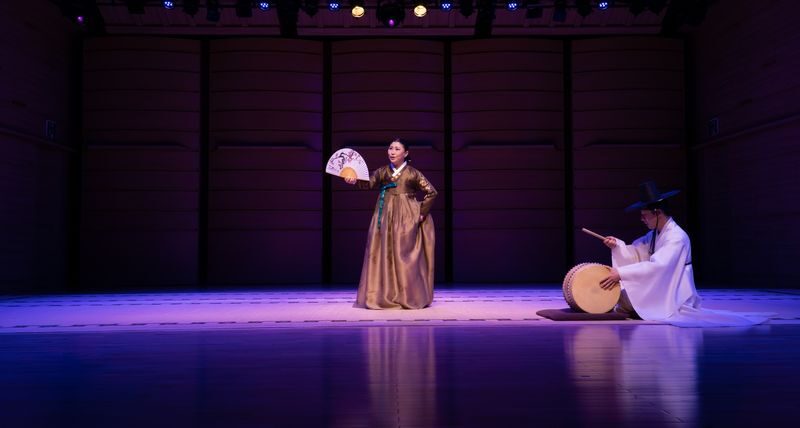
You can expect a sequence of shorter works, with the precise order and content varying by date. A program may move from classical ensemble music to a dance, then to a folk or vocal piece. Reports from past performances describe varied programs, sometimes with several smaller acts, but there is no guaranteed set list for your Saturday.
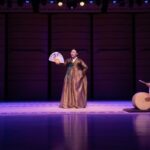
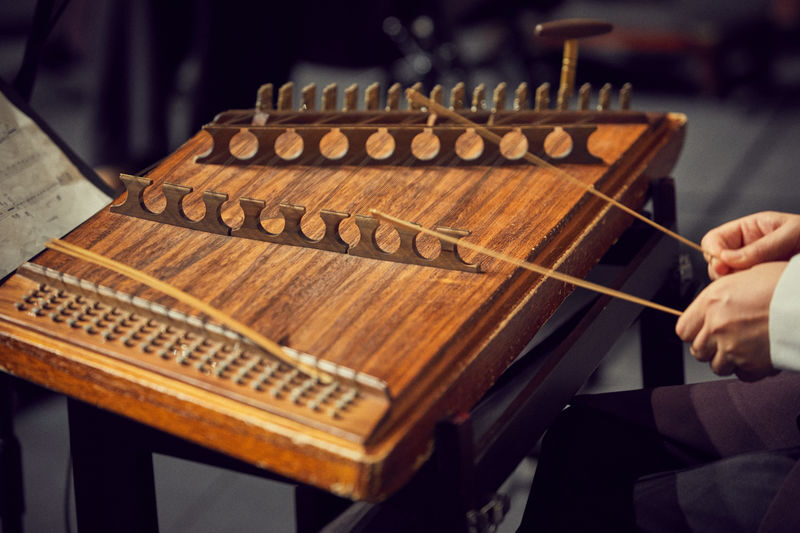
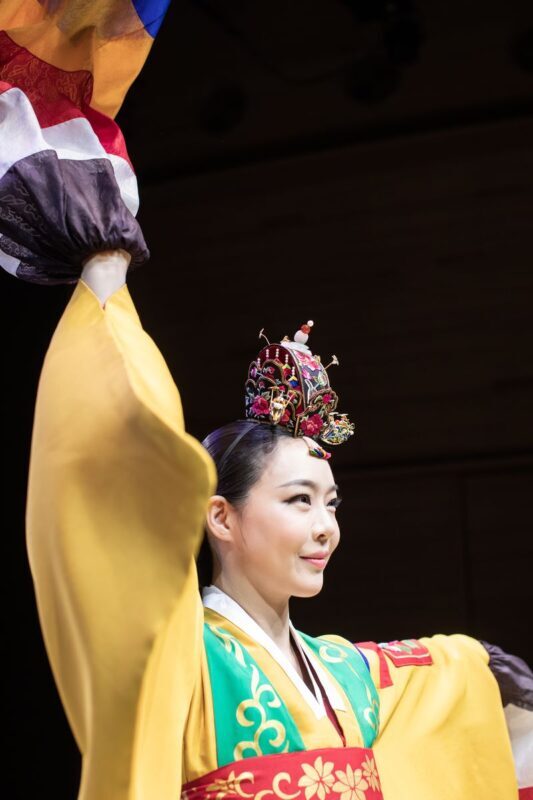
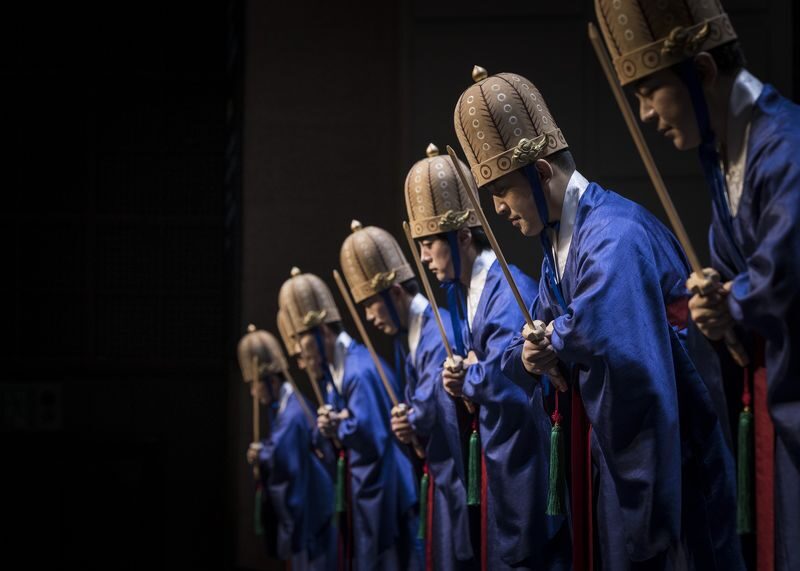
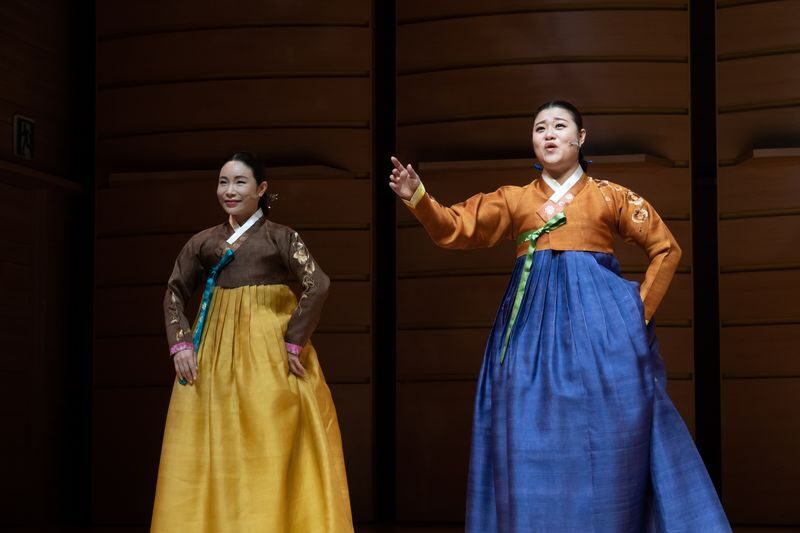
The costumes and instruments are part of the experience. Traditional dress adds color and shape to the stage, while the instruments have sounds and playing styles that may be unfamiliar if your musical reference points are mostly Western. Some pieces are quiet and restrained; others build toward energetic drumming or expressive dance.
English context or subtitles have appeared at some performances, which can help you understand lyrics or the background to a piece. Do not assume every item will have the same level of explanation, though. Even without translation, watching the musicians’ coordination, the dancers’ gestures, and the contrast between the pieces can make the program engaging.
This is not always a high-energy show from the first minute. Court music can be slow and contemplative, and a quieter section may feel long if you came expecting nonstop action. Later pieces may be more animated, but the concert’s appeal lies in the range, not in a promise that every segment will be lively.
You can also read our reviews of more tours and experiences in Seoul



The small theater makes B seats a reasonable choice
The package includes one B section ticket, with prices starting at US$11.95. A section tickets start at US$17.90. Seats are assigned by the system, and people who buy tickets of the same price at the same time are seated together.
The theater is not especially large, which helps explain why B seats can still work well. You are not buying a ticket to a vast hall where the stage becomes a distant rectangle. If price matters, B is a sensible way to see the show without stretching your budget; if you prefer the best available placement, compare the A option before booking.
The seating system makes it hard to choose an exact spot from the information provided. If you are buying for a group, book the same price at the same time so the system can seat you together. There are four seats for people with disabilities; contact Klook customer service by email for details about priority seating.
At this price, the concert offers strong value if you want a focused cultural activity. You get a professional performance by the center’s ensembles, several forms of music and dance, and a manageable 70-minute commitment. The value is less clear if you mainly want a show that explains every tradition in depth or keeps a brisk pace throughout.
Getting there and making the afternoon count
The address is Umyeondang, National Gugak Center, 2364 Nambusunhwan-ro, Seocho-gu, Seoul. By metro, take Line 3 to Nambu Bus Terminal Station, use Exit 5, then catch the Seocho 22 bus. Get off after four stops to reach the center.
Allow time to find the correct building. A useful arrival tip is to look for the first building on your left as you enter from the street, rather than relying on a map pin alone. The venue is within a larger arts complex, so arriving with a little slack is more comfortable than rushing in at the last minute.
The ticket is not the same as a transport package. You arrange and pay for your own journey, and personal expenses are not included. The mobile voucher must be exchanged for a physical ticket at the booth, which is listed as open from 2pm until showtime, subject to change.
Arrive at least 20 minutes before the 3pm performance. That gives you time to redeem the voucher and find your seat. The stated rule is that entry is not allowed after the show begins, so do not count on being admitted late between pieces.
If you have time, look across the square to the National Gugak Museum. It has offered free English guided tours, and pairing the museum with the concert can help put the instruments and performance traditions into context. There are also other exhibition spaces and concert halls in the arts center, plus restaurants nearby, making this a good area for a longer afternoon rather than a quick dash in and out.
The rules are simple, but worth knowing
Keep food and drinks outside the theater. Photography and video recording are strictly prohibited during the show, and the venue may take action if someone records without permission. Some past programs have allowed photos during a final piece, but treat that as an exception only if staff clearly announce it.
The concert is open to participants aged seven and up. The same ticket price applies to all ages, and the offer is not available to Korean passport holders. Check the date carefully before booking: the voucher is valid only for the specified date and time.
Cancellation is possible for a full refund if you cancel at least 24 hours before the activity date, using destination local time. The program changes each week, so check the National Gugak Center’s official website for the performance details for your date. That is especially helpful if you have a particular interest in dance, court music, or folk performance.
Who should book the Gugak concert?
I would put this on the list if you want to hear Korean traditional music performed in a proper concert setting, or if you are looking for something beyond Seoul’s familiar shopping streets and contemporary pop culture. It is also a good choice for a first introduction to Gugak, because one sitting can include music, song, and dance from several ensembles.
The concert is a particularly good fit for curious listeners who enjoy seeing how musical traditions differ across cultures. You do not need to recognize the instruments or know the forms in advance. A willingness to sit through a few quiet passages is enough; the variety gives you several chances to find a style that catches your attention.
Families can consider it for children aged seven or older, but the program is not designed as a children’s show. The no-intermission format and the possibility of slow, reflective music are worth weighing if you are bringing a young child. For visitors short on time, the 70-minute length is convenient, provided the trip to the center fits your day.
Book if the Saturday date works and the program interests you. Choose B for a lower-cost seat in a compact theater, or A if you want to pay more for a higher section. Check the weekly program, arrive early, and leave your camera in your bag. Those small steps make this an easy, affordable way to spend an arts-focused afternoon in Seoul.
You can also read our reviews of more tours and experiences in Seoul


Saturday Gugak Concert Ticket
“A beautiful encounter with the folklore and traditional music of Korea. Moments filled with emotion and sublime beauty. The venue is not very large…”
FAQ
When does the Saturday Gugak concert start?
The performance starts at 3pm on Saturdays.
How long is the performance?
The stated duration is 70 minutes, with no intermission.
Does the program stay the same every week?
No. Performances differ each week. Check the National Gugak Center’s official website for details about the date you plan to attend.
What is included with the ticket?
The package described here includes one B section seat ticket. Transport and personal expenses are not included.
How do I exchange my mobile voucher?
Present your mobile voucher at the ticket booth and exchange it for a physical ticket. Arrive at least 20 minutes before the show. The booth is listed as open from 2pm until the performance starts, though this may change.
How do I get to the National Gugak Center by metro?
Take Line 3 to Nambu Bus Terminal Station, leave through Exit 5, and take the Seocho 22 bus. Get off after four stops.
Are children allowed at the performance?
Participants must be at least seven years old. The same ticket price applies to all ages.
Can I take photos or videos during the show?
No. Photography and video recording are strictly prohibited unless venue staff specifically announce an exception.