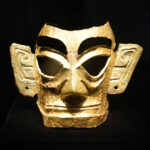
Sanxingdui’s bronze masks and towering sacred tree belong to an ancient Shu culture that can feel wonderfully unfamiliar, even to visitors who know China’s better-known archaeological sites. I like that admission covers both the museum galleries and the sacrificial pit area, and I like the option to add an audio guide or a separate guided tour for more context.
The main consideration is the journey from Chengdu: it takes about an hour by car, and getting there by train requires a transfer. Crowds can also build quickly, especially on holidays, so this is best planned as a substantial outing rather than a quick museum stop.
- The bronze collection is the star: Look for the vertical-eye mask, bronze sun wheel and sacred tree.
- Three halls tell different parts of the story: Hall 1 introduces ancient Shu, Hall 2 focuses on bronze, and Hall 3 shows restoration work on weekdays.
- Your ticket includes the sacrificial pit site: See the archaeological setting as well as the objects found there.
- Book ahead for busy dates: Tickets can sell out, particularly on holidays and peak days.
- A guide is extra: The basic ticket does not include guided interpretation, but audio guides and separate tours are available.
- Allow time for the trip: Reaching the museum from Chengdu takes planning, whether you travel by road or train and bus.
- Why Sanxingdui Feels Different
- Hall 1: Start With Ancient Shu
- Hall 2: The Bronze Gallery’s Boldest Objects
- Hall 3: Watch Restoration at Work
- The Sacrificial Pit Site: Objects in Their Archaeological Setting
- How Much Time to Set Aside
- Tickets, Guides and What the Price Buys
- Getting There From Chengdu
- Booking and Entry Details That Matter
- Who Should Make the Trip
- Should You Book Sanxingdui Museum?
- FAQ
- How much does admission cost?
- What does the basic ticket include?
- Is a guided tour included?
- When is Hall 3 open?
- What are the regular opening hours?
- How do I get to Sanxingdui from Chengdu?
- What travel document should I bring?
- Are children admitted free?
- More Museum Experiences in Deyang City
- More Tours in Deyang City
- More Tour Reviews in Deyang City
Why Sanxingdui Feels Different
 1 / 3
 2 / 3
 3 / 3
Sanxingdui is a major archaeological site associated with the ancient Shu civilization of Sichuan. Its objects have a look all their own: broad-eyed bronze faces, gold pieces and ritual objects that seem less familiar than the pottery and tomb goods you may have seen in other Chinese museums.
That difference is the point. You are not just looking at beautiful old things. You are trying to understand a culture through objects whose uses and meanings are not always obvious. The museum gives you a chance to see key finds together, then visit the area where sacrificial pits were discovered.
I would come with curiosity rather than a checklist. A few signature pieces are genuinely arresting, but the larger reward is piecing together what the finds suggest about ancient Shu beliefs, craftsmanship and society.
Hall 1: Start With Ancient Shu
The recommended route begins in the General Pavilion, Hall 1. Its exhibition areas, including Century of Dreams, Majestic Capital, and Heaven, Earth, Humans, and Deities, introduce the origins and development of ancient Shu civilization.
This opening hall is useful because it gives the objects a frame. Look for the gold staff, bronze standing figure and gold mask. These works help you move from a general sense of the culture toward the particular finds that make Sanxingdui memorable.
If you have limited time, head first to the Heaven, Earth, Humans, and Deities section on the second floor, then return to the first floor for a brisk look at the other galleries. That approach puts the most important exhibits early in your visit, which matters if the rooms grow crowded later.
A caution: museum labels and objects may not tell the whole story at a glance. If you want to understand more than what an artifact is made of or what it looks like, consider renting the electronic guide or booking a separate guided tour. The standard admission ticket is not a guided visit.
Hall 2: The Bronze Gallery’s Boldest Objects
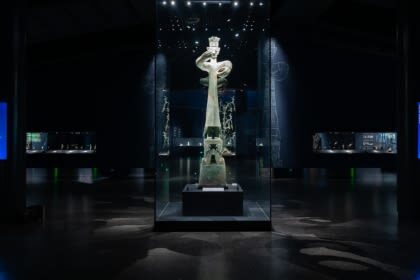
The Bronze Gallery, Hall 2, is the place to give yourself time. Its signature pieces include the bronze sacred tree, the vertical-eye mask and the bronze sun wheel. These are not small, quiet objects tucked away in a case. Their scale and unusual forms make them the visual heart of the museum.
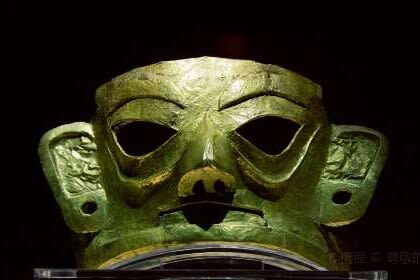
The vertical-eye mask is an easy piece to remember, but try not to rush from famous object to famous object. Look at the details and compare the forms around you. The works can seem similar if you race through the cases, and the quantity of artifacts may feel repetitive to some visitors. Taking a slower route helps you notice how much variety sits within that shared visual style.
Crowds are the main obstacle here. On busy days, it can be hard to get a clear view or take a photo without waiting. Arriving before the museum opens at 8:30 is a practical strategy, especially if you want to see the best-known pieces before the morning rush gathers. If photography matters, consider visiting those key displays first and returning later for a closer look at the rest.
Hall 3: Watch Restoration at Work
The Cultural Relics Restoration Hall, Hall 3, offers a different view of archaeology. You can watch restorers working through glass and see something of the careful labor involved in preserving objects after excavation.
This hall is open on weekdays, so check your date before making it a priority. During extended holiday and vacation hours, the museum may stay open later, but Hall 3 is excluded from those extended hours. If you are visiting on a weekday, it is worth including, particularly if the technical work behind archaeological discoveries interests you.
If you are following the efficient route and time is short, Hall 3 is optional. See the main galleries and sacrificial pit area first, then fit this stop in if the schedule allows.
The Sacrificial Pit Site: Objects in Their Archaeological Setting
The ticket also includes the sacrificial pit site area. This is an important counterpoint to the galleries: instead of seeing objects separated from their findspot, you can visit the area where the discoveries were made and get a sense of the archaeological setting.
The site visit may not have the same visual punch as the bronze collection, but it adds useful context. It connects the museum’s objects to the place and circumstances of their discovery. I would keep it in the plan rather than treating it as an optional extra, especially if you have come all this way to understand Sanxingdui beyond its famous masks.
The visit also makes the day feel more complete. The included admission covers the General Pavilion, Bronze Gallery, public park areas and sacrificial pit site. It does not cover special paid activities such as digital art theater reservations, archaeological research activities or other interactive projects.
How Much Time to Set Aside
A relaxed visit can take about three hours, with time to pause, browse and take a break. That is a useful minimum for the main halls and site area, not a guarantee that you will see every display at leisure. If you want to read closely, visit Hall 3 on a weekday, shop, or wait for clear views during a crowded period, allow more time.
A sensible full route is:
- Begin in Hall 1 to learn the broad outline of ancient Shu and see the gold staff, bronze standing figure and gold mask.
- Continue to Hall 2 for the bronze sacred tree, vertical-eye mask and sun wheel.
- Visit Hall 3 on a weekday to watch restoration work.
- Walk through the sacrificial pit site area.
- Finish at the cultural and creative zone or post office for souvenirs and commemorative stamps.
For a shorter visit, go straight to the second-floor Heaven, Earth, Humans, and Deities section in Hall 1, then see the key objects on the first floor and in Hall 2. Add Hall 3 only if time and opening hours allow.
Tickets, Guides and What the Price Buys
Admission starts at $15.69, though the final price can vary by date and ticket option. For that price, the basic ticket includes the three halls where open, public park areas and the sacrificial pit site. It is a good value if you want to see the major archaeological displays without paying for a tour.
The trade-off is that interpretation is not included. An electronic guide costs CNY 20 per unit, with a CNY 200 deposit. An official guided tour costs CNY 600 for a group of one to ten people. A separate three-hour Chinese-language join-in tour is also offered, with a maximum group size of 25 and admission included. Check the exact package before booking, since a guided option is a different product from the basic ticket.
If you are comfortable exploring independently, the ticket and a little advance reading may be enough. If the historical setting and meaning of the objects matter to you, the extra guide cost can be worthwhile. One practical complaint to keep in mind: there are no food options inside Hall 1, so plan a meal break outside the hall rather than expecting a café within it.
Getting There From Chengdu
The museum is at 133 Xi’an Road in Guanghan, Deyang City. Driving from Chengdu takes about one hour via the Jingkun Expressway, though your actual journey will depend on traffic and your starting point. Parking costs approximately CNY 20 per visit.
By train, travel from Chengdu East Station to Guanghan North Station, then transfer to a bus to the scenic area. The train portion is listed at about 40 minutes, but remember to include the transfer and the journey to and from your hotel. Public transport can be harder to manage if you do not have a Chinese phone number or local payment options, so check your transport plan before setting out.
The distance is the main reason to be selective if your Chengdu schedule is tight. Sanxingdui is not an easy add-on between nearby city sights. Give it a dedicated half-day at minimum, and allow extra time for transport and crowds.
Booking and Entry Details That Matter
The voucher is valid only on the selected date, and you must enter within opening hours. Regular hours are 8:30 a.m. to 6 p.m., with ticket sales ending at 4:30 p.m. During Golden Week, short holidays, and winter and summer vacations, hours may extend to 8 p.m., but Hall 3 does not share those extended hours.
Book one day ahead if possible, and three to seven days in advance for holidays. Same-day availability may exist, but it is not something I would count on for a peak date. A booking also helps if you cannot use the museum’s direct booking options, though prices may differ from the museum’s own channels.
Entry uses real-name verification. Your ticket details must match the travel document you bring. With a Chinese ID card, you can scan the original card at entry. If you use a passport, Taiwan Compatriot Permit, Mainland Travel Permit for Hong Kong and Macao residents, or another listed document, go to the manual ticket-check lane after security. No paper ticket is required.
Take particular care with age-related ticket rules. Children under 6 are admitted free; children aged 6 to 18 receive half-price admission. Hong Kong, Macao and Taiwan discounted tickets have specific document and age requirements. Do not assume that a foreign visitor over 60 qualifies for free entry: confirm the applicable rule and buy the correct ticket before travelling, especially on a sold-out date.
Who Should Make the Trip
Sanxingdui suits you best if archaeology, early civilizations or unusual ancient art hold your attention. It is also a strong choice for families with school-age children, as long as you are prepared to explain some displays and manage the distance from Chengdu. The exhibits are striking, but the experience is more rewarding when you give yourself time to read and reflect rather than treating it as a quick photo stop.
It may be less appealing if you have only a short stay in Chengdu, dislike crowds or prefer museums with a guide built into admission. Some displays can feel repetitive without context, and popular areas may be shoulder-to-shoulder on holidays. An audio guide or separate tour can help, but it adds cost.
Should You Book Sanxingdui Museum?
Book it if you have a half-day to spare and want to see one of Sichuan’s most distinctive archaeological collections. The bronze masks, sacred tree, gold objects and sacrificial pit site make a compelling visit, and the basic ticket covers the core museum experience at a reasonable starting price.
Plan the transport, check Hall 3’s weekday schedule and use a guide if you want more than a visual overview. If your Chengdu time is very limited, weigh the hour-long drive each way against the rest of your plans. Sanxingdui is worth the effort, but it deserves enough time to make the journey count.
Sanxingdui Museum
“There are no issues with usage; you can enter directly by swiping your Mainland Travel Permit for Taiwan residents!”
FAQ
How much does admission cost?
The listed starting price is $15.69. Prices can vary by date and package, so check the selected ticket before booking.
What does the basic ticket include?
It includes the General Pavilion, Hall 1, Bronze Gallery, Hall 2, Cultural Relics Restoration Hall, Hall 3, when open, public park areas and the sacrificial pit site area.
Is a guided tour included?
No. The basic ticket does not include a guide. An electronic guide and separate guided-tour options are available for an extra charge.
When is Hall 3 open?
Hall 3 is open on weekdays. It is not included in the museum’s extended holiday and vacation hours.
What are the regular opening hours?
Regular hours are 8:30 a.m. to 6 p.m., and ticket sales stop at 4:30 p.m. Extended hours may apply during Golden Week, short holidays, and winter and summer vacations.
How do I get to Sanxingdui from Chengdu?
You can drive via the Jingkun Expressway, with the journey listed at about one hour. By train, go from Chengdu East Station to Guanghan North Station, then transfer to a bus to the scenic area.
What travel document should I bring?
Bring the original document used for the real-name booking, such as your passport or applicable travel permit. The information on your booking must match your document. Passport holders and people using other listed permits should use the manual ticket-check lane after security.
Are children admitted free?
Children under 6 on the day of the visit are admitted free. Children aged 6 to 18 receive half-price admission.