Sacromonte’s story is written into the hillside. At this museum, you step into real caves and explore ten recreated homes that show how Romani families lived in Granada in the 18th century. It is a more grounded look at local culture than another stroll past pretty façades.
I like two things in particular: the exhibits connect everyday work, from forging and weaving to farming, with life in the caves, and the outdoor path ends at a full-scale Darro Valley model with views toward the Alhambra. That mix makes the visit feel like more than a series of rooms.
The main consideration is the setting. The museum sits on a hillside, and reaching it can involve a walk; one visitor found the climb worthwhile, but it is sensible to plan your route. The museum is listed as wheelchair-accessible, and bus C34 stops about two minutes away.
- What to know before you go
- Entering the Sacromonte cave homes
- Craft exhibits with a practical purpose
- The Nature Room and life off the land
- Walking to the Darro Valley model
- Getting there and planning your visit
- Is the ticket good value?
- Who should make time for it?
- Should you book?
- FAQ
- How long should I allow for the museum?
- What does the ticket include?
- Is the museum open every day?
- How do I get to the museum by bus?
- Can I drive to the museum?
- Is the museum wheelchair-accessible?
- Do children need a ticket?
- Can I use my ticket on a different date?
- The Best Of Granada!
- More Tickets in Granada
- More Tours in Granada
- More Tour Reviews in Granada
- Not for you? Here's more nearby things to do in Granada we have reviewed
What to know before you go
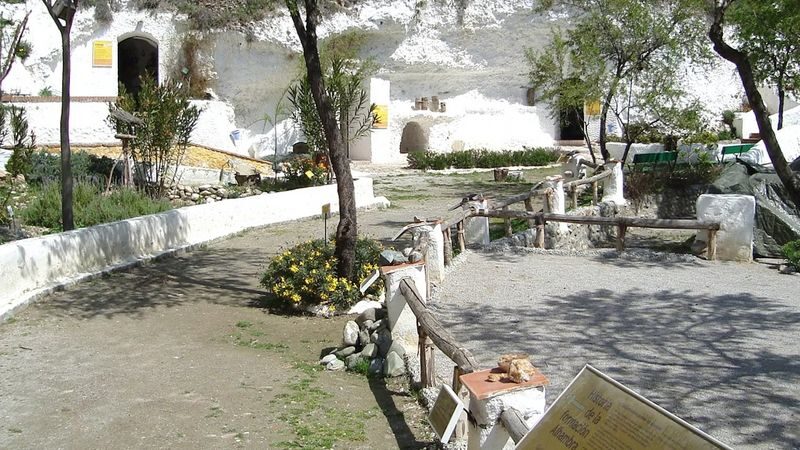
- Ten recreated caves give you a look at domestic spaces associated with 18th-century Romani life in Sacromonte.
- Traditional crafts take center stage, including forging, ceramics, basketwork and weaving.
- The Nature Room connects people to place, with information on local vegetation, farming and climate.
- A short outdoor path adds a viewpoint, with a full-scale model of the Darro Valley and views of the Alhambra.
- Admission is self-guided: the ticket covers the museum, but not a tour guide or audio guide.
- Plan for one to two hours, and use bus C34 if you want to avoid driving into the restricted historic area.

👉 See our pick of the 2 Best 3 Day Tours In Granada
Entering the Sacromonte cave homes
This is not a museum built to imitate a cave village from a safe distance. The exhibits are set inside real Sacromonte caves, and the ten recreated interiors give the visit its shape. You move through spaces designed to explain how early Romani settlers made homes on Cerro de San Miguel.
The value is in seeing domestic life in context. Rather than treating the caves as a curiosity, the displays link the homes to the skills and resources needed to live there. You can consider how people worked, made useful objects and adapted to the conditions around them.
The museum focuses on Romani life in 18th-century Granada. That focus matters: it gives you a specific period and community to keep in mind, rather than suggesting that a handful of rooms can explain every part of Romani history. Take the exhibits as an introduction to one setting and way of life.
The cave interiors also offer a welcome change from Granada’s sunny streets. A visitor found them surprisingly cool inside, a practical detail worth remembering if you are walking in warm weather. The temperature is not a reason to skip sun protection on the route, but stepping into the caves can be a pleasant pause.
You can also read our reviews of more tours and experiences in Granada


Craft exhibits with a practical purpose
Forging, ceramics, basketwork and weaving are among the crafts represented here. These are not just decorative traditions: they point to practical skills and the objects people needed for daily life. The exhibits help you think about work as part of the story of the caves, not as a separate display of old techniques.
I especially like that several crafts appear together. That gives you a broader sense of how knowledge and making could shape a community’s self-sufficiency. The museum does not include a guide or audio guide with this ticket, so take your time with the displays and read what is available rather than expecting a narrated tour.
The recreated homes and craft displays work best as a connected visit. Look at the dwellings first, then consider how the skills on show might relate to life in them. You are not being promised a live demonstration, so come for the chance to see and understand the subjects, not to take part in a workshop.
The Nature Room and life off the land
The Nature Room broadens the story beyond the cave walls. It covers local farming, vegetation and climate, giving you a way to understand the surroundings that supported a self-sufficient lifestyle. In a place where the hillside is always in view, that context helps connect the homes to the terrain around them.
This section is useful if you want more than a look at interiors. It asks you to think about what people could grow, gather or make use of locally, and how weather and land shaped daily routines. The information is a reminder that a home is not just its walls; it also depends on the resources nearby.
The museum’s combination of cultural and natural subjects is one of its strongest points. You can move from the human scale of a recreated dwelling to the wider question of how the community lived off the land. That makes the visit relevant even if you are not usually drawn to museums devoted to architecture or craft alone.
Walking to the Darro Valley model
After the cave exhibits, follow the nature path to the full-scale model of the Darro Valley. The walk adds an outdoor element and gives you a different way to read the surrounding area. From there, you can take in views of the valley and the Alhambra.
The view is a highlight, but it should not be the only reason to come. The museum’s cultural displays are the core of the experience; the path and outlook are a useful bonus that make the setting part of the visit. If you are short on time, allow enough room for both the cave rooms and the walk rather than treating the museum as a quick photo stop.
The route is on a hillside. One visitor described the location as a climb and felt the effort was worthwhile, so factor that into your plans, especially if you are already tired from walking around Granada. The activity is listed as wheelchair-accessible, but if you have specific access needs, check the latest details with the museum before setting out.
Getting there and planning your visit
The museum’s address is Barranco de los Negros, s/n, accessed via C. Verea de Enmedio in Granada. Bus C34, heading toward Sacromonte, stops at Barranco de los Negros – Museo Cuevas del Sacromonte. From the stop, the walk is about two minutes.
Private vehicles are restricted in the Albaicín-Sacromonte historic area, so the bus is the recommended option. That is a useful point to settle before you go: a map may make the museum look close to the center, but driving into the old quarter is not the simple choice here.
The visit usually takes one to two hours. In winter, from October 15 to March 14, the museum is open daily from 10 a.m. to 6 p.m., with last entry at 5:40 p.m. In summer, from March 15 to October 14, it is open daily from 10 a.m. to 8 p.m., with last entry at 7:40 p.m. Hours and closure dates can change, so check current information before your visit. The museum closes from December 25 through January 1.
Your ticket is valid only on the selected date, and you enter by presenting your mobile voucher. Children aged 0 to 10 enter free; children aged 11 and older pay the adult rate. Admission does not include transport, a guide, an audio guide, gratuities or personal expenses.
You can also read our reviews of more museum experiences in Granada


Is the ticket good value?
At a starting price of $7.39, this is an affordable cultural stop, especially if you want to understand a side of Granada beyond its best-known monuments. The ticket covers admission to ten cave interiors, craft displays, the Nature Room and the outdoor path. You will need to bring your own curiosity: there is no guide or audio commentary included.
Value depends on your interests. If you enjoy social history, traditional crafts or seeing how people adapted homes to a particular place, the exhibits give you a clear reason to visit. If you mainly want a fast viewpoint, you may find the museum itself takes more time than you planned, and the walk is only one part of the experience.
The small set of available visitor ratings is very positive, with praise focused on learning about cave life and the cultural mix of the exhibits. One visitor specifically found the uphill approach worth the effort, while another appreciated how cool the caves felt inside. Those points capture the trade-off well: the setting asks a little more of you, but the visit offers both a distinctive indoor experience and a rewarding outlook.
Who should make time for it?
I would put this museum high on the list for anyone curious about Romani history in Granada, traditional crafts or the city’s hillside communities. It also suits visitors who want a quieter change of pace from major monument visits and are happy to spend an hour or two with exhibits rather than a live performance.
Families may appreciate the variety of rooms and the outdoor route, and children aged 10 and under enter free. Still, the subject is best suited to anyone willing to look closely and read about everyday life, rather than expecting hands-on activities or entertainment.
If your schedule is tight, pair the visit with other time in Sacromonte rather than making a rushed dash up the hill. If you have mobility concerns, note both the stated wheelchair access and the hillside location, then confirm the route and facilities that matter to you.
Should you book?
Book this ticket if you want a modestly priced, specific look at Romani life and traditional work in Granada, with a scenic path as a bonus. It is not a guided tour, and the approach may involve a climb, so it is less suited to anyone seeking a low-effort stop or detailed live commentary. For visitors with an interest in the people and practical skills behind Sacromonte’s cave homes, it is a worthwhile use of one to two hours.
Sacromonte Caves Museum ticket in Granada
“best experience to know more about original people of spain. blend of mixture culture religion and arts. worth visit”
FAQ
How long should I allow for the museum?
Plan for 1 to 2 hours. That gives you time for the cave exhibits, the Nature Room and the outdoor path.
What does the ticket include?
It includes admission to the Sacromonte Caves Museum. A guide, audio guide, transport and personal expenses are not included.
Is the museum open every day?
It is listed as open Monday through Sunday. Winter hours are 10 a.m. to 6 p.m., and summer hours are 10 a.m. to 8 p.m. The museum is closed from December 25 through January 1. Check current hours before visiting, as they can change.
How do I get to the museum by bus?
Take bus C34 toward Sacromonte and get off at Barranco de los Negros – Museo Cuevas del Sacromonte. The museum is about a two-minute walk from the stop.
Can I drive to the museum?
Private vehicles are restricted in the Albaicín-Sacromonte historic area. Public transport, including bus C34, is recommended.
Is the museum wheelchair-accessible?
The activity is listed as wheelchair-accessible. Because it is in a hillside setting, check directly with the museum about any access details that are important for your visit.
Do children need a ticket?
Children aged 0 to 10 enter free. Children aged 11 and older are charged the adult rate.
Can I use my ticket on a different date?
No. The voucher is valid only on the selected date, and at the selected time if one applies. Present your mobile voucher at entry.