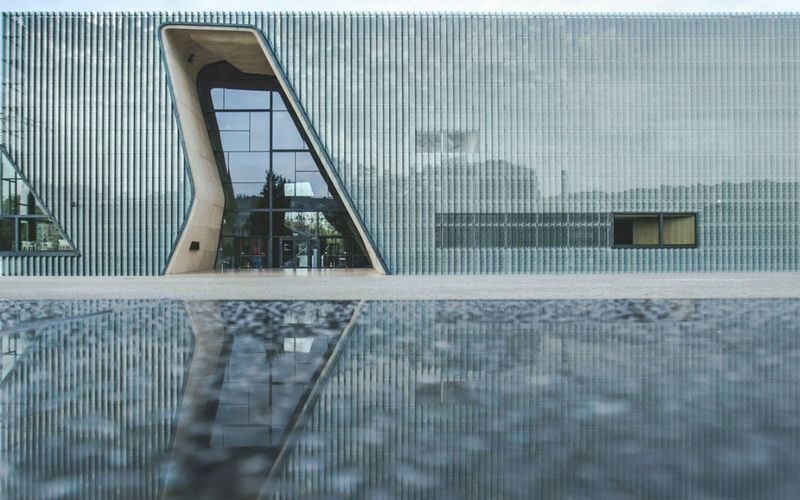
POLIN Museum tells a story that stretches across more than 1,000 years, linking Jewish life in Poland with questions of identity, coexistence, and prejudice that still matter today. I like that the visit pairs a broad historical view with an explicit invitation to think about the present.
Two details make this a strong choice for a thoughtful Warsaw visit: the audio commentary is available in 13 languages, and the ticket information includes the core exhibition, a current temporary exhibition, and the Legacy Gallery. You can explore at your own pace, rather than keeping step with a group.
The main consideration is time and energy. Following the audio guide can take about two hours, and the exhibition is substantial. If you try to rush through every section without a pause, the museum may feel like a long day indoors.
- Key points before you go
- A museum that connects history with questions now
- Following the core exhibition at your own pace
- The temporary exhibition and Legacy Gallery
- Audio guide or an on-site tour?
- What the ticket costs, and how to judge its value
- Choose your day and arrive with time to spare
- Getting to Mordechaja Anielewicza Street
- Who will get the most from POLIN?
- Should you book this museum ticket?
- FAQ
- How long should I allow for the visit?
- What does the ticket include?
- Is there a free admission day?
- Which languages are available for the audio commentary?
- How do I get to the museum by public transport?
- Is the museum wheelchair-accessible?
- The Best Of Warsaw!
- More Tickets in Warsaw
- More Tours in Warsaw
- More Tour Reviews in Warsaw
- Not for you? Here's more nearby things to do in Warsaw we have reviewed
Key points before you go
 1 / 6
 2 / 6
 3 / 6
 4 / 6
 5 / 6
 6 / 6
- More than 1,000 years of history: The museum follows Jewish life in Poland across a long span, with attention to culture, contributions, identity, and coexistence.
- Three exhibition areas are listed: The core exhibition, current temporary exhibition, and Legacy Gallery are described as included, though the package label specifies the core exhibition. Check the exact ticket details before purchase.
- Audio guide in 13 languages: Options include English, Polish, Hebrew, Chinese, Spanish, German, French, Italian, Russian, Japanese, Ukrainian, Czech, Belarusian, and Lithuanian.
- Plan around the last entry time: On most open days, the core exhibition’s last admission is 16:00. Saturday offers later entry, with a 20:00 closing time.
- Thursday can be free for two exhibitions: Free admission to the core and temporary exhibitions is offered on Thursdays through a free ticket option.
- Take breaks on purpose: The full audio-guide route takes about two hours. Restrooms and cafes along the way can help you keep your attention fresh.

👉 See our pick of the 25 Best Guided Tours In Warsaw
A museum that connects history with questions now
POLIN is not simply a place to collect dates and names. Its stated focus is the history and culture of Jewish communities in Poland, alongside themes of resilience, identity, and coexistence. The museum also addresses stereotypes, xenophobia, and nationalistic bias, asking you to consider how accounts of the past shape present-day attitudes.
That broader purpose affects how I would plan the visit. If you want a quick indoor stop between sights, this may not be the right fit. If you are ready to spend time with a difficult, meaningful subject, POLIN offers room to consider both Jewish and Polish perspectives and the ties between them.
The museum’s aim is to foster openness, tolerance, and truth. Those are large ambitions, but they give the visit a clear frame: history here is not treated as safely finished or separate from modern life. You can expect a serious museum experience, not a light diversion.
You can also read our reviews of more tours and experiences in Warsaw


Following the core exhibition at your own pace
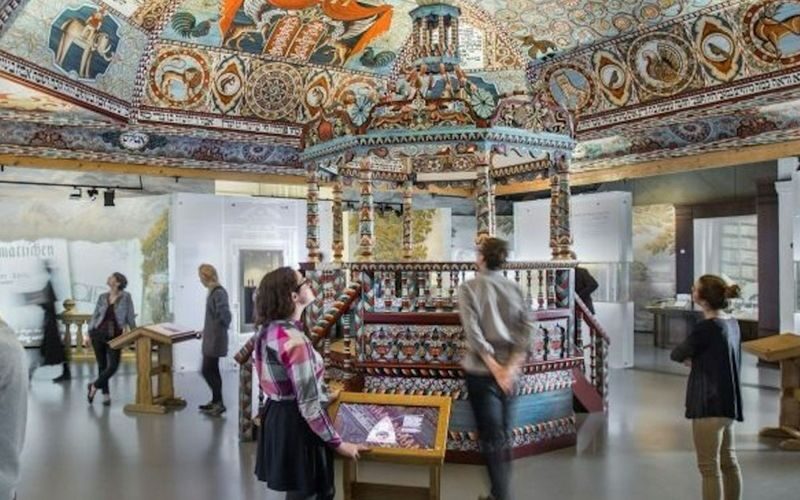
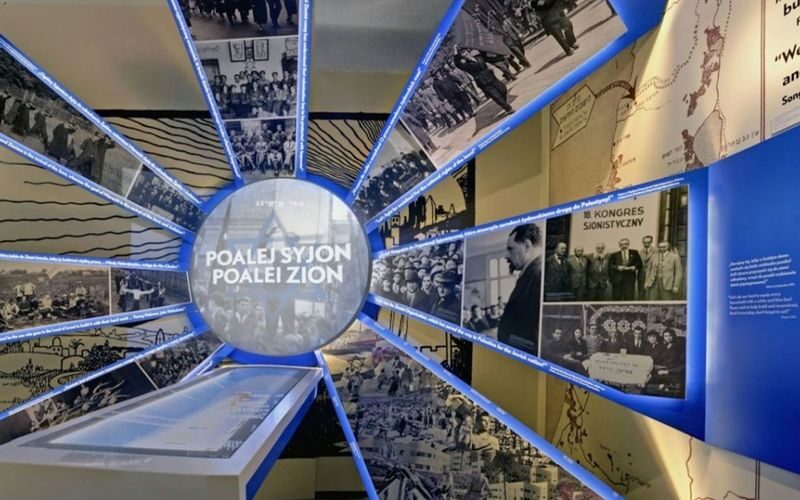
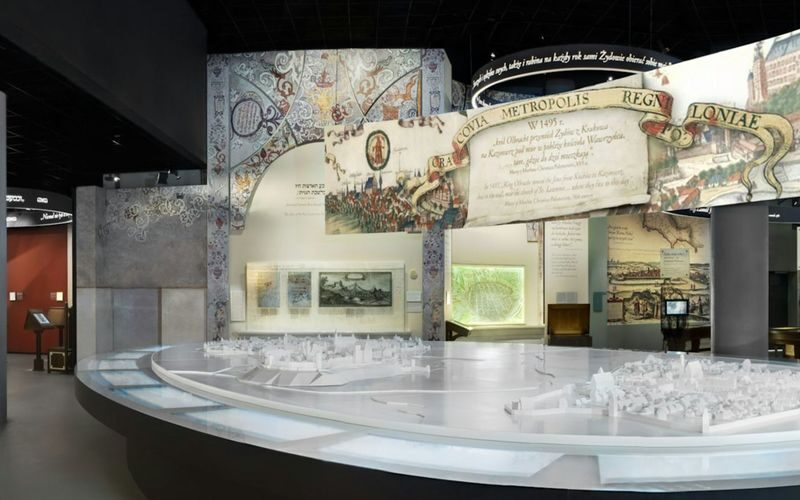
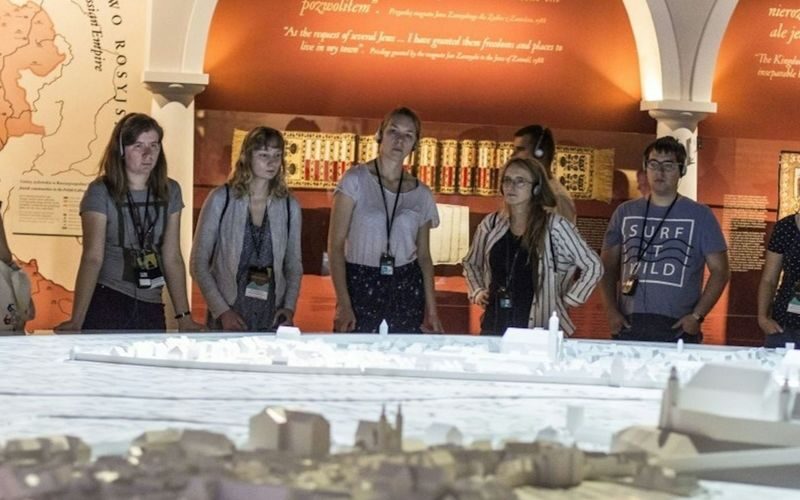
The core exhibition is the main reason to come, covering more than 1,000 years of Jewish history in Poland. The information provided does not set out a room-by-room route, so I would avoid arriving with a checklist of named displays. Instead, give yourself space to follow the exhibition’s broader account of Jewish life, culture, and contributions over time.
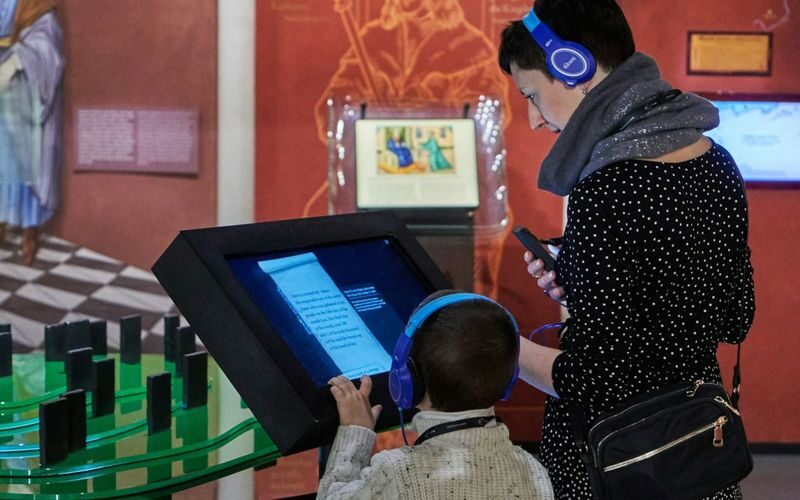
An audio guide is available in 13 languages, including English. That is useful if you want context as you move through the material, and it lets you choose your own pace rather than joining a scheduled tour. One visitor found that following the guide took about two hours, a practical estimate for planning, though your own timing will depend on how long you pause.
I would not treat two hours as a target to beat. The museum covers a long and complex history, and the subjects call for attention. If your concentration starts to fade, take a break. Restrooms and cafes are available along the way, and a short pause may help you return to the exhibition with more focus.
The temporary exhibition and Legacy Gallery
The ticket details describe admission to the current temporary exhibition as well as the core exhibition and Legacy Gallery. The temporary exhibition changes, so check the museum’s latest information before you go if that part of the visit matters to you. The subject and contents are not specified here, and you should not assume that a particular exhibit will be on display.
The Legacy Gallery is also listed as included, but the package option is labeled Admission ticket, with admission to the core exhibition. That difference makes it worth checking the exact package wording at checkout or with the ticket provider before you pay. The broader ticket details name all three areas, but the package label is narrower.
If the ticket you select does include all three, think of the core exhibition as the visit’s main course and the temporary exhibition and Legacy Gallery as additional context. Leave enough time to see them without turning the day into a race. If your available time is limited, prioritize the core exhibition and confirm whether the other areas are covered by your chosen ticket.
Audio guide or an on-site tour?
The audio guide suits independent visitors who want a flexible visit. It is offered in English, Chinese, Spanish, Russian, Japanese, German, French, Italian, Polish, Ukrainian, Czech, Hebrew, Belarusian, and Lithuanian. That range is a real advantage for a museum dealing with complicated historical material, especially if you prefer hearing explanations in a language you know well.
You can also arrange a guided tour on-site for an extra fee, in English or Polish. No guide names, tour duration, or group size are specified, so ask at the museum if you want those details before deciding. A live guide may suit you if you prefer to ask questions as you go; the audio guide is the simpler choice if you want to pause, move on, or take a break when it suits you.
The two available approaches serve different needs. If you like control over your pace, use the audio guide. If you would rather have a person lead the visit, check availability and cost on site, and allow for the added expense.
What the ticket costs, and how to judge its value
Tickets start at $12.65. For that price, the stated inclusions are admission to the core exhibition, the current temporary exhibition, and the Legacy Gallery, though the package label identifies the core exhibition. Confirm the precise inclusions for your selected ticket before booking so you know what you are paying for.
The value here depends less on how many attractions you can squeeze into a day and more on how much time you want to give this subject. A two-hour audio-guided visit is a substantial block of time, and the museum’s focus is educational rather than purely entertaining. If you want a thoughtful account of Jewish history in Poland, the price can make sense for a focused museum visit. If you are only looking for a brief stop, the time commitment may matter more than the ticket cost.
Thursday is an important exception to check. Admission to the core and temporary exhibitions is free on Thursdays when you select the free ticket option. The details do not say that the Legacy Gallery is included in this free admission, so confirm its status if you plan your visit around it.
Reduced admission is available for children aged 7 to 17, seniors aged 65 and older, and students with a valid student ID. Children aged 0 to 6 enter free, and children aged 0 to 11 must be accompanied by a paying adult.
You can also read our reviews of more historical tours in Warsaw


Choose your day and arrive with time to spare
The museum is open Monday, Wednesday, Thursday, Friday, and Sunday from 10:00 to 18:00. On those days, the last admission to the core exhibition is 16:00, while the temporary exhibition admits visitors until 17:30. That difference matters: you may still be able to enter the temporary exhibition after the final entry time for the core exhibition.
On Saturday, the museum is open from 10:00 to 20:00. Last admission to the core exhibition is 18:00, and to the temporary exhibition 19:30. Saturday’s later hours can help if you need a longer visit or prefer to arrive later in the day, but I would still allow enough time for the core exhibition rather than turning up near closing.
POLIN is closed on Tuesdays and on the listed dates: 5 April, 4 June, 21 September, 1 November, 24 and 25 December, and 31 December. Hours and closure dates can change, so check the latest schedule before setting out. The voucher is valid only for the specified date and time, if a time is shown.
Getting to Mordechaja Anielewicza Street
The museum’s address is Mordechaja Anielewicza 6, 00-157 Warszawa. By bus, take route 180 or 111 to the Nalewki-Muzeum stop, then walk about one minute. By tram, take route 17 or 33 to Anielewicza, or route 15, 18, or 16 to Muranow, then walk about 500 metres west along Anielewicza Street.
At the entrance, expect a security check. You can store belongings in lockers by the entrance, which is handy if you do not want to carry everything through a long exhibition. A limited number of wheelchairs can be rented in the main hall, and the activity is wheelchair-accessible.
You can present your mobile voucher and scan it at the ticket office. Photography is allowed, but flash photography is not. Commercial photography or video, and live broadcasting, are prohibited.
Who will get the most from POLIN?
I would recommend POLIN to you if you want a serious, well-supported introduction to Jewish history in Poland and are willing to give the subject time. The broad historical scope, multilingual audio, and focus on present-day questions make it a good fit for curious independent visitors, students, and families with older children who are ready for a thoughtful museum.
Families should note the age rules: children 0 to 6 enter free, while those aged 0 to 11 must be with a paying adult. The material is substantial, so consider your child’s interest and attention span before planning a full two-hour visit.
This may be less suitable if you have a packed schedule or prefer museums you can skim in half an hour. You can shorten the visit, of course, but that means making choices about what to see. I would rather plan a calm visit and take a break than try to absorb everything at speed.
Should you book this museum ticket?
Book POLIN if you want more than a quick overview of Warsaw and are ready to spend time with a complex, important history. The audio guide makes independent exploration practical, and the museum’s themes connect the past with issues that remain relevant.
Before paying, check which exhibition areas your chosen package covers, especially because the ticket details and package label differ. Check the latest hours, consider the free Thursday option for the core and temporary exhibitions, and leave roughly two hours for the audio-guided core exhibition. With those details settled, this is a worthwhile choice for a thoughtful day in Warsaw.
POLIN Museum of the History of Polish Jews Ticket in Warsaw
“The content was substantial, and I learned a great deal. The audio guide was very helpful. Following the guide took about two hours. I think I migh…”
FAQ
How long should I allow for the visit?
Following the audio guide through the exhibition took about two hours. You may need more or less time depending on how often you pause and whether you visit the additional exhibition areas.
What does the ticket include?
The ticket details list admission to the core exhibition, the current temporary exhibition, and the Legacy Gallery. The package option is labeled as admission to the core exhibition, so check the exact inclusions for your selected ticket.
Is there a free admission day?
Admission to the core and temporary exhibitions is free on Thursdays. Select the free ticket option. The information does not specify whether the Legacy Gallery is included in that free admission.
Which languages are available for the audio commentary?
Audio commentary is available in English, Chinese, Spanish, Russian, Japanese, German, French, Italian, Polish, Ukrainian, Czech, Hebrew, Belarusian, and Lithuanian.
How do I get to the museum by public transport?
Take bus 180 or 111 to Nalewki-Muzeum, about a one-minute walk away. Tram 17 or 33 stops at Anielewicza; trams 15, 18, and 16 stop at Muranow, followed by a walk of about 500 metres west along Anielewicza Street.
Is the museum wheelchair-accessible?
Yes. The activity is wheelchair-accessible, and a limited number of wheelchairs can be rented in the museum’s main hall.