Noryangjin is not a quiet row of fish counters. It is a major wholesale market where enormous quantities of seafood move through Seoul, and this tour gives you a guide to help make sense of what you are seeing. The market has traded since 1927 and handles about half of the metropolitan area’s seafood volume.
I like two things in particular: you get an English-speaking guide to explain the seafood and local customs, and the tour includes a meal rather than leaving you to negotiate a market purchase on your own. Guides such as Sophie, Joy, Sujin, and Sally have led tours, with past meals featuring sashimi, fish soup, rice, and side dishes.
One thing to check before booking is the schedule. The tour details give a 10 a.m. to noon visit, but the meeting information also lists 2:50 p.m. Confirm your actual start time, and remember that seafood choices and the menu can change with the season.
- What to know before you go
- Reading Noryangjin’s scale
- The two-hour walk through the stalls
- Choosing seafood and sitting down to eat
- What the guide adds
- Is the price worth it?
- Who should book this market tour?
- FAQ
- Where does the tour take place?
- How long is the tour?
- What time does the tour start?
- Where is the meeting point?
- Is a guide included?
- Is food included?
- What food might be served?
- Are children allowed?
- Is insurance included?
- What is the cancellation policy?
- The Best Of Seoul!
- More Food & Drink Experiences in Seoul
- More Tours in Seoul
- More Tour Reviews in Seoul
- Not for you? Here's more nearby things to do in Seoul we have reviewed
What to know before you go
 1 / 2
 2 / 2
- A working wholesale market: Noryangjin trades about 250 to 300 tons of fishery products each day and supplies roughly half of metropolitan Seoul’s seafood.
- A guide makes the market easier to read: Your English-speaking guide can explain seafood types, Korean food customs, and what to choose at the stalls.
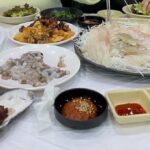
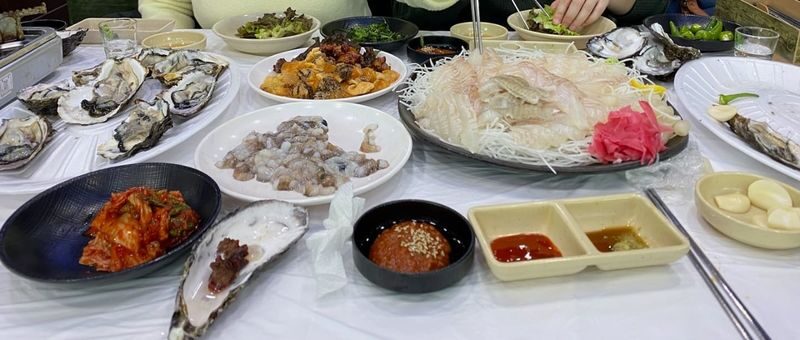
- The meal is part of the appeal: Past tour meals have included a generous sashimi serving, side dishes, fish soup, and rice. Other reported dishes include live octopus and seafood hotpot, but the menu can vary.
- Two hours, including a meal: The scheduled visit runs from 10 a.m. to noon, so expect a brisk market visit rather than a long, slow food tour.
- Check the time and price carefully: The supplied schedule and meeting details do not match, and the quoted prices differ between the summary and package information.
👉 See our pick of the 25 Best Guided Tours In Seoul
Reading Noryangjin’s scale
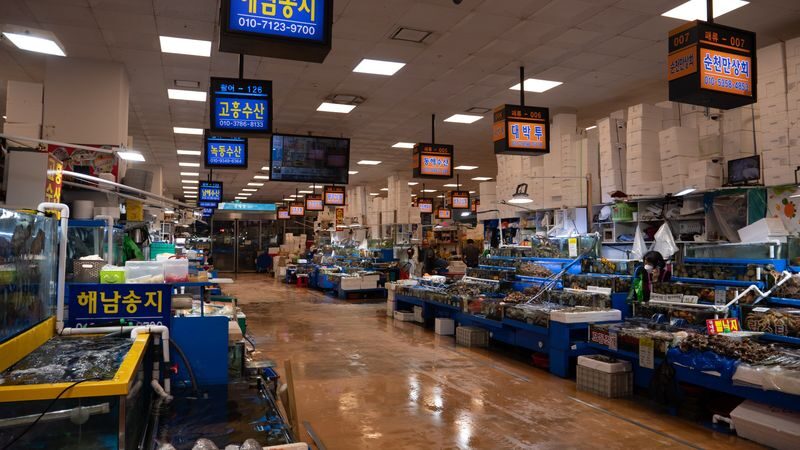
Noryangjin Fishery Wholesale Market is more than a place to order seafood. It is part of the machinery that feeds a large city. The market opened in 1927 on Uiju-ro Street near Seoul Station, and today it handles around 250 to 300 tons of fishery products a day. Its volume accounts for about half of metropolitan Seoul’s seafood trade.
That scale helps explain why the market is worth a visit even if you are not a devoted seafood eater. You can see how fish and shellfish are displayed, bought, and turned into a meal, all in one place. The market is a working trade center, not a staged cultural attraction, so the experience is rooted in everyday commerce.
A guide can help you connect the sights to Korean food culture. Seafood counters can be hard to interpret when you do not know the names of the fish, how the buying process works, or what dishes to order. With an English-speaking guide, you can ask questions as you go and get recommendations based on what you do and do not like.
The market is also a chance to see the range of seafood available in Korea. One tour description divides the market into sections for live sashimi fish, frozen products, fermented seafood, and shellfish. That variety is useful context: Korean seafood is not just raw fish, and the market gives you a look at several ways it is sold and eaten.
You can also read our reviews of more food & drink experiences in Seoul


The two-hour walk through the stalls
The activity is listed as a two-hour guided visit, with a departure at 10 a.m. and a return at noon. You meet at Noryangjin Fisheries Wholesale Market, near Exit 7 of Noryangjin Station. The tour information asks you to arrive 10 minutes early, which is sensible for a fixed start time.
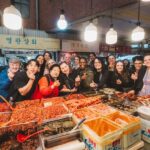
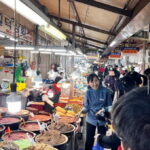
Once inside, expect to move through a large market with a guide pointing out seafood and explaining what you are seeing. Past tours have included visits to different types of stalls, from live seafood to shellfish and fermented products. The point is not simply to look at fish; it is to get enough context to understand what is on display and how to choose something to eat.
The guide’s role seems to be a major part of the value. Sophie, Joy, Sujin, and Sally are among the guides named by people who took the tour. Their strengths, as described, include answering questions about seafood, Korean culture, history, and geography, making recommendations, and adjusting the pace to the group. That personal help matters in a market where language and unfamiliar products can make a simple choice feel complicated.
Do not assume the tour will include an auction. The experience description mentions high-energy auctions, but the schedule and past tour accounts do not establish that every departure sees one. If watching an auction is your main reason for booking, ask the operator whether it is expected at your chosen time.
The market can be busy, and the visit is short. If you want to study every counter or linger over the trade, two hours may feel compressed, especially because the meal is included in that time frame. If you mainly want an introduction, a guided look around, and a seafood lunch, the length is more practical.
Choosing seafood and sitting down to eat
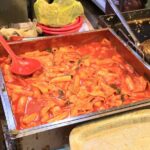
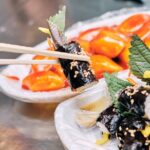
The meal is the natural finish to the market visit, and it turns the tour from a walk among unfamiliar stalls into something you can taste. The included meal has been described as a generous serving of sashimi with side dishes, followed by fish soup and rice. Other meals have included live octopus and spicy seafood hotpot, so you may encounter a different combination depending on the season and what is available.
That variation is worth keeping in mind. The tour information says the menu may change with the season and ingredient supply. If you have a firm expectation of a particular fish or dish, do not treat it as guaranteed. Instead, think of the meal as a guided introduction to Korean seafood, with the exact catch determined by availability.
You can also ask your guide for help selecting seafood that suits your tastes. One guide was described as making recommendations while taking preferences into account, and helping with choices when the menu felt broad. That is useful if you are curious but unsure what to order, or if you would rather avoid a particular kind of seafood.
For seafood fans, this is likely the strongest part of the tour. You get to see the product at the market and then eat a prepared meal, which gives the visit a satisfying link between the stalls and the table. If you are not especially keen on seafood, the market may still be interesting, but the meal is a central part of the experience, not an optional extra.
Some dishes may be unfamiliar. Live octopus, for example, has featured in a past meal, but that does not mean it will appear on yours. If you are uneasy about raw or unusual seafood, tell your guide what you prefer and ask what is included before making your selection.
What the guide adds
A good guide can change the market from a maze of counters into a clear, human-scale experience. Here, the guide is not just leading you from one point to another. The job includes explaining seafood, helping you navigate choices, and offering a window into Korean customs and local history.
The named guides have been praised for speaking English well, answering questions patiently, and keeping the tour at a comfortable pace. One guide helped with directions back to the metro afterward, too. That small practical touch can be handy if you are still finding your way around Seoul.
The tour may suit solo visitors especially well. A solo diner can find it awkward to choose and order a seafood meal alone in an unfamiliar market. With a guide, you have someone to help interpret the options and share the meal experience. It can also work well for couples or families who want a structured first visit rather than trying to figure out the market independently.
There is a fair limit to what a two-hour visit can teach. One person wanted more detail about where the fish came from and how fishermen caught them. If that is your particular interest, tell the guide early and ask what they can cover. The tour’s stated focus is broader: seafood, market culture, and a meal, rather than a technical lesson in fishing and supply chains.
Is the price worth it?
The listed price information is inconsistent: the summary gives a starting price of US$185.05, while the package information says from US$160.89. Treat neither figure as a guaranteed final price. Check the date and checkout total before you book, and compare the price with what you would spend on a guided market visit and meal arranged on your own.
The value is not just the food. You are paying for an English-speaking guide who can explain the market, help you navigate the seafood choices, and make the meal less of a guessing game. If you are comfortable ordering seafood in Korean and exploring markets independently, you may not need that support. If you would otherwise pass by Noryangjin because it feels difficult to approach, the guide can make the visit worthwhile.
Lunch is included, but insurance is not. The same price applies to all ages, while children aged 0 to 3 are free. Since the listed meal can be substantial, it may also serve as a late breakfast or early lunch, depending on the confirmed start time.
The booking details ask you to show a mobile voucher and arrive 10 minutes before the activity. Cancellation gives a full refund if you cancel at least 48 hours before the activity date, using local destination time. Most important, resolve the time mismatch before you travel: the schedule says 10 a.m., while the meeting information separately lists 2:50 p.m.
You can also read our reviews of more tours and experiences in Seoul


Who should book this market tour?
Book it if you want to see a major Seoul food market with someone who can explain what is happening, then sit down to a Korean seafood meal. It is a good fit for curious eaters, seafood lovers, and first-time visitors who prefer a guided introduction to working markets.
It is less suited to anyone looking for a leisurely, multi-hour food crawl or a guaranteed lesson about auctions and fishing origins. The visit lasts two hours, and the menu depends on seasonal supply. If you are unsure about eating raw seafood, ask in advance what alternatives may be available.
I would make the call based on how comfortable you feel navigating a large seafood market by yourself. If the answer is not very, the guide and included meal are the main reasons to book. Confirm the schedule and price first, then go ready to ask questions and try something new.
Seoul: The Biggest Sea-food Noryangjin Market Tour
“highly recommended tour. unique to boot. our guide Sujin was very friendly and knowledgeable and we thoroughly enjoyed ourselves.”
FAQ
Where does the tour take place?
It takes place at Noryangjin Fisheries Wholesale Market in Seoul, South Korea.
How long is the tour?
The tour is listed as two hours.
What time does the tour start?
The schedule gives a 10 a.m. departure and a noon return, but the meeting information also lists 2:50 p.m. Confirm the correct time for your booking.
Where is the meeting point?
The meeting information identifies Exit 7 of Noryangjin Station and Noryangjin Fisheries Wholesale Market. Arrive 10 minutes before the scheduled start.
Is a guide included?
Yes. An English-speaking guide is included.
Is food included?
Yes. Lunch is included. The exact menu can change with the season and ingredient availability.
What food might be served?
Past meals have included sashimi, side dishes, fish soup, and rice. Other meals have included live octopus and seafood hotpot, but these dishes are not guaranteed.
Are children allowed?
Children aged 0 to 3 are free. The same price applies to all other ages.
Is insurance included?
No. Insurance is not included.
What is the cancellation policy?
You can receive a full refund if you cancel at least 48 hours before the activity date, using the destination’s local time.