Kathmandu’s food makes more sense when you learn how it is put together. This four-hour class pairs a local ingredient stop with hands-on cooking, so you can discover how spices shape dishes such as dal bhat and momos, then sit down to eat what you have made.
I like two things here: you get a practical introduction to Nepali food, and the class supports Journey Nepal, a social welfare organization that receives all the profits. The instructors are English-speaking, and the menu may include familiar favorites as well as treats such as sweet sel roti or chocolate momos.
One caveat: the advertised market visit can be brief or limited to a nearby shop, and some classes finish before the full four-hour window. If you want a long market tour or to prepare every dish from scratch, check your expectations before booking.
- The market stop is part of the lesson: You’ll see where ingredients are sourced, though the visit may be to one or two small shops rather than a large market.
- You cook Nepali and Newari food: Menus can include dal bhat, momos, curry, and sel roti, with options varying by session.
- The class runs in two daily slots: Choose 09:00 to 13:00 or 13:30 to 17:30.
- You eat what you make: The meal is a built-in finale, and some classes taste dishes as they are prepared.
- A rickshaw transfer is optional: Hotel pickup and return cost an extra US$3 each way per person.
- The stated price is modest, with a local benefit: The class starts around US$30 to US$31.50, and all profit goes to Journey Nepal.
- A food lesson that starts outside the kitchen
- What the market visit really adds
- From dal bhat to momos at the stove
- English-speaking instructors make the details easier
- Four hours on the schedule, but keep the day flexible
- What the price covers, and what it does not
- Dietary needs and other useful planning notes
- Should you book the Nepali Cooking Class?
- FAQ
- How long is the Nepali cooking class?
- Where does the class meet?
- Is the hotel rickshaw transfer included?
- What food will I learn to cook?
- Can I tell the school about dietary requirements?
- What should I bring?
- The Best Of Kathmandu!
- More Cooking Classes in Kathmandu
- More Tours in Kathmandu
- More Tour Reviews in Kathmandu
- Not for you? Here's more nearby things to do in Kathmandu we have reviewed
A food lesson that starts outside the kitchen
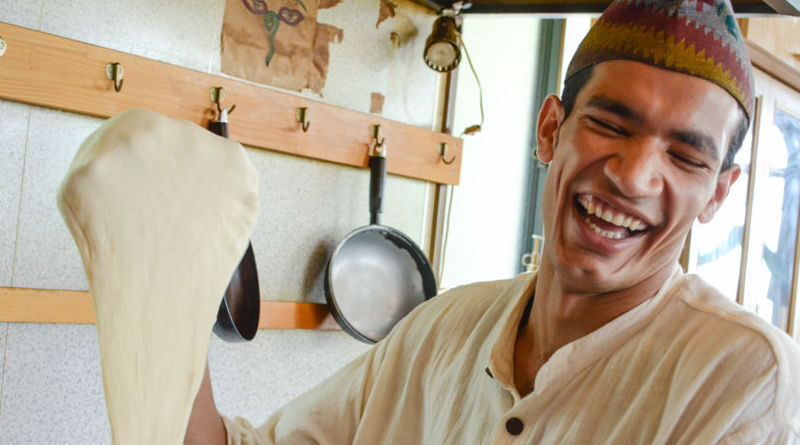
Nepali Cooking School is on Paknajol Marg in Thamel, a useful base if you are staying in Kathmandu’s central tourist district. The class is designed for beginners, not aspiring restaurant chefs. You’ll learn about local ingredients, spices, and cooking methods while making familiar home-style food with a teacher beside you.
The four-hour format gives the session room for more than a recipe demonstration. You start with a local shopping stop, return to the school, cook, and share the results. It’s a good way to connect a plate of food with the ingredients and everyday habits behind it.
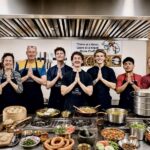
The experience is also a social activity. Classes can be small, and at times you may find yourself in a one-on-one lesson with instructors. That can make it easier to ask questions and get help with a recipe, though a private-feeling class may feel more intense than cooking with a larger group. If you’re hoping to meet other travelers, group size can vary.
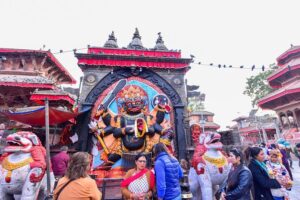
👉 See our pick of the 14 Best Shopping Tours In Kathmandu
What the market visit really adds
The local shopping stop is more than a scenic prelude. It gives you a chance to see the produce and spices used in Nepali cooking, and to hear how ingredients are selected and used. Some participants have visited a market and nearby shops, while others have found the stop limited to one small shop. Treat it as a short introduction to food shopping in Kathmandu, not a guided market tour with a long list of stalls.
This part can be especially useful if you want to recreate the dishes at home. Instructors introduce vegetables and spices, and explain how a spice can play different roles across recipes. Take the suggested notebook and pen if you want to record names, quantities, or steps. You can also ask what is easy to find outside Nepal and what might need a substitute.
The class description includes a rickshaw ride back to the cooking school after shopping. Hotel transfers by rickshaw are a separate optional service, priced at US$3 each way per person. If you book that service, be in your hotel lobby ten minutes before the pickup time. The operator is expected to confirm the pickup time in advance.
You can also read our reviews of more cooking classes in Kathmandu

From dal bhat to momos at the stove
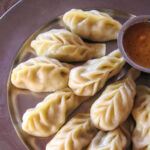
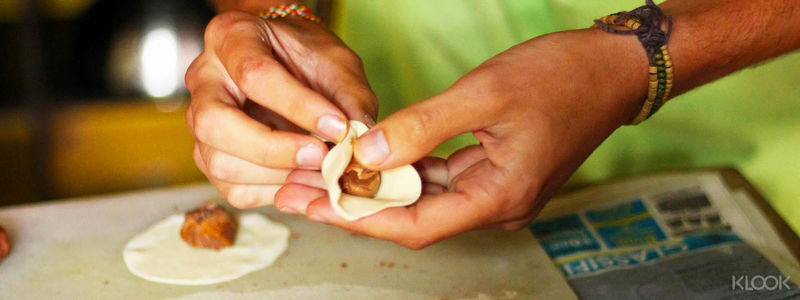
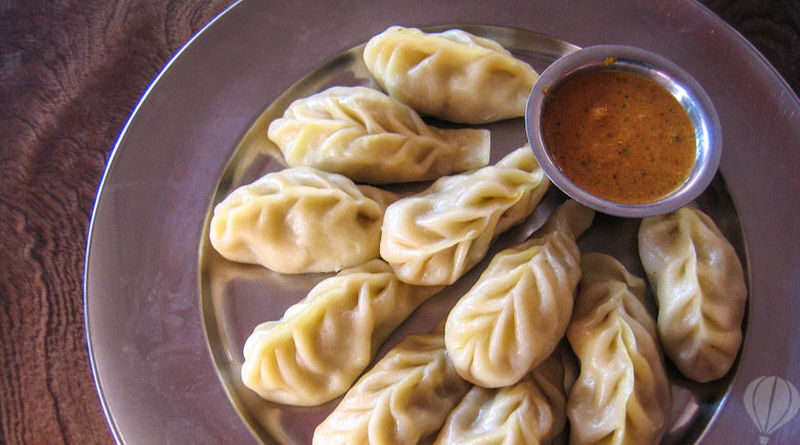
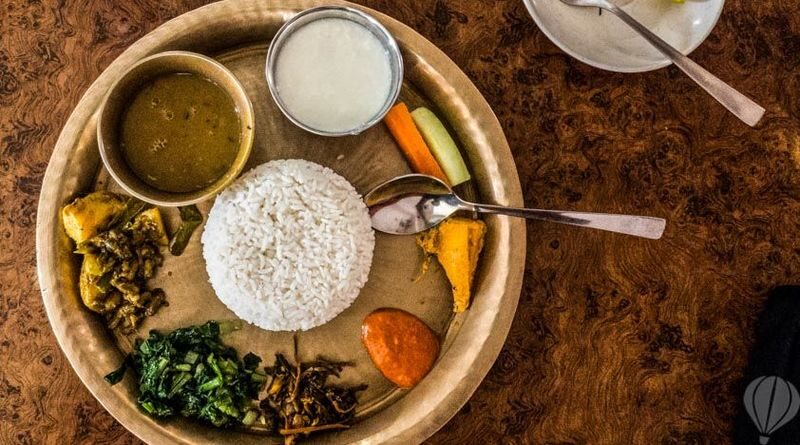
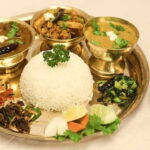
The cooking session focuses on everyday Nepali food, with Newari dishes also in the mix. Dal bhat, a staple combination of rice and lentils, may be served with curry, meat or fish, and spices. Momos are Nepali dumplings, often compared with gyoza, and sel roti is a sweet, ring-shaped bread. Menus can also include dishes such as curry, egg rolls, rice pudding, or chocolate momos.
You may be offered a choice among menu sets, but that choice is not always entirely yours if several people are attending together. You might need to agree on a shared menu with the group. Ask about the available options when you arrive, especially if there is one dish you particularly want to learn.
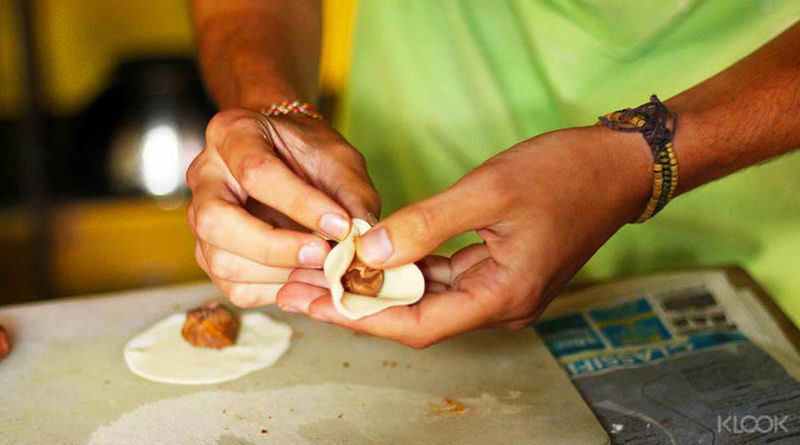
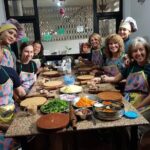
The approach is hands-on, but the amount of work you do can differ. You may help prepare ingredients and cook each dish with the instructor, while some advance prep, such as shredding vegetables or boiling and peeling tomatoes, may already be done. That keeps the class moving, but if you want to practice every knife skill, say so early and ask if you can take on more of the preparation.
The recipes are meant to be approachable at home, and the cooking equipment is provided. The school space has been described as roomy, though the kitchen itself may feel basic, and ventilation can be limited. Kathmandu kitchens are not always designed for a cool, leisurely cooking session, so expect some heat around the stove.
English-speaking instructors make the details easier
The instructors explain the ingredients and steps in English, and the teaching style is often patient and clear. You can expect an introduction to spices, followed by practical guidance on which ones go into a dish and when. Some participants have even been quizzed on the order of spices, a playful way to make the lesson stick.
Instructors’ names have varied over the years. Past classes have included teachers such as Amrit and Anu, Vina and Varsha, and Neelam, but you should not assume any one person will lead your session. The useful constant is the format: local instructors guide the cooking and explain the food in a friendly, accessible way.
You may also pick up a few Nepali phrases along the way. This is not a formal language lesson, but the extra words can make the class feel more connected to daily life. The best questions are practical ones: what a spice contributes, how a dish changes with a different ingredient, or how to adjust a recipe for a vegetarian meal.
Four hours on the schedule, but keep the day flexible
The morning class runs from 09:00 to 13:00. The afternoon session is scheduled from 13:30 to 17:30. Both include the ingredient visit, cooking, and time to taste the finished food. The schedule makes this an easy half-day activity, and the morning option can leave the afternoon free for other plans.
Still, don’t build a tight appointment immediately after class. Some sessions have ended earlier than the stated four hours, while others have started late when participants arrived after the scheduled time. The pace and length can depend on the menu, group, and preparation. Arrive on time and allow a little breathing room afterward.
The meeting point is Nepal Cooking School, Paknajol Marg, Kathmandu 44600. The address is in Thamel, but it can be hard to find if you arrive without clear directions. Check the map and meeting details before setting out. If you have arranged a hotel pickup, wait in the lobby ten minutes early and look for the operator’s confirmation of the pickup time.
What the price covers, and what it does not
The listed package starts at about US$30, while the headline price is given as US$31.50. Your final cost may depend on the booking option, so check the amount at checkout. The base price includes the English-speaking guide, ingredients, equipment, market visit, and four-hour class. Tips and personal expenses are not included.
For the price, the value is not just the meal. You get instruction, a chance to handle local ingredients, and recipes you can try again at home. It is a stronger fit for someone who wants to understand the food than for someone simply seeking a cheap lunch. Food prices in Nepal can be low, so the class may look costly beside a restaurant meal. What you are paying for is the teaching and the cultural context, as well as the cooking itself.
The optional hotel rickshaw transfer adds US$3 each way per person. It may be worth it if you are unsure about finding the school or want to avoid arranging your own transport. If you are comfortable navigating Thamel, meeting directly at the school keeps the extra cost down.
The organizer says all profits go to Journey Nepal, a social welfare organization. That gives the class a community benefit beyond the cooking lesson. It’s a meaningful point to weigh when comparing this activity with a standard restaurant meal or a cooking class without a stated charitable purpose.
You can also read our reviews of more tours and experiences in Kathmandu


Dietary needs and other useful planning notes
Tell the school about dietary requirements when you book. Past classes have adapted menus, including vegetarian versions, but you should state your needs clearly rather than assume a particular dish will be available. If you are traveling with a group, menu choices may need to be shared, so ask how the class will handle restrictions.
Bring a notebook and pen if you want to keep recipes and ingredient names. Your mobile voucher is accepted for entry. Booking changes are allowed until 24 hours before the activity, subject to stated exceptions, and cancellations at least 24 hours before the activity date receive a full refund.
Should you book the Nepali Cooking Class?
Book it if you want a friendly, practical introduction to Nepali food and like the idea of cooking rather than just eating. It suits curious beginners, food-minded visitors, and anyone who wants an engaging half-day in Kathmandu with a local community benefit.
Think twice if your main goal is an extensive market tour, a guaranteed four hours of continuous hands-on work, or complete control over the menu. The market stop and cooking tasks can vary. Go in expecting a flexible home-cooking lesson, not a polished culinary school course, and you’re more likely to leave with recipes, a full stomach, and a better sense of how Nepali meals come together.
Nepali Cooking Class
“it's worth to go!! friendly staff and cultural performance”
FAQ
How long is the Nepali cooking class?
The class is scheduled for four hours. The morning session runs from 09:00 to 13:00, and the afternoon session runs from 13:30 to 17:30. Actual class length can vary.
Where does the class meet?
The meeting point is Nepal Cooking School on Paknajol Marg, Kathmandu 44600, in Thamel. Check the map and address before setting out, as the location can be difficult to find.
Is the hotel rickshaw transfer included?
No. Hotel transfers by rickshaw are optional and cost US$3 each way per person. If you book one, arrive in your hotel lobby ten minutes before pickup.
What food will I learn to cook?
Dishes may include dal bhat, momos, curry, and sel roti, along with other Nepali or Newari food. Menu choices can vary, and groups may need to agree on a shared menu.
Can I tell the school about dietary requirements?
Yes. Specify dietary requirements at checkout. Menu adaptations have been made in the past, but you should share your needs when booking.
What should I bring?
Bring a notebook and pen if you want to write down recipes or ingredient notes. The class provides the necessary ingredients and cooking equipment.