Naples’ Archaeological Museum brings the art and daily life of the ancient world into one place, including objects preserved by the eruptions at Pompeii and Herculaneum. In two hours, a guide helps you make sense of a collection that could otherwise feel like a long procession of statues and cases.
I like two things about this tour: the guide-led format gives you a chance to ask questions, and the mix of Pompeii finds with major works such as the Farnese Bull and Hercules gives the visit both human detail and monumental sculpture. The Egyptian collection adds another angle on how cultures met in the ancient world.
The main compromise is the clock. Two hours is a useful introduction, not enough time to see everything, and the museum is not wheelchair- or stroller-accessible. If you want to linger over every room, plan a separate visit or allow more time afterward.
- Key points to know before you go
- Why this museum visit matters
- From Piazza Museo into the galleries
- The Pompeii and Herculaneum collections
- Farnese sculpture: scale, skill and spectacle
- The Secret Cabinet and Roman private life
- Egyptian art and cultural exchange
- What two hours can and cannot cover
- Price, tickets and practical value
- Who should book this tour?
- FAQ
- How long is the tour?
- Is museum admission included?
- What languages are available?
- Where is the meeting point?
- What departure times are available?
- Is transport included?
- Can children join the tour?
- Is the tour wheelchair- and stroller-accessible?
- The Best Of Naples!
- More Museum Experiences in Naples
- More Tours in Naples
- More Tour Reviews in Naples
- Not for you? Here's more nearby things to do in Naples we have reviewed
Key points to know before you go

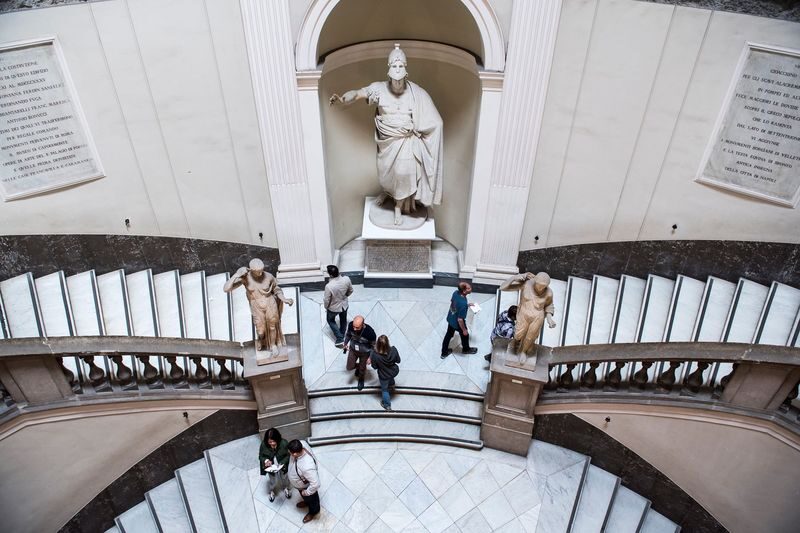


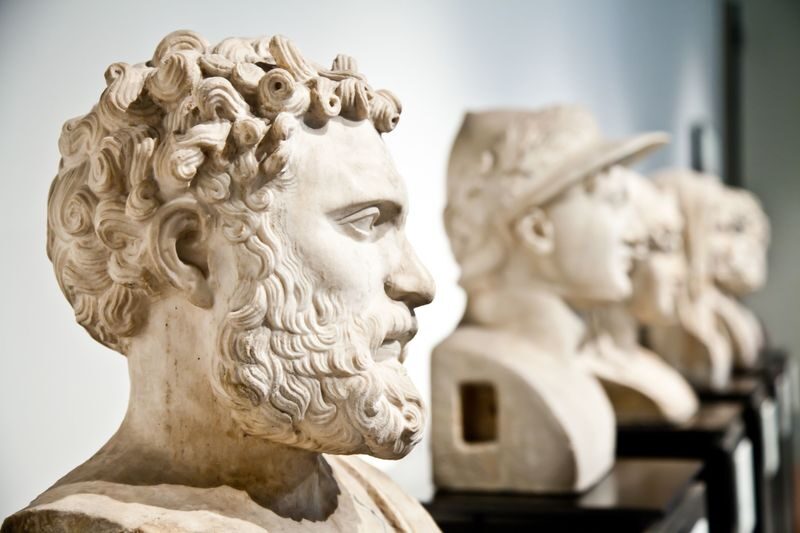
- Pompeii and Herculaneum finds make the ancient world feel close, with preserved objects and frescoes from those buried cities.
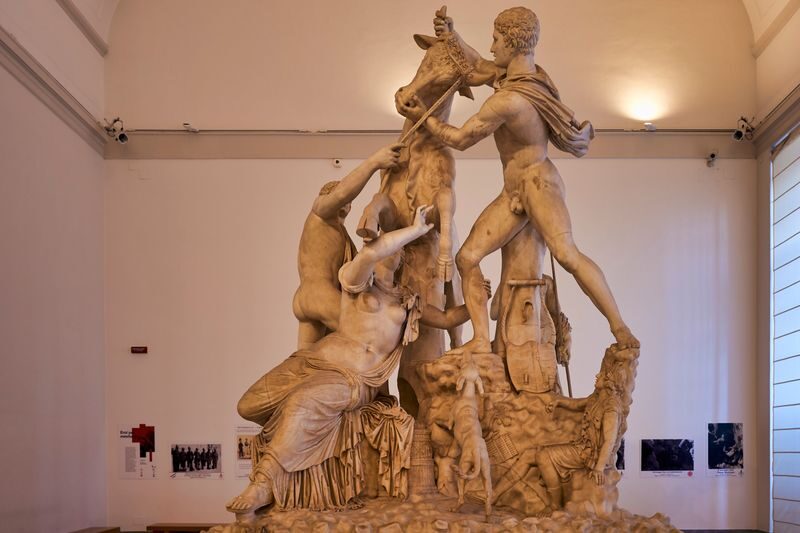
- The Farnese collection includes the famous Farnese Bull and Hercules, major works of Roman sculpture.
- The Secret Cabinet presents erotic art that offers a more intimate glimpse of Roman life.
- A guide leads the two-hour walk, in English or Italian, with groups of up to 20 people.
- Admission is included, but transport is not; meet at Piazza Museo 18/19.
- Access is limited for some visitors: the tour is not wheelchair- or stroller-accessible and is not recommended for people with disabilities.

👉 See our pick of the 18 Best Shopping Tours In Naples
Why this museum visit matters
The National Archaeological Museum of Naples is not simply a place to see old objects. Its collections help connect the city’s ancient past with nearby Pompeii and Herculaneum, whose remains give the exhibits an unusually direct link to people’s homes and lives.
That connection is the heart of the visit. You are not just looking at Roman art in the abstract. You are seeing objects and frescoes associated with places where daily life was interrupted and preserved. The museum’s range also makes it possible to move from large-scale sculpture to smaller, more personal traces of the past, then outward to the cultural exchange between Rome and Egypt.
For a first visit, having a guide is especially useful. The collection is vast, and two hours can pass quickly. A guide can help you focus on notable works and explain why they matter, rather than leaving you to decide which of many rooms deserves your limited time. An English-tour participant described a guide who welcomed questions, so bring along anything you want explained. There is no guide name provided, and individual guiding styles can vary.
You can also read our reviews of more museum experiences in Naples


From Piazza Museo into the galleries
The tour begins at Piazza Museo 18/19, at the National Archaeological Museum. Look for the greeting staff holding an ASKOS TOURS sign, and arrive 15 minutes before your selected departure. The available start times are 10:30, 15:00 and 15:30; the time assigned to your booking is the one to follow.
There is no transport included. That keeps the experience focused on the museum, but you need to make your own way to the meeting point. The tour returns to the same address after the museum visit, so it is straightforward to plan around nearby activities without arranging a separate pickup or drop-off.
The schedule is described simply: departure, a two-hour guided museum visit, then return. Traffic or weather can affect the schedule, though this is primarily an indoor activity. The museum is closed to this tour on Tuesdays, December 25 and January 1.
The Pompeii and Herculaneum collections
For many visitors, the most affecting part of the museum is its collection of finds from Pompeii and Herculaneum. The cities are known for their preservation after the eruption of Mount Vesuvius, and seeing their objects together in Naples helps put the archaeological sites into context.
The tour highlights preserved treasures and Pompeiian frescoes. These make the collection more than a parade of impressive artifacts: they offer a tangible connection to places you may also visit elsewhere in the region. If you have been to Pompeii or Herculaneum, the museum can deepen that visit. If you have not, the objects offer a strong introduction to the people and material culture associated with those sites.
The review of the English tour specifically praised the number of Pompeii artifacts and the guide’s willingness to encourage questions. That is a good reason to treat the visit as a conversation rather than a lecture. Ask about objects that catch your eye, especially when you want to understand how a particular find relates to the wider story of the ancient city.
The drawback is the scale of the collection. You may want more time with the frescoes or individual objects than a two-hour group walk allows. If a particular room or subject matters most to you, mention it to the guide if there is an opening, and consider returning independently if your schedule permits.
Farnese sculpture: scale, skill and spectacle
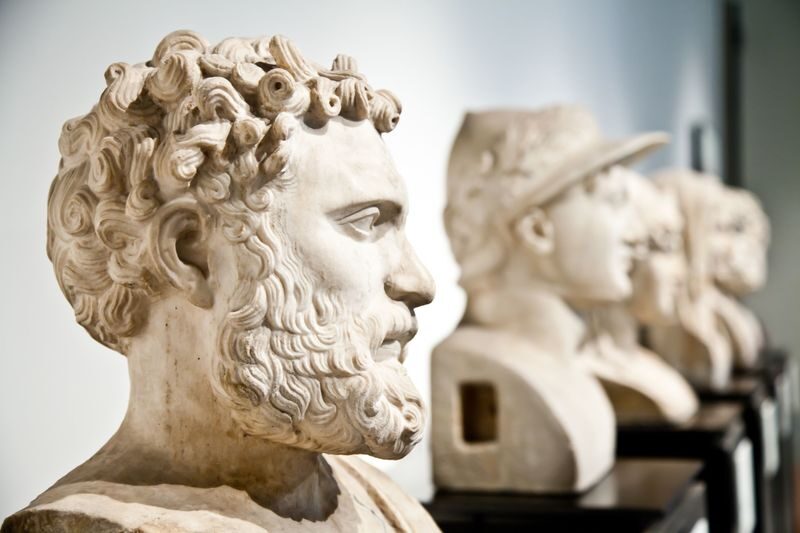
The Farnese collection gives the tour a different mood. Here, the emphasis is on large and celebrated works of sculpture, including the Farnese Bull and Farnese Hercules. These masterpieces are presented as examples of Roman artistry, and their size and craftsmanship make them natural landmarks in a museum visit.
A guided explanation helps you look beyond the first impression of scale. Instead of simply noting that a sculpture is enormous or finely worked, you can ask what makes it significant and how it fits into the broader collection. The guide-led format is particularly useful here, because the stories and artistic context can make a famous work more rewarding than a quick photograph.
Still, a two-hour route means you should not expect to study every sculpture at length. The best approach is to use the guide’s selection as a framework, then decide which works you would like to revisit if you have extra time.
The Secret Cabinet and Roman private life
The museum’s Secret Cabinet adds a more intimate subject to the visit: erotic art from the Roman world. It shifts the focus from grand public sculpture to personal aspects of ancient life, and gives the collection a more varied picture of Roman society.
This section may not suit every visitor, and the tour information does not spell out exactly how much time is spent there. If you are interested, ask the guide what is included in the route. Its presence is a reminder that the museum covers more than idealized gods and heroes; it also preserves objects that reflect private tastes and social life.





Egyptian art and cultural exchange
The Egyptian collection broadens the museum’s focus beyond Greece and Rome. Its objects point to the cultural exchange between Rome and Egypt, an important theme for anyone interested in how ancient societies influenced one another.
This is a valuable counterpoint to the Farnese sculptures and Pompeii displays. Rather than seeing the ancient world as a set of separate civilizations, you get a chance to consider how ideas and artistic traditions travelled between them. The tour highlights the Egyptian collection, but the available details do not specify particular objects or how long the group spends in those galleries.
What two hours can and cannot cover
The duration is both a strength and a limit. Two hours is long enough for a structured introduction to the museum’s main themes, but not for a slow, room-by-room exploration of its vast holdings. If your time in Naples is tight, the tour gives you a clear starting point and puts the headline collections in context.
If you are an archaeology enthusiast, or you prefer to linger over labels and individual objects, you may want to plan more time at the museum than the guided tour provides. The tour itself ends at the meeting point, so you can make your own plans afterward, but no additional museum time is included in the two-hour duration.
The group size can reach 20 participants. That is large enough that you may not have a private conversation with the guide throughout, but the question-friendly approach described on the English tour makes it worth speaking up when you want more detail. English and Italian group options are listed.
Price, tickets and practical value
Prices are listed from US$49.29 for either the English or Italian group option, while the experience summary gives a starting price of US$56.69. The amount you see can therefore vary by package or booking details. Admission to the museum is included, so you should not need to buy a separate entry ticket for the tour.
The stated museum admission is €20 for an adult and €2 for eligible EU citizens aged 18 to 25. Children aged 0 to 3 are free, while the tour information says children aged 18 and older are charged the adult rate. Infants and children must still be included in the passenger headcount when booking.
The value is not just in the ticket. You are paying for a two-hour guided walk through a major collection, with help choosing what to focus on and context for the works. If you would be content to wander independently and read the displays at your own pace, you may prefer to compare the tour cost with a standalone museum visit. If you want an expert-led introduction and a chance to ask questions, the guided format can make the museum easier to navigate.
Transport, personal expenses and gratuities are not included. The tour is also not suitable for everyone’s mobility needs: it is not wheelchair- or stroller-accessible and is not recommended for people with disabilities. Consider that carefully before booking.
Who should book this tour?
I would choose this tour if you want a guided overview of the museum’s major themes, especially the Pompeii and Herculaneum material, Farnese sculpture and Egyptian collection. It is a strong fit for a first visit, for anyone planning to see the archaeological sites nearby, and for people who would rather ask questions than navigate a large museum alone.
It is less suitable if you want a leisurely, self-paced visit, need wheelchair or stroller access, or expect transport to be part of the price. For a focused introduction with admission and a guide included, it offers a practical way into one of Naples’ most important collections. Book it if two hours of guided context suits your plans; allow more time if the objects themselves are your main reason for going.
National Archaeological Museum of Naples Tour
“our guide was super knowledae and encouraged questions. the museum is full of so many artifacts from Pompeii, truly amazing. highly rec.”
FAQ
How long is the tour?
The guided walking tour lasts two hours.
Is museum admission included?
Yes. Admission to the National Archaeological Museum of Naples is included.
What languages are available?
You can choose an English or Italian group tour.
Where is the meeting point?
Meet at Piazza Museo 18/19, at the National Archaeological Museum of Naples. Staff will be holding a sign marked ASKOS TOURS.
What departure times are available?
The listed options are 10:30, 15:00 and 15:30. Follow the time selected at booking and arrive 15 minutes early.
Is transport included?
No. Transport to and from the museum is not included.
Can children join the tour?
Yes. Children aged 0 to 3 are free, but infants and children must be included in the passenger headcount. Children aged 18 and older are charged the adult rate.
Is the tour wheelchair- and stroller-accessible?
No. The activity is not wheelchair- or stroller-accessible and is not recommended for people with disabilities.