A Turkish mosaic lamp is more than a pretty souvenir: it is a small, practical piece of craft you make yourself. This two-hour class in Chinatown introduces the tradition, then gives you time to plan and create a lamp with an instructor’s help. The workshop is beginner-friendly, so you don’t need a steady hand or a craft-room full of supplies.
I like two things in particular: you leave with a working lamp and bulb, not just a half-finished project, and the class makes room for the story behind the craft as well as the making. The instructor is described as patient and clear, and an assistant helped a participant’s mother thread small beads to match her chosen design.
The main consideration is the price. At roughly US$102 to US$112, this is a paid craft class, not a quick drop-in activity, and the exact price can vary. You’ll get the most from it if you enjoy hands-on projects and are happy to spend two hours making something at your own pace.
- Key points before you book
- A craft class with a useful souvenir at the end
- From Turkish craft background to your own design
- Why the two-hour format works
- A Chinatown address that is easy to build around
- What the price includes, and what it does not
- Who will enjoy making a mosaic lamp
- Booking details to check before you go
- Should you book this workshop?
- FAQ
- How long is the Mosaic Lamp Workshop?
- Where does the workshop meet?
- Do I need craft experience?
- What is included in the price?
- Can children attend?
- Can I cancel or reschedule my booking?
- The Best Of Singapore!
- More Workshops & Classes in Singapore
- More Tours in Singapore
- More Tour Reviews in Singapore
- Not for you? Here's more nearby things to do in Singapore we have reviewed
Key points before you book
 1 / 6
 2 / 6
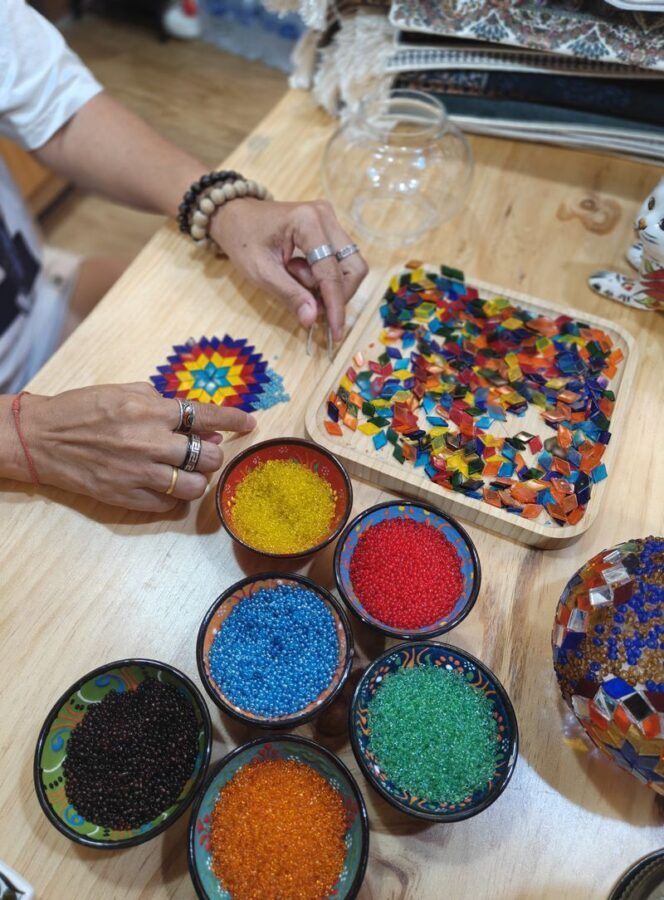 3 / 6
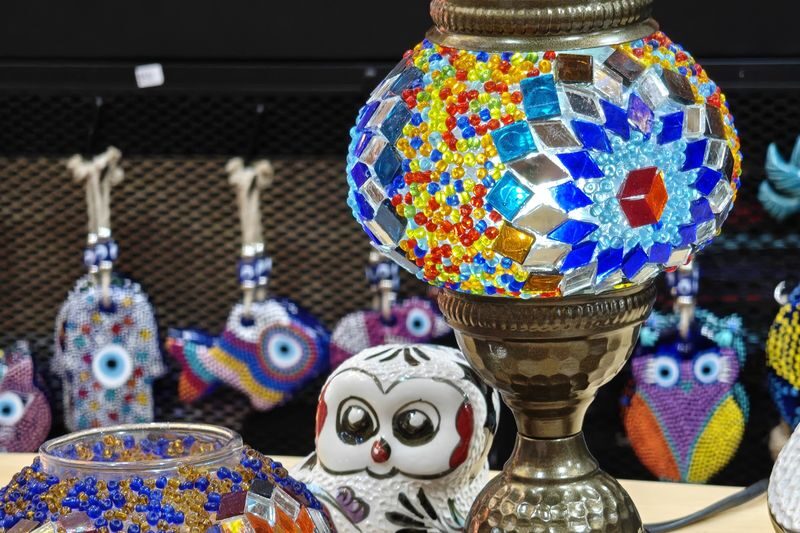 4 / 6
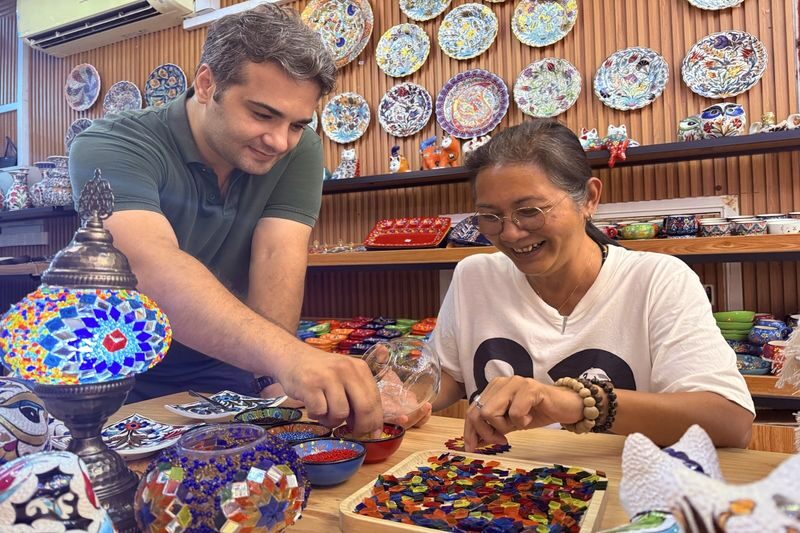 5 / 6
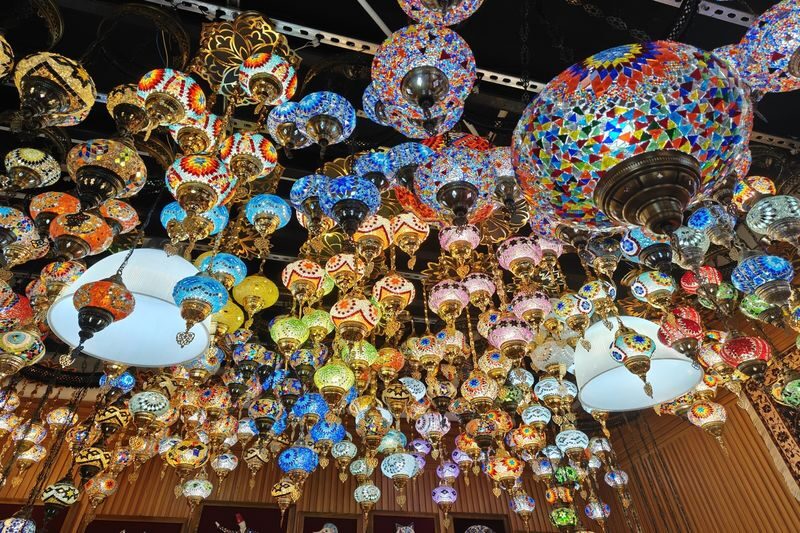 6 / 6
- Make a lamp you can use: The finished mosaic lamp comes with a bulb, so it can serve as a keepsake and a working light at home.
- Start with no craft experience: The workshop is designed for beginners, with an instructor guiding you and materials supplied.
- Hear about Turkish craft traditions: The class covers the art, history, and cultural significance of Turkish mosaic lamps.
- Plan for two hours in Chinatown: The workshop meets at Asian Home, 17 Trengganu Street, near Maxwell and Chinatown MRT stations.
- Choose a Turkish refreshment: The included drink is either Turkish coffee or Turkish apple tea.
- Check the final price before paying: The supplied prices differ, with one shown from US$101.80 and another from US$111.99.

👉 See our pick of the 25 Best Guided Tours In Singapore
A craft class with a useful souvenir at the end
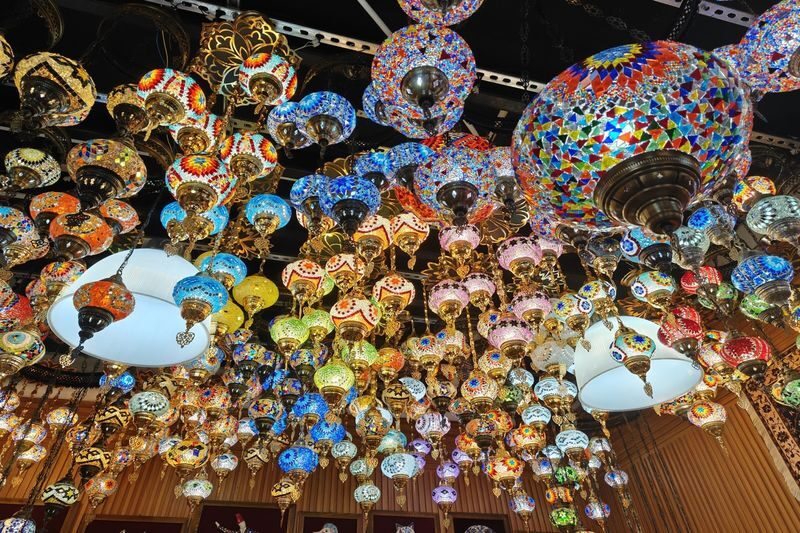
The appeal here is easy to grasp. Instead of buying a lamp that has already been made, you spend time learning about the craft and producing your own version. That changes the souvenir from a purchase into a small record of your time in Singapore.
The workshop is billed as the first of its kind in Singapore, and its focus is specifically Turkish mosaic lamps. That gives the session a clear subject: you are not signing up for a general craft hour with an unknown project at the end. You’ll learn about the tradition, make design choices, and work toward a lamp you can take home.
The finished item is functional, with a bulb included. That matters when you compare the price with a short art activity that leaves you with a decorative object but no practical use. The lamp is still a handmade piece, so your design will be personal rather than factory-uniform. If you prefer perfectly identical finishes, that may be part of the charm or part of the risk.
I would think of the workshop as both an activity and a souvenir purchase. You’re paying for two hours of instruction, materials, a drink, and the completed lamp. The value depends on how much you enjoy making things and how appealing a handmade lamp is to you.
You can also read our reviews of more tours and experiences in Singapore


From Turkish craft background to your own design
The session begins with an introduction to the art and heritage of Turkish mosaic lamps. That context is useful: it gives you a reason to think about the craft beyond color and pattern. You’ll hear about the cultural significance and craftsmanship behind the lamps before turning to your own project.
The available details do not specify a lecture length or a fixed sequence of steps, so don’t expect a timed museum-style talk followed by a rigid workshop plan. The point is to learn enough about the tradition to inform what you make. If you’re curious about how a craft connects to its place of origin, that introduction adds substance to an otherwise hands-on session.
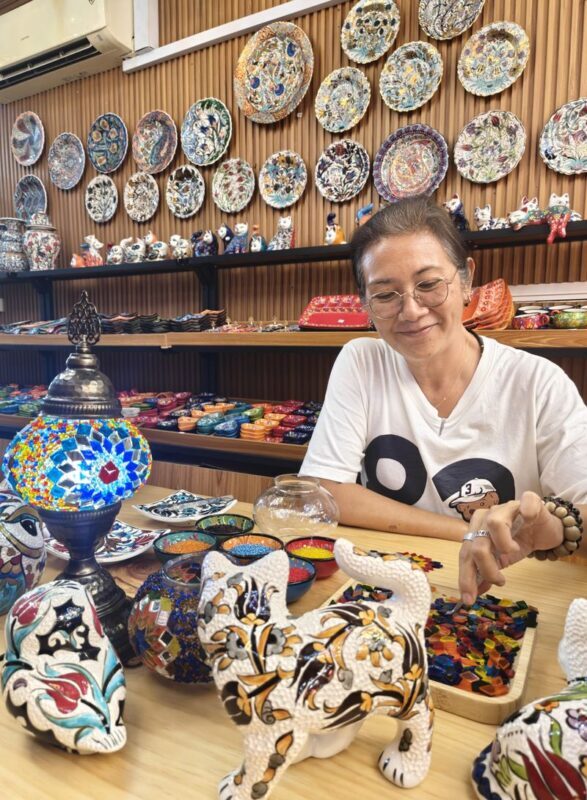
Then comes the design and making. The class is guided, with the necessary materials included, and no previous experience is required. You can arrive without buying tools or gathering supplies. That lowers the barrier for beginners and makes the activity easier to fit into a holiday schedule.
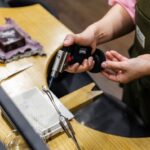
A participant’s mother needed help threading small beads to suit the design she wanted, and the assistant helped her. That is a reassuring detail if you’re worried about dexterity or getting stuck. It suggests that asking for support is part of the class, not a nuisance. Still, the information does not promise one-on-one help at every stage, so if you have a particular mobility or fine-motor concern, contact the operator before booking.
The teacher, referred to as the master, was described as patient and thoughtful in guiding the process. That matters more than it might sound. A craft class can feel frustrating if an instructor rushes through a demonstration and leaves beginners to fend for themselves. Here, the guidance is a central part of the experience, not an optional extra.
Why the two-hour format works
Two hours is enough time to make the workshop feel like a proper activity rather than a quick demonstration. You have room to hear about the craft, settle on a design, and work on the lamp with guidance. It also takes up a meaningful portion of the day, so plan it as an outing rather than something to squeeze between two distant attractions.
The length may suit you especially well if you like a slower, focused break from sightseeing. Chinatown can be a busy area to explore, but the workshop gives you a reason to stop, sit down, and make something. You won’t spend the whole visit looking at buildings or shops. You’ll come away with an object tied to the time you spent there.
On the other hand, this is not the best choice if you want a short activity or need a tightly timed schedule. The class is listed as two hours, and making a piece by hand is not the same as ordering a finished souvenir. Allow enough time to arrive and settle in before the session begins, particularly if you’re unfamiliar with the neighborhood.
The workshop runs daily from 10 a.m. to 10 p.m., with last admission at 8 p.m. That gives you useful flexibility: you can choose a daytime class or a later slot, subject to availability. Children aged 6 to 11 must attend with a paying adult, so it can work as a family activity, though younger children are not covered by the stated age guidance.
A Chinatown address that is easy to build around
The meeting point is Asian Home at 17 Trengganu Street in Singapore’s Chinatown. Maxwell MRT and Chinatown MRT are the closest named stations. That makes the class a practical fit if you’re already exploring the area or staying near the central city.
I’d allow a little time to find the exact entrance rather than aiming to arrive at the last minute. The address is specific, but the workshop information advises using the map for help. Keep your voucher handy as well, since you need to present it from the Klook app.
The location gives you a simple way to shape the rest of the day. You can make the workshop one stop in a Chinatown outing, rather than building a separate cross-city trip around it. The details provided do not promise a meal, a walking tour, or other included activities, so treat the class as the main event and make your own plans before or after.
English- and Chinese-speaking guidance is available. That gives you a clear language choice when booking or confirming arrangements. If you are booking for a mixed-language group, it’s worth checking that the session you select can accommodate your needs.
What the price includes, and what it does not
The listed price starts at US$101.80 for the workshop package, while the summary price is US$111.99. Since those figures do not match, check the current total at checkout rather than treating either number as a guaranteed final price. The details do not explain the difference, and it would be a mistake to assume it reflects a particular day, fee, or option.
The package includes admission to the two-hour workshop, an English- or Chinese-speaking guide, all necessary materials, and a choice of Turkish coffee or Turkish apple tea. Most important, it includes a fully functional lamp with a bulb. Tips and gratuities are not included.
For value, compare it with what you’d actually want from a craft activity. If you mainly want a low-cost way to pass an hour, this is likely too expensive. If you value guided instruction, a cultural introduction, materials, and a usable handmade item, the total is easier to justify. You are paying for a complete activity, not simply a seat at a craft table.
The drink is a small but fitting detail. Turkish coffee or apple tea gives the session a connection to the craft’s cultural setting. It should not be the reason you book, but it helps make the workshop feel considered rather than purely transactional.
One point worth remembering: you are paying for the experience as well as the object. Your lamp may not look exactly like a shop-bought piece, and that is normal for handmade work. If you enjoy having a personal design and can accept small differences in finish, the result may mean more to you than a polished souvenir picked up on a shelf.






Who will enjoy making a mosaic lamp
This is a good match for people who like creative activities but don’t consider themselves artists. The class is explicitly beginner-friendly, and the materials are provided. You can arrive curious rather than skilled. The instructor’s patient approach, plus the assistant’s help with small beads, is particularly encouraging for anyone who prefers support while learning a new task.
It also suits couples, friends, and families with children aged 6 to 11 when an adult pays and joins them. A shared project can be a nice change from simply taking photos together, though the age rule means a child cannot attend alone. The information does not specify a minimum age below six, so ask the operator before booking for a younger child.
You may find it less appealing if you dislike detailed handwork, have little interest in crafts, or are trying to keep activity costs low. There is no promise that the lamp can be shipped if you don’t want to carry it, so consider how you’ll take it home before you book. The included bulb makes it ready for use, but the details do not state the lamp’s dimensions or packing arrangements.
This is also a sensible rainy-day option in the broadest practical sense because the main activity takes place indoors, though the operator’s cancellation terms reserve the right to cancel in extreme weather or unforeseen events. If you need certainty about the venue or transport conditions on a particular day, contact the operator directly.
Booking details to check before you go
The voucher is valid only for the date and time specified, so make sure your plans are firm before you book. Cancellations and refunds are not normally available. If unforeseen events or extreme weather lead the operator to cancel, you can reschedule or request a full refund.
To ask about rescheduling, contact the supplier at +65 8991 6500. Confirmation is expected within minutes; if it does not arrive, contact customer support. The opening hours are 10 a.m. to 10 p.m. daily, with last admission at 8 p.m.
The experience is provided by Texsea. There is only a small amount of public feedback available, so I would avoid treating the top rating as a guarantee that every session will be identical. The most useful practical signal is the reported patience of the master and the assistant’s willingness to help with a fiddly part of the design.
Should you book this workshop?
Book it if you want a hands-on Chinatown activity with a cultural angle and a real object to bring home. The combination of instruction, all materials, a Turkish drink, and a functional lamp gives the two-hour class a clear purpose. It looks particularly appealing for beginners who want patient guidance rather than a test of existing craft skills.
Think twice if price is your main concern, if you prefer a short activity, or if you don’t want to carry a handmade item home. Check the final price and session time before paying, and ask about any specific support or packing needs in advance. If the cost fits your plans and making something by hand sounds like a good use of two hours, this is a practical, distinctive change of pace from ordinary sightseeing.
Mosaic Lamp Workshop in Singapore
“It was a wonderful and pleasant experience from start to finish. The master was extremely patient and guided us through the process clearly and tho…”
FAQ
How long is the Mosaic Lamp Workshop?
The workshop lasts two hours.
Where does the workshop meet?
It meets at Asian Home, 17 Trengganu Street in Chinatown, Singapore. Maxwell MRT and Chinatown MRT are the nearest named stations.
Do I need craft experience?
No. The workshop is beginner-friendly, and an instructor guides you through the activity.
What is included in the price?
The package includes workshop admission, an English- or Chinese-speaking guide, all necessary materials, and a choice of Turkish coffee or Turkish apple tea. A bulb is included with the finished lamp.
Can children attend?
Children aged 6 to 11 must be accompanied by a paying adult.
Can I cancel or reschedule my booking?
Cancellations and refunds are not normally available. To reschedule, contact the operator at +65 8991 6500. If the operator cancels because of unforeseen events or extreme weather, you can reschedule or request a full refund.