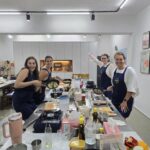
Korean cooking makes most sense when you get your hands busy: roll gimbap, stir japchae, and learn how several familiar dishes fit into a Korean meal. At Cooking Delight Seoul, the three-hour class takes place in an artsy Itaewon studio, with English-speaking hosts Grace and Stephen guiding the work and sharing food culture along the way.
I like two things in particular: you prepare a generous range of dishes, rather than focusing on just one recipe, and the hosts make room for questions and stories, not only instructions. You also eat what you cook, so the class ends around a table instead of at a demonstration counter.
One thing to check before booking: the menu is subject to seasonal changes, and the description’s highlight mentions bibimbap while the detailed menu names other dishes. If one specific recipe matters to you, ask the class directly before you reserve.
At a glance
- Eight-dish format: The class is promoted around eight Korean dishes, with a menu that can include gimbap, japchae, bulgogi, tteokbokki, kimchi-jeon, and more.
- A meal you prepare yourself: The session ends with time to enjoy the food made during class.
- Hosts with cultural context: Grace and Stephen combine cooking guidance with explanations of Korean food and culture.
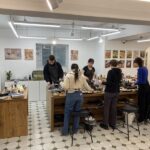
- An Itaewon studio, not a restaurant kitchen: The space is described as a sunny, gallery-style studio with a cozy cafe feel.
- Two daily start times: Choose 10:30 a.m. or 4 p.m. when booking. The class lasts three hours.
- A practical location: The studio is at 220 Noksapyeong-daero, a five-minute walk from Noksapyeong Station, Exit 2.

👉 See our pick of the 25 Best Guided Tours In Seoul
- At a glance
- Eight Korean dishes in one session
- Grace and Stephen bring food culture into the kitchen
- A sunny studio in the middle of Itaewon
- Three hours of cooking, followed by a shared meal
- What the price buys you
- Who will enjoy this class most
- Should you book Cooking Delight Seoul?
- FAQ
- How long is the Korean cooking class?
- Which dishes are included?
- Is bibimbap guaranteed?
- Is the class taught in English?
- Where is Cooking Delight Seoul?
- What start times can I choose?
- Can children take part?
- What is the cancellation policy?
- The Best Of Seoul!
- More Cooking Classes in Seoul
- More Tours in Seoul
- More Tour Reviews in Seoul
- Not for you? Here's more nearby things to do in Seoul we have reviewed
Eight Korean dishes in one session
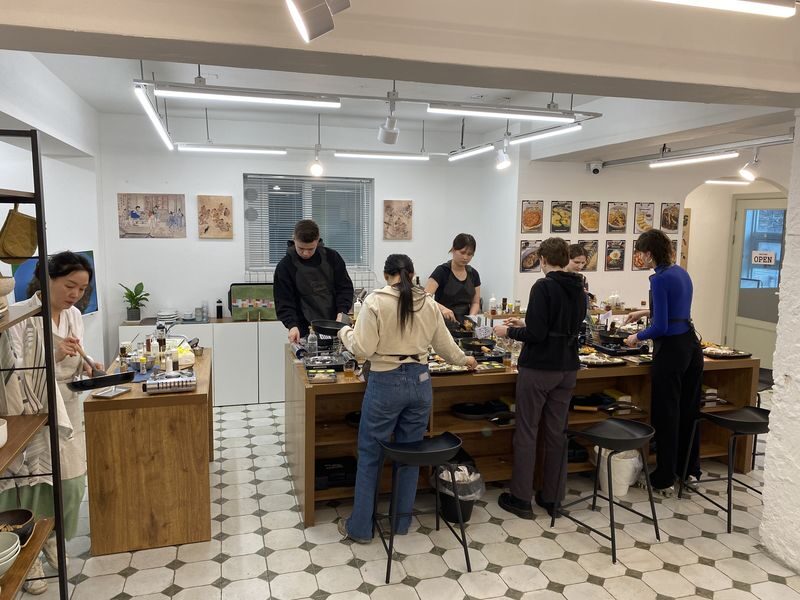
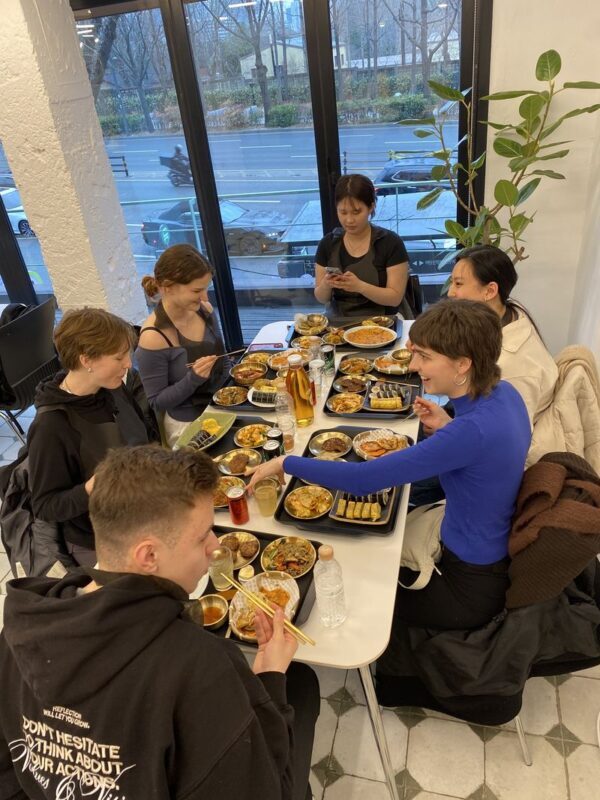
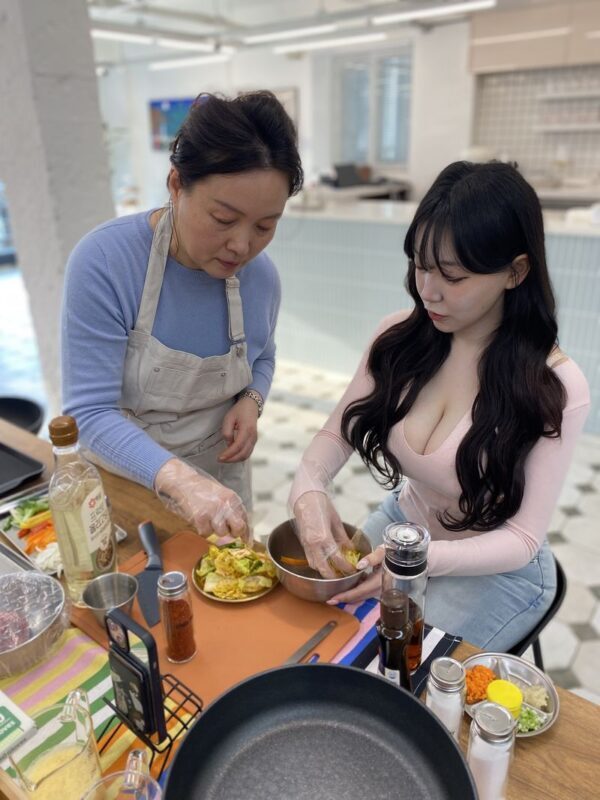
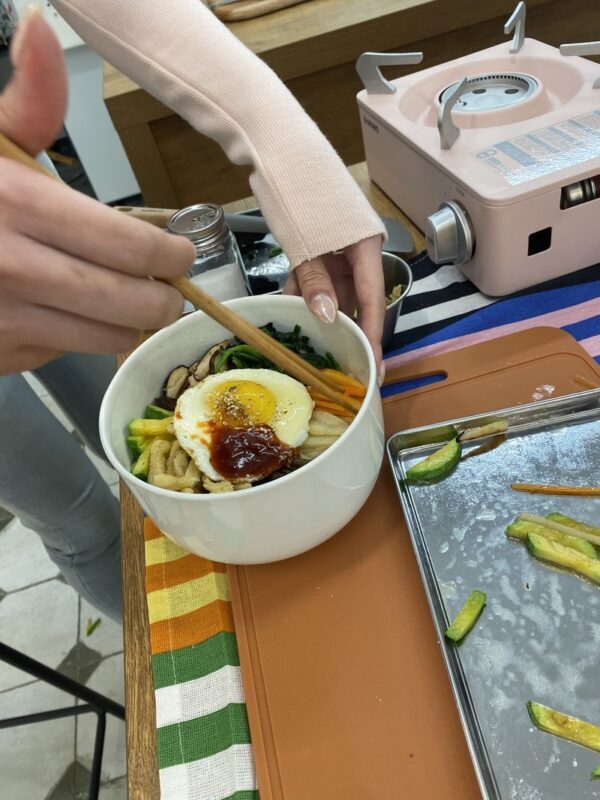

This class is designed to give you a broad taste of Korean home cooking in a single afternoon or morning. Rather than spending three hours on one signature dish, you work across a mix of mains, sides, and snacks. That makes the experience useful if you want to understand how Korean flavors and meal components work together.
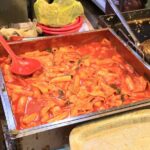
The menu listed for the class includes gimbap, ssam and ssamjang, japchae, beef bulgogi, tteokbokki, jeyukbokkeum, kimchi-jeon, geotjeori, and Korean desserts. The class is advertised as covering eight dishes, but the number of items named in the menu description is greater than eight. Some may be grouped together, and the selection can change with the season and ingredient availability.
That flexibility is sensible for a cooking class, but it matters if you have your heart set on a particular recipe. The highlights mention bibimbap, yet it is not on the detailed menu list. Treat the menu as a guide to the class’s range, not a guaranteed checklist. If bibimbap or another dish is your main reason for booking, confirm what will be prepared on your date.
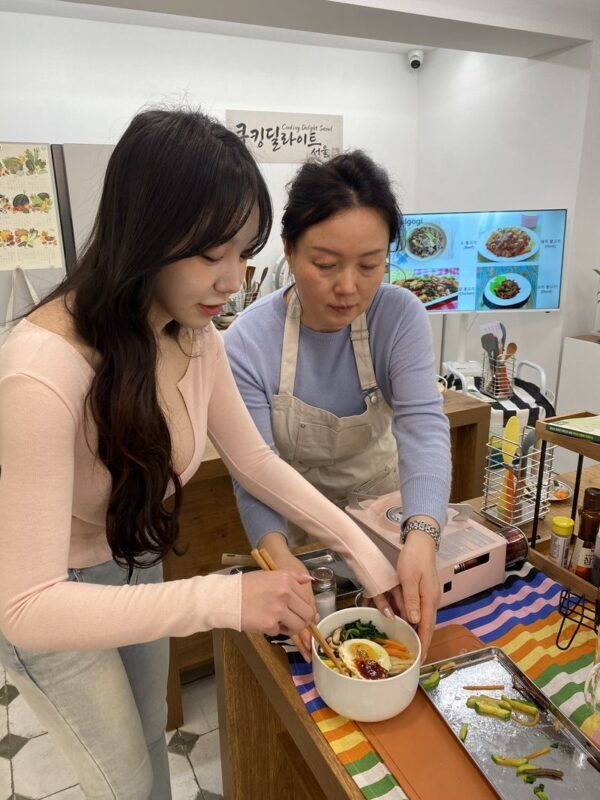
There is a useful mix of formats here. You might roll or assemble gimbap, work with noodles in japchae, cook a main such as bulgogi or jeyukbokkeum, and make a quick fresh kimchi. Ssam and ssamjang bring the meal toward the wrap-and-share style of eating, while a pancake and dessert broaden the session beyond the central dishes.
The payoff is not just learning recipes. You get to see how several dishes can make a meal feel varied, with different textures and ways of eating. For a first encounter with Korean home-style cooking, that range is more instructive than a class built around a single dish.
You can also read our reviews of more cooking classes in Seoul


Grace and Stephen bring food culture into the kitchen
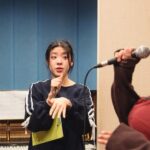
The hosts are a big part of what makes this class more than a recipe lesson. Grace and Stephen lead the session in English, and the experience is set up to welcome questions as you cook. Their aim is to explain not just what to do, but why a dish matters and how Korean food fits into daily life.
That cultural side seems especially valuable if you are new to Korean cooking. You can ask about ingredients, techniques, and the stories behind the dishes while working through them, rather than trying to absorb a long lecture before touching anything. One participant who grew up eating Korean food still found the explanations and practical instruction meaningful, which suggests the class can work for both newcomers and people with a personal connection to the cuisine.
The welcome tea is a small but thoughtful start. It gives you a moment to settle into the studio before the hands-on work begins. Refreshments, snacks, meals, and beverages are included, so you do not need to plan a separate lunch or dinner around the session.
The format is described as small-group and interactive, but no exact group size is specified. If you value individual attention, you may want to ask the operator about the number of people booked for your date. The English-speaking setup should make it easier to follow instructions and ask questions, though the pace of an eight-dish class will naturally keep everyone moving.
A sunny studio in the middle of Itaewon
Cooking Delight Seoul is at 220 Noksapyeong-daero in Yongsan District, in a space presented as a contemporary art studio with a cafe atmosphere. That is a pleasant change from a formal cooking school or a restaurant kitchen. The setting is meant to feel warm and relaxed, with local art and a cozy interior around the cooking area.
The studio is about a five-minute walk from Noksapyeong Station, Exit 2, on Line 6. It is also described as being right at a bus stop and close to the Itaewon Post Office. For taxi or app-based rides, search for Cooking Delight Seoul in Google Maps, Naver Map, or Kakao Map. The exact location is worth checking before you set off, especially if you are unfamiliar with the neighborhood.
You will meet and finish at the studio, so there is no separate sightseeing transfer built into the experience. That keeps the schedule simple: arrive, cook, eat, and head back into Seoul. It also means the class is easy to pair with other plans in Itaewon, though it is best not to schedule anything too tightly after the meal.
Three hours of cooking, followed by a shared meal
The experience lasts three hours from start to finish. Available start times are 10:30 a.m. and 4 p.m., with the corresponding listed end times of 1:30 p.m. and 7 p.m. Choose carefully when booking, as the voucher is valid only for the date and time selected.
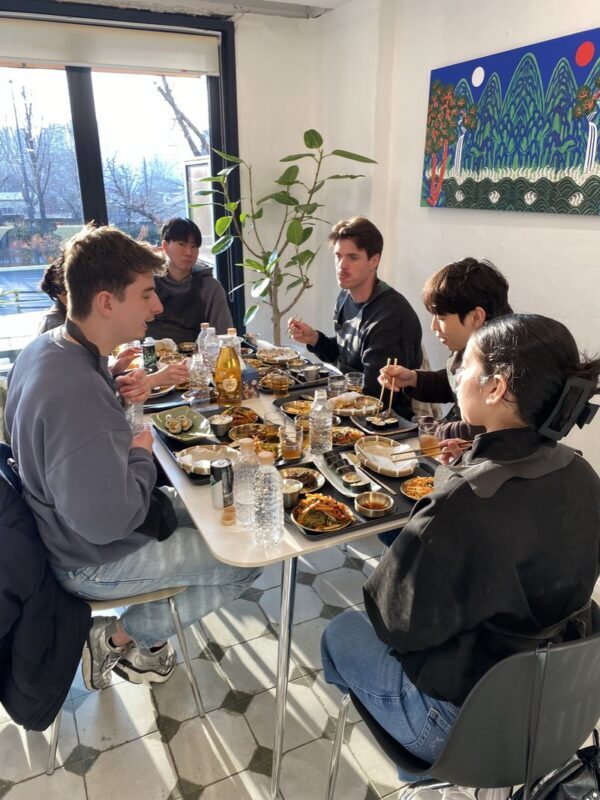
Expect a hands-on session rather than a show where you sit and watch. The instructor guides you through the preparation of the day’s dishes, and the class concludes with a meal featuring what you have made. That ending matters: you can taste how the recipes work together and enjoy the result while it is fresh.
Eight dishes is an ambitious amount to cover in three hours. It makes for a full and varied lesson, but it also means you should not expect a slow, single-recipe workshop with lots of time to repeat each technique. If your priority is to master one dish in fine detail, a focused class may suit you better. If you want a broad introduction and practical exposure to several recipes, this format has a clear advantage.
Equipment and ingredients are provided. You do not need to bring cooking supplies, and the class is organized around the food prepared on site. The sessions are open to participants aged four and older, making this a possible family activity, although the pace and hands-on nature may be best suited to children who are ready to take part in a three-hour class.
What the price buys you
The supplied prices differ: one figure starts at US$109, while another gives a starting price of US$119.90. Treat those as indicative rather than fixed, and check the final price for your date and package before booking.
For a three-hour class that includes ingredients, equipment, English-speaking instruction, refreshments, and a meal, the value depends on what you want from your time in Seoul. You are paying for a guided cultural activity as well as food. The chance to prepare several dishes and eat them afterward gives you more than a quick tasting, and what you learn may help you feel more confident cooking Korean food at home.
The price is harder to justify if you only want a meal or are looking for the lowest-cost way to try Korean dishes. You can eat out for less. But a restaurant meal will not give you the same chance to ask questions, practice techniques, and understand how the dishes are put together. For a memorable half-day activity with a tangible skill at the end, the class offers a fair return.
Cancellation terms are also worth noting: a full refund is available if you cancel at least 24 hours before the activity date, using local time in Seoul. Late arrivals and no-shows are not refunded, so plan to reach the studio five minutes early.
You can also read our reviews of more tours and experiences in Seoul




Who will enjoy this class most
I would choose this class if you want more than a photo stop or a meal out. It suits solo visitors who like meeting people through an activity, couples looking for a shared experience, and families with children aged four or older who are comfortable joining in. Its English-speaking instruction makes it accessible if you do not speak Korean.
It is also a good fit for anyone who wants a practical souvenir. You will leave with cooking experience and a better sense of the food culture behind the dishes, rather than only a list of restaurants to try. People who already cook Korean food may still appreciate the cultural explanations, while beginners should find the hands-on format approachable.
I would pause if you have strict dietary needs or require a specific menu. The information provided does not spell out dietary accommodations, and the menu can shift with the season. Contact the studio before booking if ingredients or a particular dish are essential to your decision.
Should you book Cooking Delight Seoul?
Book it if you want a friendly, hands-on introduction to several Korean dishes and value the stories and instruction as much as the meal. Grace and Stephen’s English-language guidance, the art-filled Itaewon studio, and the chance to sit down to food you prepared all make this a strong choice for a food-focused few hours in Seoul.
Skip it if you prefer a leisurely lesson devoted to one recipe, or if you need certainty about a specific dish that is not confirmed for your date. Before paying, check the final price and ask which menu items are planned. If the menu suits you, this is a practical way to turn a meal into something you can try again at home.
Seoul Cooking Class: 8 Dishes, The Secrets behind Korean Flavor
“The experience was fantastic!! I would this class to anyone as you will gain a deeper understanding and appreciation for Korean food and culture, a…”
FAQ
How long is the Korean cooking class?
The class lasts three hours, including the hands-on cooking session and the meal at the end.
Which dishes are included?
The menu can include gimbap, ssam and ssamjang, japchae, beef bulgogi, tteokbokki, jeyukbokkeum, kimchi-jeon, geotjeori, and Korean desserts. The selection may change with the season and ingredient availability.
Is bibimbap guaranteed?
No. Bibimbap appears in the experience highlights, but it is not named in the detailed menu. Check with the studio if you want to know whether it will be served on your date.
Is the class taught in English?
Yes. The class has an English-speaking guide and English-speaking staff.
Where is Cooking Delight Seoul?
The studio is at 220 Noksapyeong-daero, Yongsan District, Seoul. It is a five-minute walk from Noksapyeong Station, Exit 2, on Line 6.
What start times can I choose?
The listed start times are 10:30 a.m. and 4 p.m. Make sure you attend the time selected when you book.
Can children take part?
Participants must be at least four years old.
What is the cancellation policy?
You can receive a full refund if you cancel at least 24 hours before the activity date, using Seoul local time. Late arrivals and no-shows are not refunded.