Doodle POP turns simple drawings into sea creatures, giant turtles, and imaginary worlds on a screen. I like its live drawing, which gives children a chance to see pictures take shape, and its visual storytelling, which is meant to work across language barriers.
The main consideration is age and language. The show is aimed most squarely at families with very young children, and while it is promoted as non-verbal, one attendee found that Korean was spoken often. If you are choosing a show for older children or need a fully language-free performance, keep that uncertainty in mind.
What to know before you go
- Watch Boogie and Gobi’s doodles transform into sea creatures, giant turtles, and other imagined worlds.
- Expect several kinds of showcraft: live drawing, screen projection, and interactive sound effects.
- The performance is promoted as non-verbal, but one attendee found that it included a lot of Korean.
- The clearest age signal is young children: one family found the show best suited to children around six and under.
- The venue is Seoul Children’s Museum in Seoul, South Korea.
- The experience is not a safe bet for every family: feedback has been sharply divided, with one attendee finding it boring and another saying it did not suit their family.
👉 See our pick of the 25 Best Guided Tours In Seoul
- What to know before you go
- The appeal of watching a doodle come alive
- Following Boogie and Gobi through the show
- How the visual style works for young children
- Choosing the right age and expectations
- Is the ticket worth the price?
- Finding the show at Seoul Children’s Museum
- Who should book Doodle POP?
- FAQ
- Where does the Magic Drawing Show take place?
- What is the name of the show?
- Who are Boogie and Gobi?
- What kinds of images appear in the show?
- What does the performance combine?
- Is the show non-verbal?
- What age group is the show best suited to?
- Is the show suitable for international families?
- Is the show interactive?
- Is the show a good fit for older children?
- The Best Of Seoul!
- More Tickets in Seoul
- More Tours in Seoul
- More Tour Reviews in Seoul
- Not for you? Here's more nearby things to do in Seoul we have reviewed
The appeal of watching a doodle come alive
 1 / 5
 2 / 5
 3 / 5
 4 / 5
 5 / 5
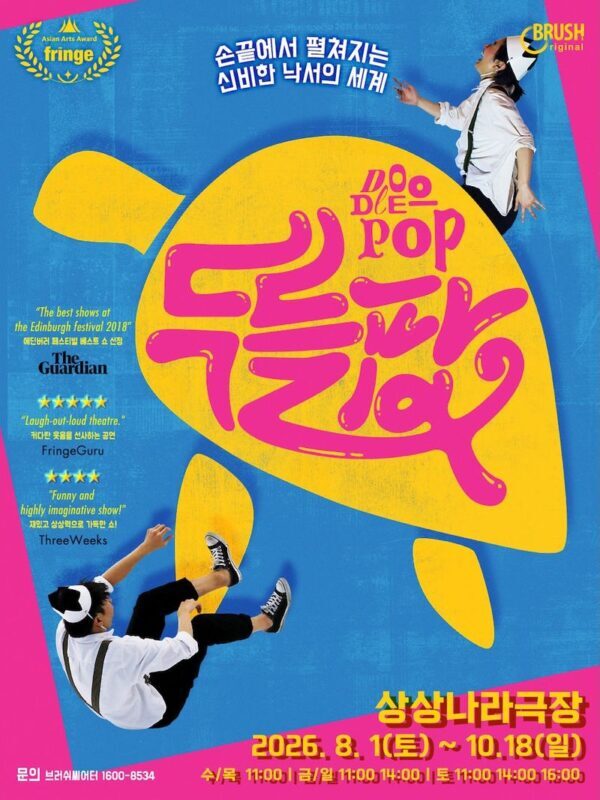
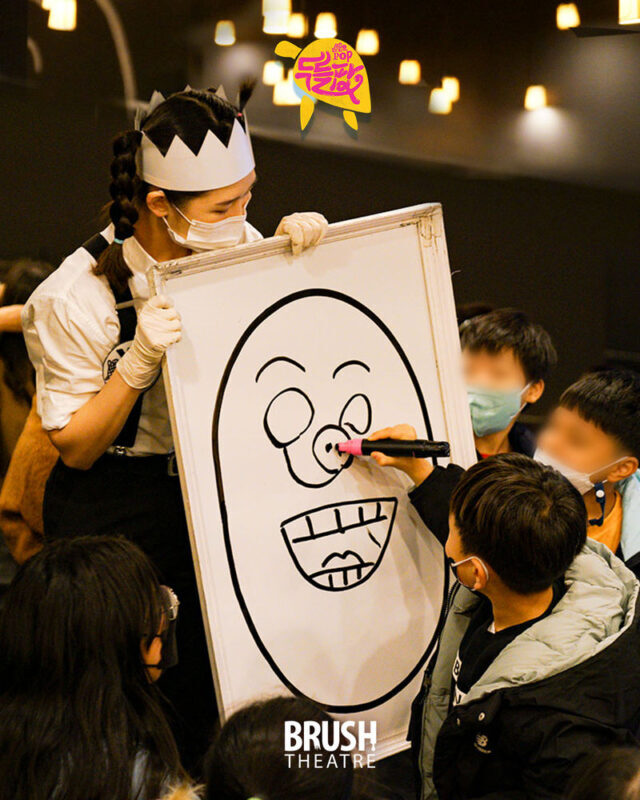
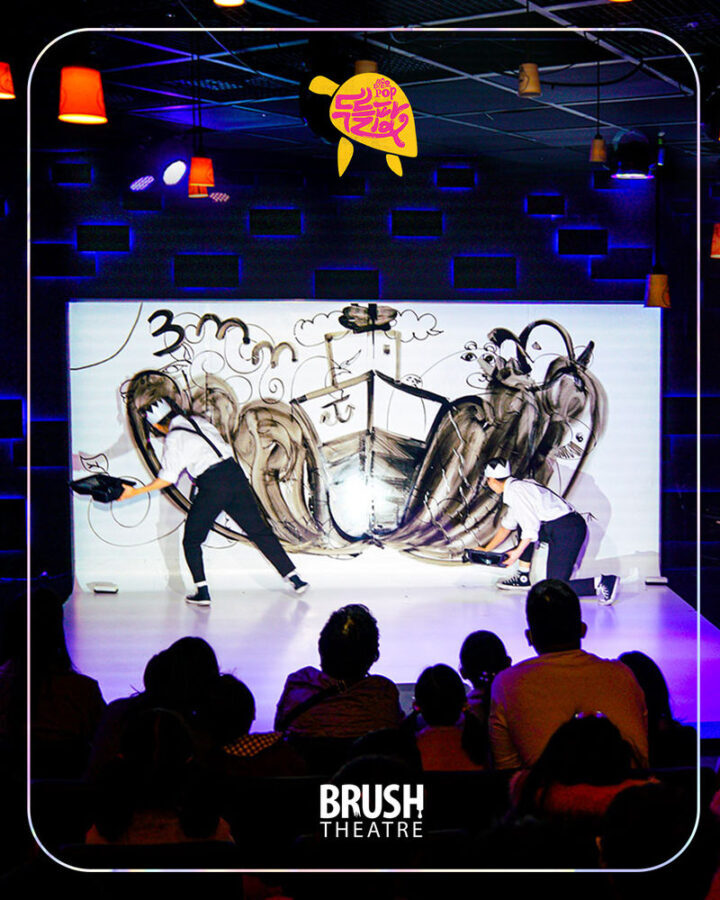
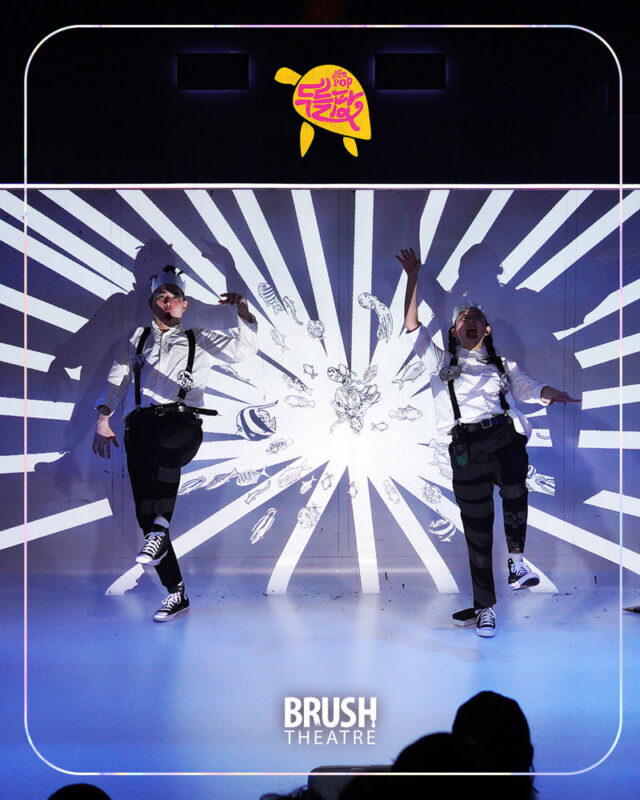
Doodle POP’s central idea is easy for a child to grasp: an artist draws, and the drawing becomes part of a moving, projected world. Boogie and Gobi lead the story, with their sketches turning into creatures and larger scenes. For a young child, that shift from simple lines to a giant turtle or sea creature can be the main event.
I see the live drawing as the show’s strongest feature. It offers more than a finished cartoon on a screen: the audience can follow how an image takes shape, then watch it change. That can hold a young child’s attention in a different way from a standard stage play, especially if they enjoy drawing or inventing characters themselves.
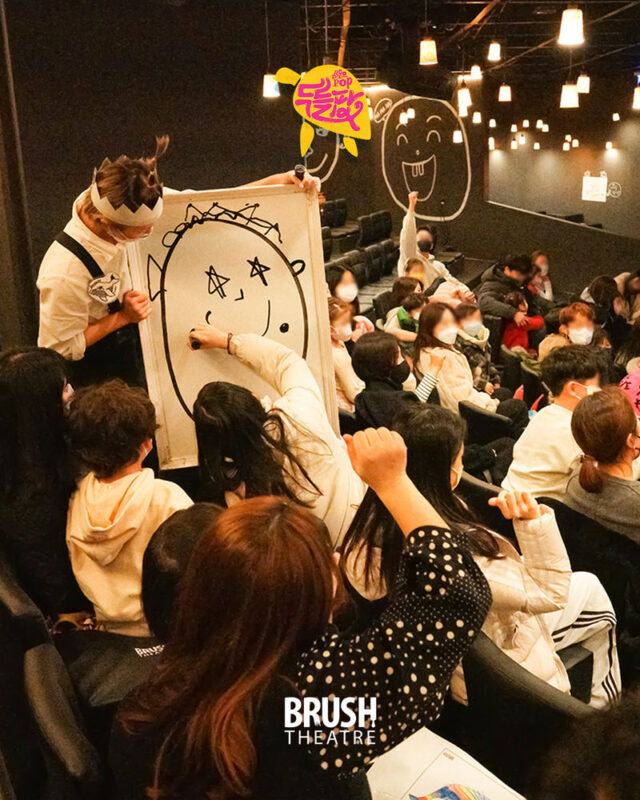
The performance also combines projection and sound effects. Those elements help build a sense of movement and surprise around the drawings. The description promises an energetic, interactive style, but it does not explain exactly how audience participation works, so I would not book on the assumption that children will get to draw or join the performers onstage.
You can also read our reviews of more tours and experiences in Seoul

Following Boogie and Gobi through the show
The story follows Boogie and Gobi as they create images that grow into new settings and characters. The details supplied point to sea creatures, giant turtles, and magical worlds, rather than a complex plot with many characters or a long sequence of named scenes. That simple structure is likely to be a strength for preschool-age children, who can enjoy each transformation without needing to keep track of a complicated story.
The show’s basic rhythm appears to be built around a drawing becoming something unexpected. A picture starts as a doodle, projection expands it, and sound effects help make the scene feel alive. The fun is in the reveal. If your child likes to guess what a drawing might become, this setup has a natural appeal.
There is no detailed running order or duration available, so I would not plan the rest of your day around a precise show length. The promised highlights are the characters, the transformations, and the mix of drawing and projected imagery. Think of it as a visual performance built around a central creative trick, not a full museum visit or a long-form theatrical production.
How the visual style works for young children
A performance without a language barrier sounds ideal for an international family. Doodle POP is presented as non-verbal, and drawing is a form of storytelling children can follow even when they do not share the performers’ language. That is a real advantage for families visiting Seoul who want a cultural outing without needing to translate every line.
There is an important qualification: one attendee said the show included a lot of Korean. That does not tell us how much dialogue there is, or whether every performance uses the same amount. Still, I would not promise a fully wordless experience to a child or adult who cannot follow Korean. If language access is central to your decision, check with the venue before booking.
Even with spoken Korean, the visual elements may carry much of the action. The transformations, characters, projection, and sound effects are the clearest parts of the concept. But how much they compensate for dialogue will depend on your child’s age, attention span, and interest in visual performance. A child who is happy to watch pictures change may be content. A child who wants a clear spoken story could find the experience harder to follow.
Choosing the right age and expectations
The strongest age guidance comes from a family who felt the show was aimed at children around six and younger. That is a useful warning for parents of older children: the show’s imaginative premise may sound broad, but the pace and content can still feel young. One family found it boring, which suggests that having children is not enough to make this a sure fit. Their ages and tastes matter.
For a preschooler who likes cartoons, drawing, and playful surprises, the format may be just right. The story is simple, the images are central, and the characters move through whimsical scenes. A child who wants a fast-moving plot, jokes aimed at older kids, or a more substantial theatrical story may expect more than this performance offers.
I would also be cautious about treating the word interactive as a promise of hands-on participation. The show description mentions interactive sound effects, but does not spell out what children do or how they take part. The safe expectation is a lively visual performance, not a workshop where every child makes art.
Is the ticket worth the price?
No price is provided here, so I cannot judge the ticket against a specific amount. The value comes down to what your family wants from the outing. If your child is in the show’s apparent sweet spot and enjoys live drawing, visual surprises, and imaginary creatures, the concept may make for a cheerful break in your Seoul plans.
If you are paying for older children, or hoping for a sophisticated show that will entertain adults as much as children, the value is less certain. One attendee felt the content did not justify the price, and another family found it dull. Those are meaningful cautions, particularly because the performance’s strongest appeal seems to be narrow: young children who respond to colorful visual storytelling.
For a family with a very young child, the right question is not simply whether the show is good or bad. Ask whether your child enjoys watching art being made and can stay interested in a straightforward story. If yes, the live drawing and projected transformations may be worth the ticket. If your child is older or prefers elaborate comedy and plot, you may get better value from a different activity.
You can also read our reviews of more tours and experiences in Seoul


Finding the show at Seoul Children’s Museum
The meeting point is Seoul Children’s Museum, in Seoul, South Korea. The venue name is the only specific location detail available, so check the museum’s current address and directions before setting out. No transport instructions, show duration, or entry procedure are provided here.
It may be useful to think of Doodle POP as one part of a family outing rather than assuming it will fill a full day. The performance description focuses on the show itself, not on other museum activities, facilities, or ticket combinations. Confirm what your ticket covers if you are planning to spend additional time at the museum.
Who should book Doodle POP?
I would consider this show for families with children around six and under, especially those who enjoy drawing, animated visuals, and playful transformations. The non-verbal format is intended to make it accessible to people from different language backgrounds, and the use of live art gives it a clear point of difference from a standard screen-based show.
I would hesitate if your children are older, if they need a detailed spoken story, or if you are counting on a performance with no Korean dialogue at all. The available feedback is mixed and the low overall rating should temper expectations. There is a promising idea here, but its value depends heavily on age, taste, and how much the spoken portions matter to your family.
My practical verdict: book if your child is young and loves watching pictures turn into characters. If your family wants a more substantial or universally wordless performance, compare alternatives before committing.
FAQ
Where does the Magic Drawing Show take place?
The meeting point is Seoul Children’s Museum in Seoul, South Korea.
What is the name of the show?
The show is called Doodle POP.
Who are Boogie and Gobi?
Boogie and Gobi are the characters whose doodles transform into creatures and imagined worlds during the performance.
What kinds of images appear in the show?
The described transformations include sea creatures, giant turtles, and magical worlds.
What does the performance combine?
It combines live drawing, screen projection, and interactive sound effects.
Is the show non-verbal?
It is promoted as a non-verbal performance, but one attendee found that a lot of Korean was spoken. Do not assume that every part is language-free.
What age group is the show best suited to?
The available age guidance points to families with young children, particularly children around six and younger.
Is the show suitable for international families?
Its visual storytelling is intended to appeal across language backgrounds. However, because one attendee found that Korean was spoken often, it may not be fully language-independent.
Is the show interactive?
The performance is described as using interactive sound effects. The exact form of audience participation is not specified.
Is the show a good fit for older children?
That is uncertain. One family with older children found it boring, while the clearest age guidance points to younger children.