Hand-pulled noodles and dumplings begin with flour, water and your own two hands. With Rabbit guiding you, this Tongzhou cooking experience pairs a local market visit with time in a Beijing home, where you can learn to make northern Chinese pasta and share the meal you cook.
I like two things in particular: you can choose fresh ingredients at a neighborhood market, and the lesson gets into the small details, from mixing dumpling filling to shaping wrappers. Rabbit also uses ingredients grown by her mother, including grains, beans, peanuts and sesame, giving the meal a personal connection to the food on the table.
The trade-off is time and distance. This is in Tongzhou, not central Beijing, and a four-hour booking can stretch to six hours for one or two people or longer with a bigger group. Plan around the full visit, not just the nominal duration.
- What makes this cooking class special
- Market shopping gives the class a local start
- From flour and water to noodles and dumplings
- Rabbit’s home turns a lesson into a shared meal
- Expect more than the four-hour label
- What the price covers, and how to judge the value
- Food needs and what to wear
- Who will enjoy this experience most
- Should you book Rabbit’s noodle class?
- FAQ
- Where does the cooking experience take place?
- How long should I set aside?
- What can I learn to make?
- Is the market visit included?
- Can I request a vegetarian, vegan or meat-based meal?
- What should I know about allergies?
- The Best Of Beijing!
- More Cooking Classes in Beijing
- More Tours in Beijing
- More Tour Reviews in Beijing
- Not for you? Here's more nearby things to do in Beijing we have reviewed
What makes this cooking class special
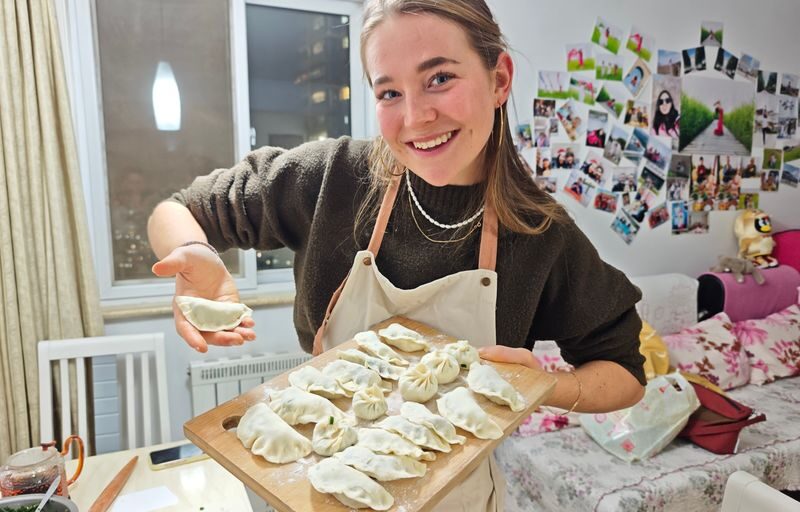
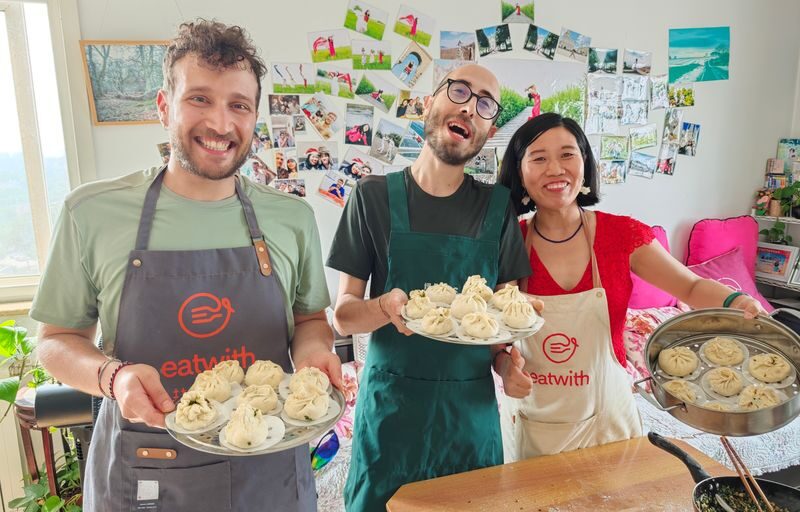
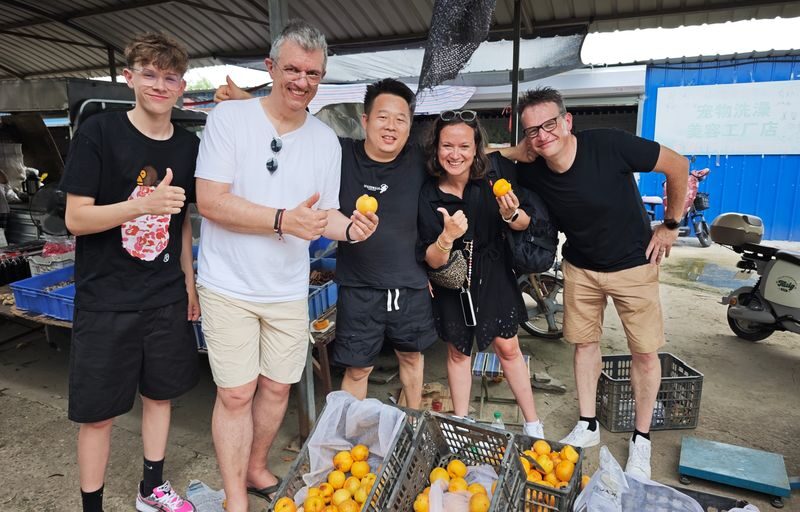
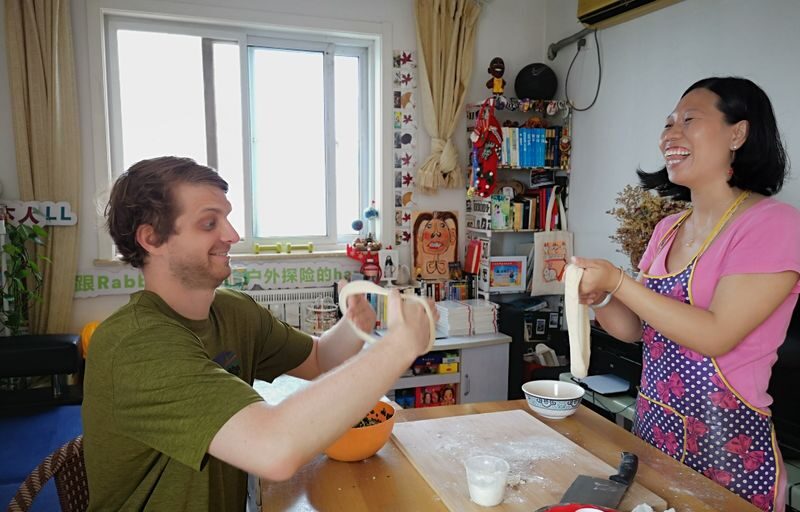
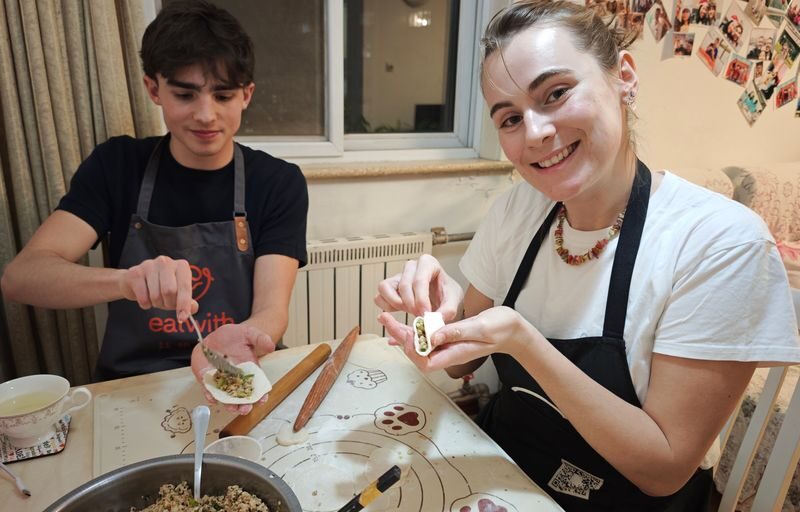
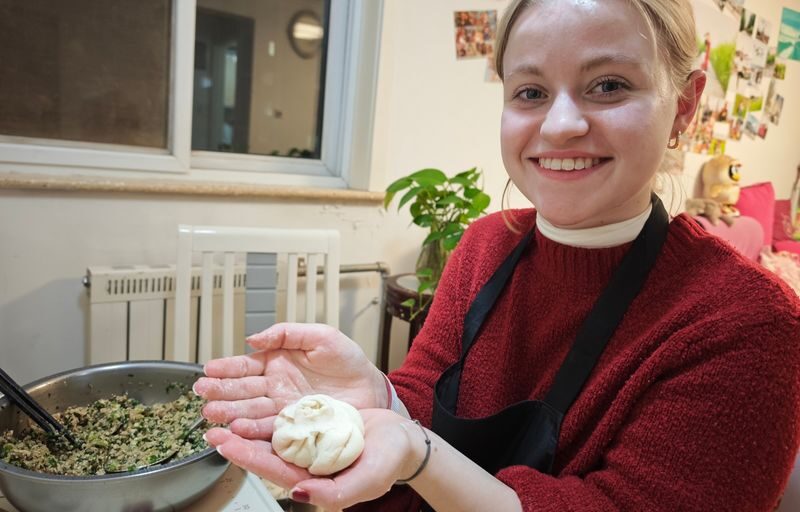
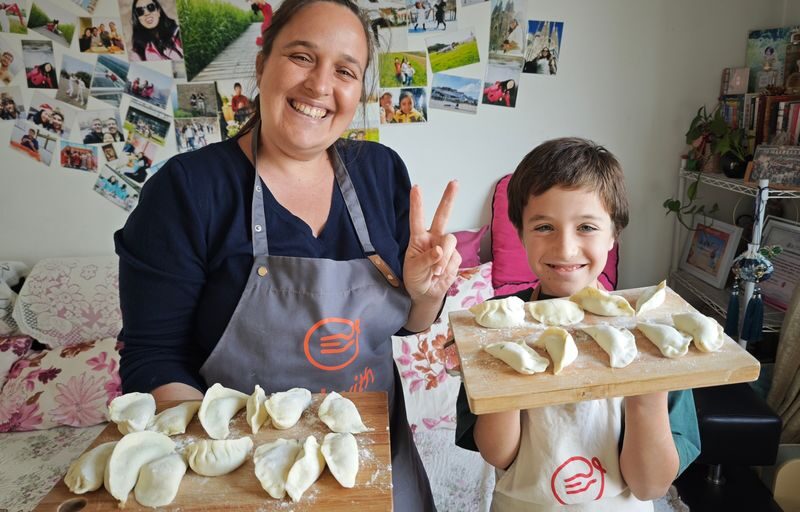
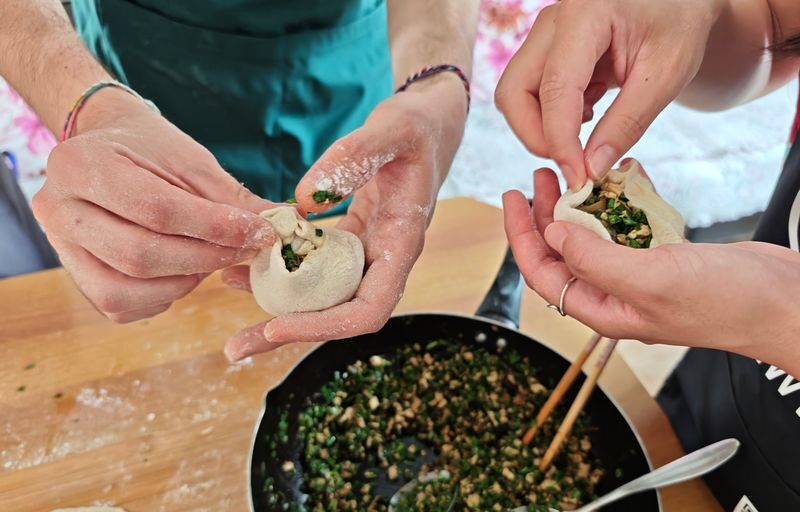
- Shop before you cook: If time and conditions allow, Rabbit takes you to a local morning or evening market to choose vegetables and other ingredients.
- Make the dough yourself: Learn hands-on techniques for noodles and dumplings, with possible dishes including buns, cold or warm noodles, and fried boxes.
- Cook in a local home: The class takes place at Rabbit’s home in Tongzhou, about 15 minutes by car from Universal Studios.
- Expect a long, social meal: Tea, conversation and a shared feast are part of the experience, not just a quick lesson.
- Ask about your menu: Vegetarian and vegan meals have been prepared, and meat may be possible if you request it in advance.
- Budget time for the group: The activity can last four to six hours for one or two people, and five to eight hours for three to five.
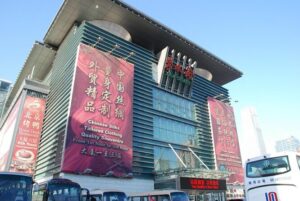
👉 See our pick of the 25 Best Shopping Tours In Beijing
Market shopping gives the class a local start
The experience begins with a meeting and pickup arrangement, then may head to a neighborhood market before cooking. Rabbit meets you at a subway entrance or another agreed point and accompanies you to the market and her home. The exact plan depends on your departure time, weather and traffic.
Market shopping is more than a practical errand. You can point out vegetables you recognize, ask about unfamiliar produce, and help choose what goes into the meal. Past menus have included vegetables such as lotus root and winter melon, and one market visit turned up purple and green radishes that were new to the cook.
You may also see ingredients that are less familiar than the produce at a supermarket back home. One visitor noticed handmade tofu with a smoky aroma, later served with dumplings. That kind of discovery is part of the appeal: the ingredients are not simply arranged for a lesson, you get to see what is available locally and talk about how it is used.
If you have favorite vegetables, tell Rabbit ahead of time. She asks about preferences so she can shop in the morning. The market visit is not guaranteed as a fixed stop for every booking, though. It depends on your interest and available time, so make clear before the day that you would like to go.
You can also read our reviews of more cooking classes in Beijing


From flour and water to noodles and dumplings
At Rabbit’s home, the hands-on work begins. You do not need cooking experience. The point is to take part, follow the steps and learn what changes when pasta is made by hand rather than bought ready-made.
Depending on the menu, you might mix dough, prepare a filling, roll wrappers, shape dumplings and cook them. Noodles can be pulled by hand, with the aim of getting the springy, chewy texture often prized in northern Chinese pasta. Rabbit also teaches other forms, which may include fancy buns and fried boxes. The exact menu can change with the season and ingredients.
The details matter. Dumplings are not only a matter of placing filling in dough and pinching the edges shut. You can see how the dough is made, how the filling is mixed and how the wrapper is shaped. If you already make dumplings at home, you may still pick up a different method or learn why the order of the steps matters.
The class is designed for participation, not a cooking demonstration from the other side of a counter. Rabbit explains the process and lets you work through it. That makes it a good fit if you like learning by doing, though it may feel slow if you want a brief lesson followed by a fast meal.
Rabbit’s home turns a lesson into a shared meal
Cooking takes place at Rabbit’s home in Tongzhou. The setting gives the class a more personal feel than a restaurant kitchen, and the experience includes time to sit, drink tea and talk. The pace is deliberately roomy: this is as much about spending time with your host as it is about mastering a recipe.
Rabbit is also known as Sanxia in one account of the experience, while the name used most often is Rabbit. She is described as friendly and talkative, and English-speaking support is listed. Chinese- and German-speaking staff are also listed, though you should confirm the language arrangements for your specific date if they matter to you.
The conversation is part of the value. You can ask about food and daily life, exchange stories, and learn how a home-cooked meal fits into local routines. If you want a polished restaurant-style cooking class with a strict schedule, this may not be your ideal format. If you enjoy sitting at a kitchen table and letting a meal take its time, it is a stronger match.
Rabbit may serve homemade yogurt, fresh juice, wine or other samples. Ingredients such as grains, beans, peanuts and sesame are grown by her mother especially for her, along with sesame oil and sesame paste. These details give the food a family link and make the cooking feel less like a generic menu.
Expect more than the four-hour label
The package is called a four-hour experience, but the actual visit can run longer. For one or two people, allow four to six hours. For three to five, the stated range is five to eight hours, since each person is meant to have time to take part.
That difference affects your day. A lunch start is listed at 11:00, with a return around 15:00; an afternoon start is listed at 16:00, with a return around 20:00. These are stated options, not a promise that every visit ends exactly on the hour. Confirm the schedule after booking and avoid placing a timed attraction right after the class.
The venue is in Tongzhou District, near Universal Studios Beijing, about a 15-minute drive from the park. That makes the class easier to pair with a Tongzhou stay or a Universal visit than with a packed day of sightseeing in central Beijing. Traffic and weather can affect the schedule, so leave room in your plans.
The pickup and drop-off arrangement is helpful, especially if you are unfamiliar with the neighborhood. Rabbit says she will meet you at a subway entrance or the door, depending on the plan. Confirm the exact meeting point and return details in advance; the experience is not simply a class you walk into at a clearly specified storefront.
What the price covers, and how to judge the value
The supplied prices differ: the experience summary gives a starting price of US$74.35, while the four-hour package is shown from US$67.59. Treat these as starting figures and check the total for your date and party before booking. The final amount may depend on the selected package and booking conditions.
The value is not just the meal. You are paying for a guided market visit when arranged, instruction in several handmade techniques, time in a local home, and a meal made together. If you would otherwise book a cooking class and pay separately for lunch, the combined experience may make sense. Its appeal is less about learning a single recipe in the shortest possible time and more about gaining a practical look at home cooking and food shopping.
A shared experience may include other people. If you want a private class, contact customer service to ask about arranging one. A small group can make conversation easier, but more participants also mean a longer session. Infants and children must be included in the passenger count.
- Beijing Mutianyu Great Wall Day Tour (Optional Cable Car/ropeway/Toboggan Package)
★ 4.8 · 11,505 reviews






Food needs and what to wear
Tell Rabbit about dietary restrictions before the experience, including any restrictions related to vegetable marinades. If you have a gluten allergy, notify her in advance: flour is central to the class, so this is an important detail rather than a minor preference.
Vegetarian and vegan meals have been prepared, including dumplings and vegetable dishes. If you want meat, you can ask in advance and Rabbit will try to arrange it. Do not assume a specific menu: dishes change with seasonal ingredients and availability, so confirm any essential requirement before booking.
Wear comfortable clothes that you do not mind cooking in. The host advises against rings and bracelets, and suggests keeping nails short for the hands-on work. You will be handling dough and shaping food, so practical clothing is a better choice than an outfit that needs careful handling.
Who will enjoy this experience most
This class suits curious eaters who want to cook, ask questions and spend time with a local host. It is especially appealing if you enjoy dumplings, noodles or hands-on food lessons, and if you are open to trying vegetables you may not recognize. You do not need prior skill, but you should arrive ready to participate.
It can also work well for vegetarians and vegans, provided you discuss the menu beforehand. The option to choose ingredients at the market gives you a say in the meal, while the host’s family-grown grains, beans and sesame add a personal touch to the cooking.
It is less suited to anyone with a tight sightseeing schedule, a strict need for a short activity or an unconfirmed dietary concern involving gluten. Tongzhou is outside central Beijing, and the class can take most of the day. Think of it as a cultural meal and a slow visit, not a quick stop between major sights.
Should you book Rabbit’s noodle class?
Book it if you want to learn by making the food yourself and value conversation as much as the recipe. The strongest reasons to go are the market-to-table format, the chance to shape noodles or dumplings from scratch, and the relaxed time in Rabbit’s home.
Skip it if you need a short, tightly timed class or are trying to fit several central Beijing sights into one day. Before booking, confirm the price, meeting point, language support, menu and expected duration. With those details settled, this is a practical way to spend a few hours eating, cooking and learning about everyday food in Beijing.
Chinese Traditional Pasta Making Experience-Eatwith
“We had a wonderful time at the cooking class! Rabbit met us at a subway station, from there we walked to a local market to buy our ingredients for…”
FAQ
Where does the cooking experience take place?
It takes place at Rabbit’s home in Tongzhou District, Beijing, near Universal Studios. The venue is described as about a 15-minute drive from the park.
How long should I set aside?
The package is called a four-hour experience, but allow four to six hours for one or two people. For three to five people, the stated range is five to eight hours.
What can I learn to make?
The class teaches handmade Chinese pasta, including hand-pulled noodles and dumplings. Depending on the menu, it may also include buns, fried boxes and other noodle dishes.
Is the market visit included?
Rabbit may take you to a local morning or evening market to choose fresh ingredients, if you are interested and there is time. Tell her in advance if you would like to visit.
Can I request a vegetarian, vegan or meat-based meal?
Vegetarian and vegan meals have been prepared, and you can request meat in advance. Tell Rabbit about dietary restrictions and vegetable marinade restrictions before the experience.
What should I know about allergies?
Flour is central to the activity, so tell the host in advance if you have a gluten allergy. The experience asks you to disclose dietary restrictions before the visit.
The Best Of Beijing!



More Cooking Classes in Beijing


More Tours in Beijing
- Beijing Mutianyu Great Wall Day Tour (Optional Cable Car/ropeway/Toboggan Package)
★ 4.8 · 11,505 reviews

More Tour Reviews in Beijing
- Beijing Mutianyu Great Wall Day Tour (Optional Cable Car/ropeway/Toboggan Package)
★ 4.8 · 11,505 reviews