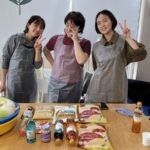
Kkakdugi is the crisp, cubed radish kimchi often served alongside Korean meals. In this Busan class, you salt the radish, mix a seasoning paste, and pack your own batch to take home. The lesson also includes a Bujeon Market visit and a buffet meal while the radish rests.
I like two things in particular: the tutor teaches step by step, and you get extra seasoning to use at home rather than leaving with only a recipe. The packaging is also designed to protect your container during air travel. One caveat: the advertised duration and schedule don’t quite match, so confirm the exact timing and meeting point before booking.
- At a glance
- Making kkakdugi, one practical step at a time
- Bujeon Market, then on to the kitchen
- The salting wait is part of the lesson
- Seasoning to use after your Busan visit
- What the price buys, and what it doesn’t
- Timing, meeting points, and who should book
- Should you book the Busan kimchi class?
- FAQ
- How long does the experience take?
- Where do I meet the group?
- What food is included?
- Can I take my kimchi on a flight?
- What are the age requirements?
- What happens if the minimum group size is not met?
- The Best Of Busan!
- More Cooking Classes in Busan
- More Tours in Busan
- More Tour Reviews in Busan
- Not for you? Here's more nearby things to do in Busan we have reviewed
At a glance
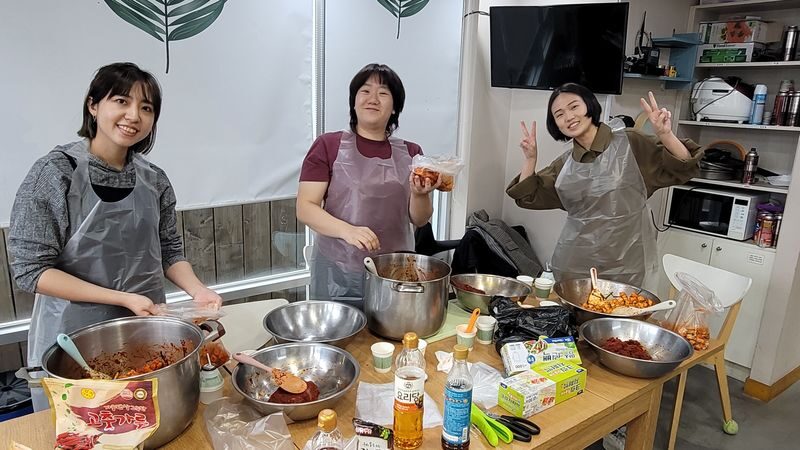
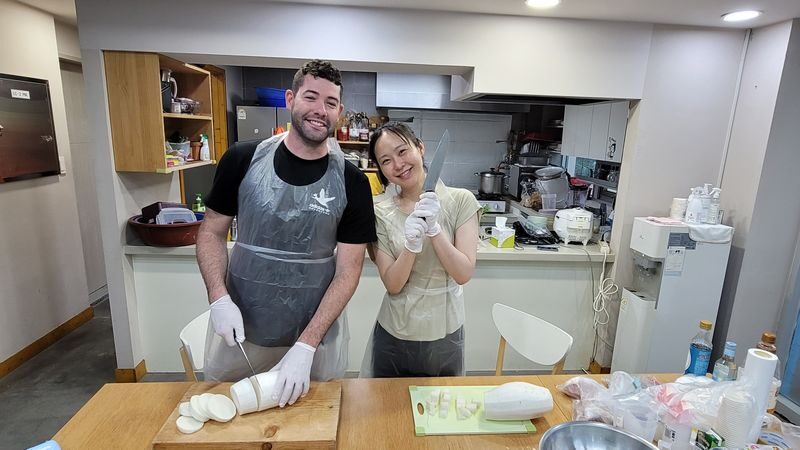
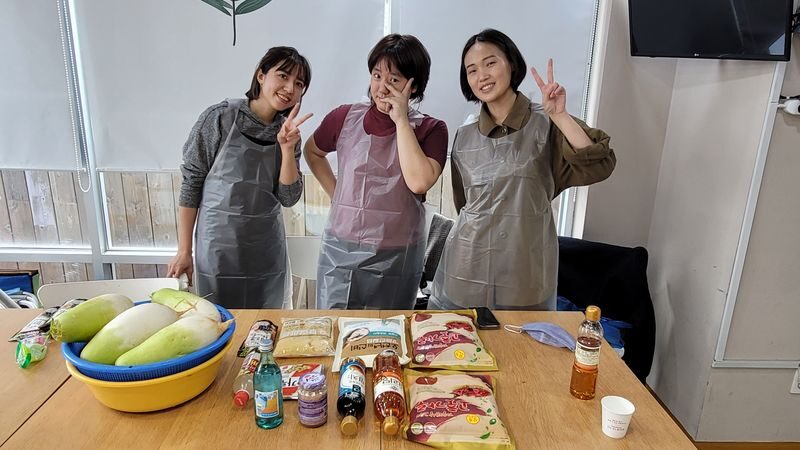
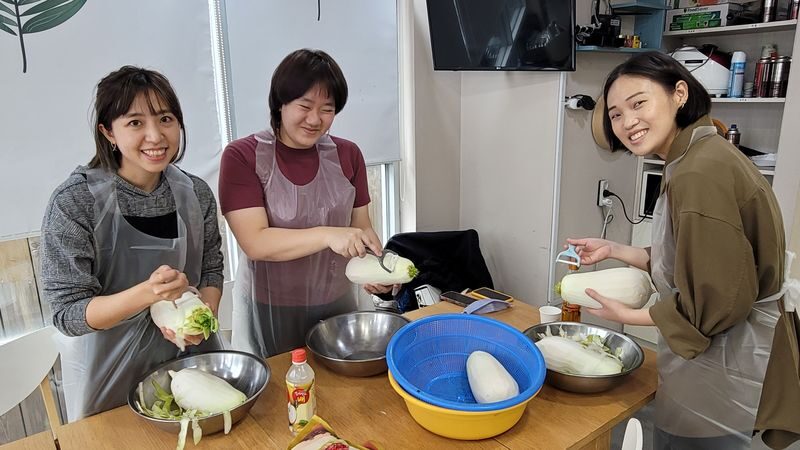
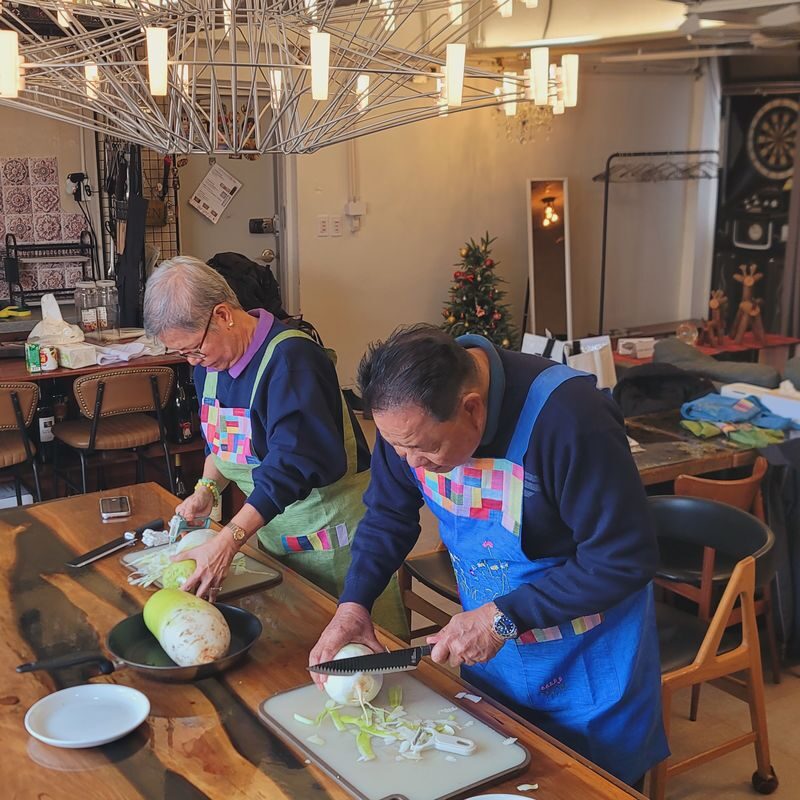
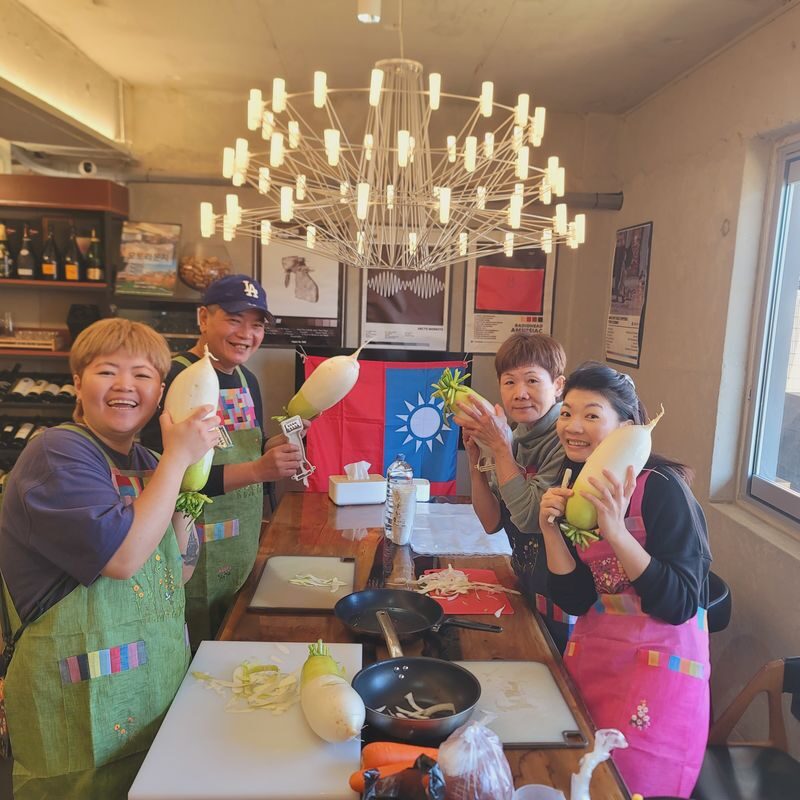
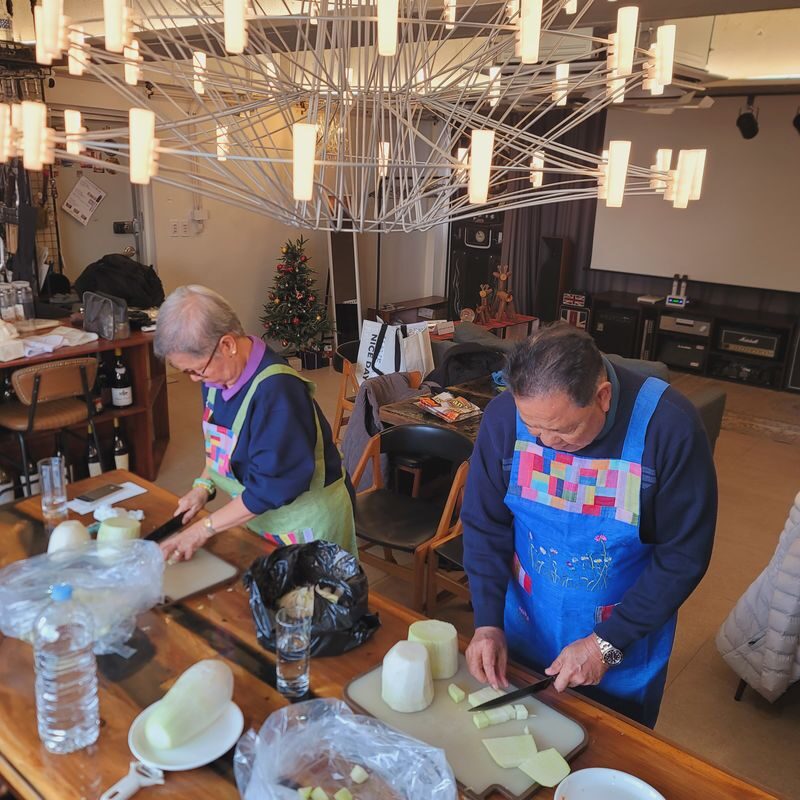
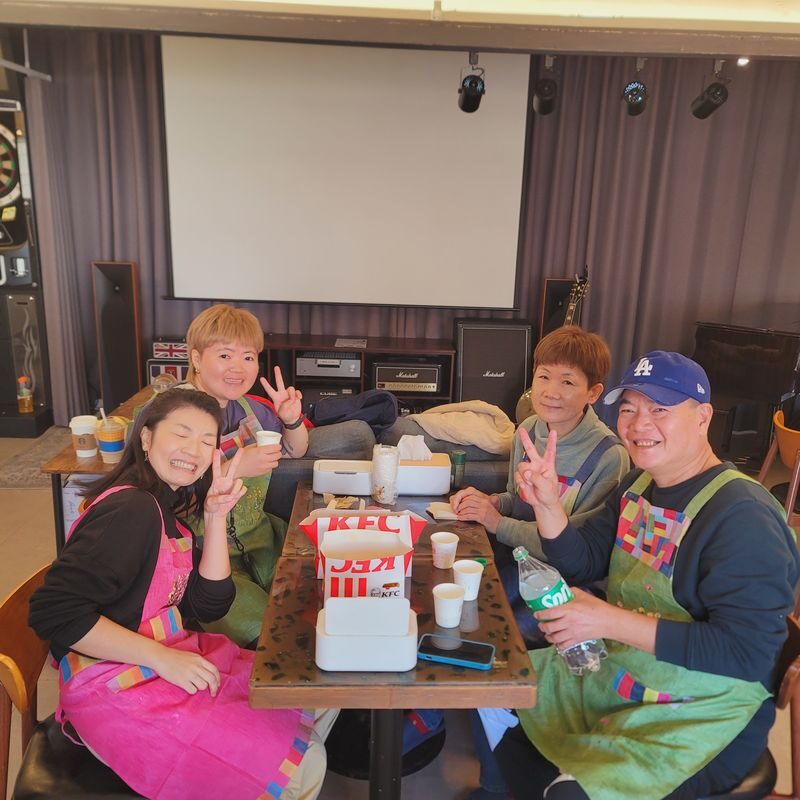
- Make kkakdugi from scratch: Salt Korean radish, prepare its seasoning, and pack your finished kimchi in a provided container.
- Take seasoning home: The tutor makes enough paste for your batch and an extra portion for future kimchi.
- Visit Bujeon Market: The planned guided stop lasts about 40 minutes before a subway ride to the cooking studio.
- Eat while the radish rests: A buffet meal, with vegan options, fills part of the salting wait.
- Choose a related class: Options include leaf mustard kimchi or a kimchi class paired with a grilled beef and seafood dinner with a Haeundae ocean view.
- Check the schedule closely: The class is described as two hours in one place, while the itinerary lists three hours at the studio, plus the market and transit.

👉 See our pick of the 4 Best 3 Day Tours In Busan
Making kkakdugi, one practical step at a time
This is a hands-on introduction to one of Korea’s best-known kimchi styles. Kkakdugi uses radish rather than cabbage, and the class takes you through the core work: salting the radish, making a seasoning sauce, and packing the finished kimchi.
That process is useful beyond the class itself. The tutor says the recipes can be made in your home country, and you receive extra seasoning to try again later. If you’ve wanted to bring a Korean cooking skill home without needing a specialty kitchen, this is a sensible place to start.
The available feedback is limited, but one participant gave the class five stars and singled out the tutor’s professional, careful, step-by-step teaching. The participant also noted that the tutor paid attention to how people were managing the lesson. That kind of attentiveness matters in a cooking class: you can ask for help at the moment you need it, instead of trying to catch up after a demonstration has moved on.
No tutor name is provided, so you can’t request a particular instructor. The experience is run by Dorawayo, and the class is available with Chinese, English, or Mandarin-speaking guide support. If language is important for your cooking questions, confirm which language will be used for your booked session.
You can also read our reviews of more cooking classes in Busan


Bujeon Market, then on to the kitchen
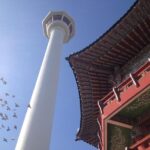
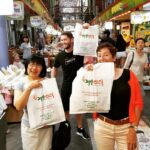
The planned outing begins with a 40-minute guided visit to Bujeon Market. That gives the class a local food setting before you start cooking, though the details of the market walk are not specified. Treat it as an introduction to a Busan market, not a separate food tour with a detailed tasting schedule.
After the market, the group takes the subway for about 20 minutes to the cooking studio. The transfer is described as one-way, so don’t assume transport back to your starting point is included. Return arrangements are listed separately, and customers are responsible for their own return expense.
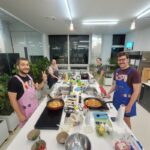
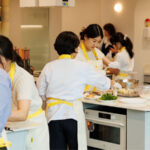
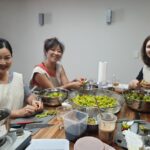
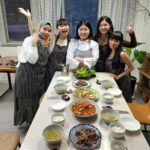
The studio is where the main activity happens. The tutor first gives a short explanation of radish kimchi, then begins the preparation. Because salting takes time, the radish is started early. You won’t spend the whole session standing around: while it rests, the group has a buffet meal, with vegan options listed.
There is a meaningful timing discrepancy to sort out before you commit. The experience summary calls the class two hours, while the itinerary gives the studio portion as three hours. Add the market stop and subway trip, and the full outing may take considerably longer than two hours. Departure and return times vary by selected slot, so ask the operator to confirm your actual schedule.
The salting wait is part of the lesson
Salting is not a throwaway step. It gives the radish time to change texture before the seasoning goes on, and it shapes the pace of the class. The tutor starts the radish first, then uses the waiting period for the meal rather than rushing through the cooking or leaving you with an empty stretch of time.
The planned buffet includes vegan menus, a useful detail if you don’t eat meat. The package information also lists lunch, dinner, and snacks as inclusions, but the activity description specifically explains a meal during the radish’s salting time. A separate package adds grilled beef and seafood dinner with a Haeundae ocean view. Since the meal details may depend on which option you book, confirm what is included in your chosen package.
This pause also makes the lesson easier to follow. You can focus on the seasoning sauce after the radish has been prepared, then pack your batch once the steps are complete. The class description doesn’t specify how much kimchi each participant makes or how long it takes to ferment, so don’t expect a ready-to-eat product at the end.
Seasoning to use after your Busan visit
The extra seasoning is one of the class’s strongest practical features. Many cooking activities send you home with a recipe and leave you to source every component and recreate the balance yourself. Here, you also leave with extra sauce, a small but helpful bridge between watching a tutor and making your own batch later.
The lesson is presented as suitable for recipes you can make in your home country. That doesn’t mean every ingredient will be available in every grocery store, but it does make the experience more useful than a demonstration that depends on equipment or supplies you can’t find again.
You’re also given a plastic container for the kimchi and air-pocket packing material intended to reduce the risk of breakage in checked baggage. That’s thoughtful for anyone continuing a trip by plane. Still, the provided packing doesn’t guarantee that a container will meet an airline’s rules or prevent every leak. Check your airline’s baggage requirements, and pack the container securely.
What the price buys, and what it doesn’t
The radish kimchi class starts at US$120. That is a substantial price for a two-hour cooking lesson, but the advertised experience includes more than time at the counter: a guided Bujeon Market stop, subway transfer to the studio, a meal during the salting interval, your own kimchi container, protective packaging, and extra seasoning.
The value depends on what you want from Busan. If you’re mainly looking for a cheap meal or a quick kitchen demonstration, this will likely feel expensive. If you care about learning a Korean dish you can attempt at home and enjoy a guided food activity, the take-home seasoning and hands-on preparation make the cost easier to justify.
There are two other packages. A leaf mustard kimchi class starts at US$125, while a radish kimchi class paired with grilled beef and seafood dinner with a Haeundae ocean view starts at US$170. These are distinct options, not details to assume are included in the base class. Compare what each package includes before choosing.
The inclusion list names lunch, dinner, snacks, and a one-way transfer, while the described class focuses on a buffet meal during salting. That wording is not fully clear about which meal applies to each package. Ask the operator to spell out the meal and transport details for your selection, especially if those items are a major part of the price.
You can also read our reviews of more tours and experiences in Busan



Timing, meeting points, and who should book
Departure times are listed as 09:00, 14:00, and 17:00, with the available return time depending on the itinerary. You’re asked to arrive ten minutes before departure. Late arrivals and no-shows aren’t refundable, and a delay of 30 minutes or more also rules out a refund, so allow extra time to find the meeting place.
The meeting information refers to Seomyeon Station, while the return details also mention Dongnae Station and say customers return at their own expense. These place names and transfer notes are not perfectly clear. Before booking, confirm the precise meeting point, where the tour ends, and how to get back. Don’t rely on a station name alone when planning a tight connection.
The class is for participants aged 11 to under 75, and children and infants must be included in the passenger headcount. A minimum of two people is required; if that number isn’t met, you can request a different date or a refund. The activity is not recommended for people with high blood pressure, epilepsy, heart disease, asthma, other serious medical conditions, pregnant participants, people with disabilities, or infants. Pets are not allowed.
I’d consider this class if you enjoy cooking, want a food experience with a practical take-home skill, and have enough flexibility in your day to absorb a possibly longer schedule. It’s less suited to anyone on a tight timetable or expecting a quick, stand-alone lesson. The five-star feedback available praises the tutor’s serious, considerate, step-by-step approach, but the overall experience has only a small number of posted ratings to weigh.
Should you book the Busan kimchi class?
Book it if making Korean food matters more to you than squeezing in another sightseeing stop. The chance to salt radish, mix the seasoning, pack a batch, and keep extra sauce for home gives the class a useful afterlife beyond Busan.
Before paying, confirm the duration, meal, meeting and return points, and the language for your session. If those details fit your plans, the class offers a focused way to learn kkakdugi with a local food-market stop built in. If you want a shorter or simpler outing, compare the leaf mustard kimchi class or another cooking activity before deciding.
Korean Radish Kimchi (Kkakdugi) Cooking Class in Busan
“The teacher is very professional and good at observing the students' conditions. He teaches step by step, kindly and seriously. This trip is very w…”
FAQ
How long does the experience take?
The summary describes a two-hour class, but the itinerary lists three hours at the cooking studio, plus a 40-minute market visit and about 20 minutes on the subway. Confirm the full schedule with the operator before booking.
Where do I meet the group?
The meeting details name Seomyeon Station. Return information also refers to Dongnae Station and says customers return at their own expense, so confirm the exact meeting and end points before you go.
What food is included?
A buffet meal with vegan options is described during the radish-salting wait. The package inclusion list also names lunch, dinner, and snacks, so check which meals apply to your chosen package.
Can I take my kimchi on a flight?
You receive a plastic container and air-pocket packaging intended to protect it in checked baggage. Check your airline’s rules before packing food, as the packaging does not guarantee airline acceptance.
What are the age requirements?
Participants must be at least 11 and under 75. Infants and children must be included in the passenger headcount.
What happens if the minimum group size is not met?
The class requires at least two participants. If the minimum is not met, you can book an alternative date or request a full refund.