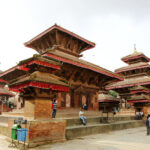
The most memorable part of this half-day is the chance to encounter two different religious traditions in one outing, then see an Arati ceremony that brings the experience to life. I like the pairing of Pashupatinath and Boudhanath, and I like that a guide can help make unfamiliar religious ideas easier to follow. Guide Bikram, named by one participant, answered questions and explained the traditions in terms a newcomer could understand.
The main consideration is that the practical details are limited: the exact schedule, transport, group size, and what the price includes are not specified. If you want time to linger at each site, check the pace and arrangements before booking. This is best approached as a guided introduction, not a promise of an unhurried visit.
- What to know before you book
- Pashupatinath and Boudhanath in one outing
- What to expect at Pashupatinath
- Boudhanath and the Buddhist side of the story
- Why the Arati ceremony matters
- A guide makes the difference
- Is .75 good value?
- Who will get the most from this tour?
- Should you book it?
- FAQ
- How long is the experience?
- Which places are included?
- Is an Arati ceremony included?
- What does the tour cover culturally?
- How much does it cost?
- Can I book for today?
- What is the cancellation policy?
- Is Bikram the guide for every departure?
- The Best Of Kathmandu!
- More Half-Day in Kathmandu
- More Tours in Kathmandu
- More Tour Reviews in Kathmandu
- Not for you? Here's more nearby things to do in Kathmandu we have reviewed
What to know before you book
 1 / 9
 2 / 9
 3 / 9
 4 / 9
 5 / 9
 6 / 9
 7 / 9
 8 / 9
 9 / 9
- Two sites, two traditions: The experience brings Pashupatinath and Boudhanath together, with discussion of Hinduism, Buddhism, and local culture.
- An Arati ceremony is part of the draw: The ceremony adds a live religious experience to the site visits. Its exact place in the schedule is not specified.
- A guide can make the ideas clearer: Bikram is named as a guide on one outing, where detailed explanations helped a first-time observer follow complex subjects.
- It fits a half-day: The format gives you a focused introduction, though the exact start time and length are not provided.
- The starting price is $51.75: Consider the value in light of what is included, which you should confirm before paying.
- Booking terms are flexible: You can book for the same day with instant confirmation, and cancel at least 24 hours ahead for a full refund.
👉 See our pick of the 14 Best Shopping Tours In Kathmandu
Pashupatinath and Boudhanath in one outing
This tour’s appeal lies in bringing two important religious settings into a single half-day. Instead of spending your time at just one place, you get a chance to encounter both Hindu and Buddhist traditions and consider how each is expressed in Kathmandu. That contrast gives the outing a clear purpose: it is not simply a stop at two named sites, but an introduction to different ways people understand and practice religion.
The guide matters here. Without context, unfamiliar customs can be hard to interpret, and you may leave with impressions but few answers. A guide who welcomes questions can connect what you see to wider ideas about belief and local culture. In one account of this experience, guide Bikram offered detailed explanations and found ways to make complex concepts understandable to newcomers. That is the kind of help that makes a short cultural visit more rewarding.
I would not assume every departure is led by Bikram. His name is a useful detail when you ask about the guide, but it is not a guarantee that he will lead your tour. The important thing is to check whether your guide will be able to explain the religious context and answer questions in a way that suits your level of familiarity.
You can also read our reviews of more tours and experiences in Kathmandu



What to expect at Pashupatinath
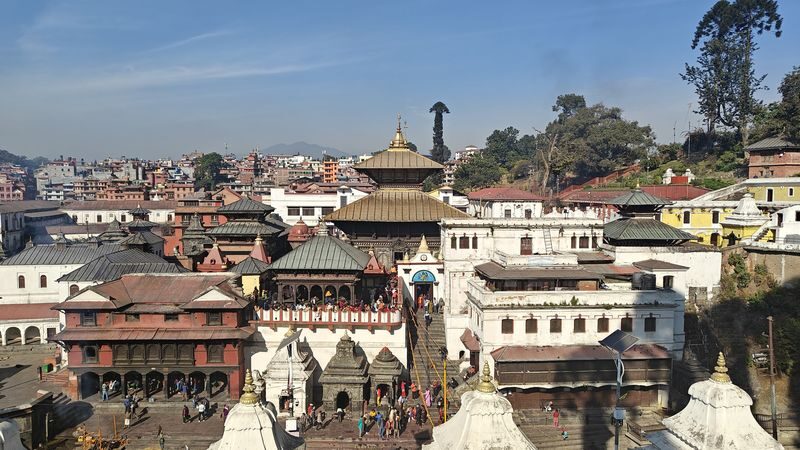
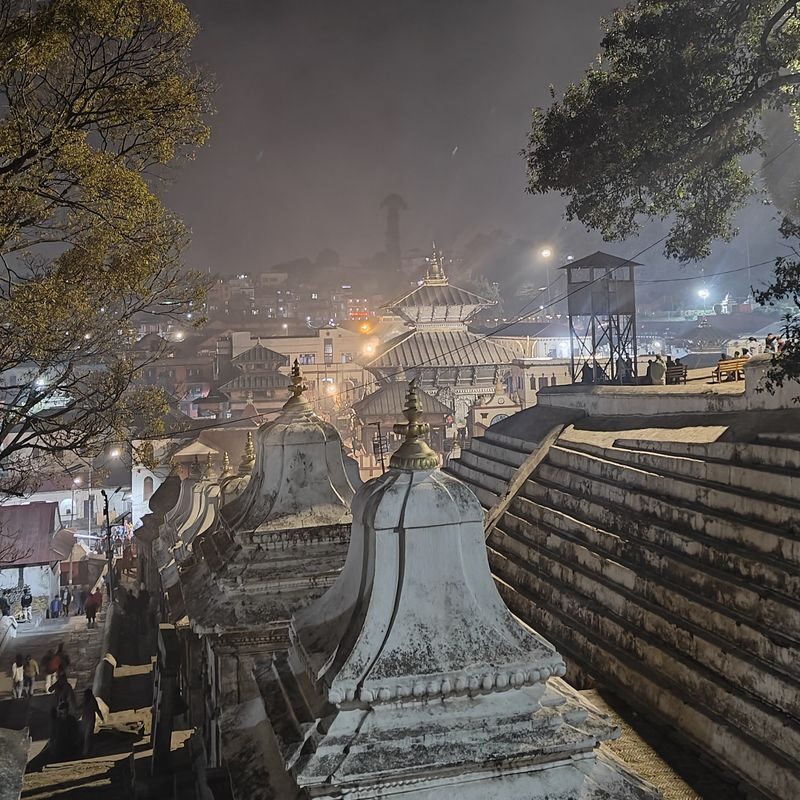
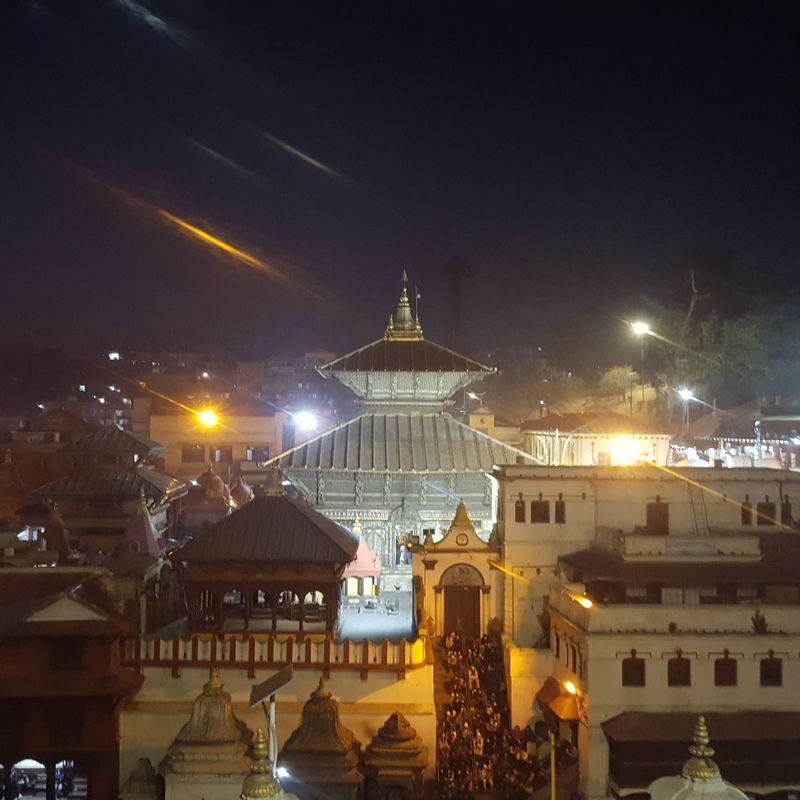
Pashupatinath is one half of the tour’s Hindu and Buddhist pairing, and the visit gives you a chance to hear about Hinduism in a setting where the subject feels immediate rather than abstract. The supplied details do not spell out a precise route through the site, access arrangements, or how long you will spend there, so avoid building a tight schedule around assumptions.
If you are new to Hindu traditions, take the opportunity to ask plain questions. The account of Bikram’s guiding describes explanations that helped a novice make sense of complex ideas. You do not need to arrive with a background in religion; curiosity and a willingness to listen are enough to get more from the visit.
A short tour also has limits. You may have less time to pause and absorb each setting than you would on a full-day visit, and the exact pace is not stated. If you prefer to move slowly, take photographs, or spend a long time reflecting, ask how much time is planned at Pashupatinath before booking. The half-day format is most useful if you want a structured first encounter rather than an open-ended visit.
Boudhanath and the Buddhist side of the story
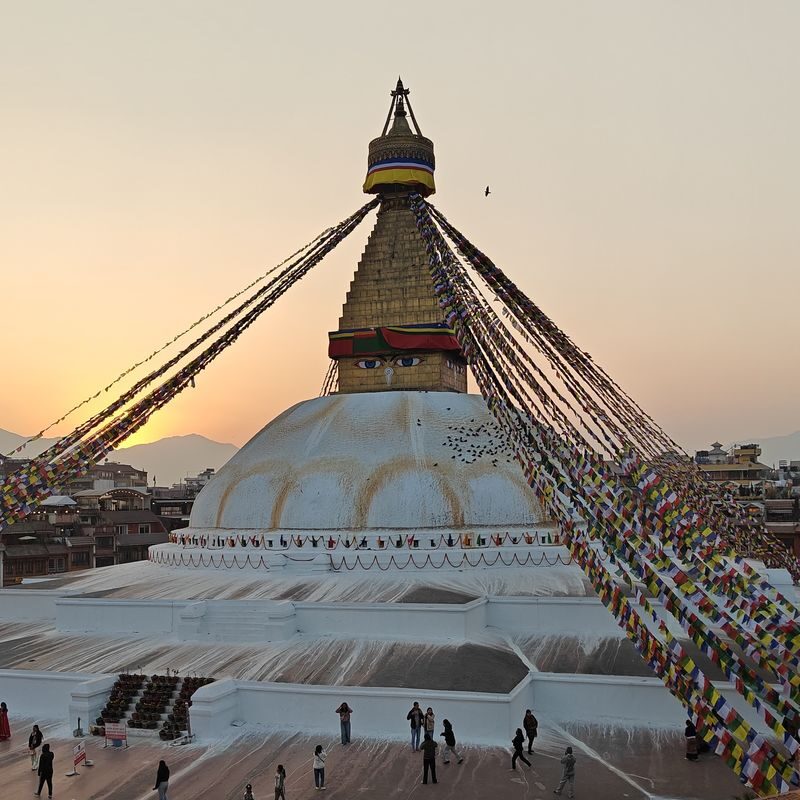
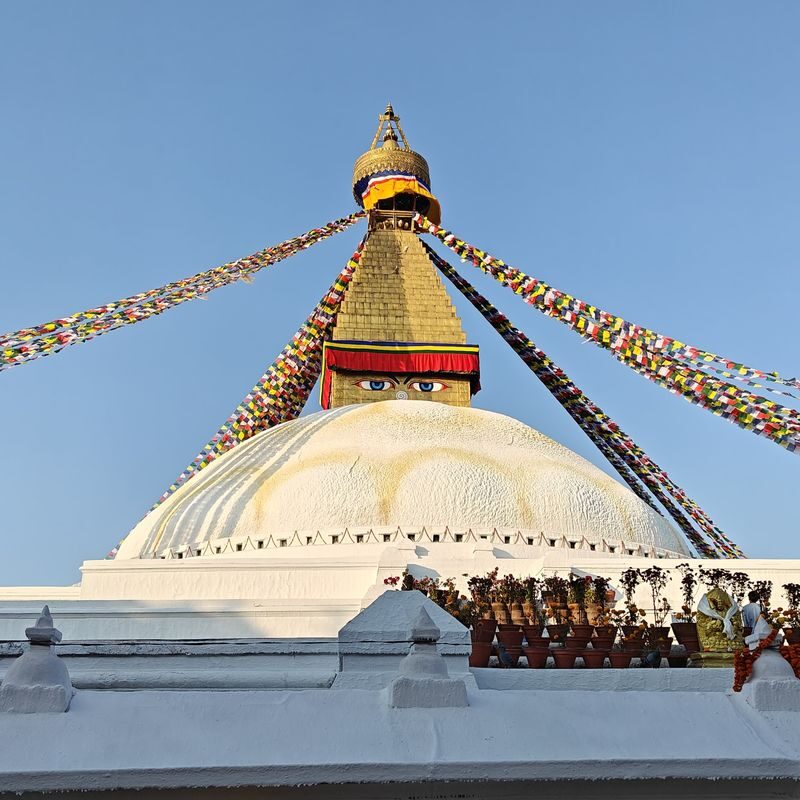
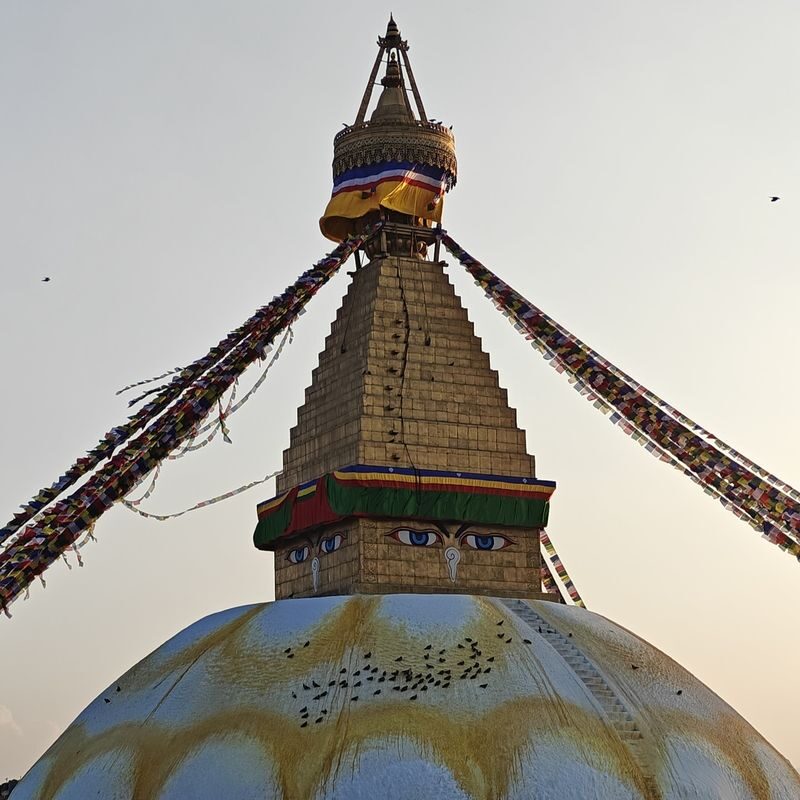
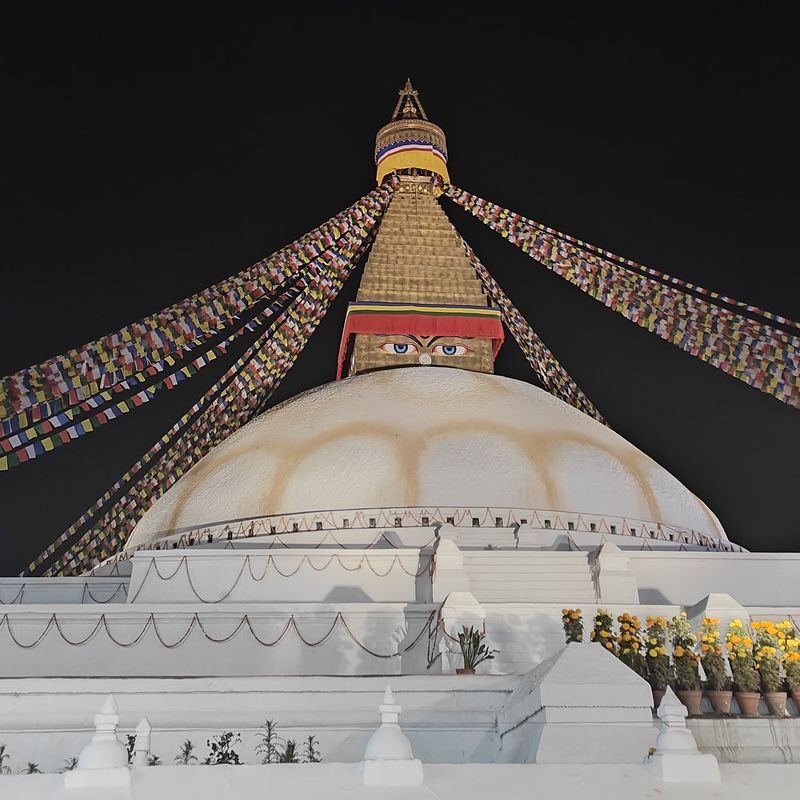
Boudhanath gives the tour its Buddhist counterpart. The value of seeing it alongside Pashupatinath is the chance to hear about two traditions during the same outing, with a guide helping you notice where the explanations differ. That comparison can give you a stronger sense of Kathmandu’s religious life than a visit focused on only one tradition.
The available details do not describe a specific walking route, particular buildings, or activities at Boudhanath. I would not count on a particular stop or amount of free time unless the operator confirms it. Instead, think of this portion as an opportunity to look carefully, listen, and ask your guide to explain what you are seeing.
The experience is especially well suited to first-time visitors who want a calm introduction to Buddhism and local culture. The account of the tour highlights a guide who answered questions and offered insights that made the subject clearer to a novice. If you already know a great deal about Buddhism, you may want to ask whether the guide can go beyond a basic introduction.
Why the Arati ceremony matters
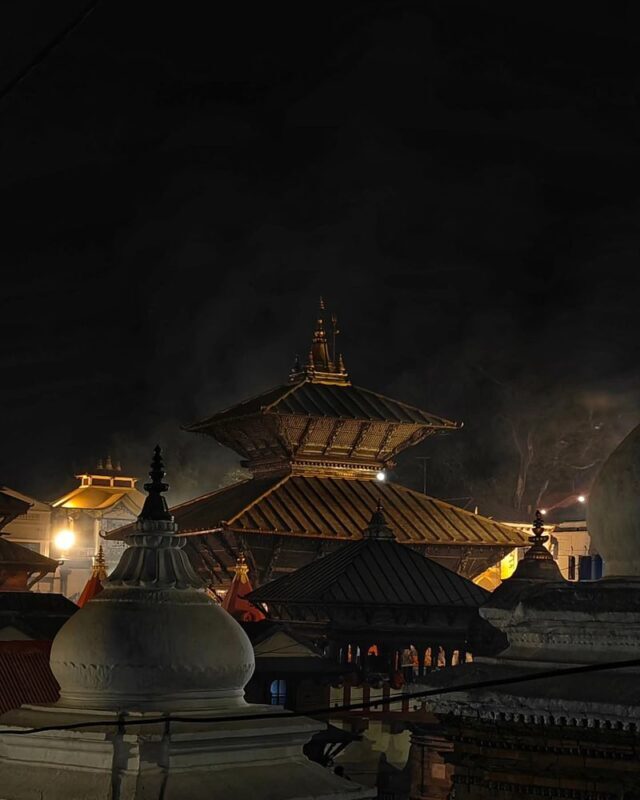
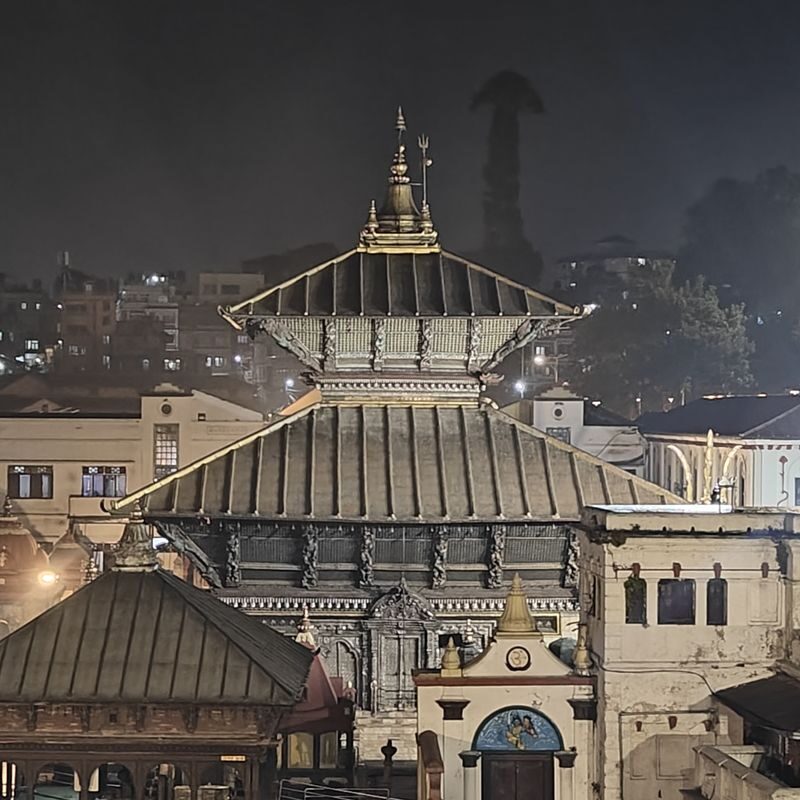
The Arati ceremony is the experience’s most immediate, sensory element. A guided explanation can give you ideas to think about; a ceremony lets you observe a religious practice as it happens. One participant described the first experience of Arati as impactful and noted its lively atmosphere. That makes the ceremony a strong reason to choose this tour over a visit that covers only the sites.
It is worth going in with an open mind. A ceremony may feel unfamiliar, and you are there to observe respectfully rather than treat it as a performance staged for visitors. The details provided do not specify where the ceremony takes place, its start time, or how long it lasts. Ask the operator for those points if timing or the setting will affect your decision.
The ceremony’s place in the half-day schedule matters, too. Since the exact itinerary is not stated, do not assume the order of the site visits or the amount of time available at each one. If seeing Arati is your main priority, confirm that it is included on your chosen date and ask how the tour is timed around it.
A guide makes the difference
For a religious and cultural outing, a guide’s explanations are part of the experience, not a small extra. The strongest detail associated with this tour is the way Bikram explained Buddhism, Hinduism, and local culture, while making room for questions. That combination is useful if you have never visited either site or are unsure how to approach religious customs.
A good question can make a short visit more personal. You might ask your guide to clarify a term, explain the meaning of a practice, or compare the traditions being discussed. The tour is not described as a lecture, and that is a plus: a conversation can meet you where you are, whether you have read widely or are starting from scratch.
Still, one named guide does not tell you who will lead every departure. Before booking, ask who is assigned to your date and whether the guide will explain both religious traditions. If a particular guide is important to you, confirm availability rather than relying on a name from a past outing.






Is $51.75 good value?
The advertised starting price is $51.75. Whether that feels worthwhile depends on what matters to you: the tour combines two religious sites, a guide, and an Arati ceremony in a half-day format. For someone seeking an organized introduction with explanations, that combination may justify the cost more readily than visiting without context.
But the listed price alone does not tell you what is included. The details provided do not specify transport, entry costs, group size, or any other inclusions. Ask for a clear breakdown before you book, then compare the full price with the value you place on having a guide and joining the ceremony.
There is also a practical advantage if your plans are still taking shape: the activity can be booked for the same day and has instant confirmation. You can cancel for a full refund if you give at least 24 hours’ notice before the activity date, using destination local time. That makes the booking terms relatively flexible, though a same-day reservation would not allow time for the 24-hour cancellation window.
Who will get the most from this tour?
I would choose this experience if I wanted a guided first look at Kathmandu’s Hindu and Buddhist traditions without setting aside a full day. It is a particularly good fit if you are curious about religion, enjoy asking questions, or want the Arati ceremony to be part of your visit. The emphasis on explanation should also help if you are new to either tradition.
It may be less suitable if you need a detailed schedule before you commit, want a long independent visit at each site, or prefer not to follow a guided format. The information available does not state the group size, pace, transport arrangements, or exact time at each stop. Those points are worth checking, especially if you have limited time or specific mobility or scheduling needs.
For a cultural visit, the best preparation is simple: decide what you most want to understand, then ask about it. You could focus on the differences between Hinduism and Buddhism, the meaning of the Arati ceremony, or the local context behind what you see. A thoughtful guide can help turn a short visit into more than a sequence of stops.
Should you book it?
Book this half-day if you want Pashupatinath, Boudhanath, an Arati ceremony, and a guide’s explanations in one focused outing. The combination is its real strength, and the account of Bikram’s clear answers suggests the tour can work well for newcomers. Before paying, confirm the schedule, inclusions, group size, and guide for your date. If you need a slow, detailed visit, ask how much time is set aside at each site.
Kathmandu Pashupatinath & Boudhanath Half-Day Experience with Arati
“This was a deeply enriching religious and cultural tour. Our guide, Bikram, was incredibly knowledgeable, answering all our questions and providing…”
FAQ
How long is the experience?
It is described as a half-day experience. A more exact duration is not provided.
Which places are included?
The experience is named for Pashupatinath and Boudhanath.
Is an Arati ceremony included?
Yes. The experience is advertised with Arati.
What does the tour cover culturally?
It covers Hinduism, Buddhism, and local culture, with a guide providing explanations.
How much does it cost?
The starting price is $51.75. The details provided do not specify what is included in that price.
Can I book for today?
Yes. Same-day booking is offered, with instant confirmation.
What is the cancellation policy?
You can receive a full refund if you cancel at least 24 hours before the activity date, using destination local time.
Is Bikram the guide for every departure?
Bikram is named as a guide on one outing, but the information does not confirm that he leads every departure.