Jeju’s Bonte Museum gives you two reasons to look closely: Tadao Ando’s spare concrete architecture and a collection that puts Korean craft beside modern art. Light, water, and broad windows are part of the experience, not just a frame around the exhibits.
I like that you can move from soban dining tables, bojagi wrapping cloths, and wooden furniture to works by international artists, then step outside to the sculpture garden. The museum also offers striking views toward Jeju’s southern coast on a clear day.
One caution: the exhibition mix can change, and the Yayoi Kusama gallery described in museum materials has been reported closed or replaced. Check what is currently on view before making it the main reason for your visit. Getting there can also take extra planning, so a taxi or car is the more practical choice.
- Bonte Museum at a glance
- What Bonte Museum is trying to show
- Arriving at Ando’s concrete museum
- Gallery 1: Korean craft for everyday life
- Gallery 2: Modern art and a view of the coast
- Gallery 3 and the changing Kusama display
- Gallery 4: A traditional funeral bier
- The sculpture garden and Jeju views
- How much time to allow, and what the ticket is worth
- Who should make time for Bonte Museum?
- FAQ
- How long should I plan to spend at Bonte Museum?
- What are the museum’s opening hours?
- Where is Bonte Museum?
- What does the ticket include?
- Is Yayoi Kusama’s gallery open?
- Is there a restaurant inside the museum?
- Can children enter for free?
- The Best Of Seogwipo!
- More Tickets in Seogwipo
- More Tours in Seogwipo
- More Tour Reviews in Seogwipo
- Not for you? Here's more nearby things to do in Seogwipo we have reviewed
Bonte Museum at a glance
 1 / 10
 2 / 10
 3 / 10
 4 / 10
 5 / 10
 6 / 10
 7 / 10
 8 / 10
 9 / 10
 10 / 10
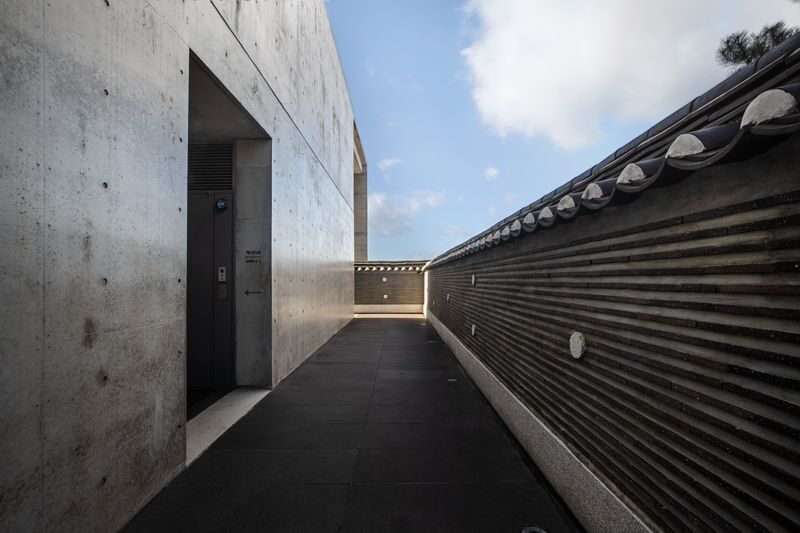
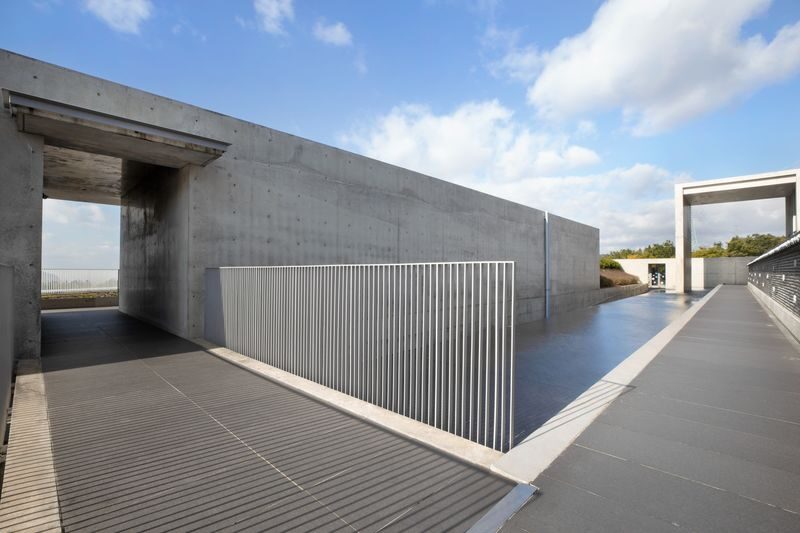
- Ando’s architecture is part of the visit: Exposed concrete, careful lines, water, and natural light give the galleries a calm, considered feel.
- Korean crafts are the foundation: Look for soban, bojagi, wooden furniture, embroidery, ornaments, and earthenware.
- The art changes from room to room: Traditional objects sit alongside contemporary works, with special exhibitions adding another angle.
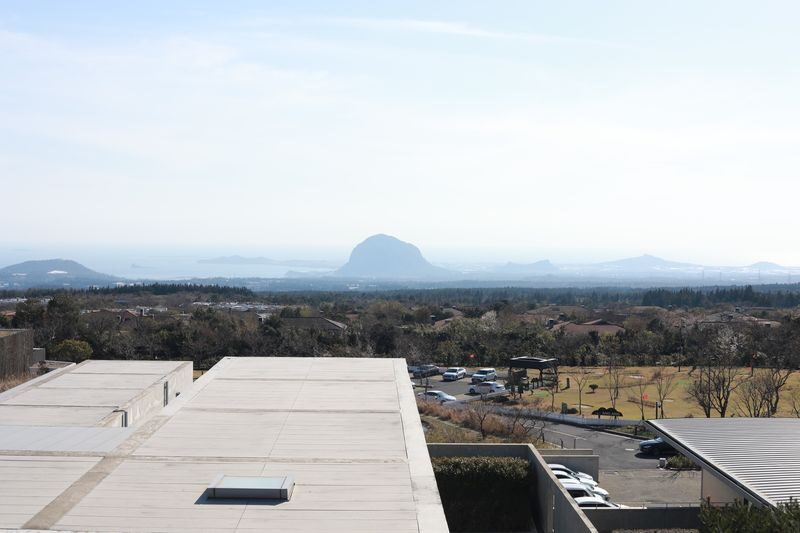
- The sea-view windows are a highlight: Gallery 2 looks toward landmarks including Mt. Sanbang and Hyeongje Island.
- Allow one to two hours: That gives you time for the galleries and, weather permitting, the outdoor sculpture garden.
- Confirm the current displays: The Kusama gallery has been listed in museum information but may no longer be open.

👉 See our pick of the 14 Best Tours In Seogwipo
What Bonte Museum is trying to show
Bonte means an original or inherent form. The museum takes that idea as a prompt to consider beauty in human-made objects, especially Korean crafts shaped by daily life and local tradition. Founded in 2012 on Jeju, it aims to place this heritage in conversation with contemporary art and architecture.
That purpose makes the museum more than a standard display of old objects. A portable dining table or a piece of wrapping cloth can reveal how practical things were made with care, and how restraint and decoration could coexist. You do not need to be an expert in Korean art to enjoy the objects, though a little patience helps. The appeal is in noticing materials, patterns, and forms rather than racing from label to label.
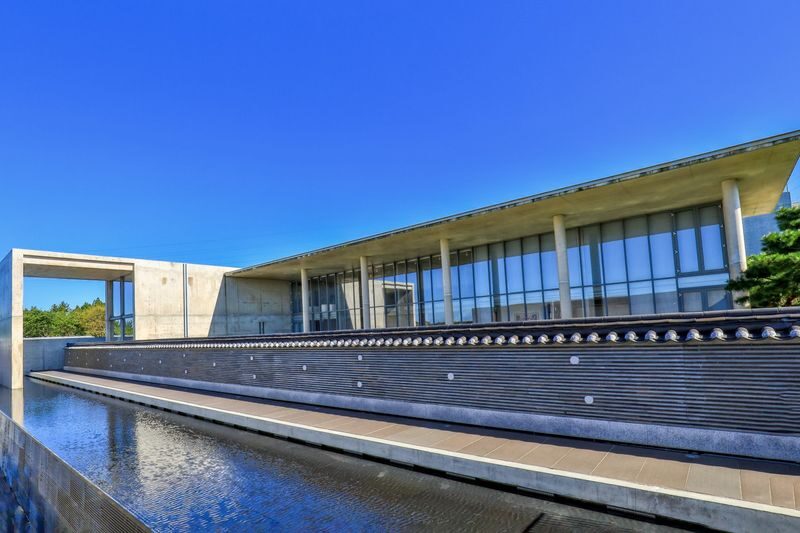
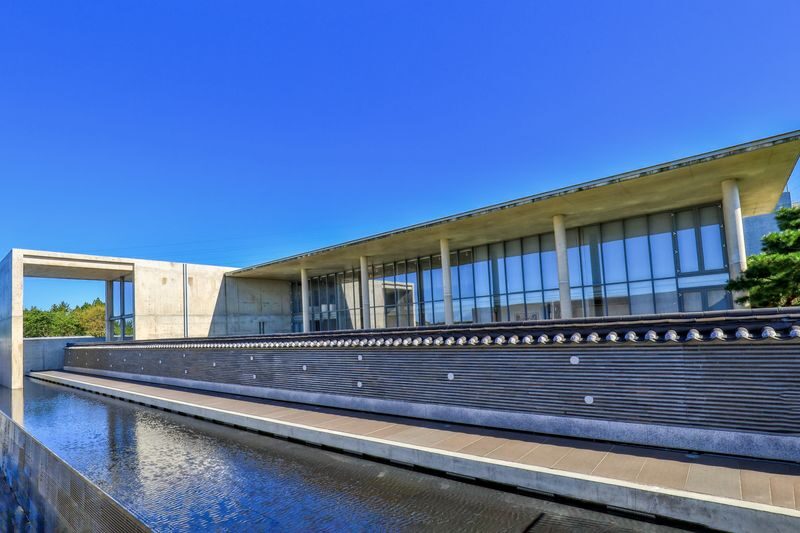
The museum’s setting matters, too. Ando designed the building to bring traditional Korean objects into a modern structure that responds to Jeju’s natural surroundings. His concrete walls can feel cool and plain at first, but the interplay of light, water, views, and warm-toned objects softens the effect. The contrast is the point: the building does not imitate a traditional Korean house, but it gives the crafts a quiet setting in which their shapes and textures can speak.
You can also read our reviews of more tours and experiences in Seogwipo

Arriving at Ando’s concrete museum
Bonte Museum is at 69 Sallongnam-ro 762beon-gil in Andeok-myeon, Seogwipo. The published meeting point is the museum itself. The grounds and galleries are often described as an architectural experience in their own right, so give yourself a moment to notice the structure before heading straight inside.
Ando, winner of the 1995 Pritzker Architecture Prize, is known for using concrete, light, and water with restraint. Here, those elements make a measured counterpoint to the handmade objects on display. The building’s exposed concrete may remind you of marble, but its plainness is what keeps the rooms from competing with the collection.
The museum is open daily from 10 a.m. to 6 p.m., with last admission one hour before closing. The visit usually takes one to two hours, depending on how long you spend with the exhibits and whether you stroll through the garden. A clear day adds more to the experience, especially around the windows and outdoor works; poor weather can limit the pleasure of the outside areas.
Getting to the museum can be inconvenient without a car. A taxi or rental car is a practical way to reach it, and you should plan your transport as part of the visit rather than assume you can easily drop in while walking around town. The ticket covers admission. Food options are limited: there is no restaurant inside, though hot drinks are sold.
Gallery 1: Korean craft for everyday life
Gallery 1 focuses on traditional Korean handicrafts. Its layout connects the first and second floors without requiring you to pass through hallways between rooms. That simple arrangement suits the collection: you can follow the objects and their details without the building constantly interrupting your attention.
Look for soban, small portable dining tables, alongside wooden furniture, bojagi wrapping cloths, embroidery, personal ornaments, and earthenware. The objects reflect a range of styles, from restrained forms to more elaborate decoration. The useful thing about seeing them together is that you begin to notice how beauty was built into objects made for ordinary use.
Some visitors come hoping mainly for contemporary art and find this emphasis too traditional. If you prefer bold modern works, this first gallery may be less exciting than Gallery 2. But if you give the crafts a little time, their variety offers a grounded introduction to Korean design and daily life. The collection also helps explain why the museum pairs old forms with modern architecture instead of treating tradition as a separate, sealed-off subject.
Gallery 2: Modern art and a view of the coast
Gallery 2 shifts toward contemporary art in a room with a high ceiling and deep eaves. The space connects with the main exhibition hall, so the transition from traditional craft to modern work feels deliberate rather than abrupt. The collection has included artists such as Salvador Dalí, Yves Klein, and Fernand Léger.
A large window adds a second focus. On a clear day, you can see Jeju’s southern coast, including Mt. Sanbang, Moseulbong Peak, Hyeongje Island, and Marado Island. I would not rush past this room to get to the next gallery. The view helps make the museum’s relationship with its setting clear, and it offers a natural pause between displays.
Ando’s Meditation Room is also part of this gallery. The room and its open outlook extend the museum’s quiet mood, though the experience depends on what is accessible during your visit. The building is a strong part of the attraction, but the balance between architecture and art will not suit everyone. If you come expecting a large, densely packed modern-art collection, you may find the exhibits modest in scale.
Gallery 3 and the changing Kusama display
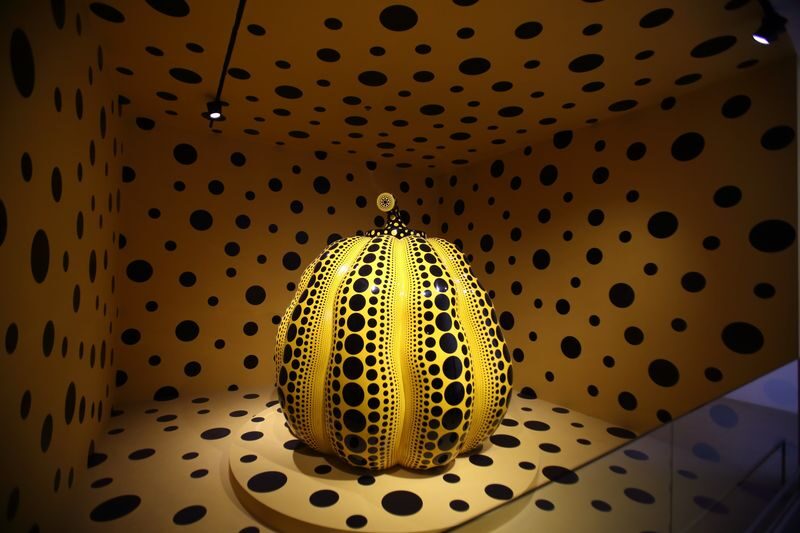
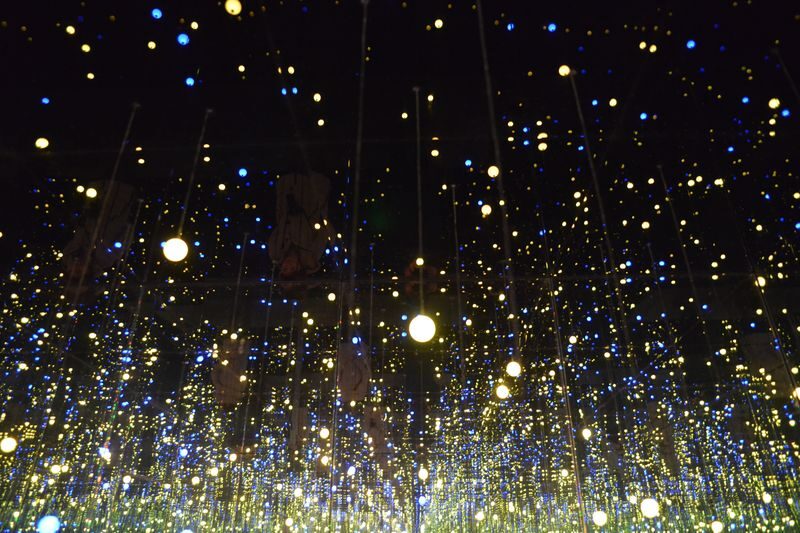
Museum information describes Gallery 3 as a permanent display of Yayoi Kusama’s Pumpkin and Infinity Mirrored Room – Gleaming Lights of the Souls. Those works are a major draw for people who know Kusama’s art, and the mirrored room in particular can make this gallery feel very different from the quieter craft rooms.
But do not assume that the display is open simply because it appears on a map or in older descriptions. The gallery’s status has changed, and visitors have found it closed or replaced while museum materials still referred to Kusama. If seeing Kusama is your main reason for coming, contact the museum or check current information before buying a ticket.
This uncertainty is important when judging the value. With the Kusama works on view, the visit has a high-profile contemporary-art stop alongside the Korean collection. Without them, the museum may feel more focused on traditional objects and architecture. Either version can be worthwhile, but they are not the same experience.
You can also read our reviews of more museum experiences in Seogwipo

Gallery 4: A traditional funeral bier
One described special exhibition, Carriage to Heaven – the Aesthetic of Flower Sangyeo and Kkokdu, centers on a sangyeo, a traditional funeral bier, and the kkokdu figures that decorate it. The bier has been preserved in near-perfect condition, making the display a chance to see an object that is both ceremonial and highly sculptural.
Kkokdu are small carved figures that adorn the bier. Their presence gives the display a human scale and a distinct visual character. The subject may feel solemn, but the craftsmanship and decoration are worth attention even if you are unfamiliar with Korean funeral customs.
Special exhibitions are, by nature, temporary. Treat this as an example of the museum’s program rather than a guaranteed display on your date. If it is showing, it adds a useful counterpoint to the furniture and textiles in Gallery 1, broadening the visit beyond household craft.
The sculpture garden and Jeju views
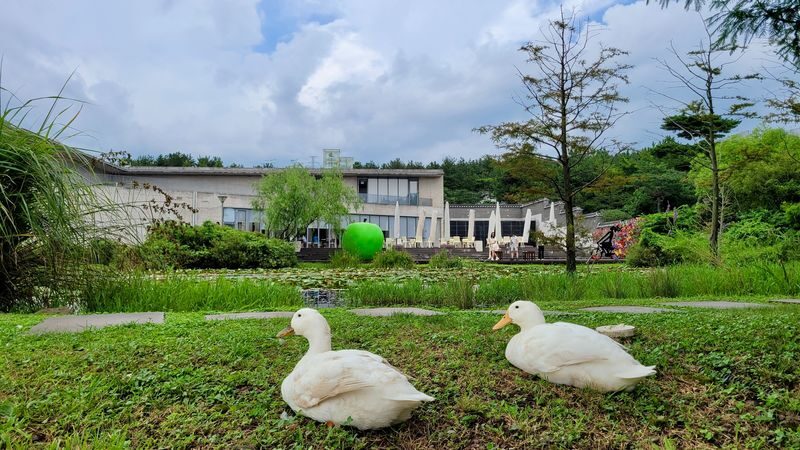
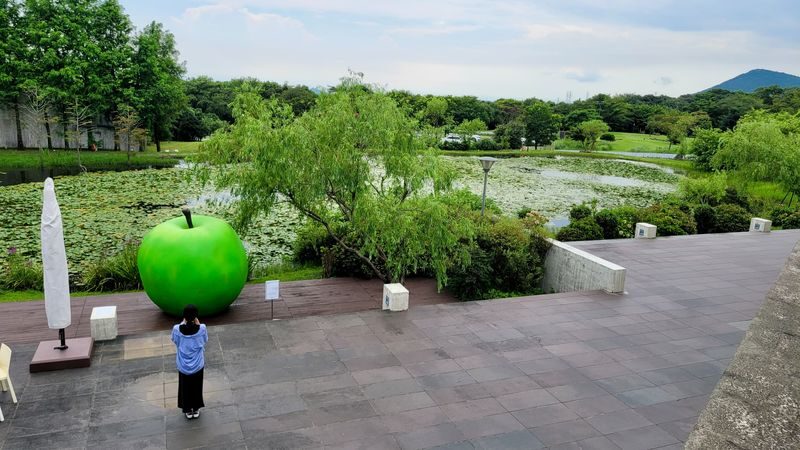
When the weather cooperates, take a walk through the spacious sculpture garden. It includes Rotraut Klein-Moquay’s Gitane, a dancing figure conceived around harmony between people and nature. The outdoor setting gives the work room to breathe and offers a change of pace after the indoor galleries.
Jaume Plensa’s Children’s Soul is designed for visitors to enter or pass through, making it a more physical encounter than simply looking at a sculpture from a distance. It is also a natural place for a photograph. The garden is a genuine part of the visit, not just a route between buildings, but rain or other poor weather can make it less enjoyable.
The museum’s coastal outlook is another reason to slow down. Gallery 2’s window frames views toward several islands and peaks, including Marado, Hyeongje Island, and Mt. Sanbang. The panorama is tied to the museum’s Jeju setting, though visibility varies with the weather. If the sky is clear, take a moment at the window rather than treating it as a quick photo stop.
How much time to allow, and what the ticket is worth
Plan on one to two hours. An hour can work if you move steadily through the galleries, but it leaves less time for the garden, the views, and the details in the craft collection. If you enjoy architecture or Korean design, allow closer to two hours.
Admission starts at $18.09. For that price, the value comes from the combination of the building, several types of art, and the grounds, rather than from the size of any single gallery. Online tickets can be cheaper than buying on site, and the mobile voucher is redeemed at the museum. The ticket is valid only for its selected date, so choose a day that fits your Jeju plans.
The museum is not available to Korean passport holders under this ticket offer. Children aged 0 to 2 enter free. Before you book, consider what you most want to see. If you value Ando’s architecture and traditional Korean craft, the ticket has a strong case even without a specific temporary display. If your interest is mainly Kusama, confirm the gallery first.
Who should make time for Bonte Museum?
I would put Bonte Museum high on the list for anyone interested in architecture, Korean craft, or a mix of historic and modern art. The building gives the visit a strong sense of place, while the collection offers a look at everyday objects that can be easy to miss in a broader Jeju itinerary. It also suits visitors looking for a quieter indoor stop between outdoor activities.
You may be less keen on it if you want a large museum with extensive galleries or expect every advertised artwork to be on view. Some visitors find the collection small, and the contemporary displays can feel limited if a special exhibition has ended. The museum’s appeal is more about its design, atmosphere, and thoughtful contrasts than sheer quantity.
Book if you want to see Ando’s building, appreciate traditional Korean objects, and have time for the garden and sea views. Check first if Kusama is essential to your plans, or if weather and transport make an outdoor stop difficult. With current displays confirmed and a car or taxi arranged, Bonte Museum makes a worthwhile, well-paced cultural visit in Seogwipo.
Jeju Bonte Museum Ticket
“Very convenient, the museum is huge and great to explore.”
FAQ
How long should I plan to spend at Bonte Museum?
Plan for one to two hours. The time you need depends on how long you spend in the galleries and whether you visit the sculpture garden.
What are the museum’s opening hours?
Bonte Museum is open Monday through Sunday from 10 a.m. to 6 p.m. Last admission is one hour before closing.
Where is Bonte Museum?
The address is 69 Sallongnam-ro 762beon-gil, Andeok-myeon, Seogwipo-si, Jeju-do, South Korea.
What does the ticket include?
The ticket includes admission to the attractions. Other personal expenses, tips, and gratuities are not included.
Is Yayoi Kusama’s gallery open?
The gallery has been described as showing Kusama’s Pumpkin and Infinity Mirrored Room – Gleaming Lights of the Souls, but its availability has changed. Check the current display before visiting if this is a priority.
Is there a restaurant inside the museum?
There is no restaurant inside. Hot drinks are sold.
Can children enter for free?
Children aged 0 to 2 can enter free. The ticket offer is not available for Korean passport holders.