Minhwa is Korean folk painting made for ordinary life: bright images that carried wishes for health, good fortune, love, and a long life. At Lucysson Atelier, you learn what those symbols mean and make your own piece with Lucy, a patient instructor, in a gallery near Seogwipo’s coast.
I like two things in particular: the class connects the act of painting to the ideas behind the images, and you can choose a finished format, from a wood-framed hanji artwork to a silk fan. The studio’s setting near Socheonji Sea and the Jeju Olle Trail adds a pleasant coastal reason to linger before or after class.
One caution: the timing is not clear. The experience is described as two hours, while the schedule gives a 2.5-hour atelier visit and lists an 11 a.m. departure with a 5 p.m. return. The addresses also vary slightly. Confirm the class time and exact meeting point before setting your day around it.
- At a glance
- What makes Minhwa worth an afternoon
- Choosing your painting format
- The symbols you may encounter
- Inside Lucysson Atelier
- How the schedule fits into your day
- Price and what you get for it
- Who will enjoy this class
- Should you book Lucysson Atelier?
- FAQ
- How long is the Korea Traditional Minhwa Art class?
- Where is Lucysson Atelier?
- What is Minhwa?
- Which art packages can I choose?
- What materials are used?
- Is an instructor included?
- Are food and drinks included?
- Do all ages pay the same price?
- How much does the class cost?
- Can I cancel for a refund?
- The Best Of Seogwipo!
- More Workshops & Classes in Seogwipo
- More Tours in Seogwipo
- More Tour Reviews in Seogwipo
- Not for you? Here's more nearby things to do in Seogwipo we have reviewed
At a glance
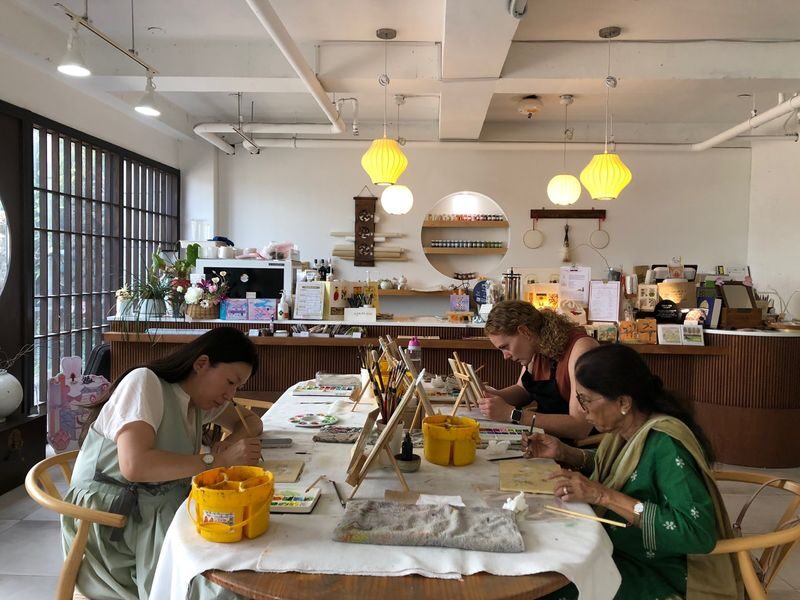
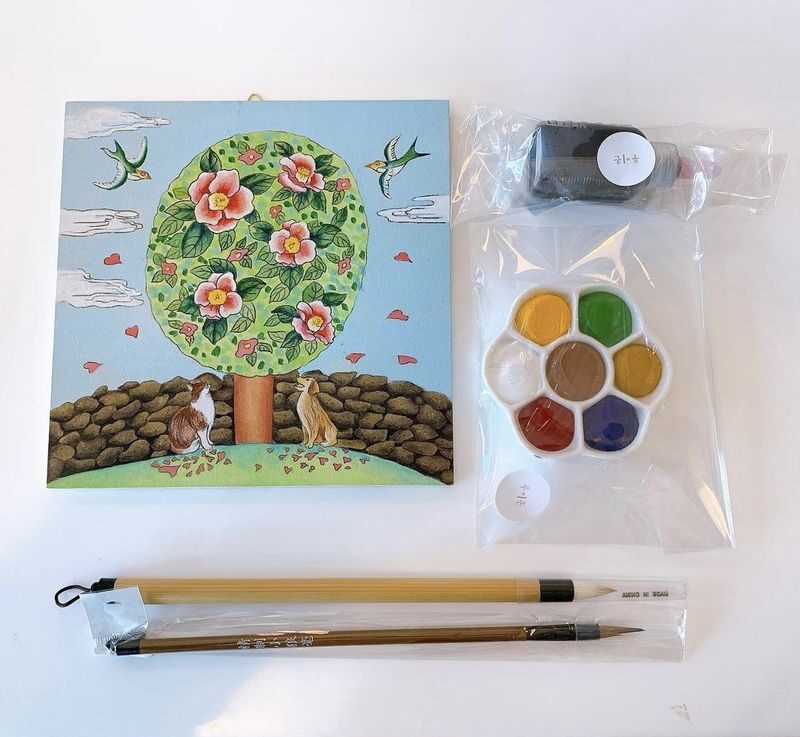
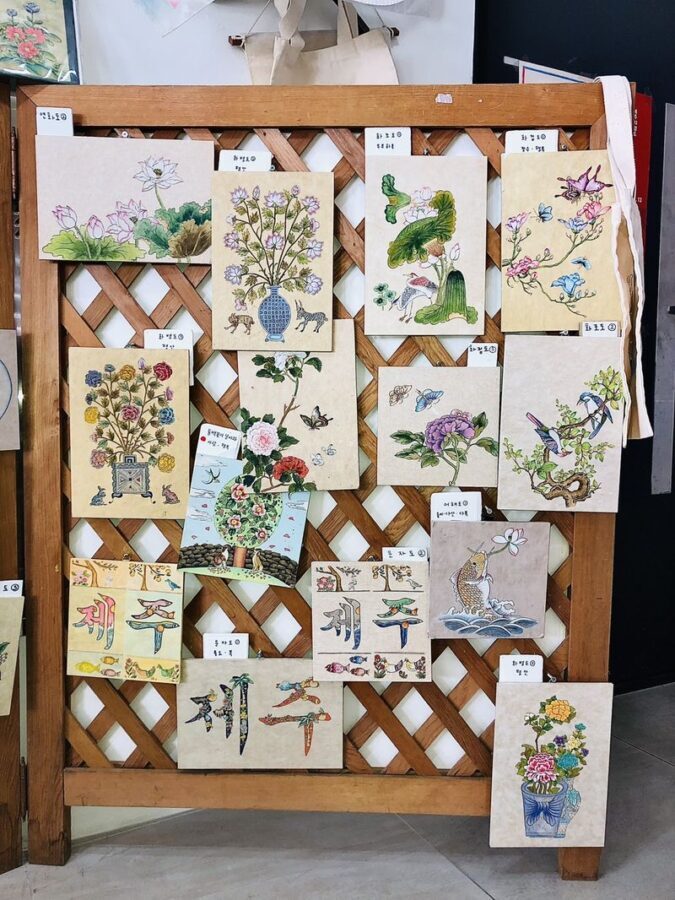
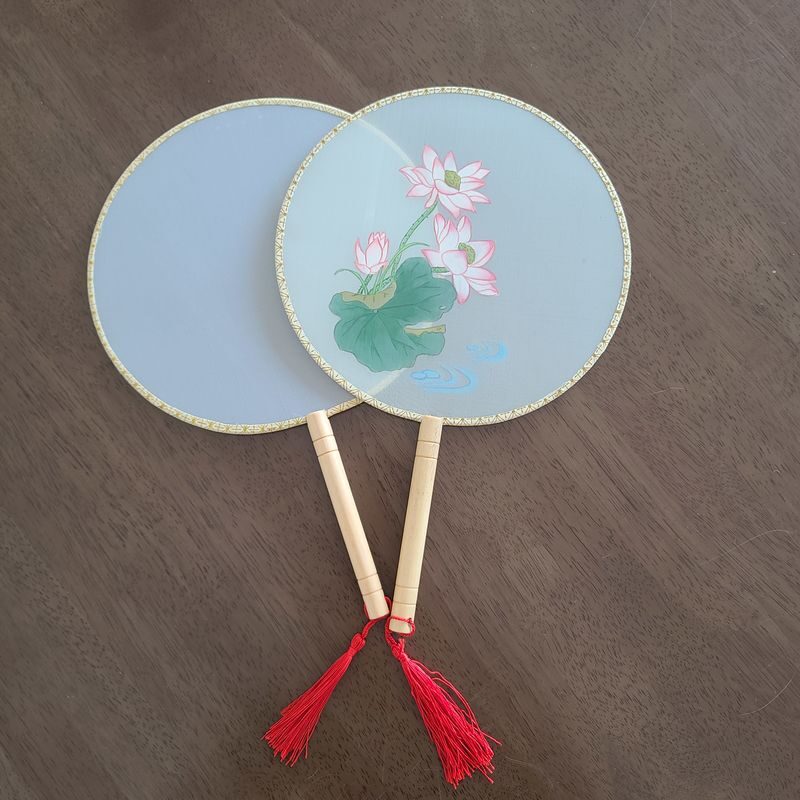
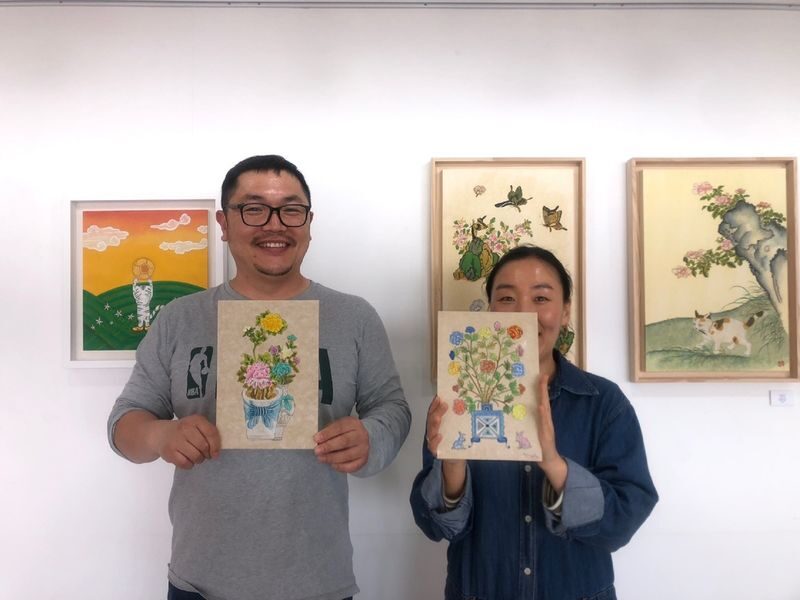
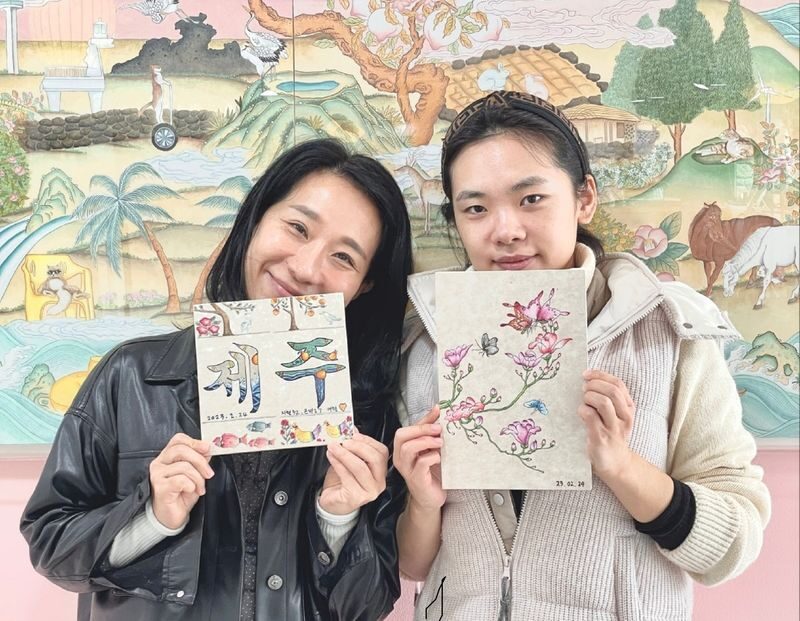
- Minhwa with meaning: Learn how folk paintings use images to express wishes such as wealth, longevity, and family happiness.
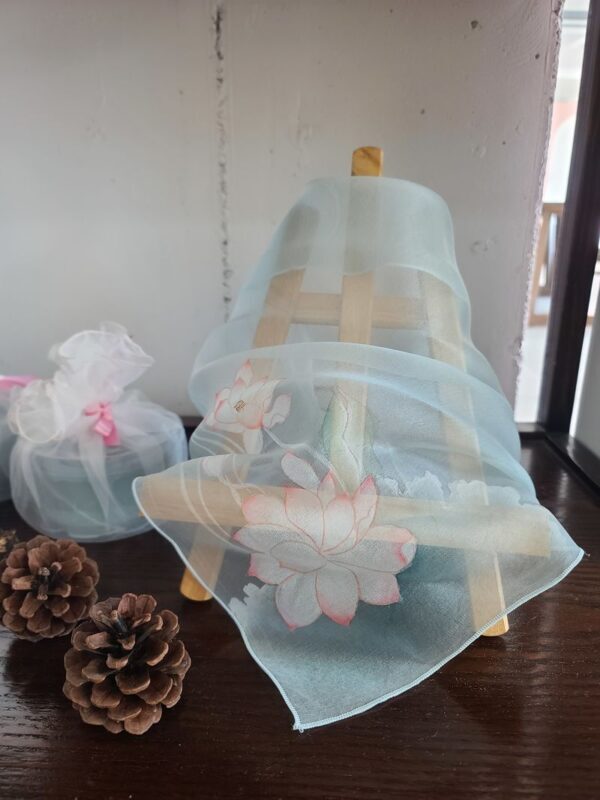
- A hands-on keepsake: Choose a wood-framed hanji piece, a hanji hand fan, or a silk fan.
- Lucy’s calm instruction: The class suits visitors who want guidance, including those who do not speak Korean.
- A coastal studio: Lucysson Atelier sits near Socheonji Sea, with coastal walks and Jeju Olle Trail Route 7 close by.
- Check the details: The listed duration, schedule, address, and starting prices do not align perfectly.

👉 See our pick of the 14 Best Tours In Seogwipo
What makes Minhwa worth an afternoon
Minhwa is often translated as folk painting. These works were made by unnamed artists during the Joseon Dynasty, though the tradition also came to include work by professional and court painters. Rather than follow rigid rules of form, Minhwa could be direct, humorous, and full of imagination. Its images offered a view of everyday hopes and beliefs.
That meaning is central to this class. Minhwa is not simply decorative painting: it uses symbols to express wishes for happiness and good fortune. A peony, for example, traditionally suggests wealth and abundance. A lotus can represent the hope for many descendants. Butterflies may evoke a happy marriage or longevity.
The tradition’s appeal is its openness. These are pictures with messages, but the language is visual and accessible. You do not need to know Korean to understand that a flower, animal, or written character can carry a wish. The instructor’s English support helps connect those images to their cultural context.
Lucysson Atelier describes itself as a gallery focused on reinterpreting Jeju folk painting in a modern way. That makes the experience more than a generic craft session: you are making art within a space devoted to preserving and sharing the tradition. Still, this is a short introduction, not a full art-history course. Go for an engaging encounter and a personal artwork, not an exhaustive study of Joseon painting.
You can also read our reviews of more tours and experiences in Seogwipo

Choosing your painting format
The class offers several packages, and the format affects both the price and the kind of keepsake you bring home. The listed choices are a wood Hanji art frame, an outlined design on a Hanji hand fan, art on a silk fan, and a free-art Hanji hand fan.
Hanji is traditional Korean paper. A framed work gives you a display piece, while a fan makes the artwork portable and practical as a souvenir. The silk fan is another option, with a higher listed starting price than the wood frame or outlined Hanji fan.
The word free in Free Art on Hanji Hand Fan appears to refer to the approach to making the art, not a no-cost package. Its listed starting price is $47.15. The Wood Hanji Art Frame and Outlined Art on Hanji Hand Fan start at $37.70, while the Art on Silk Fan starts at $47.15. The experience summary separately gives a starting price of $41.49, so check the final price for your chosen format before booking.
You are working with materials listed as Korean paper, colored brushes, ink, pigments, and glue. The exact project steps and how much freedom you have in choosing a design are not specified, so ask the atelier if you have a particular image or level of challenge in mind. One visitor found painting a silk fan challenging but rewarding, a useful clue if you want a project that asks for a little more care.
The symbols you may encounter
Minhwa’s images often combine beauty with a wish. Knowing a few examples before class can help you look at the designs with more curiosity and choose a subject that feels personal.
Peonies are a familiar emblem of wealth and abundance. Their large, showy flowers suit the idea of prosperity, and the motif has a long place in folk painting. Lotuses carry wishes for descendants and family continuity, with their many seeds offering a visual link to fertility.
Butterflies and flowers can suggest a harmonious marriage or a long life. Ten Longevity paintings gather traditional symbols on one screen, including the sun, clouds, rocks, water, pine, bamboo, cranes, deer, turtles, and a fire plant. The point is not to identify every detail as if taking a test. It is to see how a single picture can hold a cluster of hopes.
Other subjects include book paintings associated with a scholar’s study, flowers and birds, fish and crabs, insects among plants, and guardian animals such as dragons and tigers. A magpie with a tiger is associated with warding off misfortune and welcoming good news. These subjects turn familiar creatures and objects into a kind of visual vocabulary.
There are also paintings built around characters. Some combine words and images to express Confucian values, protection, prosperity, or wishes for long life and comfort. If you are interested in that side of the tradition, ask Lucy to explain the imagery in your design. The stated class description presents the atelier as a place to share the meaning behind the art, though the precise lesson plan may vary by project.
Inside Lucysson Atelier
The atelier is a gallery and teaching space, not simply a table set up for a craft activity. It was created by its founder, Lucy Sson, to give Jeju folk painting a modern setting and help keep the tradition visible. The experience combines an exhibition with a class, so you can see the art as well as make something of your own.
The setting is one of the strongest reasons to choose this activity over a class in a standard indoor venue. The studio is described as a traditional, beautiful space near Socheonji Sea, with the coast close by. It is also on the route of Jeju Olle Trail 7, making it easy to pair the class with a walk if your schedule allows.
The available information mentions traditional Jeju drinks in connection with the gallery, but beverages are listed as not included. Do not count on a drink being part of your booking. Meals and personal expenses are also extra.
English-speaking staff and an English- and Korean-speaking guide are included, along with a certified professional instructor. Lucy is named as the teacher, and the class is described as patient and calm. That matters in a painting session, where a steady explanation can help you relax into the work even if you have little experience with Korean art.
How the schedule fits into your day
The experience is advertised as a two-hour class, but its schedule needs clarification. It lists an 11 a.m. departure, a 2.5-hour visit to Lucysson Atelier, and a 5 p.m. return. Those timings do not fit together neatly, and it is not clear what the departure and return refer to or whether transport is part of the activity.
Treat the class itself as a short cultural activity, but confirm the actual start and finish times with the provider before booking onward plans. The stated schedule may change with traffic and weather, which suggests some part of the experience may involve movement or a broader outing. However, transport details are not clearly described, so do not assume a vehicle or pickup is included.
There is also a small address mismatch. The location is given as Bomok-ro 64beon-gil, while the meeting information specifies 138 Bomok-ro 64beon-gil, Seogwipo. Lucysson Atelier is named as the venue at that address. Use the complete venue name and confirm the pin or exact entrance before you go.
One practical advantage is that the class is in Seogwipo, and the studio is described as easy to reach from central Seogwipo. If you plan to explore the coast on foot, leave time around the class rather than racing straight to another appointment. The nearby trail and seaside setting lend themselves to a relaxed half-day, provided the confirmed class hours allow it.
You can also read our reviews of more tours and experiences in Seogwipo


Price and what you get for it
The experience’s value rests on three things: instruction, cultural context, and a handmade souvenir. At the lower package prices, the class can be an appealing way to spend a couple of hours and come away with something more personal than a shop-bought keepsake. The higher-priced fan choices may be worthwhile if you prefer that format, but the available details do not explain differences in materials, artwork size, or project complexity.
All ages pay the same price. That makes the class straightforward to book for a parent and teenager or a small group with mixed ages, though you should still check that each person has a package selected if each wants to make an artwork. The activity is not described as including food or drinks, and personal expenses are extra.
The price information is not fully consistent: the headline starts at $41.49, while individual options show prices from $37.70 or $47.15. Package prices can vary, so compare the selected option and final total rather than relying on one starting figure. A full refund is available if you cancel at least 24 hours before the activity date, in local destination time.
Who will enjoy this class
This is a good fit if you want a cultural activity that is hands-on but not a full-day commitment. It especially suits people interested in Korean art, symbolism, or crafts, and anyone who likes the idea of leaving with an object they made themselves. You can enjoy the setting even if you are not an art specialist.
It also works for families with older children and adults. A 17-year-old and parent enjoyed the session together, and the same-price-for-all-ages rule makes the cost simple to understand. The class may be less appealing if you want a highly structured museum lecture, a long studio course, or precise details about the project before booking. The class is welcoming to beginners in spirit, but the exact level of instructor support for each package is not spelled out.
I would also consider it if you are already walking Jeju Olle Trail 7 or staying in Seogwipo. The combination of painting and a coastal visit gives the outing more texture than a class held far from other points of interest. Just make sure the timing and meeting arrangements work with your route.
Should you book Lucysson Atelier?
Book this class if the idea of learning the meaning behind Korean folk art appeals as much as the painting itself. Lucy’s patient teaching, the choice of hanji or fan formats, and the seaside studio make it a thoughtful alternative to a standard souvenir stop.
Skip it if you need a tightly confirmed timetable or a detailed promise of exactly what you will paint. The schedule and address should be verified before you commit, and the package price needs checking at checkout. With those points settled, this is a strong choice for a relaxed, personal art experience in Seogwipo.
Korea Traditional Minwha Art One Day Class
“Amazing Experience! Lucy was very helpful and attentive.”
FAQ
How long is the Korea Traditional Minhwa Art class?
The experience summary gives a duration of two hours. The schedule also describes a 2.5-hour atelier visit, so confirm the class duration and full timetable before booking.
Where is Lucysson Atelier?
The atelier is at 138 Bomok-ro 64beon-gil, Seogwipo, Jeju-do, South Korea. The location is also described as Bomok-ro 64beon-gil, so confirm the exact meeting point.
What is Minhwa?
Minhwa is Korean folk painting associated with unnamed artists of the Joseon Dynasty. Its images often use symbols to express wishes for happiness, wealth, health, or longevity.
Which art packages can I choose?
Options include a wood Hanji art frame, an outlined design on a Hanji hand fan, art on a silk fan, and free art on a Hanji hand fan.
What materials are used?
The listed materials include Korean paper, colored brushes, ink, colored paint, and glue.
Is an instructor included?
Yes. The experience includes a certified professional instructor, as well as English- and Korean-speaking guidance and English-speaking staff. Lucy is the named instructor.
Are food and drinks included?
No. Meals and beverages are not included, and other personal expenses are extra.
Do all ages pay the same price?
Yes. The same price applies to all ages.
How much does the class cost?
The experience is advertised from $41.49, while listed package prices begin at $37.70 for some options and $47.15 for others. Check the selected package’s final price when booking.
Can I cancel for a refund?
You can receive a full refund if you cancel at least 24 hours before the activity date, using destination local time.