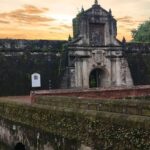
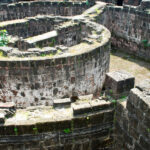
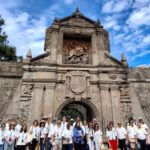
Intramuros is Manila’s old walled city, and this walk gives you a quick way to understand how its streets connect to the country’s past. Over roughly two and a half hours, you move from Plaza Roma to churches, city walls and ruins, with a guide tying the stops to a story that reaches back about 450 years.
I like two things here: the route brings major landmarks together on foot, and the guide’s storytelling is meant to be lively rather than a string of dates. Past guides Ivan and Anson have been singled out for clear, engaging explanations, and one especially memorable detail is a view from above the Manila Cathedral choir loft.
The main consideration is that this is a short introduction, not a full exploration of Intramuros. The booking information also gives mixed signals about duration and languages, so check those details before you pay. The private tour has a minimum of six participants.
- At a glance
- A brisk introduction to Manila’s walled city
- Plaza Roma sets the scene
- Manila Cathedral and the choir loft view
- Along the Intramuros wall
- San Ignacio ruins and San Agustin Church
- Barrio San Luis brings the route back to the streets
- The guide makes the difference
- Is the price good value?
- Who should book this walk?
- The verdict
- FAQ
- How long does the tour last?
- Where do I meet the guide?
- Which places are included on the route?
- Is admission included?
- What languages are available?
- Is there a minimum group size?
- The Best Of Manila!
- More Walking Tours in Manila
- More Tours in Manila
- More Tour Reviews in Manila
- Not for you? Here's more nearby things to do in Manila we have reviewed
At a glance
 1 / 6
 2 / 6
 3 / 6
 4 / 6
 5 / 6
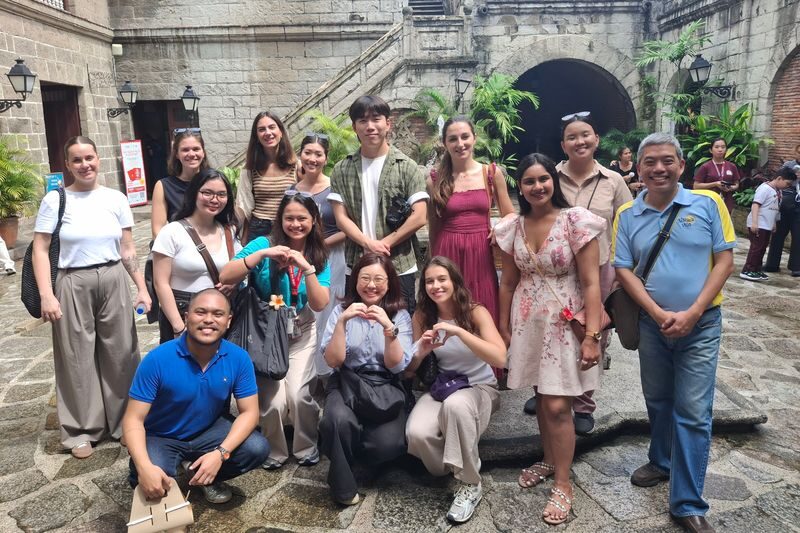 6 / 6
- A compact history lesson: The route covers sites tied to Spanish Manila and Filipino history in about two and a half hours.
- Churches and city defenses: Expect Plaza Roma, Manila Cathedral, the Intramuros wall, San Ignacio ruins and San Agustin Church and Monastery.
- A storyteller at the center: The tour is led by an English-speaking guide described as an author, public historian and expert on the area.
- A walking route, not a ride: You see the old city at street level and travel between stops on foot.
- Plan for six or more: This is sold as a private tour, but it requires at least six participants.
- Check language details: English and Filipino are listed in the practical information, while some tour details also refer to Mandarin.

👉 See our pick of the 8 Best Historical Tours In Manila
A brisk introduction to Manila’s walled city
Intramuros is often the first place to visit if you want a clear starting point for Manila’s history. Its name means within the walls, and this walk focuses on the Spanish-era quarter built behind those defenses. You get an introduction to the colonial city while moving through its public squares, religious sites and surviving ruins.
The tour frames the city’s past as more than a run of Spanish governors and church buildings. Its promised sweep runs from ancient rajahs to conquistadors, imperial rule and later invasions. That wide lens can help you connect the places in front of you to the larger story of the Philippines, rather than treating each building as an isolated photo stop.
The experience is sold as an interactive walk, with time for questions. That matters in a place where the architecture can be striking but the context is not always obvious. A guide can explain why a square, wall or church mattered, and how the city’s history shaped the modern country.
You can also read our reviews of more walking tours in Manila


Plaza Roma sets the scene
The meeting point is Plaza Roma, in front of Manila Cathedral. The practical instructions ask you to meet at 8:50, with tours offered during a broad 9 a.m. to 7 p.m. operating window. The last reservation time is listed as 4:30 p.m., so check your selected start time rather than assuming the tour can begin at any hour.
Arriving a little early is sensible. One past participant found the guide on time but had trouble identifying the group in the square at first. If you have arranged the tour for a group, agree on a clear meeting point and look for the guide near the cathedral. From Quezon City or LRT Central Station, the supplied directions suggest taking a jeepney or taxi bound for Quiapo and getting off at Plaza Roma.
The square is a useful place to begin because the cathedral is right there and the old city unfolds from this central point. You can orient yourself before walking farther into Intramuros. It is also an easy spot to pause and ask how the city’s walls, churches and civic spaces fit together.
Manila Cathedral and the choir loft view
Manila Cathedral is one of the route’s major stops. Its position beside Plaza Roma makes it an immediate visual anchor, while a guide can add context about its place in the old city and the religious institutions that shaped Spanish Manila.
There is one specific detail that makes this stop especially appealing: a past participant enjoyed a view from above the cathedral’s choir loft. That suggests the visit may offer a perspective beyond the usual look around the main interior, but do not treat it as a guaranteed feature. Access can depend on the day and the arrangements in place.
The cathedral stop also gives you a chance to take in the building at a slower pace than you might on a self-guided walk. Still, the tour has several sites to cover, so expect a guided visit rather than unlimited time to linger. If religious architecture interests you, this is a good place to listen closely and save questions for the guide.
Along the Intramuros wall
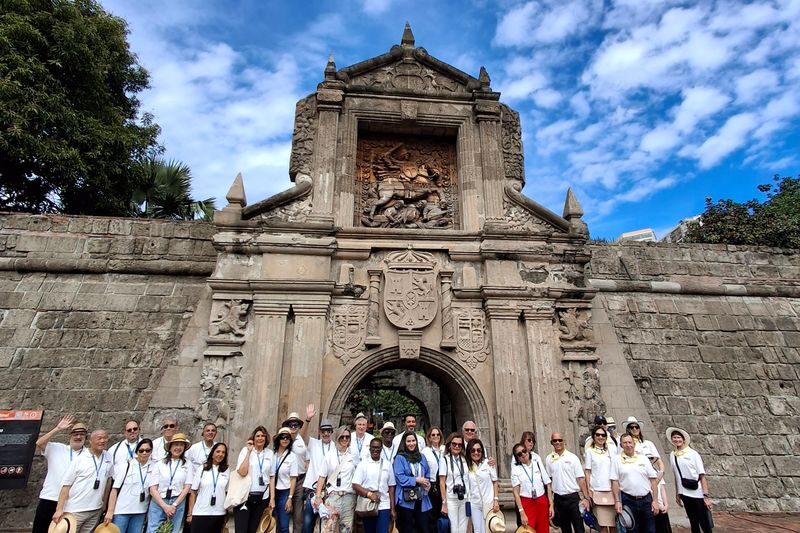
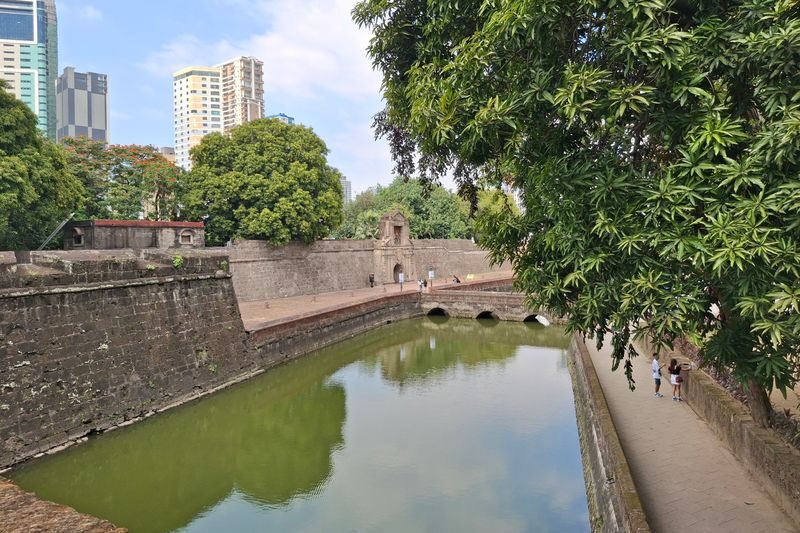
The old city wall is a reminder that Intramuros was not simply a neighborhood with grand churches. It was a fortified center, designed to define and defend the Spanish colonial settlement. Walking alongside or near the wall gives the route a change of scale: from individual buildings to the boundaries that shaped the city itself.
This is one of the stops where the guide’s historical framing earns its keep. Without context, a stretch of masonry can look like just another old structure. With a guide, you can connect the wall to the city’s changing rulers and the pressures that shaped Manila over centuries.
The route is still a walking tour in a tropical city, so comfortable shoes and water are sensible choices. No special equipment is listed, but you will be on your feet as the group moves between sites. The supplied information does not describe the walking surface or accessibility, so ask the operator directly if those details affect your plans.
San Ignacio ruins and San Agustin Church
The San Ignacio ruins add another layer to the route. Rather than presenting only intact landmarks, the walk includes a site where remnants point to a past that has not survived in full. Ruins can be hard to read without explanation, so this is a natural spot to ask the guide what remains and what the site once meant.
San Agustin Church and Monastery is the most clearly defined included admission on the tour. The church is a central stop, and the monastery adds to the sense that Intramuros was built around institutions as well as defensive walls and civic spaces. Admission to the church and monastery is included in the tour price, which is useful when comparing it with a walk that covers only the streets outside.
The pace matters here. You visit several substantial sites in a short span, so the guide’s account helps you decide what to focus on instead of trying to absorb every detail at once. If you have a particular interest in church architecture or colonial-era religious history, ask questions while you are there. The tour is designed to be interactive.




Barrio San Luis brings the route back to the streets
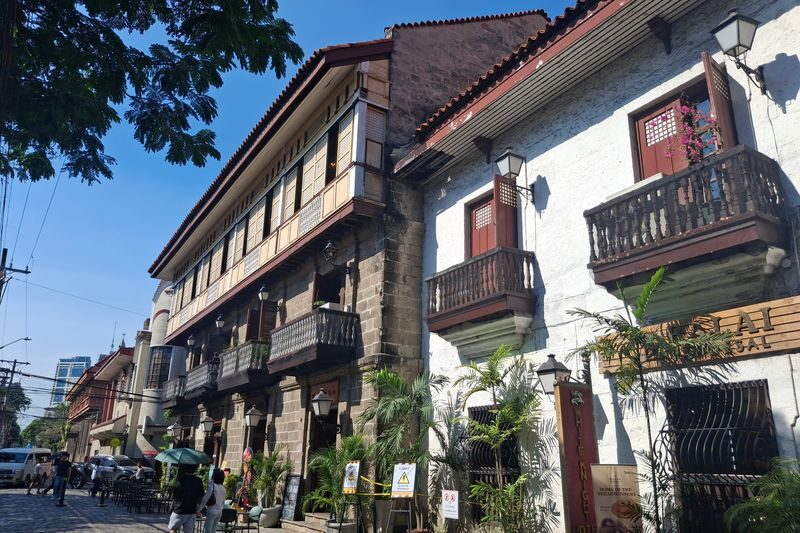
Barrio San Luis is the final named stop before the tour ends. Its place in the route gives you a chance to look at Intramuros as a district, not just as a succession of landmark interiors. After the cathedral, wall and ruins, it helps round out the walk with another view of the old city’s built environment.
The tour ends after this stop. That makes it a practical introduction if you are deciding where to spend more time later. You will have covered several of Intramuros’s main historic points, but the format does not promise a long independent visit at each one.
The advertised tour length is inconsistent: one description calls it a 120-minute history lesson, while the practical details state a total of two hours and 30 minutes. I would plan for the longer estimate and confirm the expected finish time when booking. That buffer helps if you are arranging a meal, another activity or transport afterward.
The guide makes the difference
This tour’s strongest asset is its guide-led storytelling. The host is described as a book author, public historian and expert guide, with a style intended to be insightful, irreverent and entertaining. That combination suits Intramuros, where a lively explanation can make the difference between a pleasant walk and a meaningful introduction to Manila.
Guides named in past accounts include Ivan and Anson. Ivan was praised for vivid, clear commentary and openness to questions; Anson was remembered for detailed explanations. These names are useful context, but they do not guarantee who will lead your date. If you are hoping for a particular language or guide, ask the operator before confirming.
The tour is described as private, which can make it easier to ask questions and keep the pace comfortable for your own group. Yet it also has a minimum of six participants. If your party is smaller, check whether you can join with others or whether the operator will offer another date or a refund if the minimum is not met.
Is the price good value?
The starting price is shown as about US$35.55, while the package options list weekday and weekend or holiday private tours from US$30.95. Treat those as guide prices rather than a single guaranteed cost, and check the total for your date and group before booking.
The value depends on what you want from Intramuros. You are paying for a private guided walk, a concentrated historical introduction and admission to San Agustin Church and Monastery. If you would otherwise wander without knowing how the landmarks relate, the guide’s context can make the route more useful than simply following a map.
On the other hand, this is not a full-day tour, and the price may feel high if you are already comfortable exploring historic sites on your own. It also does not include tips and gratuities. Since the booking requires at least six participants, make sure the group requirement works for you before treating the advertised rate as your final budget.
Who should book this walk?
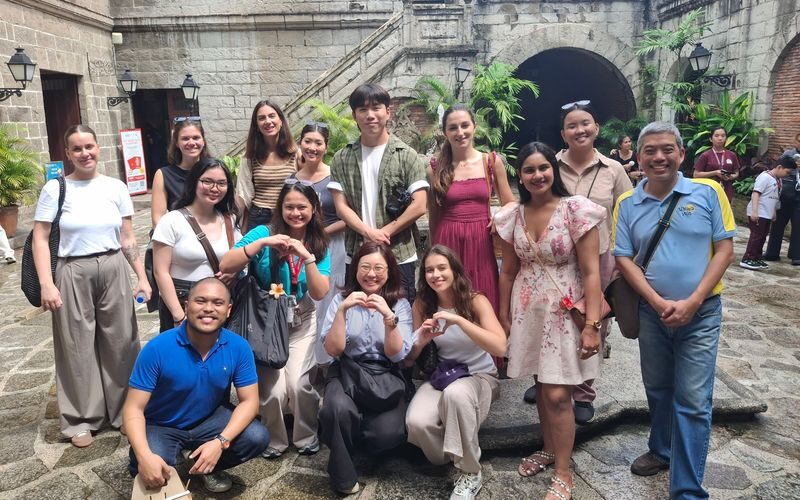
I would consider this tour for a first visit to Manila, especially if you want a clear introduction to Intramuros without spending a whole day on it. It also suits families and groups introducing friends or colleagues to the city. Past participants have included families and people showing Manila to first-time visitors, which fits the short, broad overview.
It is a good match if you like asking questions and hearing a guide connect buildings to political and cultural change. The experience is less suited to someone who wants a slow architectural study, a long visit at every stop or a self-paced route. The 2.5-hour estimate and several stops call for a brisk pace.
Language deserves a check before booking. The highlights refer to English, Tagalog and Mandarin options, while the practical information says tours are conducted in English and Filipino only. Since those details do not fully agree, confirm the language available for your date rather than assuming Mandarin is offered.
The verdict
Book this walk if you want an efficient, guided introduction to the old city and value stories as much as landmarks. The route covers a strong set of Intramuros sites, and the guide’s historical commentary is the main reason to choose it over a simple self-guided stroll.
Skip it if you want an unhurried visit or cannot meet the six-person minimum. Before paying, confirm the final price, tour language, guide arrangements and expected duration. With those details settled, this is a useful way to get your bearings in Manila’s historic center.
Insta Intramuros Tour! An Offbeat Walk around Old Manila
“It was a great walking tour. Very informative. The tour guide was very knowledgeable and is very open to questions. Loved the view from above the c…”
FAQ
How long does the tour last?
The practical details give a total duration of two hours and 30 minutes. Another description calls it a 120-minute walk, so confirm the expected duration with the operator and plan around the longer estimate.
Where do I meet the guide?
Meet at Plaza Roma, Intramuros, in front of Manila Cathedral. The stated meeting time is 8:50.
Which places are included on the route?
The itinerary includes Plaza Roma, Manila Cathedral, the Intramuros wall, San Ignacio ruins, San Agustin Church and Monastery, and Barrio San Luis.
Is admission included?
Admission to San Agustin Church and Monastery is included. Tips and gratuities are not included.
What languages are available?
The practical information says tours are conducted in English and Filipino. Other tour details also mention Mandarin, so confirm the language available for your date before booking.
Is there a minimum group size?
Yes. The activity requires at least six participants. If the minimum is not met, you can book an alternative date or request a full refund.