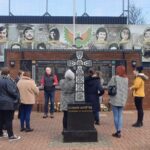
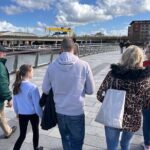
Belfast’s Troubles did not begin in a vacuum. This guided walk connects centuries of history with the conflict that erupted in the 1960s, then brings you closer to what life in the city was like during the 1970s. It is a useful way to understand the past before you explore Belfast on your own.
I like two things about this tour: local guides bring personal experience to the story, and the route considers the wider community rather than treating the conflict as a simple tale of one side against another. The focus also reaches beyond violence to reconciliation and the work of rebuilding a city.
One consideration: the advertised schedule gives you about two and a half hours, but the route and individual stops are not named in advance. If you want a tour focused on murals or entry to historic attractions, this may not be the best fit. A past participant would have liked more mural coverage, so think of this as a history walk, not a mural tour.
Key points
- A long view of the Troubles: The tour links 800 years of history to the conflict’s onset in the 1960s.
- Local voices: Guides use personal stories to explain what life in Belfast was like during the 1970s.
- A city-center walking route: You visit key sites tied to significant events, with no transport included.
- Peace is part of the story: The walk also looks at reconciliation, regeneration, and challenges ahead.
- A small group format: The group can include up to 25 people, with audio-boosting headsets provided.
- Plan for the full walk: The schedule runs from 10:30 to 13:00, and the tour goes ahead in rain or shine.
👉 See our pick of the 2 Best 3 Day Tours In Belfast
- Key points
- A city walk that puts the Troubles in context
- From Donegall Square North to the River Lagan
- Personal stories make difficult history easier to follow
- Reconciliation is part of the route, not an afterthought
- What the price includes, and what it does not
- Practical details for a comfortable walk
- Who will get the most from this Belfast walk
- Should you book the History of Terror Tour?
- FAQ
- How long is the tour?
- Where does the tour start?
- Where does the tour end?
- How early should I arrive?
- What is included in the price?
- Are attraction tickets, transport, or food included?
- Can children join the tour?
- Is the tour wheelchair-accessible?
- What happens if it rains, or if I need to cancel?
- The Best Of Belfast!
- More Historical Tours in Belfast
- More Tours in Belfast
- More Tour Reviews in Belfast
- Not for you? Here's more nearby things to do in Belfast we have reviewed
A city walk that puts the Troubles in context
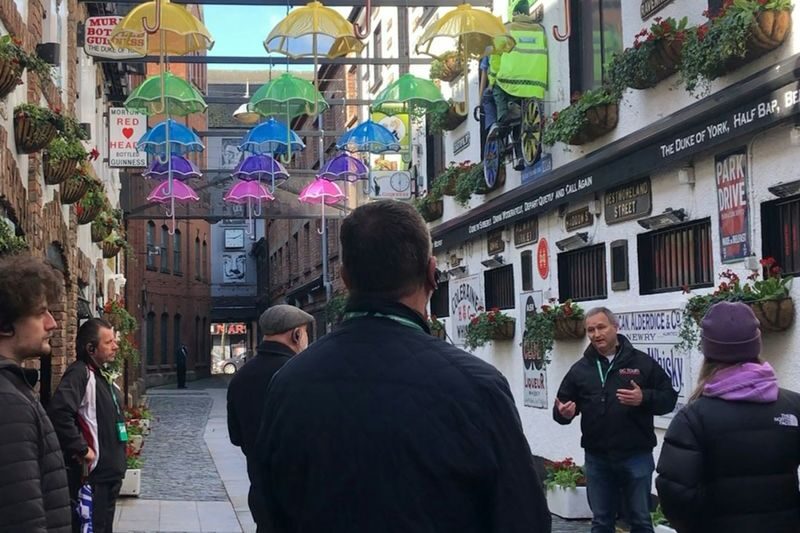
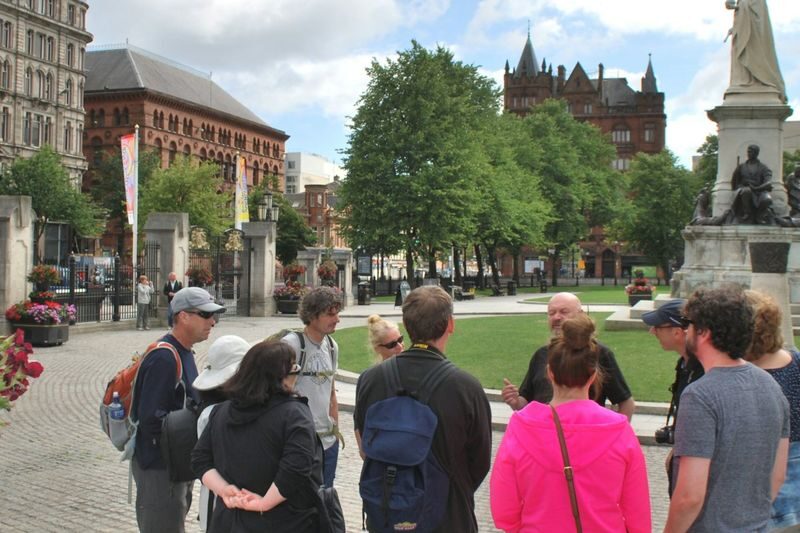
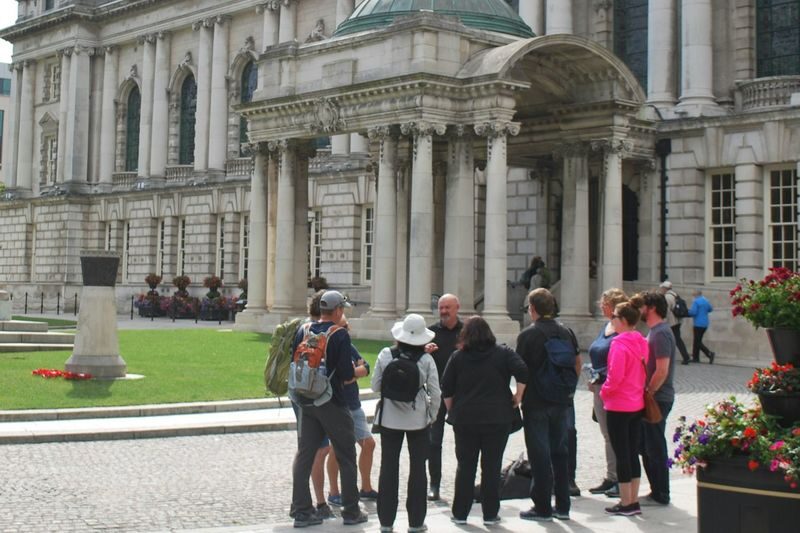
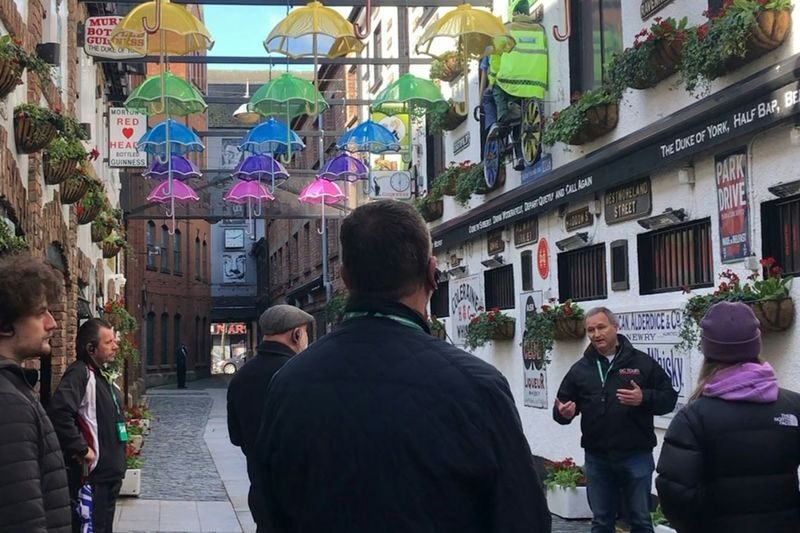
The main value here is context. The tour starts with the long history that shaped Belfast, then explains how events led to the Troubles in the 1960s. That framing matters: without it, the conflict can seem like a sudden, hard-to-follow chapter rather than part of a much longer story.
The focus is not only on dates and political events. Your guide connects history to daily life, using personal stories to help you picture Belfast during the 1970s. That human scale can make difficult material easier to grasp, especially if this is your first time learning about Northern Ireland’s recent past.
The tour is described as factual and unbiased, and its guides are conflict historians. You should expect an explanation that aims to include the whole community, rather than a one-sided account. The topic is painful and complex, so a walk cannot answer every question. But a guide can give you a framework for understanding what you see and hear in the city afterward.
You can also read our reviews of more historical tours in Belfast


From Donegall Square North to the River Lagan
The meeting point is outside the front gates of Belfast City Hall on Donegall Square North. Look for a guide wearing a black jacket or T-shirt with the DC Tours logo on the left chest. Arrive 10 minutes early; latecomers and no-shows are not eligible for a refund.
The walk moves through Belfast city center and visits sites connected with significant events. The exact stops are not specified, so I would not book expecting a particular building, memorial, or mural. Instead, expect the guide to use places along the route to explain how the city’s past unfolded and how it is changing.
The tour ends at about 13:00 on the banks of the River Lagan, by the Beacon. That gives you a natural point to continue your day, though you will need to make your own way back to the city center or on to your next stop. Transport is not included.
There is a small mismatch in the stated timings: the overview describes a shorter tour, while the schedule gives a 10:30 departure and 13:00 return, and the included package calls it a 2.5-hour walk. For planning, I would set aside the full two and a half hours.
Personal stories make difficult history easier to follow
A guide’s skill matters especially on a subject this sensitive. The strongest feature of the format is its mix of historical explanation and firsthand perspective. A past guide named Miley was praised for making the history come alive, while James was noted for making complex events accessible and human. Those names are useful examples of the guiding style, but your guide may be someone else.
Personal stories do not replace historical facts. They help put a human face on them. As you walk, you can hear about life during the conflict from people with local experience, while the guide connects those memories to the wider political story. That combination is more useful than a string of dates alone.
It is also worth arriving with questions. The walk is short enough that no single account can cover every experience or settle every debate. A good question about a site, a period, or the process of reconciliation can help you get more from the time. Keep an open mind, too: the tour’s stated aim is to include the whole community, and that means the story may be more layered than a simple division into heroes and villains.
Reconciliation is part of the route, not an afterthought
A tour of the Troubles could focus only on violence and loss. This one also looks at how peace was achieved, what reconciliation means, and how Belfast has changed through regeneration. That broader arc is important if you want to understand the city as it is today, not only the city of the 1970s.
The final part also considers future challenges. That does not mean you should expect a detailed forecast or a complete account of current politics. Rather, it gives the guide room to explain that peace is a process, and that the effects of conflict do not vanish when violence eases.
I like that the subject extends beyond the past. You leave with a better sense of why Belfast’s history still matters to the city’s identity and future. If your main interest is visual street art, however, be aware that murals are not promised as a central feature. One person who took the tour would have liked more attention to them. You might see or discuss them along the way, but book a dedicated mural walk if that is your priority.
What the price includes, and what it does not
The stated price starts at $39.05, while the join-in walking tour package is also shown from $33.95. Prices can vary by package or booking details, so check the final amount before you pay. At either starting figure, the value rests on having a local guide lead a focused walk and explain the history as you go.
Your fee includes an English-speaking guide, the walking tour, and an audio-boosting headset. The headset is a practical plus in a group setting: it can help you hear the guide without having to crowd close whenever the group stops.
Admissions to attractions, transport, meals, drinks, and personal expenses are not included. Since this is a walking tour through the city center, there is no coach ride or admission ticket built into the price. Bring money for anything you want to do or buy afterward.
The group size is listed as one to 25 participants. A group of that size can make the walk feel social, but it also means you may not have a long one-on-one conversation with the guide. If you want to ask several detailed questions, try to speak up during stops or catch the guide before the group sets off.



Practical details for a comfortable walk
The tour takes place rain or shine, so pack a raincoat or poncho and wear walking shoes. Belfast weather can change, and a wet walk is less enjoyable if you are relying on a small umbrella or shoes that cannot handle several hours on foot. Dress for the forecast and allow yourself time to walk between stops at a group pace.
The activity is listed as wheelchair-accessible. If you have specific access needs, it is sensible to confirm the details with the operator before booking, since the information provided does not describe the exact route surface or any step-free features at individual sites.
Children aged 0 to 11 are not recommended for the tour, but may join free at a parent or guardian’s discretion. They must be accompanied by a paying adult. Children aged 12 and older pay the adult rate. Given the subject matter and the length of the walk, consider whether younger children will be comfortable with a serious discussion of conflict.
The voucher is for the date and time you select, and you can present it on your mobile. You receive confirmation within minutes; if it does not arrive, contact customer support. A full refund is available if you cancel at least 48 hours before the activity date, using local destination time.
Who will get the most from this Belfast walk
This tour suits you if you want a clear introduction to the Troubles, prefer learning from a local guide, and value personal stories alongside historical context. It is also a good choice if you want to understand Belfast’s path toward reconciliation before exploring more on your own.
It may be less suitable if you want a tour built around murals, a visit inside a specific attraction, or a very short overview. There are no attraction admissions or transport, and the main experience is walking and listening. The subject is serious, so it is best for people ready to give it their attention.
Should you book the History of Terror Tour?
Book it if you want a thoughtful, guided introduction to Belfast’s recent history and appreciate hearing local perspectives. Its strongest points are the personal approach, the effort to explain the wider context, and the attention to peace as well as conflict. The headsets and manageable group limit help make the walk practical.
Skip it, or pair it with another activity, if your priority is seeing murals in detail or visiting named sites indoors. The route is not itemized, and the walk cannot cover every part of such a complex history in two and a half hours. For many first-time visitors, though, it offers a useful foundation for seeing Belfast with more understanding.
History of Terror Tour in Belfast
“The walking tour was a fanatstic experience. Tour guide Miley was a wealth of knowledge and I learnt a lot. Her passion for the history came alive…”
FAQ
How long is the tour?
The schedule runs from 10:30 to 13:00, or about two and a half hours. Some tour details describe a shorter duration, so plan for the full 2.5 hours.
Where does the tour start?
Meet at Donegall Square North, outside the front gates of Belfast City Hall. Look for a guide in a black jacket or T-shirt with the DC Tours logo on the left chest.
Where does the tour end?
The scheduled return point is on the banks of the River Lagan by the Beacon.
How early should I arrive?
Arrive 10 minutes before the 10:30 departure. Late arrivals and no-shows cannot receive a refund.
What is included in the price?
The package includes an English-speaking guide, a 2.5-hour walking tour, and an audio-boosting headset.
Are attraction tickets, transport, or food included?
No. Admission to attractions, transport, meals, beverages, personal expenses, and tips are not included.
Can children join the tour?
Children aged 0 to 11 may join free at a parent or guardian’s discretion, but they are not recommended for this tour and must be accompanied by a paying adult. Children aged 12 and older pay the adult rate.
Is the tour wheelchair-accessible?
Yes, the activity is listed as wheelchair-accessible. The route’s specific access details are not provided, so contact the operator if you need information about particular surfaces or stops.
What happens if it rains, or if I need to cancel?
The tour takes place rain or shine, so bring a raincoat or poncho. You can receive a full refund if you cancel at least 48 hours before the activity date, using local destination time.