Gyeongbok Palace is the heart of this short Seoul tour: you walk among Joseon-era halls, see the palace guard ceremony when it takes place, and hear how the city’s past connects to its streets today. I like that the route also includes Jogyesa Temple and Insadong, giving you a look at both Buddhist life and traditional crafts in one morning.
I also like the English-speaking guide’s role here. A good guide can turn a palace courtyard into a story, and guides named Dustin, Hank, Aimee and Lisa have been praised for clear explanations, humor and practical help with photos. The main consideration is the pace: 2.5 hours is brief for four stops, and the advertised walking route has sometimes been changed to a van or bus ride.
- What to know before you book
- A compact route through central Seoul
- Gwanghwamun Plaza: from civic space to city road
- Gyeongbok Palace: the fullest history stop
- Jogyesa Temple: a change of pace and subject
- Insadong: crafts, galleries and an easy lunch plan
- The guide can make a short tour feel personal
- Walking is the plan, but transport may change
- Price and what the morning includes
- Practical details to check before the morning
- Should you book the Seoul Historic Walking Tour?
- FAQ
- How long is the Seoul Historic Walking Tour?
- Where does the tour meet?
- Which places are included in the planned route?
- What happens when Gyeongbok Palace is closed on Tuesdays?
- Is the tour always on foot?
- Are admissions included?
- Are meals and transport included?
- What is the minimum group requirement?
- The Best Of Seoul!
- More Walking Tours in Seoul
- More Tours in Seoul
- More Tour Reviews in Seoul
- Not for you? Here's more nearby things to do in Seoul we have reviewed
What to know before you book
 1 / 6
 2 / 6
 3 / 6
 4 / 6
 5 / 6
 6 / 6
- Gwanghwamun Plaza sets the scene: This public space has served the community for centuries, though in the 20th century it became a 16-lane roadway.
- Gyeongbok Palace is the main event: The route includes Gyeonghoeru, Sajeongjeon and the National Folk Museum.
- Jogyesa adds a different perspective: The temple is described as the center of Korean Buddhism.
- Insadong is the planned finish: Expect galleries, cultural crafts and a chance to browse traditional food and street food on your own.
- The morning is tightly timed: The tour starts at 9:10 and is scheduled to last 2.5 hours.
- The format can change: The tour is sold as a walk, but weather or group arrangements have led to van or bus transport on some dates.
👉 See our pick of the 25 Best Guided Tours In Seoul
A compact route through central Seoul
This is an introductory tour, not a slow, in-depth study of every site. In about two and a half hours, you move from a major civic plaza to a royal palace, a Buddhist temple and a craft-focused shopping district. That mix gives you a useful first frame for Seoul: its history is not confined to a museum, but sits alongside daily city life.
You meet at the President Hotel’s first-floor front desk at 9:10. From there, the route heads to Gwanghwamun Plaza, Gyeongbok Palace, Jogyesa Temple and Insadong. The order is practical, and the stops are relatively close to one another, making this more manageable than trying to cover the same ground across the city by public transport on your own.
The value lies in having someone explain what you are looking at as you go. Palace architecture can be striking even without context, but a guide can help you connect the buildings, ceremonies and sites to Korea’s past. At the same time, the short duration means you should not expect long stretches for quiet exploration or detailed museum visits.
You can also read our reviews of more walking tours in Seoul
Gwanghwamun Plaza: from civic space to city road
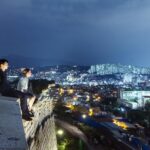
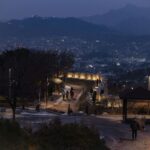
Gwanghwamun Plaza opens the tour with a lesson in how Seoul has changed. The space has been central to community life for centuries, but during the 20th century it was transformed into a 16-lane roadway. That contrast gives the stop more purpose than a quick photo: you can start thinking about how the modern capital has reshaped older places.
The plaza is a public open space, so this part of the visit gives you a broad view of the city’s civic center before the tour turns toward the palace. Your guide’s commentary is important here. The plaza itself may not hold your attention as long as the palace grounds, but its story helps link the modern city to the historic sites ahead.
The route does not promise an extended stop at the plaza. Treat it as an introduction and a chance to get your bearings, rather than a destination that takes up much of the morning.
Gyeongbok Palace: the fullest history stop
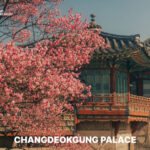
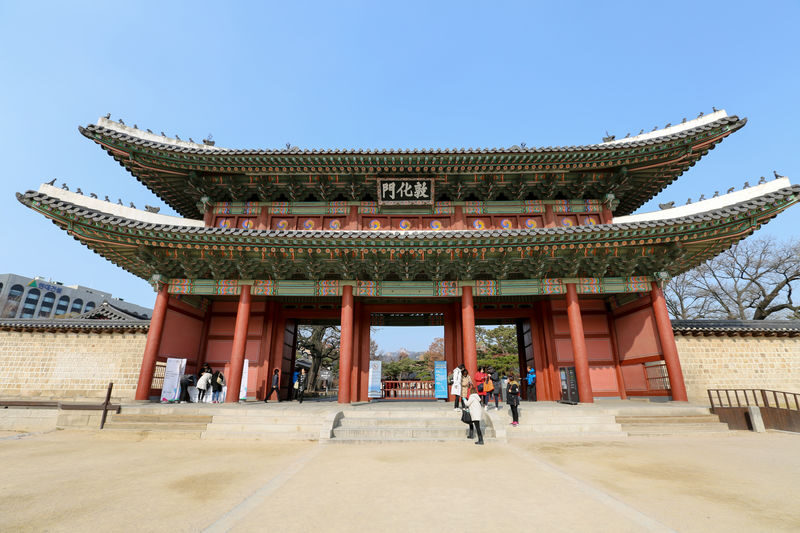
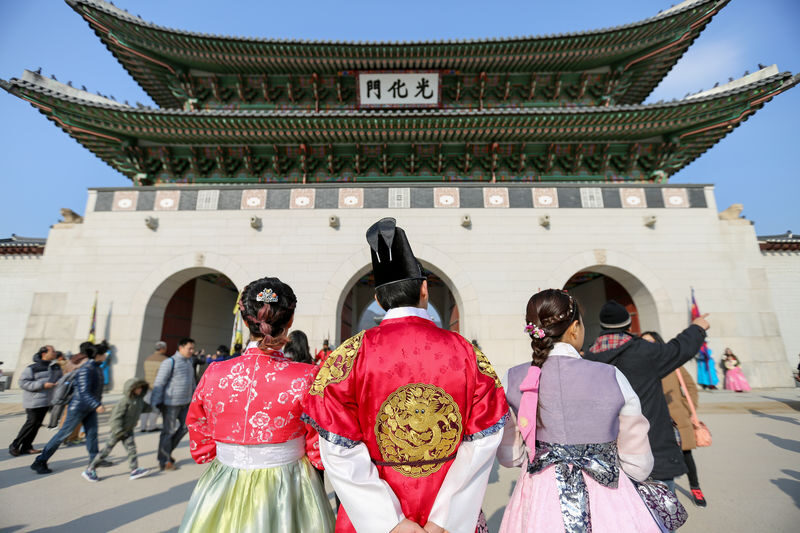
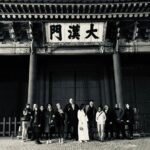
Gyeongbok Palace, the main palace during the Joseon period, is the tour’s central stop. The planned visit includes Gyeonghoeru, Sajeongjeon and the National Folk Museum. You get a guided look at several parts of the palace complex, rather than simply walking through the grounds without explanation.
The palace is also where the tour can feel rushed. The grounds and their buildings offer more to see than a short visit can cover, and some groups have had limited time for photos or independent wandering. If your priority is a leisurely palace visit, allow time to return on your own after the tour, if your schedule permits.
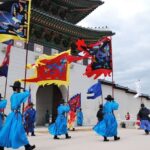
The changing of the guards is a notable bonus when it coincides with the visit. Several people have enjoyed seeing the ceremony, but it should not be treated as a guaranteed part of every tour. The schedule supplied for this experience does not give a ceremony time, so ask the operator if seeing it is essential to your plans.
A guide can make a real difference here. Names associated with past tours include Hank, who was praised for detailed English commentary, and Hanna, who explained the palace’s history. Other guides, including Lisa and Aimee, have been credited with sharing photo advice and making the visit more personal. Your guide will vary, but the strongest part of the experience is the chance to ask questions while you are standing at the site.
Jogyesa Temple: a change of pace and subject
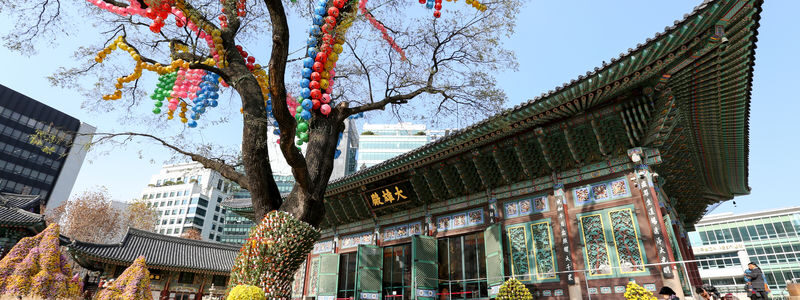
After the palace, the route moves to Jogyesa Temple, identified as the center of Korean Buddhism. This stop broadens the tour beyond royal history and introduces a religious site within the same central Seoul itinerary.
The temple’s value is partly in the contrast. After palace halls and court history, you are looking at a place connected to Buddhist practice. The guide can explain that shift and help you understand why the temple matters, rather than leaving you to infer its role from the buildings alone. Past guides have been praised for clear explanations of Korean Buddhism at this stop.
The tour does not specify a long visit or a detailed temple program, so keep expectations in line with the short schedule. It is an introduction, not an extended religious or architectural study. If a temple visit is a particular priority for you, you may want to make a separate visit with more time.
Insadong: crafts, galleries and an easy lunch plan
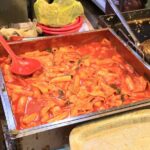
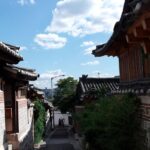
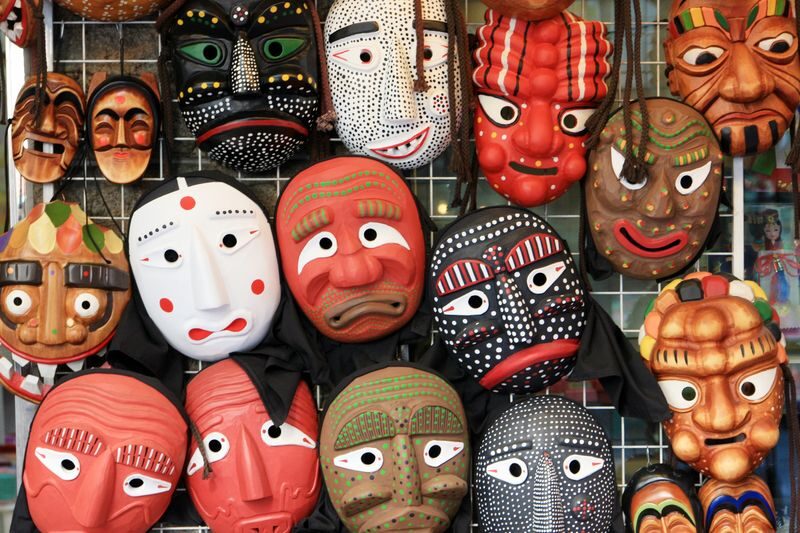
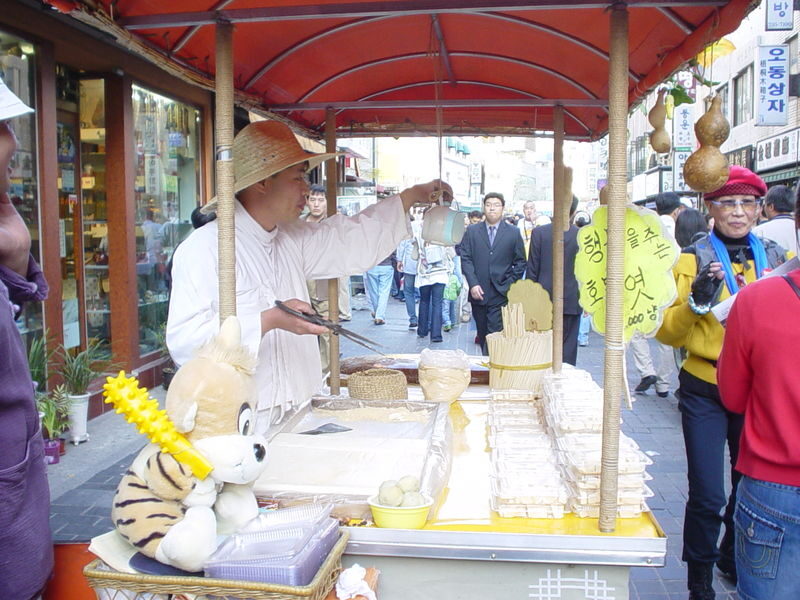
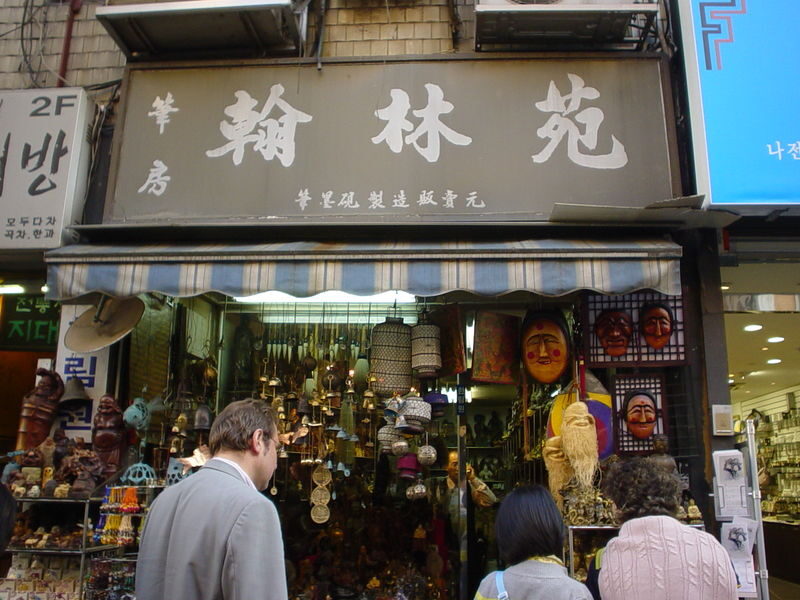
Insadong is the planned final stop. It is known for cultural crafts, galleries and items that can serve as mementos of Korean culture. The itinerary also mentions traditional Korean food and street food as optional experiences, so you can finish by browsing or finding something to eat.
This is a practical place to end a morning tour. You can continue exploring the neighborhood at your own pace, stop for lunch or look for a keepsake without having to hurry back to the starting point. The tour does not include meals or drinks, and personal purchases are extra, so bring a little time and spending money if you want to make the most of the stop.
Insadong is not always reached as planned. Some past groups finished elsewhere or skipped it, and at least one tour ended in the district without arranging a return ride. Confirm the intended endpoint with your guide at the start, especially if you have a fixed plan afterward. The standard itinerary places Insadong last, but route changes have occurred.
You can also read our reviews of more historical tours in Seoul
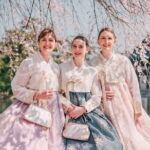
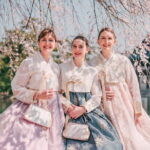
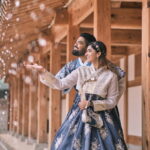

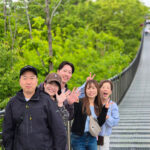
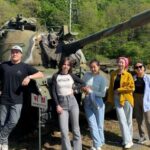
The guide can make a short tour feel personal
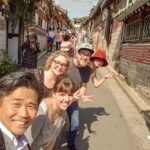
The guide is the experience’s strongest variable. The tour is designed around an English-speaking guide who adds historical explanations and local stories, including lighter anecdotes. Past guides named Dustin, Hank, Aimee, Park, Anna, Lisa and Nancy have been singled out for friendliness, clear English, humor, useful photo help or thoughtful recommendations.
That personal touch can be more useful than it sounds. Guides have helped take family photos, pointed out good picture spots and suggested places to eat. One guide redirected a group toward Myeongdong, while another gave directions for continuing to Samcheongdong. These are helpful extras, but you should not assume your itinerary will be customized in the same way.
The quality of the commentary has not been uniform. Some visitors wanted more historical detail, while others found the explanations informative and lively. The route covers several subjects in a short time, so the guide’s approach and your questions can shape how much you take away. If you want more depth, ask questions at the palace and temple, where the context adds the most.
Walking is the plan, but transport may change
The experience is sold as a walking tour, and the stops are described as relatively close together. Still, some groups have been moved by van or bus because of cold or hot weather, larger group arrangements or other practical decisions. That can be welcome in unpleasant weather, but it may also mean less time on foot and less freedom to linger at each site.
Past group sizes have varied. One account describes a group of four, which made it easy to move around, while another describes a group of more than 20, making flexibility harder. There is no fixed group size listed, so you cannot count on a small-group experience.
Wear comfortable shoes and dress for the weather. Even when transport is used between sites, expect to walk around the palace and other attractions. The tour’s safety guidance asks you to stay with the group and follow the guide’s directions.
Price and what the morning includes
The package price is shown from US$37.59, while the summary price is listed from US$43.25. Prices can change by date or booking conditions, so check the total shown before paying. Admission to attractions and an English-speaking guide are included; transport, meals, drinks and personal expenses are not.
For the price, the strongest value is the combination of admissions and guided context across several central sites. You also save the effort of planning the sequence yourself and get a guide who can connect the locations. The trade-off is limited time at each stop. If you already know Seoul’s history or prefer to explore at your own pace, you may get more from visiting fewer places independently.
The experience has a 4.2 out of 5 rating from 51 ratings. That is a solid, though not flawless, result. The recurring strengths are guide friendliness and helpful explanations; the recurring cautions are rushed timing, changes to the planned walking format and occasional gaps between the itinerary and the route actually taken.
Practical details to check before the morning
The meeting point is the President Hotel’s first-floor front desk. The directions given are City Hall Station, Subway Line 1 or 2, Exit 5, or Euljiro 1-ga Station, Line 2, Exit 8, then walk straight for about two minutes. The meeting time is 9:10, so plan to arrive a little early and have your mobile voucher ready.
The tour is listed as available Sunday and Monday, though the schedule information is repeated and may not fully explain availability. Confirm the date you select before making other plans. Gyeongbok Palace is replaced by Deoksu Palace when Gyeongbok is closed on Tuesdays, so the actual palace stop can differ depending on the day.
At least four participants are required. If the minimum is not met, the tour may be canceled, with the stated options of an alternative date or a full refund. The package details also say no cancellations or refunds are available, so check the exact terms attached to your booking before you commit. Confirmation is expected within minutes, and the mobile voucher is the ticket to present.
Should you book the Seoul Historic Walking Tour?
Book it if you want a guided first look at central Seoul and value a human explanation more than a leisurely pace. The route combines a major Joseon palace, a Buddhist temple and Insadong’s crafts district, while the guide can add local stories, photo help and practical tips. It works especially well early in a Seoul stay, when a broad introduction can help you decide what to revisit.
Skip it if you want hours at Gyeongbok Palace, a guaranteed walking-only outing or a tightly controlled itinerary. The tour is short, transport can replace walking, and the planned Insadong finish has not always happened. If you book, ask at the meeting point whether the route and endpoint are as scheduled, then keep the rest of your morning flexible.
Seoul Historic Walking Tour
“Our guide Dustin (hope I spell it right) was wonderful. He shared interesting knowledge as we went on a leisure walk to the palace and museum. He h…”
FAQ
How long is the Seoul Historic Walking Tour?
It is scheduled to last 2.5 hours, beginning with a 9:10 meeting time.
Where does the tour meet?
Meet at the President Hotel’s first-floor front desk. The directions provided are City Hall Station Exit 5 or Euljiro 1-ga Station Exit 8, followed by a two-minute walk straight ahead.
Which places are included in the planned route?
The itinerary includes Gwanghwamun Plaza, Gyeongbok Palace, Jogyesa Temple and Insadong. The palace visit names Gyeonghoeru, Sajeongjeon and the National Folk Museum.
What happens when Gyeongbok Palace is closed on Tuesdays?
The palace visit is substituted with Deoksu Palace.
Is the tour always on foot?
It is sold as a walking tour, but groups have sometimes travelled between stops by van or bus due to weather or group arrangements.
Are admissions included?
Yes. Admission to attractions and an English-speaking guide are included.
Are meals and transport included?
No. Transport, meals, beverages and personal expenses are not included.
What is the minimum group requirement?
A minimum of four participants is required. If the minimum is not met, you can book an alternative date or request a full refund.