In downtown Gyeongju, this small art class gives you a hands-on way to meet Korean folk painting: sketch a Silla-inspired design, add watercolor to a traditional folding fan, then pause for Korean tea. You leave with a handmade souvenir, not just another photo.
I like two things in particular: the class is small, with just one to six participants, and the fan gives your painting a useful, distinctly Korean form. The advanced session also leaves a generous 90 minutes for coloring, so you needn’t rush your choices.
The main catch is a confusing duration: the experience summary says four minutes, while the actual class plans specify one hour for beginners and two for advanced. Check the duration and price for your selected option before booking.
Key points
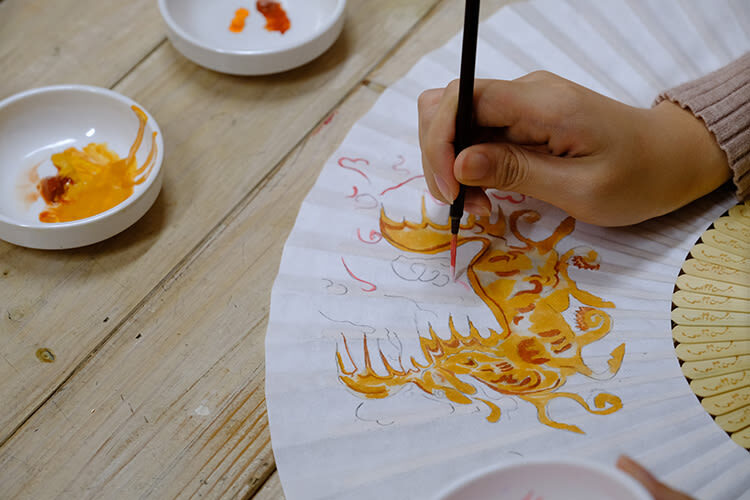
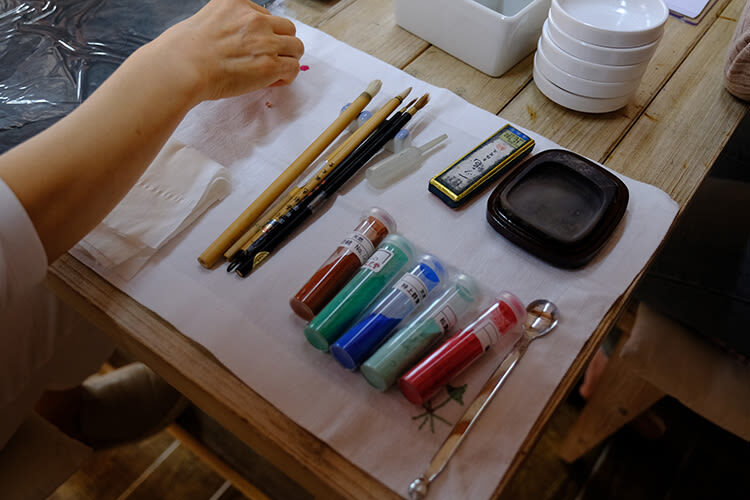
- Paint on a Hapjukseon: Create a Silla-inspired folk painting on a Korean folding fan, with fan, paints, brushes, and other materials supplied.
- Choose your pace: The beginner class lasts one hour; the advanced class lasts two hours, with more time for coloring.
- Keep the group small: Classes take one to six participants, making this a more personal activity than a large workshop.
- Tea is part of the session: The schedule ends with Korean traditional tea and a chance to introduce your finished painting.
- Plan for price and duration discrepancies: The page gives different starting prices and a four-minute summary that conflicts with the class schedules.
- Find Culture Space, Jin: It is at 83 Dongseong-ro in Gyeongju, about a four-minute taxi ride from the Express Bus Terminal.

👉 See our pick of the 5 Best Historical Tours In Gyeongju
- Key points
- A fan painting with a Silla-era theme
- Choose one hour or two
- Sketch first, then make the fan your own
- Tea gives the session a gentle finish
- What the price buys, and what to check
- Sort out the timing before you set your day
- Who will get the most from this class?
- Should you book the fan-painting class?
- FAQ
- How long does the class last?
- What do I make?
- What is included?
- How many people can join?
- Where does the class meet?
- Is parking available?
- What happens if I arrive late?
- The Best Of Gyeongju!
- More Tours in Gyeongju
- More Tour Reviews in Gyeongju
- Not for you? Here's more nearby things to do in Gyeongju we have reviewed
A fan painting with a Silla-era theme
 1 / 5
 2 / 5
 3 / 5
 4 / 5
 5 / 5
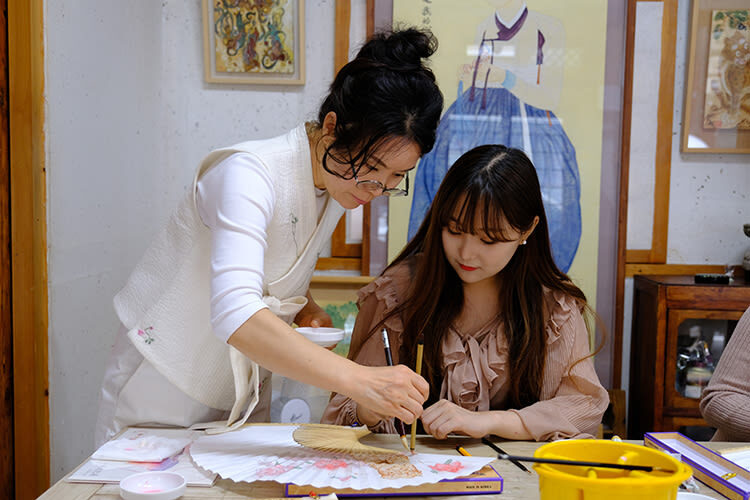
Gyeongju is closely tied to the Silla dynasty, and this class turns that historical connection into a practical, creative activity. Rather than only looking at objects or buildings, you make a small folk-style painting inspired by Silla culture and take it home on a traditional Hapjukseon, a Korean folding fan.
That’s the appeal: you get an introduction to a local art activity without needing to commit to a full-day class. The fan is both your working surface and your finished keepsake. If you’re looking for a quiet break between Gyeongju’s historical sights, this offers a different way to spend an hour or two.
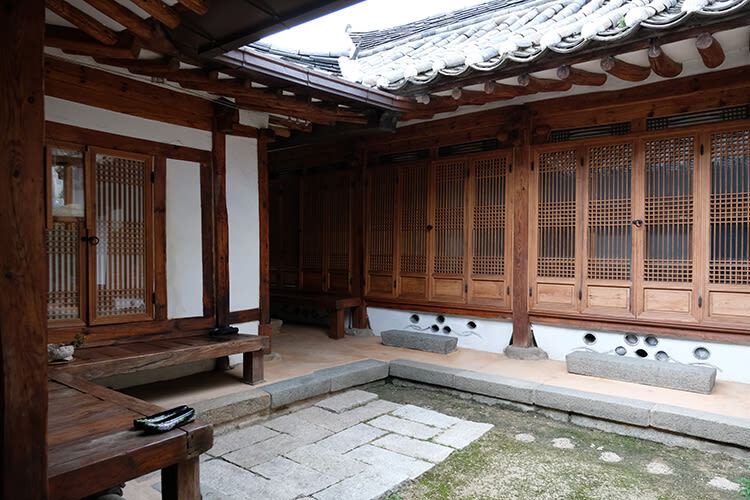
The class takes place at Culture Space, Jin, described as a Hanok guesthouse and cultural space in central Gyeongju. Its setting is part of the experience, though the central activity is the painting itself. Don’t expect a long guided tour of the building or a detailed lecture on Silla history. The session is structured around making your fan.
You can also read our reviews of more tours and experiences in Gyeongju.


Choose one hour or two
The beginner class lasts one hour. It starts with a 10-minute orientation, followed by 10 minutes to draw a sketch. You then have 30 minutes to add color, and the final 10 minutes are set aside for Korean tea and an introduction to your painting.
The schedule gives beginners a clear path from blank fan to finished piece. That can be reassuring if you’re not used to painting or don’t want to spend a long stretch on one craft. At the same time, 30 minutes for coloring is a fairly brisk window. If you like to work slowly, consider whether the shorter class will feel relaxed enough for you.
The advanced class lasts two hours. It follows the same opening: 10 minutes of orientation and 10 minutes for the sketch. Then comes 90 minutes of coloring, followed by 10 minutes for tea and sharing your finished work. That extra coloring time is the main practical difference. You have more room to make decisions and build up your design without watching the clock so closely.
The word advanced describes the class option, but the available details don’t spell out a different technique or a required skill level. If you’re unsure which package fits, ask the operator before booking. One account of the advanced class describes a two-hour session led by Ms. Han Yujin, with tea and treats served. The listed inclusions confirm a welcome beverage, while the class schedule specifies traditional Korean tea at the end.
Sketch first, then make the fan your own
The orientation gives you a short start before you begin drawing. The description promises expert guidance for making a Silla-themed folk painting, but it doesn’t specify which designs are available or whether you can bring your own idea. If you have a particular subject in mind, check with Culture Space, Jin before you go.
You then sketch directly toward your final painting. That brief drawing stage matters: it gives you a chance to lay out the image before using watercolor, when changes may be harder to make. The class is framed as guided, so you’re not simply handed supplies and left to figure everything out alone. Still, the extent of individual instruction isn’t specified.
Coloring takes up the largest share of either class. You get a fan, watercolor paints, brushes, and the other materials needed, so there’s no need to bring an art kit. The beginner’s 30-minute coloring period makes the class accessible as a compact activity, while the advanced option’s 90 minutes better suits anyone who wants time to work carefully.
There’s no promise that every fan will look like a polished studio piece. That’s part of the point: the activity invites personal expression, and you make your own version of a folk painting. If you’re hoping for a finished souvenir with a local connection, the fan gives the session a satisfying purpose. If you’re seeking formal art instruction or a long history lesson, the available details don’t suggest that this is the class for you.
Tea gives the session a gentle finish
The final 10 minutes are set aside for traditional tea and for introducing your own painting. This ending makes the class feel less like a timed craft task and more like a small cultural activity, with a moment to look at what you made before heading back out into Gyeongju.
A participant in an advanced class described spending two hours with Ms. Han Yujin and being served Korean tea and treats. That account makes the tea portion sound like a genuine part of the visit, rather than a drink grabbed on the way in. The formal schedule specifically includes tea; treats are not listed as a standard inclusion, so don’t count on them being provided every time.
The activity has one five-star rating on its own page, so there isn’t a broad sample to use when judging consistency. The experience provider, Travolution, has a 92 percent good-review rate across 20,762 reviews for its offerings overall. That’s useful background on the provider, but it does not tell you how every session at this particular class will go.
What the price buys, and what to check
The listed price varies by the page and package details: the summary says from US$24.95, while the beginner package is shown from US$22.65. Those figures may reflect different display details, so check the current price for your date and selected class before paying. The same price applies to all ages, and infants and children must be included in your participant count.
For that fee, the listed inclusions are the fan, watercolor paints, brushes, other materials, Korean-speaking staff, a welcome beverage, and the scheduled class process. You’re paying for a guided activity and a handmade object, not just access to a room or a short demonstration. The value depends on how much you want a creative break and how appealing a fan painting is as a souvenir.
The class is limited to one to six participants, which helps keep the activity personal. But a small group doesn’t guarantee a private class; the information doesn’t say that you book the whole space when you reserve. If you want to come with a group or have a particular class arrangement in mind, confirm it directly.
Parking is not included. You can park at the entrance or use a public parking lot, listed at 500 KRW for 30 minutes. From Gyeongju Express Bus Terminal, the directions suggest taking a taxi from the stand in front of the terminal entrance; the ride to Culture Space, Jin takes about four minutes.


Sort out the timing before you set your day
There’s a notable mismatch in the published timing. The short summary calls the activity four minutes, but the detailed class schedules clearly describe a one-hour beginner session and a two-hour advanced session. Treat the class schedule as the useful planning guide, but confirm the duration of the exact option you’re booking. A four-minute visit would not fit the listed painting process.
Arrive 10 minutes before your scheduled start and bring your mobile voucher. Late arrivals can’t enter once the event has begun, and latecomers or no-shows aren’t eligible for a refund. That strict start time matters for a small, timed class: don’t plan to arrive at the door just as the session is due to begin.
The voucher is valid only on the date and time specified, if a time is included. Confirmation is expected within minutes; if it doesn’t appear, contact customer support. If the operator can’t accept a reservation for its own reasons, the customer service team will notify you by email.
The class description says accommodation may be possible, but you need to contact the on-site team after the activity. Don’t assume an overnight stay is included in the painting reservation. For questions about the venue or a specific arrangement, Culture Space, Jin lists the telephone number 010-2717-3474.
Who will get the most from this class?
I’d consider this a good fit if you want a low-key activity that connects your Gyeongju visit with a small piece of Korean craft. It’s also a sensible choice for a rainy spell or a day when you want a change of pace from historical sites. You don’t need to bring supplies, and the one-hour beginner option keeps the commitment modest.
Families can consider it too, but remember that all ages pay the same price and children and infants count toward the participant total. The information doesn’t state a minimum age or describe a special child-focused version, so check with the operator if you’re planning to bring very young children.
Choose the advanced class if you want more time for coloring and can spare two hours. The beginner class is the better fit if you want a shorter activity and are comfortable working within a 30-minute coloring period. Neither option promises a particular finished design, so go in ready to make something personal rather than reproduce a guaranteed pattern.
Should you book the fan-painting class?
Book it if a small, hands-on art activity sounds like a good counterpoint to Gyeongju’s historical sightseeing. The combination of a Silla-inspired folk painting, a traditional folding fan, supplied materials, and tea makes the hour or two feel rooted in place. The advanced class is especially appealing if you value time to work without rushing.
I’d pause before booking if your schedule is tight or you need firm details on the duration and final price. The four-minute summary conflicts with the one- and two-hour class plans, and the displayed starting prices differ. Confirm those points, pick the class that suits your pace, and arrive early. With those details settled, this is a modest, creative way to take a piece of Gyeongju home.
Gyeongju Drawing Shilla Dynasty Folk Painting on Fan
“I had two truly wonderful hours with Ms. Han Yujin during this class. We not only created a small work of art on the fan together, but I was also t…”
FAQ
How long does the class last?
The beginner class is scheduled for one hour, and the advanced class for two hours. A separate summary gives a four-minute duration, which conflicts with those schedules, so confirm your selected option before booking.
What do I make?
You paint a Silla culture-themed folk design on a traditional Hapjukseon Korean folding fan.
What is included?
The listed inclusions are the fan, watercolor paints, brushes and other materials, Korean-speaking staff, a welcome beverage, and the class process. Traditional Korean tea is scheduled at the end.
How many people can join?
The group size is one to six participants.
Where does the class meet?
It meets at Culture Space, Jin, 83 Dongseong-ro, Gyeongju-si, Gyeongsangbuk-do, Korea.
Is parking available?
You can park at the entrance or at a public parking lot. The public lot is listed at 500 KRW for 30 minutes, and parking fees are not included.
What happens if I arrive late?
Arrive 10 minutes before the scheduled start. Latecomers can’t enter after the event begins, and late arrivals or no-shows can’t receive a refund.