Jeju’s old center makes a useful first stop on an island trip: you can connect its Joseon-era buildings with the changes shaping the city today, then finish among the food stalls of Dongmun Market. This guided walk is less about ticking off distant sights and more about understanding Jeju through its architecture, streets, and local dishes.
I like the mix of old and new, from Gwandeokjeong and Jeju Mok Gwana to Sanjimul’s urban regeneration story. I also like that the guide helps first-timers make sense of the island and plan what to see next, rather than leaving you to piece together the basics on your own.
One consideration: the three-hour schedule is compact, and weather or capacity may mean a stop is skipped. Hanbok rental is an extra cost, and meals and drinks at the market are not included.
- What makes this Jeju city walk useful
- Starting at Gwandeokjeong
- Hanbok photos and the Joseon-era setting
- Sanjimul and the city’s changing shape
- Dongmun Market: Jeju food in the everyday mix
- The guide makes the difference
- Price, timing, and practical details
- Who should book this walk?
- FAQ
- How long does the tour take?
- Where does the tour start?
- Where does the tour finish?
- What languages does the guide speak?
- Is hanbok rental included in the price?
- Are meals and drinks included?
- Is the tour wheelchair-accessible and stroller-friendly?
- Can stops change or be skipped?
- The Best Of Jeju!
- More Shopping Tours in Jeju
- More Tours in Jeju
- More Tour Reviews in Jeju
- Not for you? Here's more nearby things to do in Jeju we have reviewed
What makes this Jeju city walk useful
 1 / 7
 2 / 7
 3 / 7
 4 / 7
 5 / 7
 6 / 7
 7 / 7
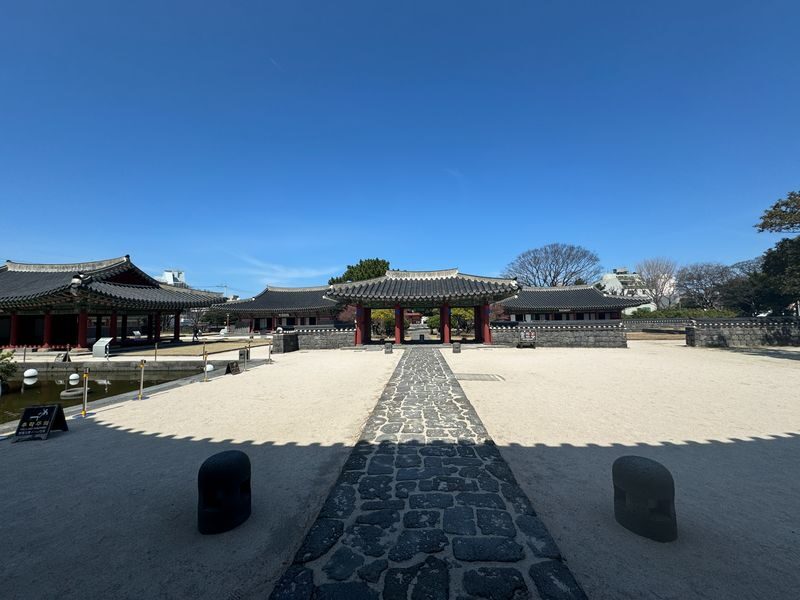
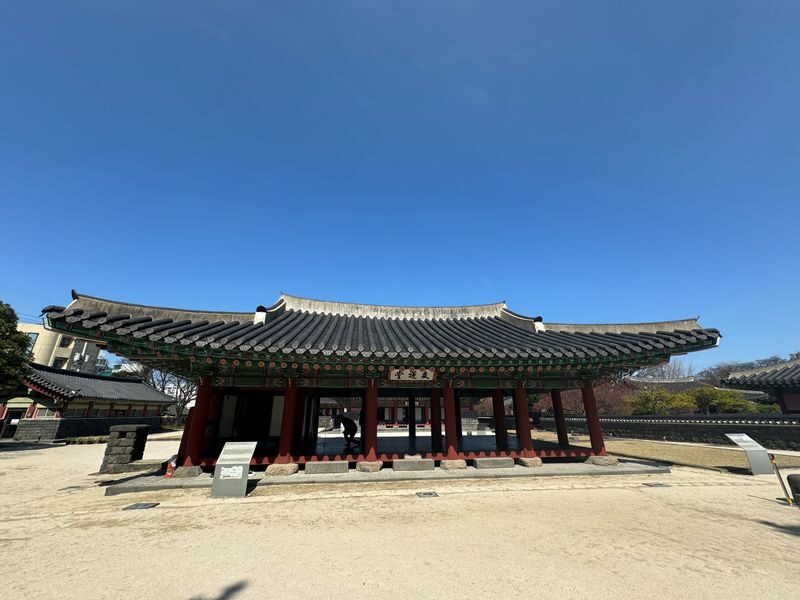
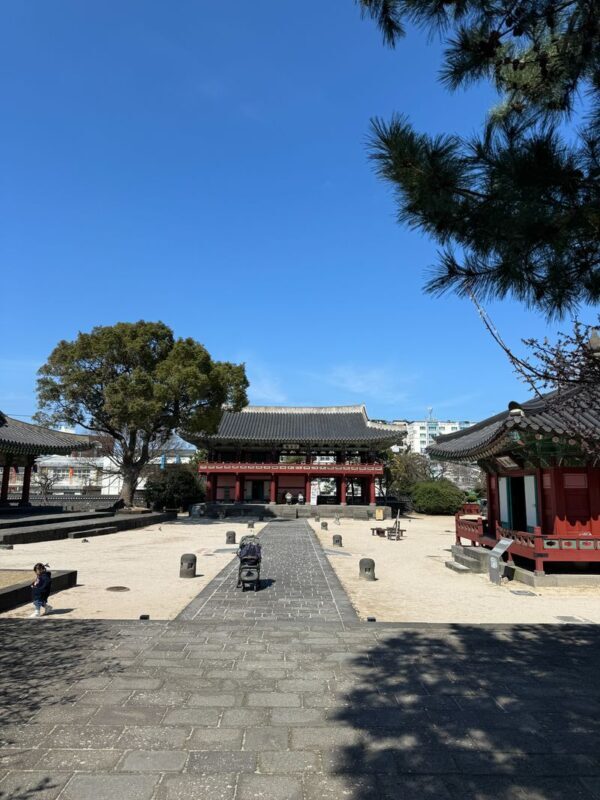
- Gwandeokjeong sets the scene: Meet by the pavilion’s ticket office and begin among buildings associated with Jeju’s Joseon-era past.
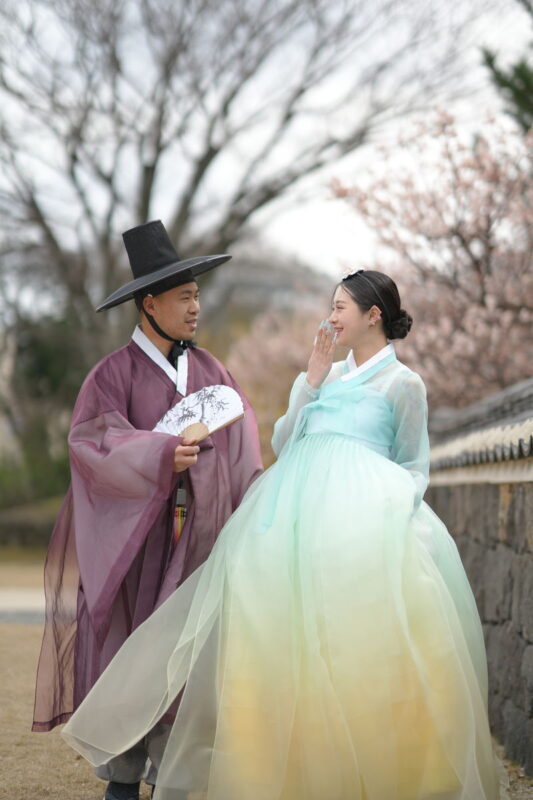
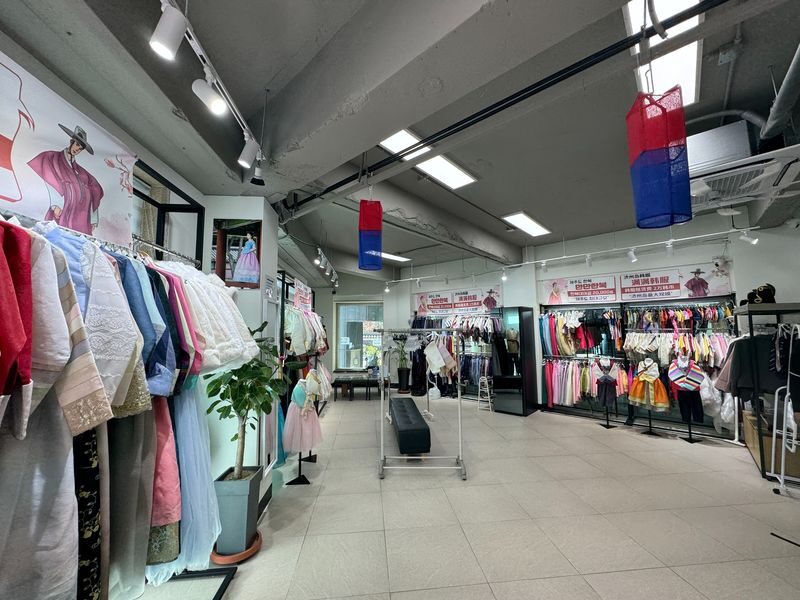
- Jeju Mok Gwana adds a hands-on option: You can rent hanbok for photos, but the fee starts at 20,000 won and is not included.
- Sanjimul brings the story into the present: Hear about changes in Jeju and the city’s urban regeneration projects.
- A traditional Jeju house offers a change of pace: The tour includes time to experience one and learn about it.
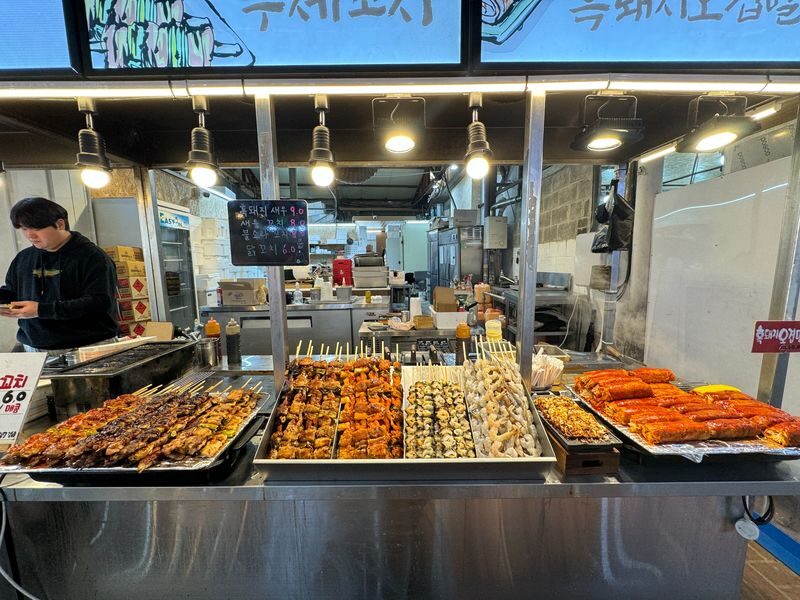
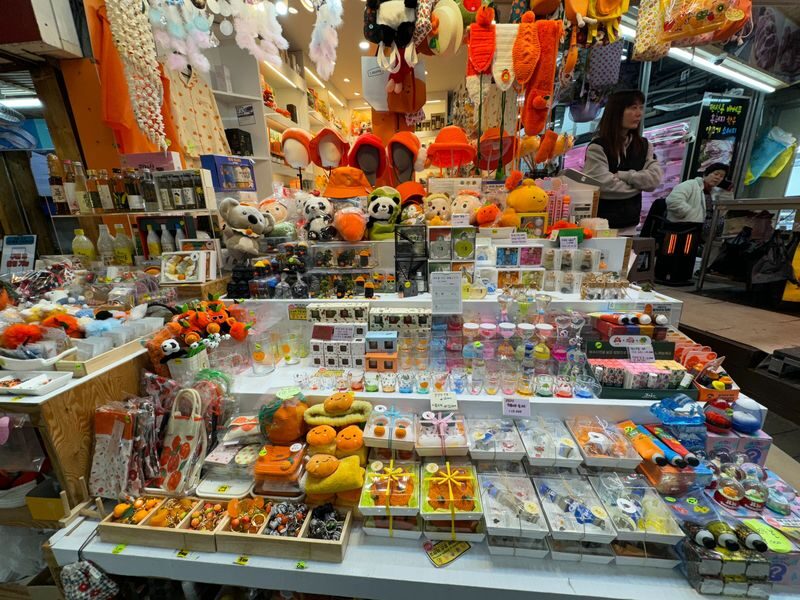
- Dongmun Market is the food stop: Explore Jeju’s oldest traditional market and learn about local dishes, with food and drinks at your own expense.
- The guide can help with your wider island plans: First-timers can ask about popular attractions and get itinerary-making tips.

👉 See our pick of the 4 Best 3 Day Tours In Jeju
Starting at Gwandeokjeong
Your meeting point is in front of the ticket office at Gwandeokjeong Pavilion, at 19 Gwandeok-ro in Jeju City. The listed departure is 3 p.m.; arrive ten minutes early, since late arrivals and no-shows are not refundable. The tour is scheduled to finish around 6 p.m. at Dongmun Traditional Market.
Beginning here gives the walk a clear focus: Jeju’s architecture and city history. The guided portion at the first stop is planned for about an hour and a half, making it the longest stretch of the outing. The experience highlights the architecture of the Joseon Dynasty and Jeju Mok Gwana, a fitting place to start if you want historical context before moving on to the city’s present-day streets.
The guide is also there to answer the questions that often come up on a first visit: how Jeju Island was formed, where its best-known sights are, and why it is such a popular destination with Koreans. Those pointers can be especially useful before you decide how to spend the rest of your time on the island. This is a city walking tour, though, not a full-island excursion, so don’t expect it to take you to Jeju’s more distant attractions.
You can also read our reviews of more shopping tours in Jeju


Hanbok photos and the Joseon-era setting
At Jeju Mok Gwana, you can rent hanbok and pose against the backdrop of Joseon-era buildings such as Gwandeokjeong. It’s an optional extra rather than part of the tour price, with rental fees starting at 20,000 won depending on the clothing and makeup you choose. If the photos matter to you, budget for the rental and allow for the possibility that choices or conditions on the day may affect what is available.
I like this option because it turns an architecture stop into something you can take part in, rather than simply viewing buildings and moving on. It may suit you if you enjoy dressing up for photos or want a more memorable record of the visit. If that’s not your style, you can still focus on the architecture and the guide’s explanations without renting anything.
There is a practical limit to keep in mind: some attractions may be skipped because of capacity or weather. The schedule can also change with traffic and weather, so it’s wise not to build a tightly timed plan around every single stop. The route has several components in roughly three hours, and flexibility is part of the deal.
Sanjimul and the city’s changing shape
The walk continues to Tamna Plaza and Sanjimul, with about 30 minutes set aside for this part of the tour. Here, the emphasis shifts from historic architecture to change in modern Jeju City. You’ll learn about urban regeneration projects and how the island’s city has developed.
That contrast is one of the tour’s strengths. A visit limited to old buildings can make a place feel frozen in time; Sanjimul offers a chance to hear how Jeju is changing now. The short stop is best approached as an introduction, not a detailed study of city planning. You’ll get a guide’s account of local change, then move on.
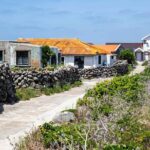
The itinerary also includes time to experience a traditional Jeju house and learn about it. The supplied details don’t specify the house’s age, layout, or exact features, so go in ready to listen rather than expecting a particular architectural exhibit. It gives the walking tour another scale: after public buildings and urban projects, you get a closer look at a traditional domestic setting.
Dongmun Market: Jeju food in the everyday mix
The final stop is Dongmun Traditional Market, with about an hour for exploring. It is described as the oldest traditional market on Jeju Island, and the guide introduces the island’s distinctive food and local dishes. You can expect a mix of traditional and trendier street food, though the tour information does not name specific dishes or include a meal.
That hour works best if you arrive curious and leave room for your own appetite. You can listen to the guide’s explanations, look around, and decide whether to buy something. Meals and beverages are not included, so bring extra spending money if sampling food is part of your plan. Other personal expenses are also on you.
The market is a practical finish because it takes the tour from broad history to daily life. Food traditions are one way to understand a place, but an hour is not a long market visit, especially if you want to browse at your own pace and eat. Keep expectations measured: this is a guided introduction, not a market food tour with a meal built into the price.
The tour ends at Dongmun Market, not back at Gwandeokjeong. That’s convenient if you want to stay and explore or eat after the guide’s portion ends. If you need to return to your hotel or another address, plan that separately; the stated finish is the market.
The guide makes the difference
The experience includes an English- or Korean-speaking guide, and the tour is designed to give first-time visitors a useful introduction to Jeju. A guide named Chanie has been associated with the tour; he was described as warm, humorous, and keen to connect history with local details. Your assigned guide may be someone else, so don’t book on the assumption that Chanie will lead your departure.
A good local guide can make a short city walk more useful than a list of stops. In particular, the island overview and itinerary suggestions can help you decide what to prioritize after the tour. You can also ask about the places you are considering, though the available details don’t promise a personalized planning session or a particular amount of question time.
The strongest reason to book is the chance to get context from someone who knows the city, alongside a route that links architecture, urban change, home life, and food. The guide’s style matters, and no two departures will be identical, but the format puts local interpretation at the center.


Price, timing, and practical details
The Jeju city tour package starts at US$50.35. For a roughly three-hour guided walk with admission to attractions and an English- or Korean-speaking guide, that may be reasonable if you value explanations and want a structured orientation. It is less compelling if you prefer to explore independently or mainly want a meal, since food, drinks, hanbok rental, and other personal expenses are extra.
The listed schedule runs from 3 p.m. to about 6 p.m., with roughly 90 minutes at the first historic stop, 30 minutes at Tamna Plaza and Sanjimul, and an hour at Dongmun Market. Traffic, weather, or capacity can alter the plan. Treat those times as a guide to the pace, not a guarantee that every stop will happen exactly as described.
The activity is listed as stroller-friendly and wheelchair-accessible. Infants and children must be included in the passenger headcount. Participants who appear intoxicated may be refused service without a refund. Confirmation is expected within 24 hours; if it does not arrive, contact customer support. The voucher is valid only for the date and time booked, and cancellations made at least 24 hours before the activity date receive a full refund.
Who should book this walk?
I’d choose this tour if you’re new to Jeju, staying in Jeju City, and want a compact introduction before tackling the rest of the island. It is particularly well suited to people who enjoy a guide’s interpretation, want to see historic architecture, and like ending with a market stop. The chance to ask about island sights and get itinerary tips adds value beyond the route itself.
It may be a weaker match if you want a long, unhurried visit at each site, a meal included, or a full day of sightseeing beyond the city. The itinerary is short, and the weather and capacity caveat means some stops are not guaranteed. You should also be comfortable paying separately for any hanbok rental and market food.
Book it for the connections: Joseon-era buildings, Jeju’s changing city, a traditional house, and local food, all with a guide to help put them in context. Skip it if you’d rather set your own pace and spend the same time exploring the market independently.
Jeju Gwandeokjeong & Dongmun Market Half-Day Architecture Tour
“Our tour with Chanie was nothing short of incredible! From start to finish, it felt like we were exploring the city with an old friend who truly lo…”
FAQ
How long does the tour take?
The schedule runs from 3 p.m. to about 6 p.m., for roughly three hours. Traffic and weather can affect the timing.
Where does the tour start?
Meet in front of the ticket office at Gwandeokjeong Pavilion, 19 Gwandeok-ro, Jeju City. Arrive ten minutes before departure.
Where does the tour finish?
The tour finishes at Dongmun Traditional Market. It does not return to the starting point.
What languages does the guide speak?
The guide is listed as English- or Korean-speaking.
Is hanbok rental included in the price?
No. Hanbok rental is an extra cost, starting at 20,000 won depending on the clothes and makeup.
Are meals and drinks included?
No. Meals and beverages are not included, so bring extra money if you plan to buy food or drinks at Dongmun Market.
Is the tour wheelchair-accessible and stroller-friendly?
The activity is listed as wheelchair-accessible and stroller-friendly.
Can stops change or be skipped?
Yes. Some attractions may be skipped because of capacity or weather, and the schedule may change due to traffic or weather conditions.