Miró’s working spaces are the heart of this visit. At the Sert Studio and Son Boter, you can see the places where he made art, preserved as he left them. That gives the foundation a different feel from a gallery devoted only to finished works.
I like two things in particular: the chance to connect Miró’s art with the studios where he worked, and the mix of paintings, sculptures, architecture, and gardens in one visit. You are not limited to rooms of framed pictures.
One practical drawback is that the ticket is valid only on the selected date, while the listed seasonal hours may have changed. Check the foundation’s current schedule before you book, especially if your Palma plans are tight.
Key points
- Sert Studio and Son Boter: See two preserved spaces associated with Miró’s work.
- Moneo Building: View art inside a building designed to bring architecture and art together.
- More than paintings: The collection includes paintings, sculptures, and works made using unconventional techniques.
- Mediterranean gardens: Take a quieter pause outdoors between gallery spaces.
- Cala Major location: Bus Line 4 stops at 69-Joan Miro-Nixe, followed by an eight-minute walk.
- Check free-entry times: Admission is free on the first Sunday of each month and during specified Saturday afternoon hours.
- Start with the studios where Miró worked
- The Moneo Building puts art and architecture in the same frame
- Take a pause in the Mediterranean gardens
- Plan around the date, the opening hours, and free-entry periods
- Who will get the most from this visit
- Should you book the Fundació Miró Mallorca ticket?
- FAQ
- Where is the Fundació Miró Mallorca?
- How do I get there by bus?
- What does the entry ticket include?
- Is the ticket valid on any date?
- When is the foundation open?
- Are there times when admission is free?
- Do children need a ticket?
- Is the foundation wheelchair-accessible?
- The Best Of Mallorca!
- More Tickets in Mallorca
- More Tours in Mallorca
- More Tour Reviews in Mallorca
- Not for you? Here's more nearby things to do in Mallorca we have reviewed
Start with the studios where Miró worked
 1 / 6
 2 / 6
 3 / 6
 4 / 6
 5 / 6
 6 / 6
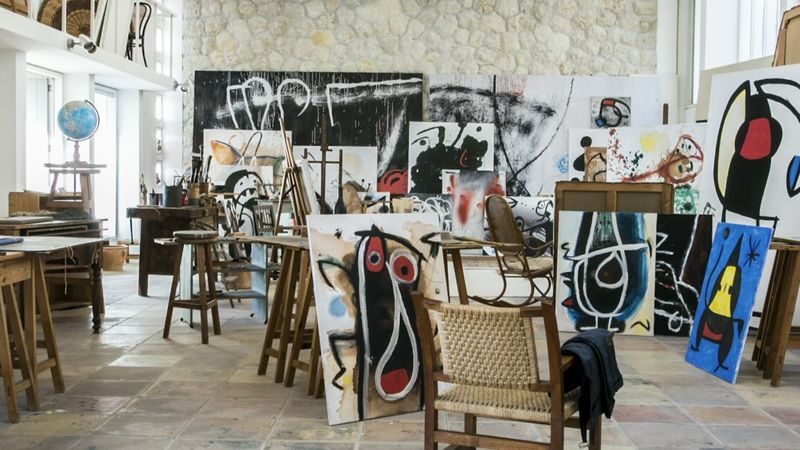
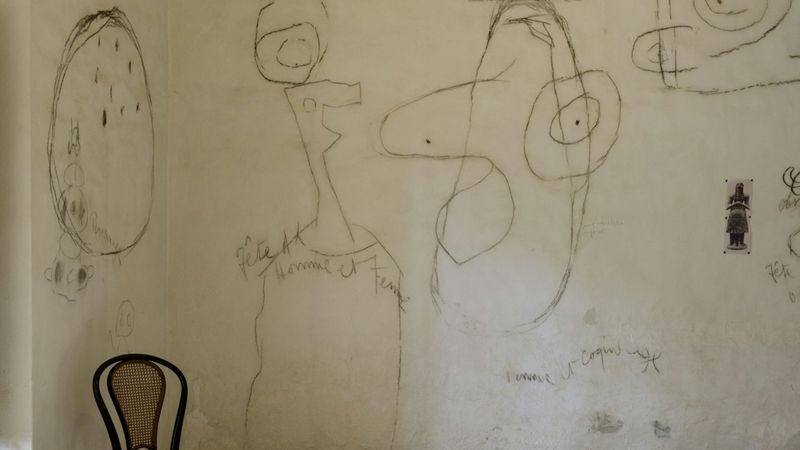
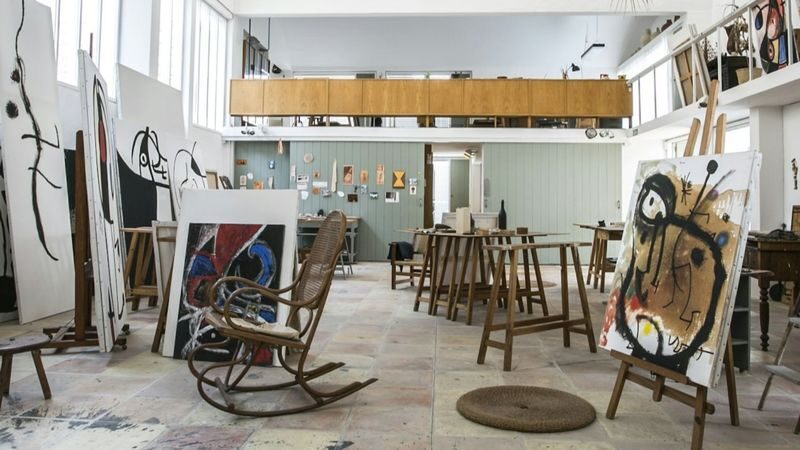
The foundation offers something a standard art museum cannot: a chance to see Miró’s work in the context of his working life. The Sert Studio and Son Boter are preserved as he left them, so the experience is not just about looking at finished pieces. You get a sense of the places in which he developed them.
That distinction matters if you enjoy seeing how artists work, not only what they produce. A studio can make an artist’s methods feel more immediate, though you should not expect a guided explanation here. The ticket is for admission, and no guide or audio tour is specified.
The two studios are likely to appeal most to visitors with an interest in process and creative spaces. If you mainly want a broad survey of Miró’s art, the paintings and sculptures elsewhere on the grounds will also matter. The strength of the visit is that these parts sit together, letting you move between the artist’s working environment and the finished work.
The foundation’s own description emphasizes that the studios have been preserved. That makes them a special part of the visit, but it also means you should follow any on-site rules about touching or entering particular areas. The supplied details do not explain which rooms are open for entry, so check signs and staff guidance once there.

👉 See our pick of the 9 Best Workshops And Classes In Mallorca
The Moneo Building puts art and architecture in the same frame
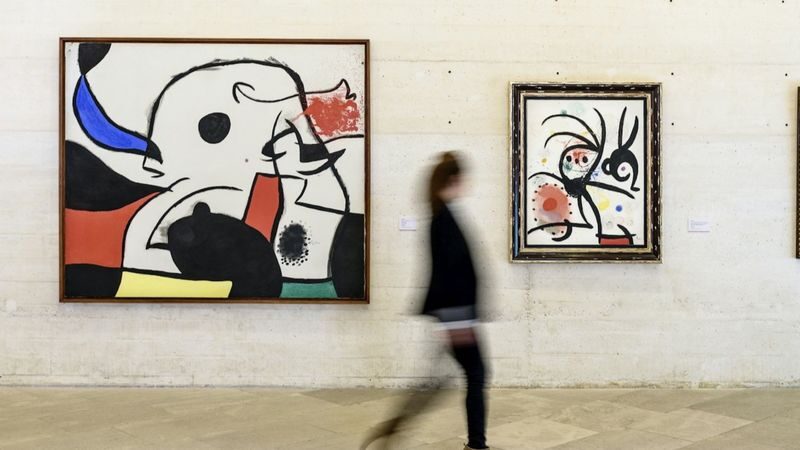
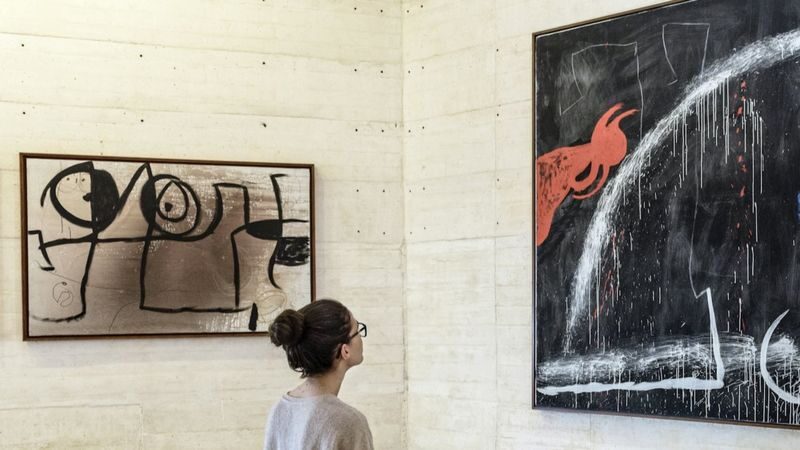
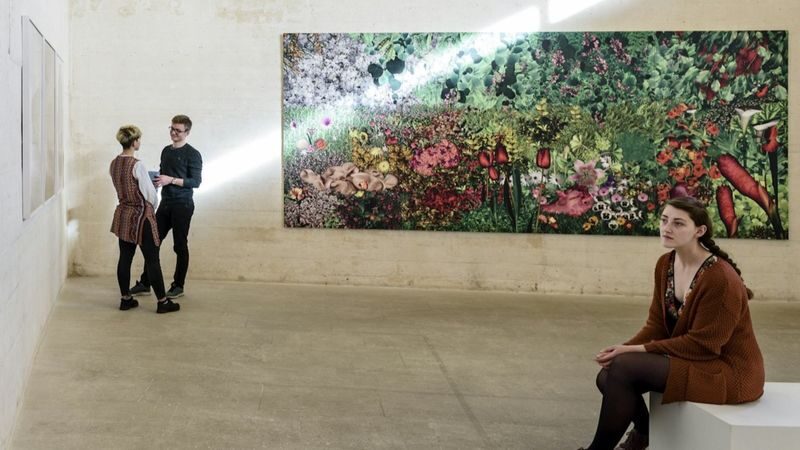
The Moneo Building is another reason to come. It was designed to bring architecture and Miró’s art into conversation, rather than treating the building as a neutral box around the collection. You can look at the setting as well as the work on display.
The collection includes paintings, sculptures, and pieces that explore unconventional techniques. That variety is useful if you are not drawn to one medium alone. You can compare how Miró’s ideas take shape in two and three dimensions, though the available information does not list specific works or guarantee which pieces will be on view.
Temporary exhibitions and cultural events add another possible layer. Their subjects and dates vary, so they are worth checking if you have a particular interest in contemporary art or want to see what is on during your visit. Do not assume that a particular exhibition is included unless it is confirmed for your date.
I would allow time to look carefully rather than treating the foundation as a quick photo stop. The studios, building, collection, and gardens each offer a different angle on the place. There is no duration provided, so your pace will depend on how long you like to spend with the art and whether a temporary show is running.
You can also read our reviews of more tours and experiences in Mallorca


Take a pause in the Mediterranean gardens
The gardens give the visit a calmer counterpoint to the gallery spaces. They are described as Mediterranean gardens, and their setting connects the foundation to Mallorca rather than making it feel like an indoor collection transplanted from elsewhere.
You can use the garden walk as a break between looking at art, or simply as part of the visit. It is also a useful option if you are with someone who enjoys being outdoors as much as being in galleries. The information provided does not specify garden features, so go for the overall outdoor setting rather than expecting a particular sculpture, view, or route.
The foundation’s setting in Cala Major makes it a distinct stop from Palma’s old-town sights. It is at Carrer de Saridakis, 29, in the Ponent district. If you are planning several stops in one day, allow for the bus ride and walk instead of assuming the foundation is right in the historic center.
Plan around the date, the opening hours, and free-entry periods
The ticket costs from $12.35, with admission to the foundation included. Parking and free Wi-Fi are also included. For an art-minded visitor, the price can make sense because it covers the collection, the preserved studios, the Moneo Building, and the gardens in one stop. It is less compelling if you only have a short window and are not especially interested in Miró or modern art.
There are also free-entry periods to consider. No ticket is needed on the first Sunday of every month, or on Saturdays from 15:00 to 18:00 in winter and 15:00 to 19:00 in summer. If your schedule fits one of those times, check the current rules before paying for admission. The stated free-entry hours may affect your choice of date, and the foundation’s own schedule should take priority if details have changed.
The supplied opening schedule gives winter hours as Tuesday to Saturday, 10:00 to 18:00, and Sundays and holidays, 10:00 to 15:00. Summer hours are Tuesday to Saturday, 10:00 to 19:00. Monday is listed as a closing day. The schedule is dated for 2024 and 2025, however, so it should not be treated as current without checking. Last admission is listed as 45 minutes before closing, with visitors asked to leave five minutes before closing.
For transport, take Bus Line 4 to the 69-Joan Miro-Nixe stop, then walk about eight minutes. A parking space is included, which is handy if you are driving, though the information does not specify parking capacity or availability. The site is wheelchair-accessible. The cafeteria is listed as open in March and April, so do not count on it outside those months without confirming.
The voucher is valid only on the date selected, and you redeem it by showing your mobile voucher. Free cancellation is available with at least 48 hours’ notice, based on destination local time. Children aged 0 to 15 enter free but must be accompanied by a paying adult, and they still need to be included in the passenger headcount. Visitors aged 16 and over pay the adult rate. Concession rates are available for seniors aged 66 and over, pensioners, disabled visitors, and Carnet Jove holders with proof; Palma residents can also qualify for a reduced price with valid proof.
Who will get the most from this visit
This foundation suits you if you want to understand an artist through both the work and the place where he made it. The preserved studios are its most distinctive feature, while the Moneo Building and the collection give you more to explore than a studio visit alone.
It is also a good fit if you like moving between indoor and outdoor spaces. You can spend time with paintings and sculptures, then step into the gardens for a change of pace. Families may find the free admission for children up to 15 helpful, though each child must be accompanied by a paying adult.
If you are not interested in modern art, or you have only a few hours in Palma, this may be a lower priority than sights closer to the old town. The location in Cala Major calls for a little planning, and the ticket’s fixed date makes it wise to confirm opening times and transport before booking. The foundation can be a rewarding change of pace from city sightseeing, but it is best approached as a visit in its own right rather than a rushed extra.
Should you book the Fundació Miró Mallorca ticket?
Book if Miró’s art interests you, or if you value seeing an artist’s working spaces as much as the finished pieces. The combination of Sert Studio, Son Boter, the Moneo Building, collection, and gardens gives the visit several distinct parts.
Pause before booking if you are choosing a date near a free-entry period, need to work around current opening hours, or are unsure how much time you want to spend on modern art. Check the foundation’s current schedule and confirm any temporary exhibition that matters to you. At a starting price of $12.35, it is a straightforward art-and-architecture stop, but the real value depends on your interest in Miró and your willingness to make the trip to Cala Major.


Fundacio Miro Mallorca ticket
FAQ
Where is the Fundació Miró Mallorca?
It is at Carrer de Saridakis, 29, in Cala Major, Palma, Balearic Islands.
How do I get there by bus?
Take Bus Line 4 to the 69-Joan Miro-Nixe stop, then walk about eight minutes.
What does the entry ticket include?
It includes admission to the Fundació Miró Mallorca. Parking and free Wi-Fi are also listed as included.
Is the ticket valid on any date?
No. The voucher is valid only on the date selected, and at the selected time if one applies.
When is the foundation open?
The supplied schedule lists Tuesday to Saturday opening and shorter Sunday and holiday hours, with Mondays closed. The schedule covers 2024 and 2025, so check the current hours before you visit.
Are there times when admission is free?
Yes. Admission is listed as free on the first Sunday of each month and on Saturdays from 15:00 to 18:00 in winter or 15:00 to 19:00 in summer.
Do children need a ticket?
Children aged 0 to 15 enter free but must be accompanied by a paying adult. They must still be included in the passenger headcount. Visitors aged 16 and over are charged the adult rate.
Is the foundation wheelchair-accessible?
Yes. The activity is listed as wheelchair-accessible.


