Fort Canning Park is more than a shady hill in central Singapore. It is a place where royal burial grounds, colonial government buildings, old military structures, and botanical gardens share the same ground, and a two-hour guided walk connects those layers.
I like two things about this tour: the route gives you a clear timeline, from Temasek-era stories to British rule, and it mixes landmark stops with gardens and trees. The main drawback is practical: the walk is offered only on weekdays, and the park is not wheelchair- or stroller-accessible.
- What makes this Fort Canning walk worthwhile
- One hill, several chapters of Singapore’s past
- From Farquhar Garden to the Spice Garden
- Raffles House, the lighthouse, and the signals of Government Hill
- Fort Gate, the old magazine, and military remains
- What two hours with a guide adds
- Price, schedule, and getting to the meeting point
- Who should book this walk?
- FAQ
- How long is the Fort Canning Park tour?
- Which days is the tour available?
- Where is the meeting point?
- How do I get to the meeting point by metro?
- Is the tour wheelchair- or stroller-accessible?
- How many people can join the group?
- What is included in the price?
- The Best Of Singapore!
- More Walking Tours in Singapore
- More Tours in Singapore
- More Tour Reviews in Singapore
- Not for you? Here's more nearby things to do in Singapore we have reviewed
What makes this Fort Canning walk worthwhile
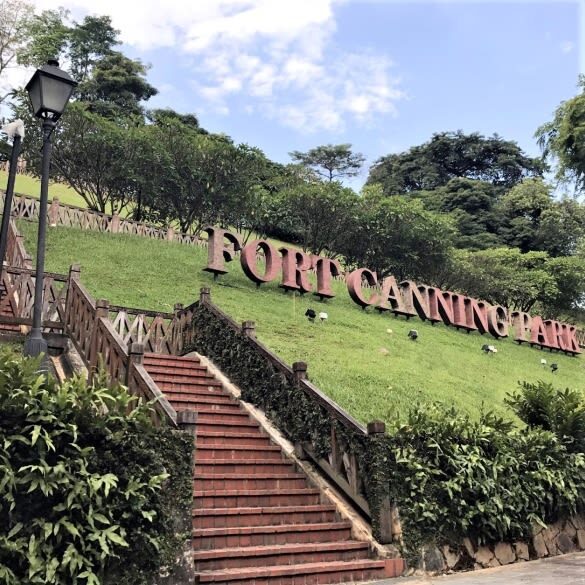
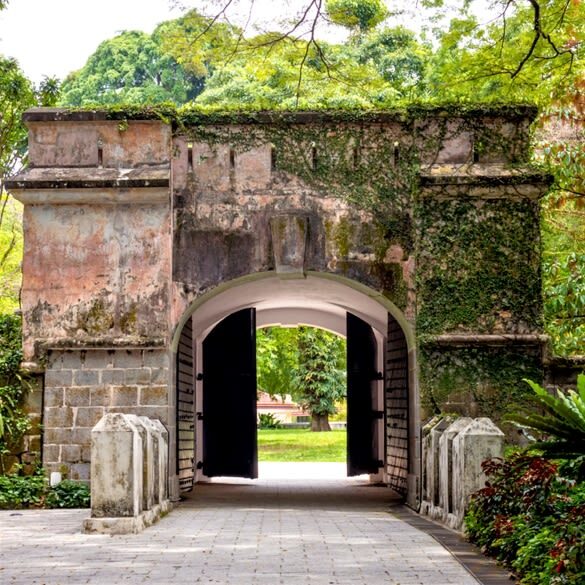
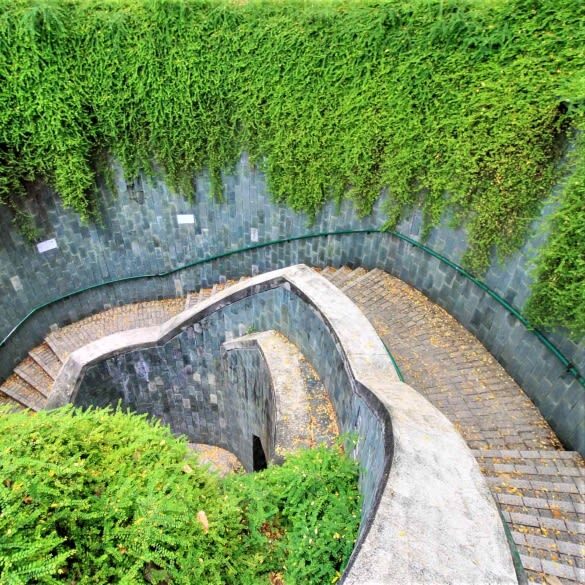
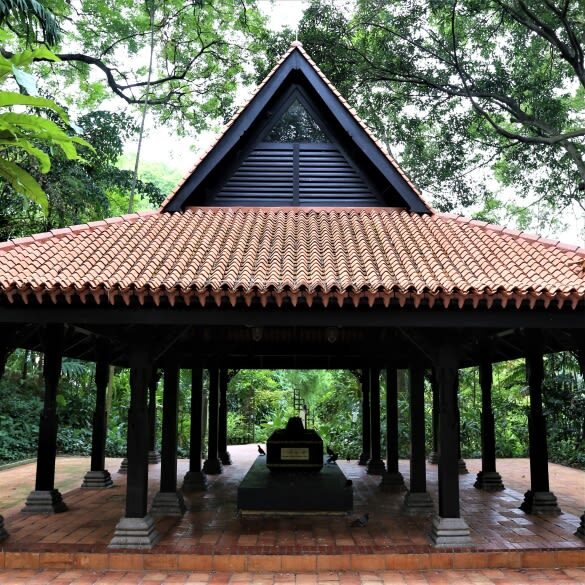
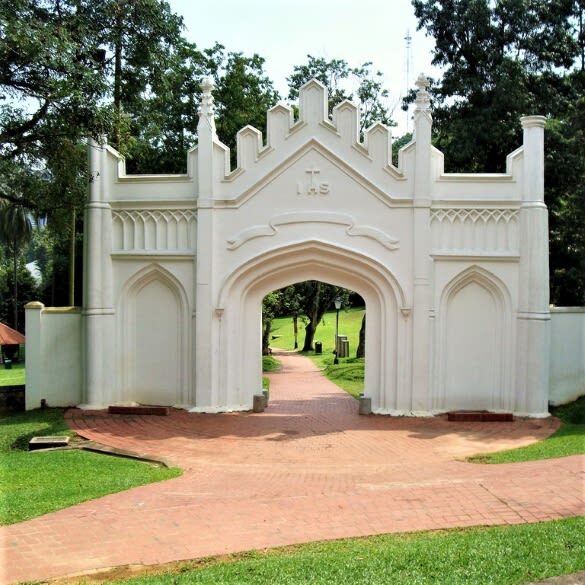
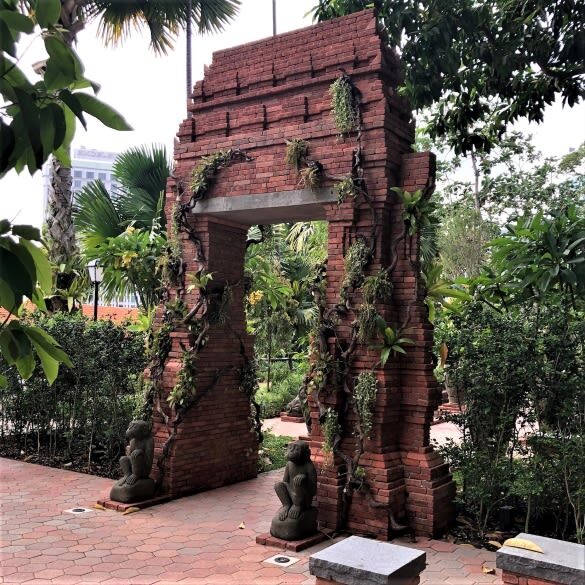
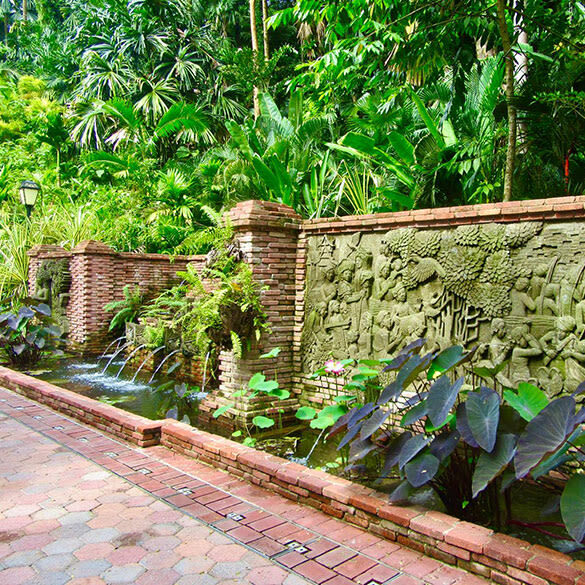
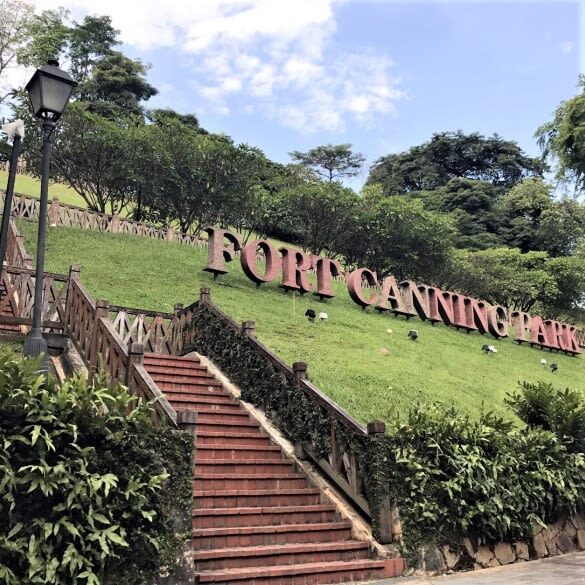
- A hill with several names: Learn how Fort Canning was known as Forbidden Hill and later Government Hill, reflecting its changing role.
- Royal-era stories: The route includes Sang Nila Utama Garden, Five Kings Walk, Pancur Larangan, and Keramat Iskandar Shah.
- A botanical chapter: The Spice Garden occupies the site of Singapore’s first experimental botanical gardens, an initiative of Sir Stamford Raffles.
- Colonial landmarks: See Raffles House, the lighthouse, flagstaff, time ball, Fort Gate, and old military buildings.
- Nature alongside history: Look for notable trees such as the Fig Tree and Rain Tree, plus birdlife, squirrels, bats, and lizards.
- A small-group format: Groups range from 3 to 20 participants, with an English-speaking licensed guide.
👉 See our pick of the 25 Best Guided Tours In Singapore
One hill, several chapters of Singapore’s past
Fort Canning’s appeal is that the park’s layers are close together. In the 1300s, the hill was associated with the rulers of Temasek, a name meaning Sea Town, and with royal burials. Later, British colonial leaders made their residences here, giving the hill its other name, Government Hill. The route lets you consider these changes in place, rather than treating Singapore’s past as a list of dates.
The name Forbidden Hill carries a particular sense of separation from everyday life. The hill was the seat of royalty, and ancient kings were buried there. Pancur Larangan, also called the Forbidden Spring, is believed to be where women of the royal household bathed. Those stories give the park a human dimension, though the tour information does not promise a reconstructed royal setting or a dramatic presentation. Expect a walk through real sites and historical interpretation from your guide.
This is also a good choice if you want to understand how much Singapore’s story is contained in a relatively compact area. Ancient artefacts, colonial-era buildings, botanical history, and military remains all contribute to the park’s character. You will not get the same kind of experience as in a museum, where objects are displayed in rooms with labels. Here, the setting itself helps connect the subjects.
You can also read our reviews of more walking tours in Singapore


From Farquhar Garden to the Spice Garden
The walk begins among named gardens, including Farquhar Garden, the Spice Garden, and Artisan’s Garden. The route then takes in Sang Nila Utama Garden, a stop whose name points back to the park’s royal-era associations. These gardens offer a useful contrast with the forts and military features later on: Fort Canning is not only a historical site, but also a green public park.
The Spice Garden has a particularly strong link to Singapore’s botanical story. It sits on the site of the country’s first experimental botanical gardens, an initiative of Sir Stamford Raffles, who is associated with the founding of modern Singapore. The garden gives that history a tangible setting. Rather than treating botany as a side note, you can see how plant study became part of the hill’s story.
Beyond the Spice Garden, the park includes trees and plants such as the magnificent Fig Tree, the Rain Tree, and the Bird’s Nest Fern. Bird-watching is popular here, and squirrels, bats, and lizards are among the park’s better-known animal inhabitants. You may not see every species during a two-hour walk, of course, but the natural setting is part of what makes the route varied. If you are hoping for a wildlife-focused outing, this is still primarily a history tour.
Raffles House, the lighthouse, and the signals of Government Hill
The route includes Fort Canning Lighthouse, Raffles House, the Time Ball, and Fort Canning Flagstaff. Together, these stops turn the colonial chapter into more than a discussion of governors and residences. They point to the ways the hill was used and marked during British rule.
Raffles House links the park to Sir Stamford Raffles, whose house stood at Fort Canning during his last visit to Singapore. That detail gives the site a personal connection to the figure behind the botanical garden initiative and the founding of modern Singapore. The tour also passes the lighthouse, time ball, and flagstaff, features whose names hint at the hill’s role in navigation and communication. The exact explanation of each stop is best heard from the guide on the day, but their presence makes clear that Fort Canning served practical purposes as well as residential ones.
Five Kings Walk and Pancur Larangan bring the route back to the hill’s earlier associations. The contrast is one of the walk’s strengths: a royal-era story and a colonial-era structure can sit within the same park, but they belong to very different chapters. A guide helps you keep those periods distinct and understand how the hill’s role changed.
Fort Gate, the old magazine, and military remains
The itinerary also includes Fort Gate, the Old Gunpowder Magazine, the Old Married Soldiers Quarters, and a 9-Pound Cannon. These are among the stops that make Fort Canning’s military chapter visible. The names alone suggest a site shaped by defence, storage, and the lives of soldiers, not simply by grand residences.
For history-minded visitors, these remains may be the most concrete part of the walk. You can see how the hill’s function shifted from a royal centre to a colonial seat of government and then to a fort. The tour does not require you to arrive with military knowledge. Instead, use the guide’s explanations to connect the structures to the wider story of Singapore.
The route also includes Keramat Iskandar Shah, Cupolas, Tombstones, Fort Canning Green, and the Gothic Gate. The varied names signal how many kinds of history sit within the park: religious and burial associations, architectural features, open green space, and colonial design. Not every stop will carry equal weight for every visitor, but this range keeps the walk from becoming a single-topic tour.
A long list of stops in two hours means the pace is likely to keep moving. If you prefer to linger for extended periods at each site, you may want to allow extra time in the park before or after the guided walk. The tour is best understood as an introduction that links the landmarks, not as a full day devoted to one building or collection.
What two hours with a guide adds
The English-speaking licensed guide is included, and the tour lasts two hours. That matters at a site with several historical names and periods: a guide can explain why Forbidden Hill and Government Hill refer to different chapters, and how the botanical and military stories fit alongside the royal associations.
A single comment about the experience praised both the enjoyment of the walk and how much the participant learned. That is a useful picture of what this format aims to offer: not just a stroll through a park, but a guided way to make sense of its many layers. No guide’s name is provided, so you cannot request a particular person.
The group size is 3 to 20 participants. That is small enough to feel more focused than a very large group, though a full group of 20 may mean you need to stay close to hear the guide. If you like asking questions as you go, the guided format should be more useful than walking the route alone, especially if you are new to Singapore’s history.
You can also read our reviews of more historical tours in Singapore


Price, schedule, and getting to the meeting point
The tour is listed from US$39.15 for the join-in package, while the experience summary gives a starting price of $45.05. Since those starting figures differ, check the price shown for your selected date and package before booking. Value depends on what you want: the fee covers a two-hour walk with a licensed English-speaking guide, so it is most worthwhile if historical context matters to you. Meals, drinks, tips, personal expenses, and optional onsite costs are not included.
The tour runs Monday through Friday from 4:00 to 6:00 p.m. It is not available on Saturdays, Sundays, or public holidays. Plan your Singapore schedule around that narrow window, and allow time to reach the meeting point before 4:00. You are asked to arrive 10 minutes early at the bus stop along Stamford Road.
Look for a guide holding an Atlas Travelz badge or signboard. By metro, take the Circle Line to Bras Basah Station, use Exit C, and walk about five minutes to the SMU bus stop. By bus, routes 7, 14, 16, 36, 77, 106, 111, 124, 131, 147, 162, 166, 167, 174, 175, 190, 857, and 971 serve the SMU bus stop. The mobile voucher is accepted.
The group size range is 3 to 20 people. The activity is not wheelchair- or stroller-accessible, so it is not a suitable choice if either is needed. Amendments must be made at least seven days before the activity, and cancellations or refunds are not available. The voucher is valid only on the date and time selected, and late arrivals or no-shows cannot be refunded.
Who should book this walk?
I would choose this tour if you want a guided introduction to Singapore’s royal, colonial, and botanical past, and enjoy seeing history tied to actual places. The route’s mix of gardens, military remains, and named landmarks makes it a stronger fit for curious general visitors than for someone seeking a narrowly focused fort tour.
It also suits anyone who wants a structured afternoon activity on a weekday. If you have limited mobility, need stroller access, or can visit only on weekends or public holidays, this is not the right option. And if you mainly want quiet time among trees and wildlife, you may prefer to explore the park at your own pace instead.
Book it if the two-hour weekday slot fits and you value a guide’s historical context. Check the final price for your date, arrive early at the Stamford Road bus stop, and treat the walk as a well-organized overview rather than a chance to linger at every landmark.
Walk Through 700 Years of History at Fort Canning Park
“enjoyed so much and learned so much during the tour”
FAQ
How long is the Fort Canning Park tour?
The guided walk lasts two hours, from 4:00 to 6:00 p.m.
Which days is the tour available?
It runs Monday through Friday. It is not available on Saturdays, Sundays, or public holidays.
Where is the meeting point?
Meet at the bus stop along Stamford Road. Arrive 10 minutes before the scheduled start and look for a guide with an Atlas Travelz badge or signboard.
How do I get to the meeting point by metro?
Take the Circle Line to Bras Basah Station, use Exit C, and walk about five minutes to the SMU bus stop.
Is the tour wheelchair- or stroller-accessible?
No. The activity is not wheelchair- or stroller-accessible.
How many people can join the group?
The group size is 3 to 20 participants.
What is included in the price?
The package includes a two-hour tour with an English-speaking licensed guide. Meals, beverages, personal expenses, tips, and optional onsite expenses are not included.