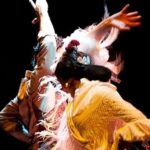
Flamenco here is not a stage spectacle viewed from a safe distance. In a compact theater, you can watch dancers’ footwork, hear the guitar and singing at close range, and feel the force of the performance in the room. I like the live combination of dance, song and guitar, and the chance to add a museum visit that puts the art form in context.
The museum and show tickets give you a useful before-and-after experience: first learn a little about flamenco, then see its movement and music take shape on stage. One consideration is seating. It is arranged by arrival order, and the small room can feel cramped, so arriving early matters if you want a better view.
- Key points to know
- A Seville flamenco show at close range
- Visit the museum before the curtain
- How the performance unfolds
- Seats, timing and the small-theater trade-off
- What the tickets cost, and what you get
- Getting there and planning your visit
- Who will enjoy this most?
- Should you book the Flamenco Show?
- FAQ
- How long does the experience take?
- What is the difference between the ticket options?
- When should I arrive for the show?
- What are the museum’s opening hours?
- Can children attend?
- Is the venue wheelchair-accessible?
- The Best Of Seville!
- More Museum Experiences in Seville
- More Tours in Seville
- More Tour Reviews in Seville
- Not for you? Here's more nearby things to do in Seville we have reviewed
Key points to know
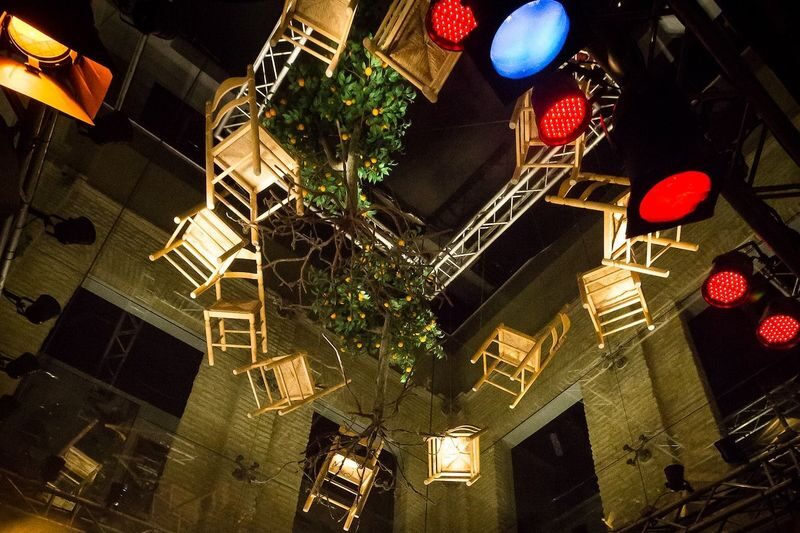
- A close-up performance: The theater is small, so you can see the dancers’ steps and expressions clearly, though some seats have less favorable sightlines.
- Live music and singing: The show brings dancers together with guitar and vocal performers, not just recorded accompaniment.
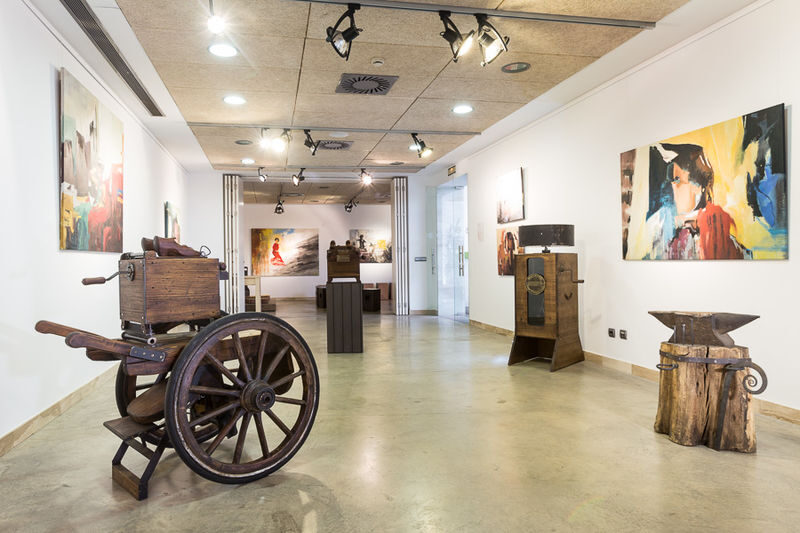
- Museum plus show: The combined ticket lets you see exhibits on flamenco’s development, with videos and displays that include costumes, paintings and props.
- Arrive early for seats: You are advised to be at the show 30 minutes before it starts. Seating is assigned in arrival order, and earlier arrival may improve your choice.
- Different ticket prices: The show-only option starts at US$32.49, while the museum-and-show option starts at US$36.99. The displayed overall starting price is US$35.75, so check the selected package and date.
- Plan for a compact venue: The theater is intimate, and seating can feel tight. Photography and video are not allowed during the performance.

👉 See our pick of the 25 Best Guided Tours In Seville
A Seville flamenco show at close range
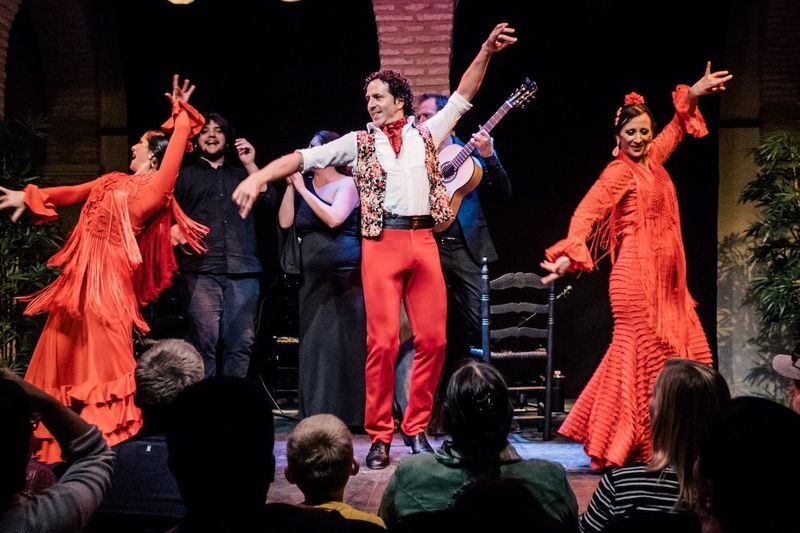
Flamenco makes the most sense when you can watch the details: a dancer’s posture, a sudden stamp, a change in expression, the guitarist’s response to the singer. This performance at the Museo del Baile Flamenco puts those elements together in a small theater at Calle Manuel Rojas Marcos, 3.
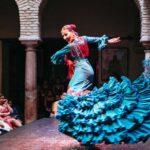
The format is simple and focused. You can expect dancers, singers and a guitarist sharing the stage, with the show lasting about an hour. The specific performers and number of pieces can vary, but performances have included three dancers, two singers and one guitarist. The result is a live art form rather than a museum demonstration: movement, music and voice all matter.
I like that the show does not depend on understanding Spanish. The singers’ delivery and the dancers’ physical expression carry much of the emotion, while the guitar gives the performance its musical backbone. You may not follow every lyric or convention, but you can still notice changes in pace, mood and intensity.
The room’s scale is part of the appeal. You are not watching tiny figures from the back of a large auditorium. At the same time, closeness has a practical downside: seats are compact, and a person in front of you may affect your view. If you are sensitive to loud sound, consider sitting farther back.
You can also read our reviews of more museum experiences in Seville


Visit the museum before the curtain
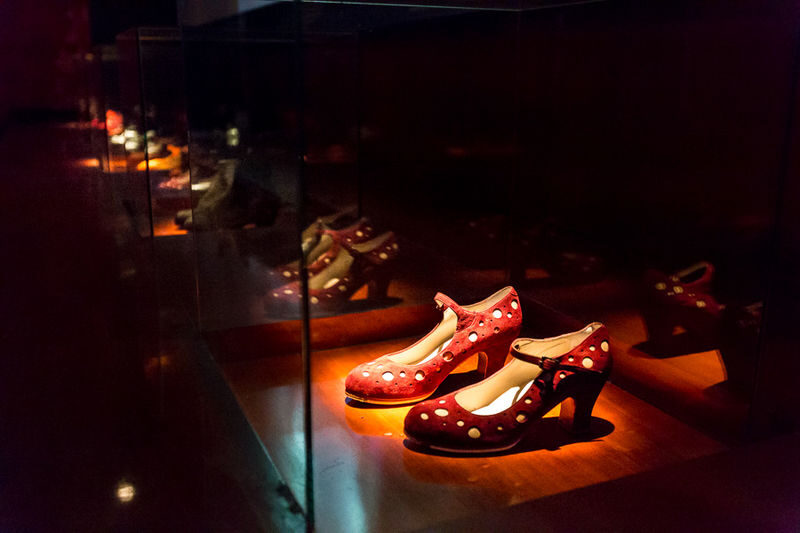
The combined ticket is a good fit if you want more than an evening show. The museum traces flamenco’s evolution and its recognition by UNESCO as Intangible Cultural Heritage. Its exhibits include video material and displays of costumes, paintings and props, with information presented in multiple languages.
Allow roughly 40 minutes to see the museum at a relaxed pace, though your visit may take more or less time depending on how closely you read and watch. The museum is open daily from 10 a.m. to 6 p.m. The show ticket time is for the performance, so you can visit the museum beforehand rather than trying to fit it in afterward.
The museum is not large, so keep your expectations in proportion. It is an introduction, not a full-day cultural institution. I see its main value in giving you a frame for the performance: a little history and visual context can make it easier to notice the costume, gestures and musical roles on stage.
You can also choose the show-only ticket if the museum is not a priority. The price difference between the listed starting rates is modest, but the better option depends on your schedule and interest. If you have time before the show, the museum adds context without requiring a separate trip across town.
How the performance unfolds
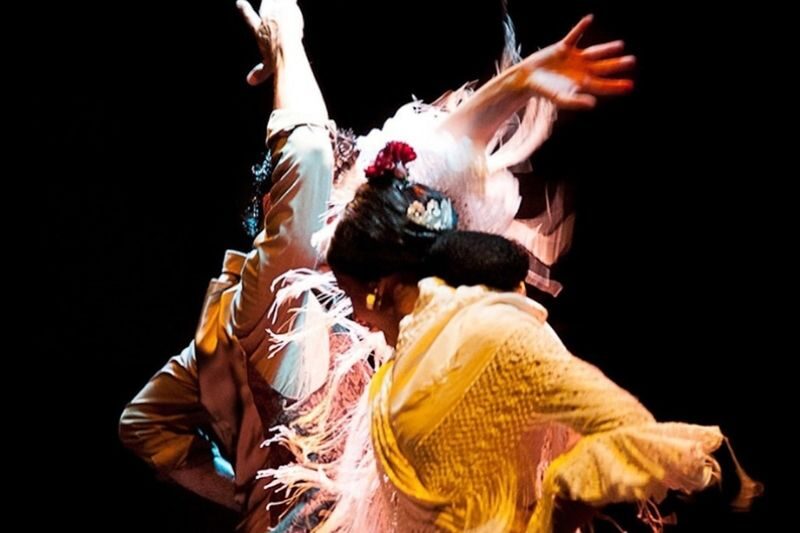
Expect an approximately one-hour show built around several dancers and live musicians. The performances can include group dancing and solo moments, with both men and women taking the stage. The pace and mood shift, from forceful footwork to more restrained, expressive passages.
The guitar and singing are not background decoration. They give the dancers material to respond to, and the exchanges between performers are a large part of the experience. If you focus only on fast steps, you miss the quieter details: a change in stance, a held expression, or the way a performer marks the rhythm before the next burst of movement.
The show is physical and can be loud. That energy is part of the point, but it may not suit every mood. Some people find the later part less engaging than the opening, especially if they are tired or unfamiliar with the form. If you want to arrive alert, consider the timing of your show rather than booking the latest performance simply because it fits your sightseeing day.
Photography and video are not allowed during the performance. That rule can disappoint if you hoped to record a keepsake, but it also encourages you to watch rather than hold a phone in front of the stage. Put the camera away and follow the dancers’ timing, expressions and interaction with the musicians.
Seats, timing and the small-theater trade-off
The selected time on your ticket refers to the show, and the venue advises you to arrive 30 minutes before it begins. Seating is arranged in arrival order. If a front or central seat matters to you, treat the arrival time as a minimum, not a guarantee. Some people arrive earlier, and a popular show can fill up.
The room is small enough that even seats toward the back are not many rows from the stage, but that does not mean every seat offers the same view. Sightlines can be affected by the person in front, and some seats may be off to the side. Arriving early gives you a better chance to choose, though it cannot promise a particular spot.
The intimacy also means you see and hear the performers at close range. One practical detail: the physical effort is real, and a front-row seat may put you very near the dancers. If you prefer a little distance, or find a loud performance uncomfortable, choose a seat farther back if available.
What the tickets cost, and what you get
The show-only ticket starts at US$32.49, while the museum-and-show ticket starts at US$36.99. The activity’s overall starting price is also listed as US$35.75, so prices can vary by package or selected date. Check the exact option before booking rather than assuming the lowest displayed rate includes both parts.
For the small difference between the listed package prices, museum admission is worthwhile if you have time to use it. The show is the main event, but the exhibits make the ticket feel more complete and help connect the performance to the art form’s history. If you only want a live cultural performance and have a packed schedule, the show-only ticket is a reasonable choice.
There may be alcoholic drinks available to buy during the performance, including beer or sangria. They are not part of the ticket price. Keep the main value calculation focused on the live show, and treat any drink as an optional extra.
You can also read our reviews of more tours and experiences in Seville


Getting there and planning your visit
The venue address is Calle Manuel Rojas Marcos, 3, in central Seville. Bus C5 stops at Jesús de Las Tres Caídas. The museum’s daily opening hours are 10 a.m. to 6 p.m., while your ticket’s selected time is for the show.
Bring your mobile voucher and present it on arrival. The activity is wheelchair-accessible. Children aged 0 to 5 enter free but must be with a paying adult; children aged 13 and older pay the adult rate. Student and disabled tickets require valid documentation at the venue, and bookings are limited to three tickets per time slot.
The voucher is valid only for the selected date and, where applicable, time. You can cancel for a full refund if you do so at least 24 hours before the activity, using destination local time. Those details are worth checking if your Seville plans are still shifting.
Who will enjoy this most?
I would choose this for a first flamenco performance, especially if you want a live show without committing to a long evening. The format is focused, the theater is close to the stage, and the musicians and dancers make the art form accessible even if you do not speak Spanish.
The museum option suits anyone who likes having context before seeing a performance. It is also a sensible choice if you have an open hour before showtime and want to make the most of the venue. If your main interest is dance and music, the show-only ticket keeps the visit simple.
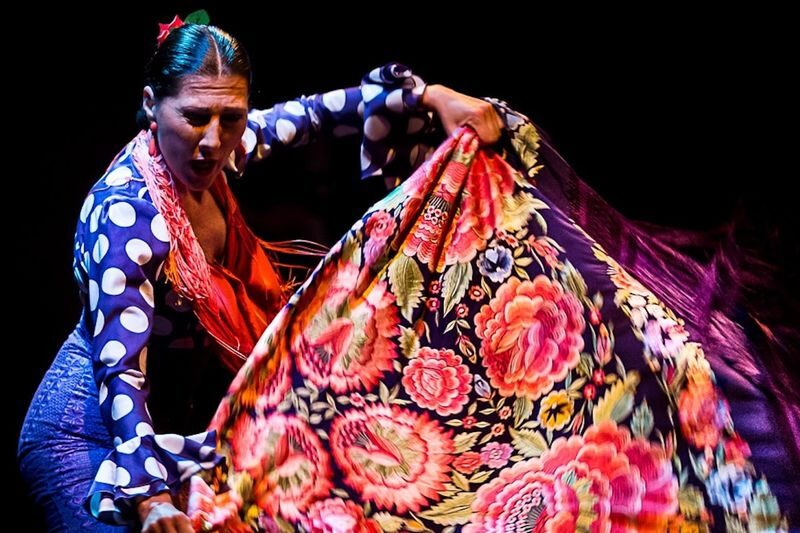
Families can attend, but the performance is loud and the theater is compact. Consider whether younger children are likely to sit through an hour without distraction. For older children, the mix of fast footwork, live music and vivid costumes may hold attention, though the experience depends on their interest in performance.
Should you book the Flamenco Show?
Book it if you want to see flamenco performed live in Seville, with dancers, singers and guitarists close enough to watch the details. Add the museum if you have time and would value a short introduction to the art form. The show is the stronger reason to go; the museum is a useful extra rather than a substitute for it.
Choose another plan if you need spacious seating, a quiet performance or the freedom to take photos. Otherwise, arrive early, keep your phone away, and give the performers your full attention. That is the best way to get value from this compact, lively evening.
The Flamenco Show with optional Dance Museum Admission in Seville
“1. Admission is 40 minutes prior for front seating. 2. The seats are cramped. 3. The dancer's sweat splashes. 4. High level of skill.”
FAQ
How long does the experience take?
The activity is listed as lasting 1 to 2 hours. The flamenco show lasts about one hour, and the museum visit is additional time if you choose the combined ticket.
What is the difference between the ticket options?
The Flamenco Show Ticket includes admission to the performance. The Flamenco Museum and Show Ticket includes admission to both the museum and the show.
When should I arrive for the show?
Arrive at least 30 minutes before the performance. Seating is arranged in arrival order, so arriving earlier may give you a better choice of seats.
What are the museum’s opening hours?
The museum is open every day from 10 a.m. to 6 p.m. The time selected for your ticket is the show time, so you may visit the museum before the performance.
Can children attend?
Children aged 0 to 5 enter free when accompanied by a paying adult. Children aged 13 and older are charged the adult rate.
Is the venue wheelchair-accessible?
Yes. The activity is listed as wheelchair-accessible.