Vietnamese coffee is more than a strong cup and a layer of condensed milk. At Lacàph’s workshop, you handle the beans, brew coffee yourself and follow short films that connect coffee to places such as Hà Nội, Đà Lạt and Chợ Lớn. The class takes place at a District 1 coffee space, not on a farm or in a street café.
I like the hands-on brewing, which lets you compare a phin with a filter method, and the small-batch roasting demo, where you can hear the beans crackle and smell them as they roast. One thing to consider: this is a seated, indoor class with several video segments, so it may feel less lively if you want a walking tour or dislike screen time.
- What makes this coffee class worth considering
- A coffee workshop, not a city tour
- Start by using more than your sense of taste
- Make coffee with a phin and a filter
- Hear the beans crackle during the roast demo
- Follow coffee stories from Hà Nội to Chợ Lớn
- A useful lesson, with a clear sales element
- What the price buys you
- Getting there and checking the practical details
- Should you book this Lacàph workshop?
- FAQ
- How long is the workshop?
- Where does the experience take place?
- Is transportation included?
- What coffee brewing methods are included?
- What food and drink are included?
- Is there a roasting activity?
- What language is the workshop in?
- What is the minimum age?
- Can the venue accommodate wheelchairs or strollers?
- Can vegan diets be accommodated?
- More Coffee Experiences in Ho Chi Minh
- More Tours in Ho Chi Minh
- More Tour Reviews in Ho Chi Minh
- Not for you? Here's more nearby things to do in Ho Chi Minh we have reviewed
What makes this coffee class worth considering
 1 / 10
 2 / 10
 3 / 10
 4 / 10
 5 / 10
 6 / 10
 7 / 10
 8 / 10
 9 / 10
 10 / 10
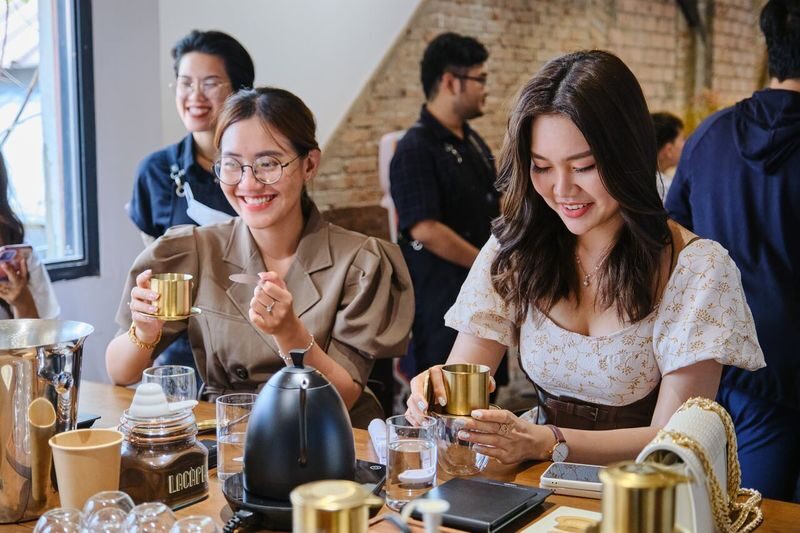
- Brew with a phin and a filter: Make two styles of coffee with Vietnamese beans and see how brewing changes the cup.
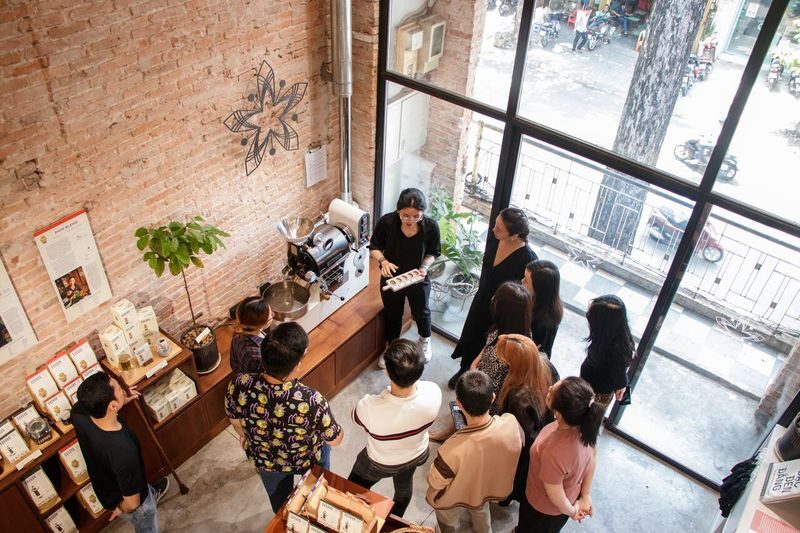
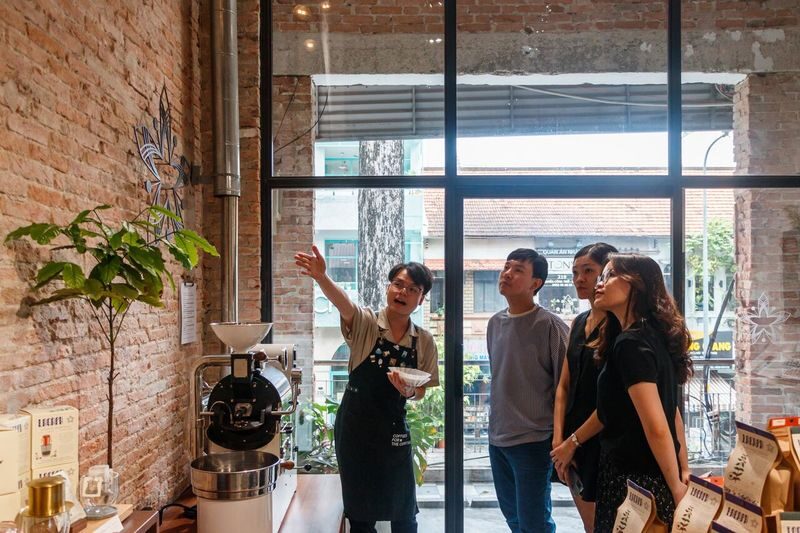
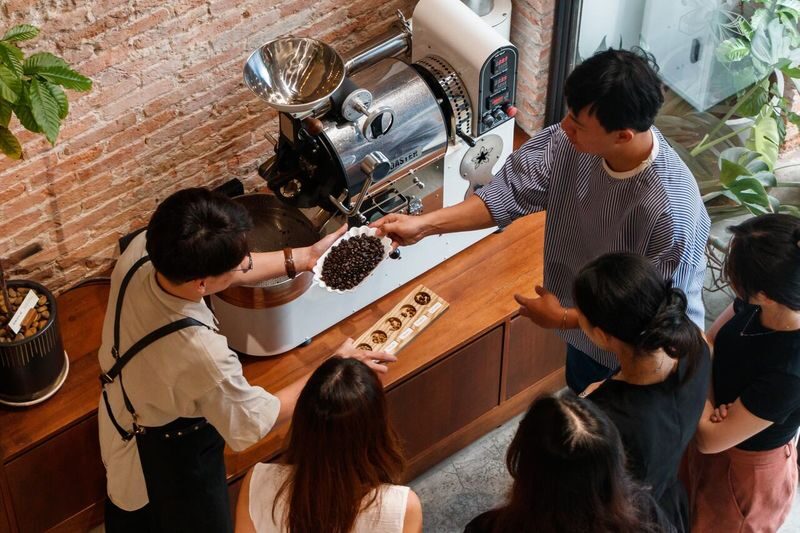
- Watch a small roast up close: The instructor demos a batch of Lacàph Phin Blend, with the beans’ crackling sounds and aroma as part of the lesson.
- Pair coffee with local snacks: Filter coffee comes with mung bean cake, while phin coffee is served with cocoa-coated cashews.
- Learn beyond the cup: Short films and instruction cover coffee’s place in Vietnamese life, with stories connected to Hà Nội, Đà Lạt and Chợ Lớn.
- Expect a compact indoor workshop: The meeting and return point are the same District 1 venue, and the listed session runs from 10:00 to 12:30.
A coffee workshop, not a city tour
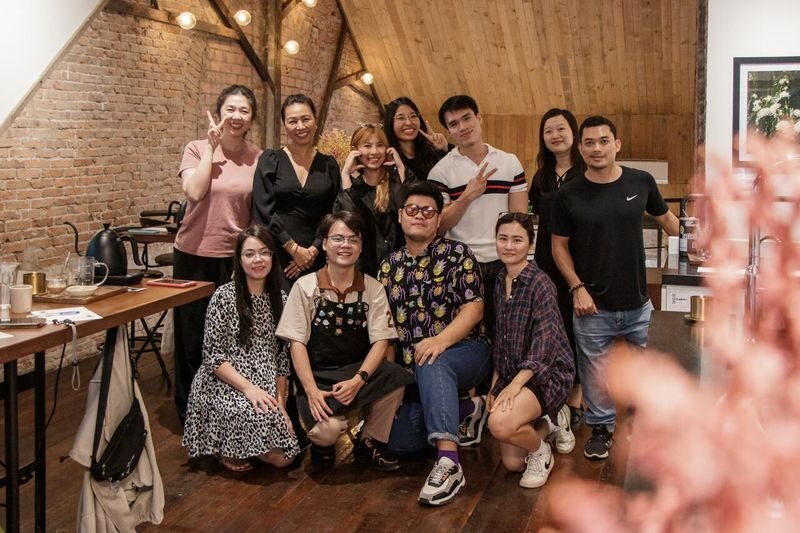
The name promises culture as much as coffee, and that balance is the point. You stay at Lacàph Coffee Experiences Space, upstairs at 220 Nguyễn Công Trứ in District 1. There is no hotel pickup, transport between stops or visit to a coffee farm.
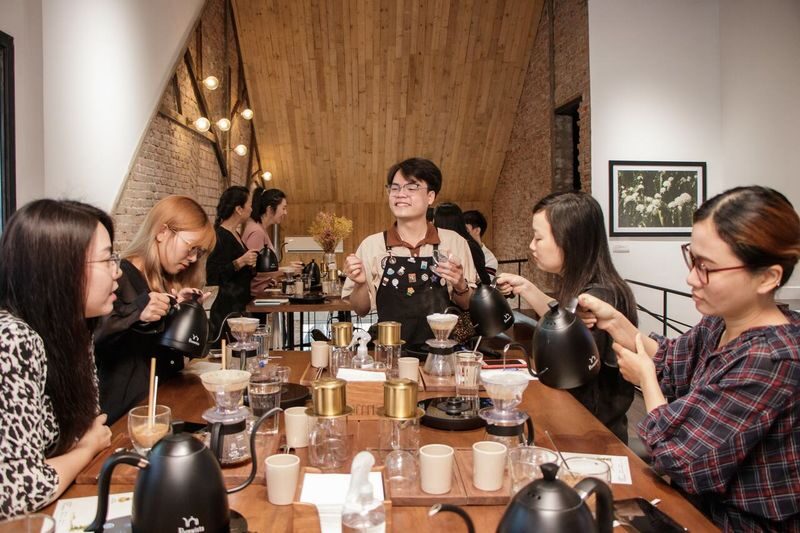
The experience is structured as a workshop: an introduction, sensory activities, instruction and practice, a roasting demonstration, tastings and films. The listed schedule shows a 10:00 start and a 12:30 return, so allow about two and a half hours. The exact session time is confirmed after booking, and the operator notes that schedules can shift with traffic and weather.
That format suits a city visit. You can set aside a morning to learn something you can take home, without committing half a day to transport. The trade-off is that you see coffee’s origins through films and explanations rather than by walking among coffee plants or meeting farmers in person.
You can also read our reviews of more tours and experiences in Ho Chi Minh.



Start by using more than your sense of taste
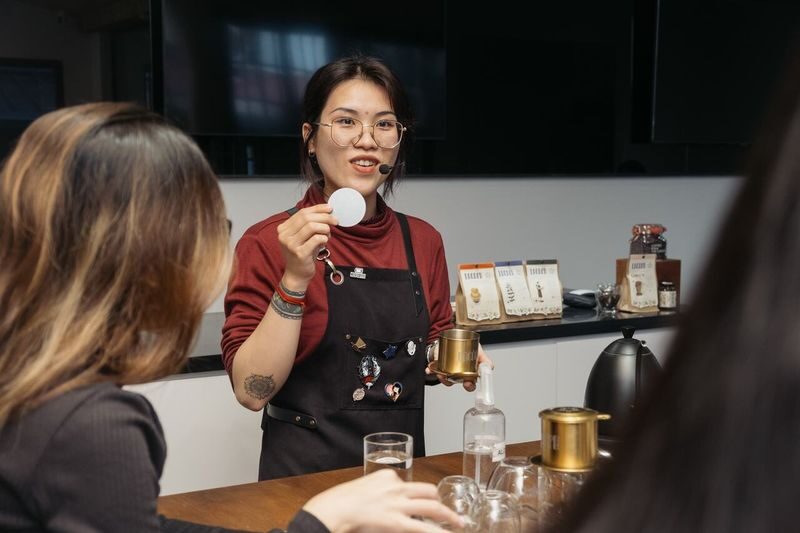
The workshop opens with a multi-sensory activity intended to get you noticing coffee before you start brewing. Smell and sight matter here, as do sound and touch. That approach is useful because coffee can be easy to reduce to a strong or mild cup, when the bean, roast and brewing method all shape what you taste.
The class is designed to move from general ideas to practical work. You are not just handed a drink and told what it is. The instructor introduces Vietnamese coffee and its cultural role, then guides you through brewing and tasting. English-speaking staff and an English- or Vietnamese-speaking guide are included, and the sessions are taught by professional instructors.
The instructor is a big part of the experience. Sessions have been led by people including An, Vi, Sierra, Joey, Siu and Ngoc. Their teaching styles may differ, but the class is built around explanation and questions. If you are curious about coffee varieties, brewing choices or how the drink fits into daily life, this is a good place to ask.
Make coffee with a phin and a filter
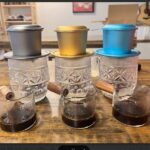
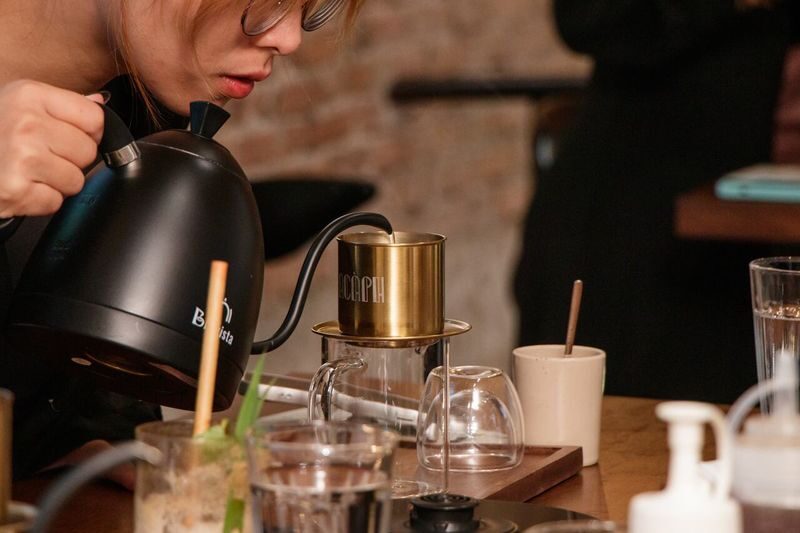
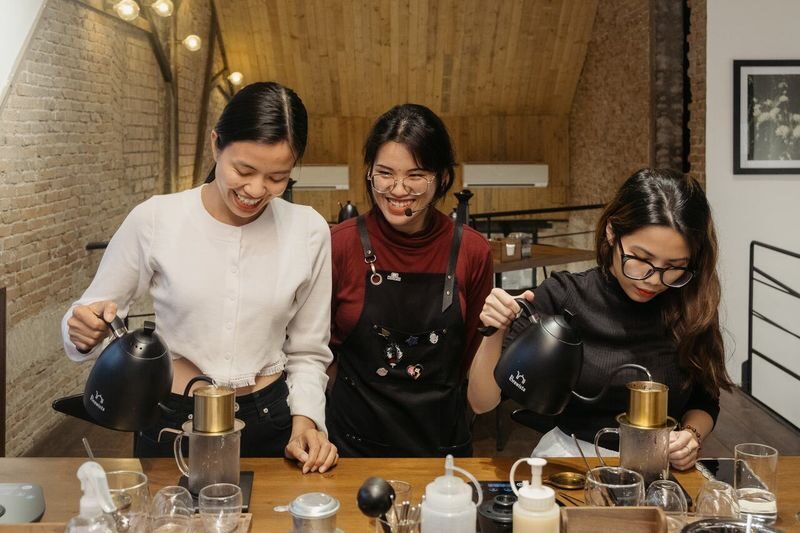
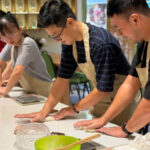
The practical core is brewing two Lacàph blends using different methods. You work with a Vietnamese phin brewer and a filter method, commonly described by participants as a V60 pour-over. The contrast helps explain why the same broad category of drink can have different aromas, body and pace of preparation.
The phin is a small metal brewer that sits over a cup. It offers a close look at a familiar Vietnamese method, where the coffee drips through gradually. The filter method gives you another way to prepare coffee and compare the results. The point is not to declare one method best, but to notice how technique and coffee choice affect the cup.
You will also taste the Lacàph Filter Blend with bánh đậu xanh, a mung bean cake, and the Lacàph Phin Blend with cocoa-coated cashews. Those pairings give the lesson a distinctly local snack break and help make tasting less abstract. This is a good activity for someone who enjoys trying small differences in flavor, even if they are not a serious home barista.
The listed package focuses on these two brewing styles. Some past classes have also included discussion of flavor evaluation and other coffee preparations, but do not book expecting a specific drink, such as salted coffee or egg coffee, to be part of this session. Lacàph offers other coffee activities, but they are separate experiences.
Hear the beans crackle during the roast demo
The small-batch roast demonstration adds a sensory moment that a standard tasting often misses. The instructor roasts a small amount of Lacàph Phin Blend, and you can listen for the beans cracking and take in the changing aroma. It is a demonstration, not a full roasting course, but it makes the path from green coffee to brewed cup easier to picture.
The roast also provides a practical link between the lesson’s different stages. You have already been asked to pay attention to smell and flavor; now you can see and hear one step that changes a bean before it reaches the brewer. If you have never watched coffee roasting up close, this is likely to be one of the most memorable parts.
Keep expectations in proportion. You are not promised a farm visit, an extended roasting practicum or a chance to take home a batch you roasted yourself. The emphasis is on watching and understanding the process as part of a broader introduction.
Follow coffee stories from Hà Nội to Chợ Lớn
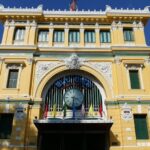
The films add context that the short class could not cover through demonstration alone. The mini-documentary series moves among Hà Nội, Đà Lạt and Chợ Lớn in Sài Gòn, linking different places and stories to Vietnamese coffee. The stated aim is to show the people and communities behind the drink, not just the steps involved in making it.
That context matters because coffee is both an everyday habit and an agricultural product. A visitor can order a phin coffee in a café without knowing much about where beans are grown or how coffee became part of local life. Here, the films and instructor’s explanations help connect the cup to geography, culture and livelihoods.
There is a limit to this format. You remain in the workshop room, and the videos take up part of the session. If you learn best by moving around or talking with people face to face, the screen segments may feel long. One participant found the final film unnecessary, so this is not the ideal choice if you want nonstop hands-on activity. Still, the visual material can bring in places you would not reach during a short stay in Ho Chi Minh City.

A useful lesson, with a clear sales element
Lacàph is a coffee company, and the workshop takes place in its own coffee space. The session includes branded blends and equipment, and the shop sells coffee and tools. That is relevant to the value calculation: this is an educational experience run by a business that also wants you to like its products.
Most of the lesson is still practical and cultural, but it is fair to expect some attention to Lacàph’s own coffee. If you are comfortable learning through a company’s products, the setup can be useful: you try the blends and equipment in the same context where you can ask questions. If you want a neutral class comparing many unrelated roasters, this is not that.
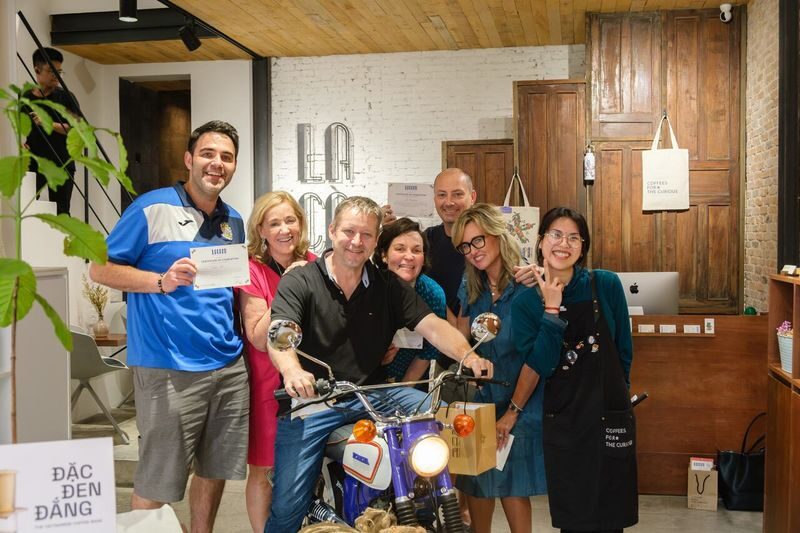
You do not need to buy anything to take part. The workshop includes the materials and tastings described in the package. Some sessions have ended with a small keepsake, such as a certificate, photograph or souvenir, but those extras are not all listed as guaranteed inclusions, so treat them as a possible bonus rather than part of the price calculation.
What the price buys you
The experience is advertised from US$26.59, while the package information also gives a starting price of US$33.20. Prices can differ by booking details or platform display, so check the amount shown for your selected date before paying. At either price, the value rests on the instructor’s time, the guided brewing, the roast demonstration, the films and the coffee-and-snack pairings.
For a quick overview of Vietnamese coffee, that is a reasonable use of a morning, especially if you are likely to keep using a phin or filter brewer after the trip. You are paying for a guided introduction and hands-on practice, not transport, a meal or a field trip. A café visit costs less, but it will not usually give you the same step-by-step explanation.
The workshop is also a good choice if coffee is a shared interest in your group. It is not reserved for experts: a non-coffee drinker can still follow the cultural and brewing sections, though the tasting naturally gives coffee fans more to savor. The included drinks add up, so be ready for caffeine. One participant described becoming over-caffeinated, and there are several tastings rather than a single cup.
Getting there and checking the practical details
The venue is upstairs at 220 Nguyễn Công Trứ, Nguyễn Thái Bình Ward, District 1. The meeting and return point are the same. The business lists motorbike parking in a basement at 57 Phó Đức Chính Street and car parking at 8 Tôn Thất Đạm Street; neither parking location is operated by Lacàph. You can also reach the venue by local transport or a ride-hailing car, but transport is not included.
Participants must be at least 16. Infants and children must be counted in the passenger headcount, though the activity is not designed for younger children. The space is not stroller- or wheelchair-accessible. The operator says the activity is not recommended for people with high blood pressure, heart disease, other serious medical conditions or for pregnant participants. Vegan diets cannot be accommodated.
Group size is listed as one to 30 people. A solo booking may therefore run with a small group or, at quiet times, as a one-person class. That can make it easier to ask questions, though the social side may be less lively than in a full session. If meeting other coffee fans matters to you, understand that group size can vary.
Should you book this Lacàph workshop?
Book it if you want more than a quick café stop: you get to brew Vietnamese coffee yourself, watch a small roast and learn how coffee connects to place and everyday culture. It is especially suited to coffee lovers, curious beginners and anyone who wants to bring a practical skill home.
Skip it if you are looking for a farm visit, a walking tour, a class devoted to one specialty drink or a screen-free activity. Before you book, check the final price and session time, and be realistic about the caffeine and accessibility limits. If those details work for you, this is a focused and approachable way to make a morning in District 1 count.
Hands-on Discovery of Vietnamese Coffee & Culture
“The experience was amazing. I learned a lot about Vietnamese culture and history. Noah was incredible!”
FAQ
How long is the workshop?
The listed session runs from 10:00 to 12:30, about two and a half hours. The exact time is confirmed after booking.
Where does the experience take place?
It takes place at Lacàph Coffee Experiences Space, upstairs at 220 Nguyễn Công Trứ, Nguyễn Thái Bình Ward, District 1, Ho Chi Minh City.
Is transportation included?
No. Hotel pickup, drop-off and transport are not included. The workshop begins and ends at the Lacàph space.
What coffee brewing methods are included?
You brew coffee using a Vietnamese phin brewer and a filter method. The package includes Lacàph blends for both preparations.
What food and drink are included?
The package includes filter coffee with mung bean cake and phin coffee with cocoa-coated cashews.
Is there a roasting activity?
Yes. The instructor demonstrates a small-batch roast of Lacàph Phin Blend. The activity is described as a demonstration, not a full roasting course.
What language is the workshop in?
English-speaking staff and an English- or Vietnamese-speaking guide are included.
What is the minimum age?
Participants must be at least 16 years old. Infants and children must be included in the passenger headcount.
Can the venue accommodate wheelchairs or strollers?
No. The activity is not wheelchair- or stroller-accessible.
Can vegan diets be accommodated?
No. The operator says the activity cannot accommodate vegan dietary requirements.