Dhulikhel, Namobuddha and Panauti make a satisfying day away from Kathmandu: mountain views, a major Buddhist monastery and a Newari town with Hindu temples, all in one private outing. The route gives you a feel for the valley’s variety without asking you to change hotels or plan several separate trips.
I like the contrast between Namobuddha’s quiet Buddhist setting and Panauti’s Hindu shrines, and I like that the guide can give these places context rather than leaving you to puzzle over their meaning. One thing to weigh: it is a full nine-hour day, and the schedule may shift with traffic and weather. Monument entrance fees and meals are not included.
- At a glance: three stops, three different moods
- Start in Dhulikhel, where the valley opens up
- Namobuddha’s monastery and sacred sites
- Panauti’s temples and riverside heritage
- What the guide adds to the day
- Nine hours on the road: who will enjoy the pace
- What the price covers, and what it does not
- Practical details before you book
- Should you book the Dhulikhel, Namobuddha and Panauti tour?
- FAQ
- How long is the tour, and what time does it start?
- Is hotel pickup included?
- Which places does the tour visit?
- Are meals and entrance fees included?
- Can children join the tour?
- Is the tour wheelchair- and stroller-accessible?
- The Best Of Kathmandu!
- More Tours in Kathmandu
- More Tour Reviews in Kathmandu
- Not for you? Here's more nearby things to do in Kathmandu we have reviewed
At a glance: three stops, three different moods
 1 / 8
 2 / 8
 3 / 8
 4 / 8
 5 / 8
 6 / 8
 7 / 8
 8 / 8
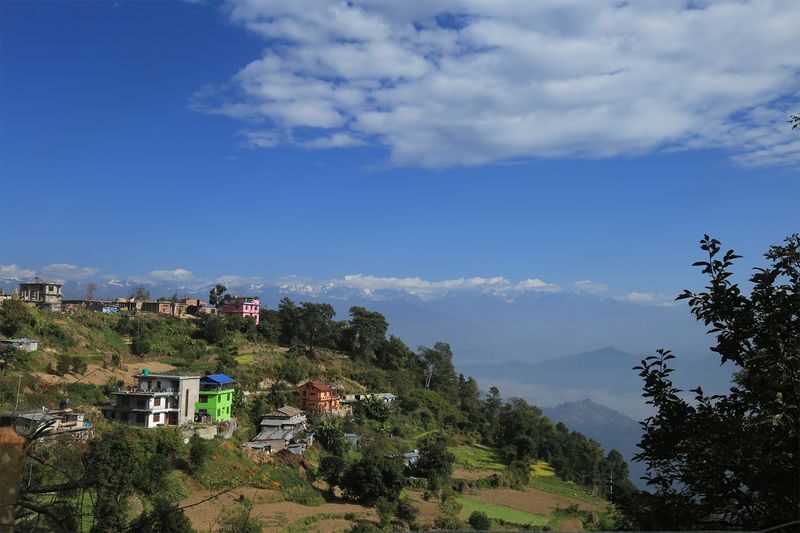
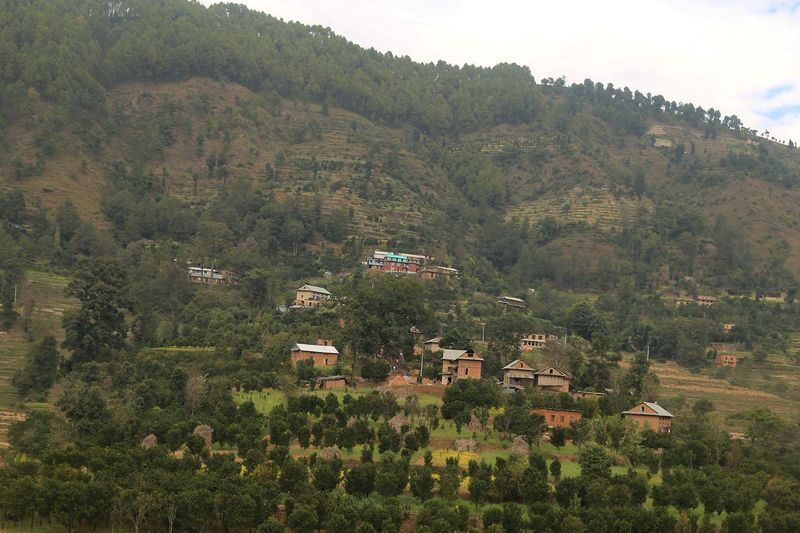
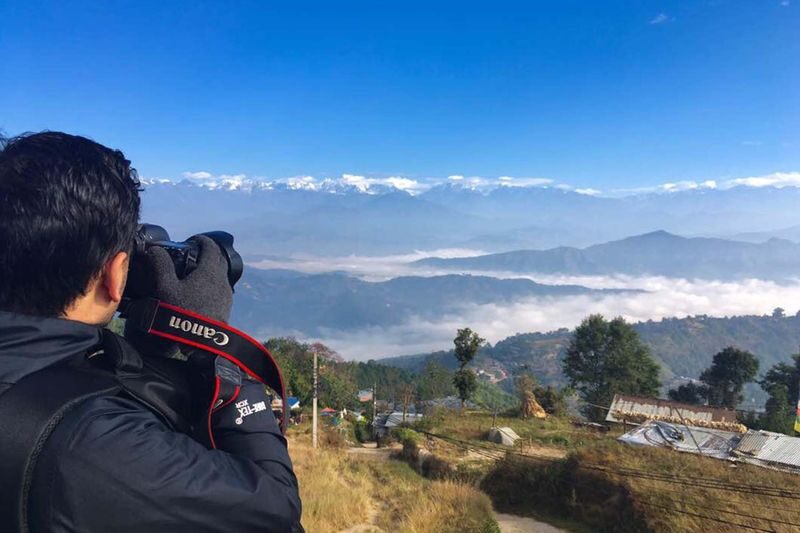
- Dhulikhel looks toward the Himalayas. This Newari hill town is known for its old houses, temples and mountain outlooks.
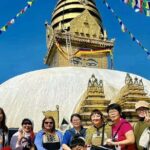
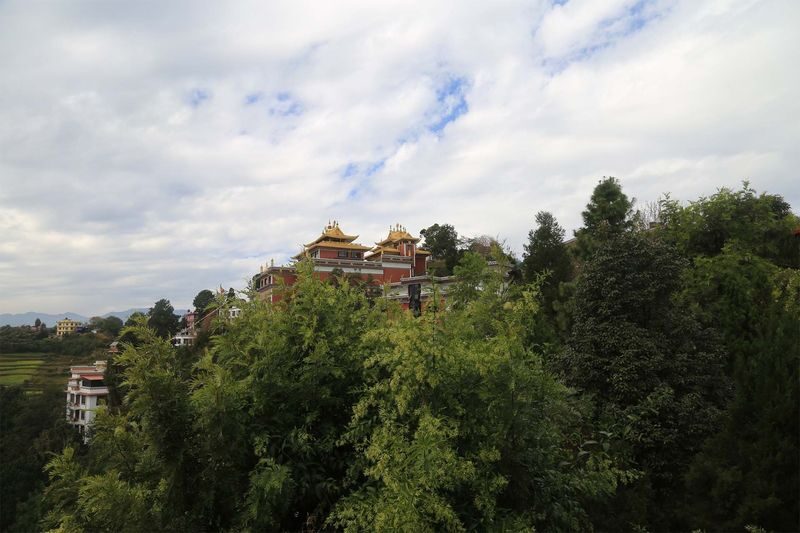
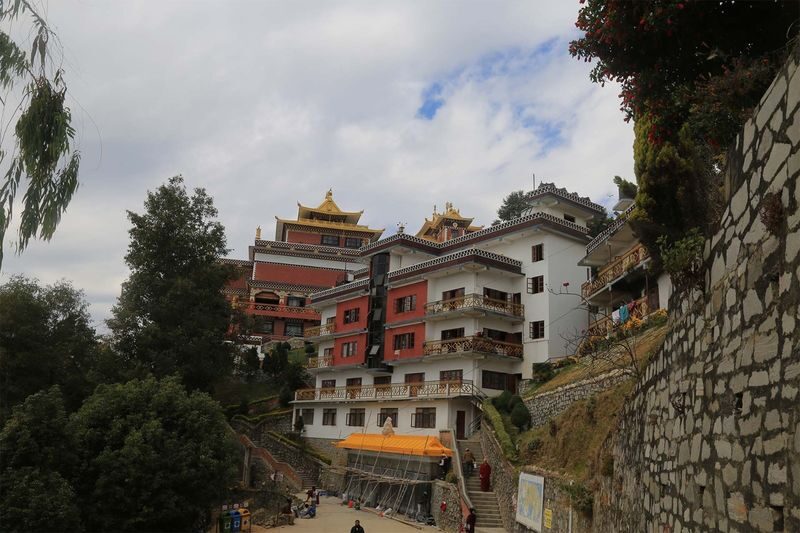
- Namobuddha is the spiritual heart of the route. You visit its viewpoint, temples, stupa and Thrangu Tashi Yangtse Monastery.
- Panauti brings the day back to town life. Its stops include Triveni Ghat, Indreshwar Mahadev Temple and Brahmayani Temple.
- The outing runs about nine hours. Pickup in Kathmandu is scheduled for 7 a.m., with hotel transfers included.
- A private format gives you room to ask questions. The price per person falls as the group grows, from $121.99 for one person to $42.69 each for groups of six or more.
- Plan for a few extra costs. Meals, drinks, monument entrance fees, personal expenses and optional monastery donations are not covered.
👉 See our pick of the 14 Best Shopping Tours In Kathmandu
Start in Dhulikhel, where the valley opens up
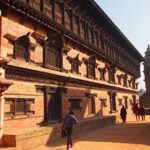
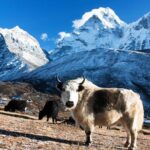
Dhulikhel lies about 30 kilometers from Kathmandu along the Araniko Highway. It is both an old Newari town and a hill station, so the appeal is twofold: you can look for traditional houses and temples, then turn your attention to the mountain views.
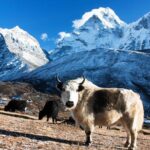
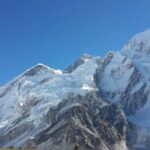
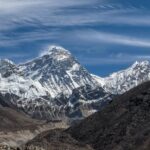
The Himalayas are a highlight, but visibility depends on the day. Weather can also affect the schedule, so treat the outlook as a chance rather than a promise of clear peaks. Even without a perfect view, Dhulikhel offers a change of pace from the capital and a look at a town where local life and older architecture share the same streets.
The town is also a weekend retreat for people from Kathmandu. That makes it a useful first stop for easing out of the city, though it is not a long, separate excursion with a detailed activity list of its own. The tour’s main draw here is the setting and the Newari character, not a tightly packed series of attractions.
You can also read our reviews of more tours and experiences in Kathmandu.
Namobuddha’s monastery and sacred sites
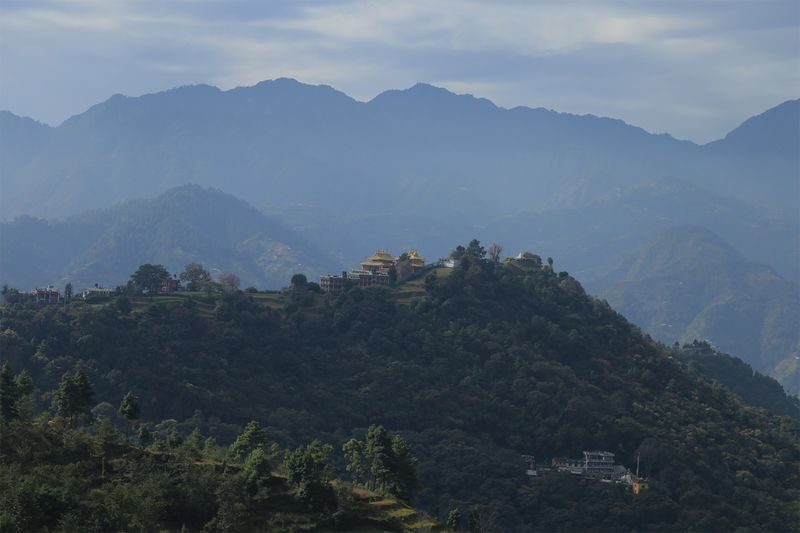
From Dhulikhel, the tour continues to Namobuddha, where the focus shifts from mountain scenery to Buddhist pilgrimage. The day includes Namobuddha View Point, Namobuddha Monastery, temples and the Namobuddha Stupa. Thrangu Tashi Yangtse Monastery is one of the area’s principal landmarks.
Namobuddha is associated with a Buddha who came before Sakyamuni Buddha, giving the site a place in Buddhist tradition. Your guide can help connect that story with the religious setting around you. That context matters: a monastery is not simply a building to photograph, and a little explanation can make a visit more meaningful without turning it into a lecture.
The quiet surroundings are part of the appeal. One past visitor, Ling, singled out the calm on the way up to Namobuddha, and that is a useful expectation to carry: this portion of the day can feel gentler than Kathmandu’s busy streets. The drive itself is also part of the outing. One visitor described the journey to the site as about an hour, though actual travel time can vary.
Give the monastery and temples the respectful attention they deserve. The tour includes a guide and admission to attractions, but monument entrance fees are listed separately, and donations at monasteries are optional. Check with your guide about any payment at a specific stop rather than assuming every fee is covered.
Panauti’s temples and riverside heritage
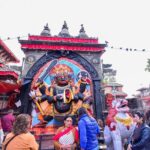
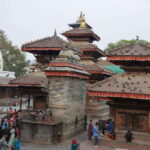
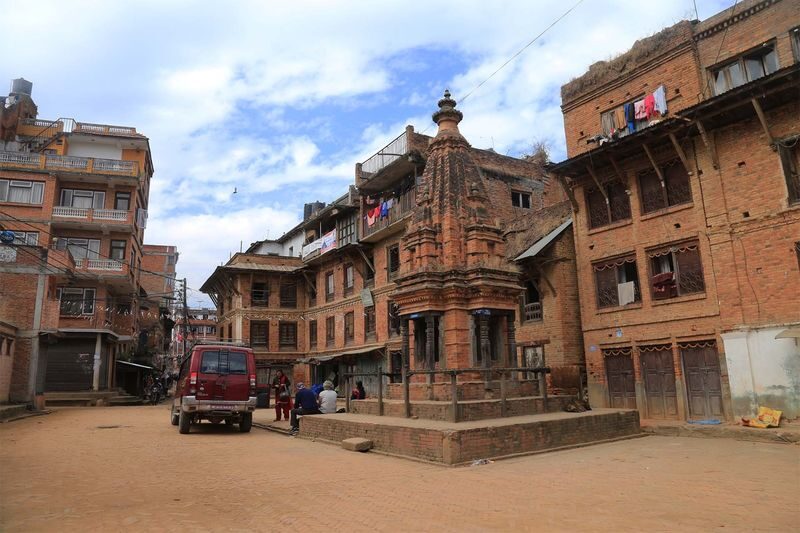
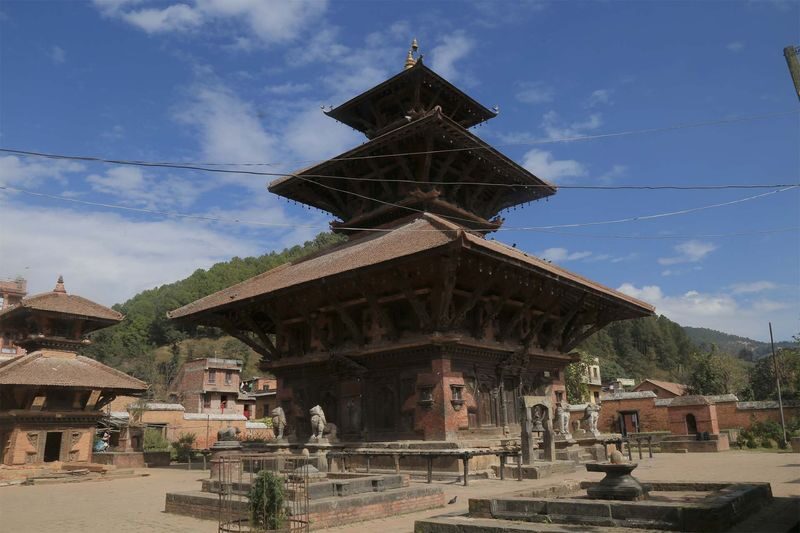
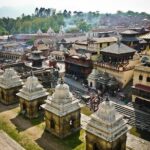
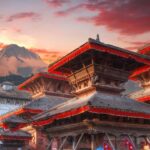
Panauti adds a different kind of history to the day. It is described as a UNESCO town, with Hindu and Buddhist traditions woven into a historic Newari setting. The planned stops include Triveni Ghat, Indreshwar Mahadev Temple and Brahmayani Temple.
Triveni Ghat is a river confluence, a place where the meeting of waterways has religious significance. Indreshwar Mahadev is a major temple stop, while Brahmayani adds another layer to the town’s devotional life. Together, these sites give you a chance to see how spiritual practice is part of the town’s fabric, not confined to one monastery or one faith.
Panauti is also a place to notice the built environment and local culture. The schedule names key sites, but it does not promise a long, open-ended wander through every lane. If you want extra time for browsing or photography, ask the guide how much flexibility the day allows. The itinerary may need to adapt to road conditions and timing.
What the guide adds to the day
The most consistently praised part of this outing is the guide’s attention and ability to explain religious history. Krishna is named by several people who described him as attentive and informative, while Ghatta is also praised for being professional and attentive. The assigned guide may vary, but these names give you a sense of the human side of the experience.
A good guide is especially useful on a route that includes several religious sites. You can ask how a place is used, what a temple or stupa represents, and how Hindu and Buddhist traditions appear across the region. Visitors have also described guides answering questions and sharing local experience during the drive. That kind of conversation can turn a string of stops into a more coherent day.
The private format is another practical advantage. You are not following a large public group, and the guide can respond to your questions and pace. One account describes a guide giving the group quiet when they were tired, rather than talking without pause. That is a small but valuable detail on a long day: you can listen when you want, and enjoy the road when you need a break.
English is the standard language described for the tour. German, French, Chinese and Hindi-speaking guides may be available for an extra charge, so arrange that with the operator after booking if needed.
Nine hours on the road: who will enjoy the pace
The schedule is 7 a.m. to 4 p.m., Monday through Sunday. Hotel pickup and drop-off in Kathmandu are included, and you should be in the lobby ten minutes before your pickup time. The guide carries a sign with the booking name. The route covers several places outside the capital, so expect a substantial amount of time in the vehicle as well as visits at each stop.
That makes this a strong choice if you want a guided overview of the area without arranging transport and site visits yourself. It suits people with a full day available, an interest in religious and local culture, and enough stamina for a day that moves between towns and sacred places. Children can join: ages zero to five are free, while children six and older pay the adult rate.
It is not the best fit if you need step-free access or are bringing a stroller. The activity is not wheelchair- or stroller-accessible. Nor is it ideal if you want a leisurely, single-town visit with hours to linger. The value lies in covering three distinct places in one day, which means keeping an eye on the clock.

What the price covers, and what it does not
The group price decreases as more people join. The listed options are $121.99 for one person, $67.09 per person for a group of two or three, $54.89 for four or five, and $42.69 each for six or more. The quoted package details apply to the group of six or more, so check the price for your party size before booking.
For a solo visitor, the private format comes at a much higher per-person cost. For two or three people, it may feel worthwhile if you value a dedicated guide and hotel transfers. Larger groups get a lower rate per person, though the tour remains private rather than turning into a shared group outing.
Included are a professional guide, bottled drinking water, round-trip hotel transfers, admission to attractions, and the guide’s food, salary and insurance. Meals and beverages, personal spending, tips, monument entrance fees and travel insurance are not included. Monastery donations are optional. The distinction between admission to attractions and monument fees can be confusing, so budget a little extra and ask what a specific stop charges.
Practical details before you book
The tour operates daily, but traffic and weather can change the schedule. Extreme weather or another unforeseen event can also lead to cancellation by the operator. In that case, you can request a refund or choose another date.
You receive confirmation within 24 hours. The voucher is valid only for the date and time selected, and you can enter the venue directly with it. If you cancel at least seven days before the activity date, you are eligible for a full refund. Late arrival or a no-show after the activity starts is not refundable, so be ready at the hotel lobby on time.
Should you book the Dhulikhel, Namobuddha and Panauti tour?
Book this outing if you want a guided day that combines Himalayan outlooks, Buddhist pilgrimage and Newari town heritage, with transport handled for you. The strongest reasons to go are the range of settings and the chance to ask a guide about the beliefs behind the places you see.
Think twice if you prefer a slow day, need accessible transport, or want meals and monument fees bundled into one price. For most visitors with a free day in Kathmandu and an interest in local religious life, this is a worthwhile way to get beyond the capital without losing the day to logistics.
Dhulikhel Namobuddha Panauti Day Tour
“The tour guide was super friendly and it was fun to travel around outside of Kathmandu.”
FAQ
How long is the tour, and what time does it start?
It runs for about nine hours, from 7 a.m. to 4 p.m. The schedule can change with traffic and weather.
Is hotel pickup included?
Yes. Hotel pickup and drop-off are available in Kathmandu. Be in the hotel lobby ten minutes before your selected pickup time.
Which places does the tour visit?
The stops include Dhulikhel Hill Station, the Himalayas, Namobuddha Monastery, Namobuddha View Point, Namobuddha temples, Panauti, Triveni Ghat, Indreshwar Mahadev Temple and Brahmayani Temple.
Are meals and entrance fees included?
Meals and beverages are not included. Admission to attractions is included, but monument entrance fees are listed as extra. Monastery donations are optional.
Can children join the tour?
Yes. Children aged zero to five can join free of charge. Children aged six and older pay the same rate as adults.
Is the tour wheelchair- and stroller-accessible?
No. The activity is not wheelchair-accessible or stroller-accessible.