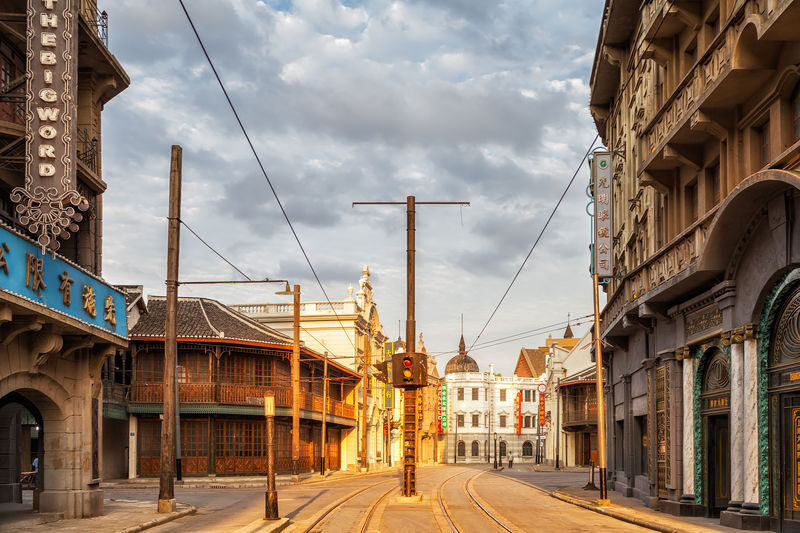
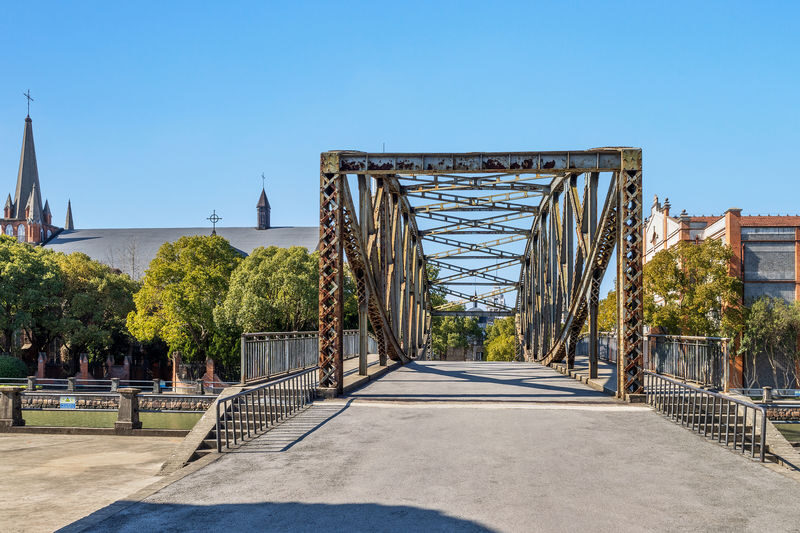
Shanghai Film Park turns a corner of Songjiang into a stage set for old Shanghai: you can walk past recreated streets, Shikumen homes, a church and the familiar outline of Waibaidu Bridge. It is less a conventional museum than a place to wander through scenes built for the camera.
I like two things here: the old-city architecture gives you plenty to look at and photograph, and the park can feel quiet enough to explore at your own pace. A tram or rickshaw may add a period touch, and film fans might recognize locations from Chinese productions.
The catch is the distance. The park is outside central Shanghai, transport can take planning, and a visit on a hot or rainy day may feel like a long walk through exposed sets. Some shops or sections may also be closed, so keep your expectations flexible.
- What to know before you go
- Walking into a screen version of old Shanghai
- Nanjing Road, Shikumen lanes and bridge scenes
- A tram ride, a rickshaw and the film-making details
- How long to spend, and what the walk feels like
- Getting to the West Gate without a wrong turn
- What the ticket covers, and whether it earns its keep
- Who will enjoy Shanghai Film Park most?
- Should you book this ticket?
- FAQ
- How long should I plan for the visit?
- What are the park’s opening hours?
- Where is the entrance?
- What does the admission ticket include?
- How do I redeem the ticket?
- What age qualifies for an adult ticket?
- Can I ride the tram or a rickshaw?
- Will I see actors or a film crew?
- Is the park close to central Shanghai?
- The Best Of Shanghai!
- More Tickets in Shanghai
- More Tours in Shanghai
- More Tour Reviews in Shanghai
- Not for you? Here's more nearby things to do in Shanghai we have reviewed
What to know before you go
 1 / 9
 2 / 9
 3 / 9
 4 / 9
 5 / 9
 6 / 9
 7 / 9
 8 / 9
 9 / 9
- 1930s Shanghai, rebuilt for filming: Look for Nanjing Road-style streets, Shikumen lanes, the Suzhou River setting and Waibaidu Bridge.
- A photo-friendly outing: The streets and period architecture make this a good choice if you enjoy taking pictures, even if you do not recognize the productions.
- Allow 2 to 3 hours inside: The park is spacious enough for a slow walk and photos, but most visits do not need a full day.
- The trip takes effort: It is in Songjiang, well outside the center. A taxi or private car is often the simpler choice, though it adds to the cost.
- Activities can vary: Tram and rickshaw rides, costume services, shops and displays may not all be operating when you arrive.
- Plan around the weather and closing time: The park is open from 8:30 a.m. to 4:30 p.m., with last entry at 3:30 p.m.
👉 See our pick of the 25 Best Guided Tours In Shanghai
Walking into a screen version of old Shanghai
Shanghai Film Park, also called Shanghai Film and Television Park, is a working film location as well as a visitor attraction. Its streets and buildings are designed to stand in for earlier Shanghai, especially the city of the 1930s. That gives the park a different feel from a formal history museum: the setting is made to be seen from the street, photographed and used as a backdrop.
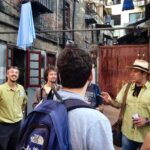
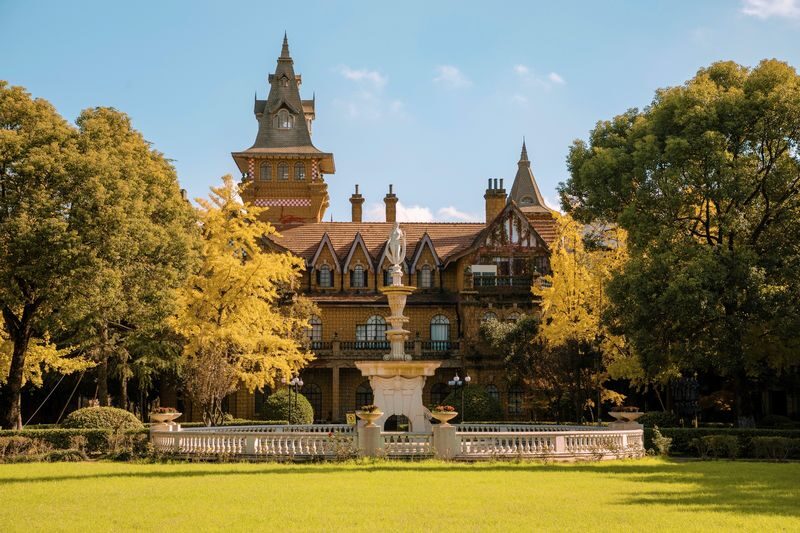
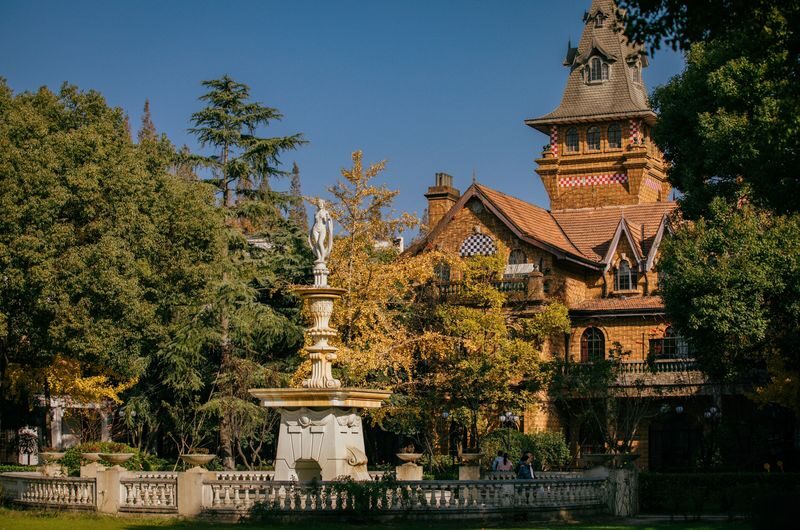
Expect facades and outdoor streetscapes rather than a guided historical tour. The point is to stroll through a set of scenes: old-style shopfronts, lanes, bridges and larger buildings that suggest the city’s past. You may recognize a location from a Chinese film or television drama, but you do not need to know the productions to appreciate the architecture.
That distinction matters when deciding whether the visit suits you. If you want detailed historical interpretation or access inside every building, this may not deliver that. If you like period streets, old-city details and a change of pace from central Shanghai, it can be a pleasant place to wander.
You can also read our reviews of more tours and experiences in Shanghai


Nanjing Road, Shikumen lanes and bridge scenes
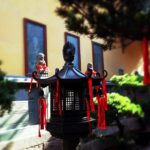
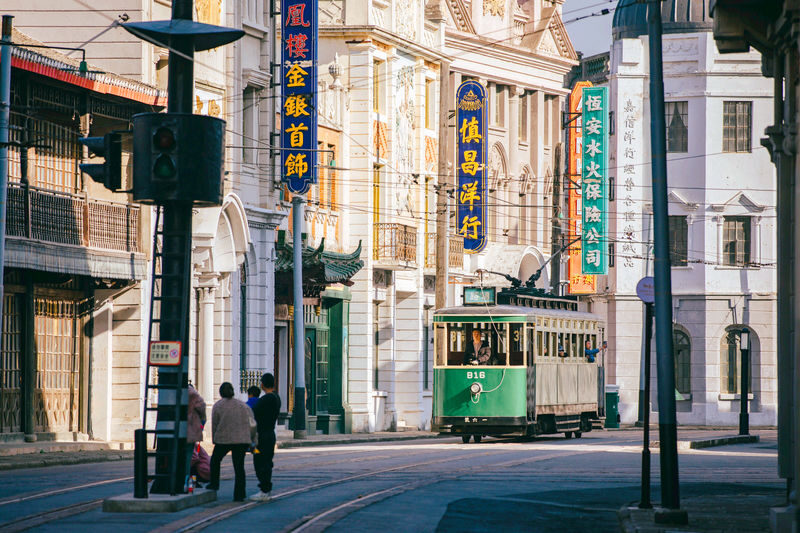
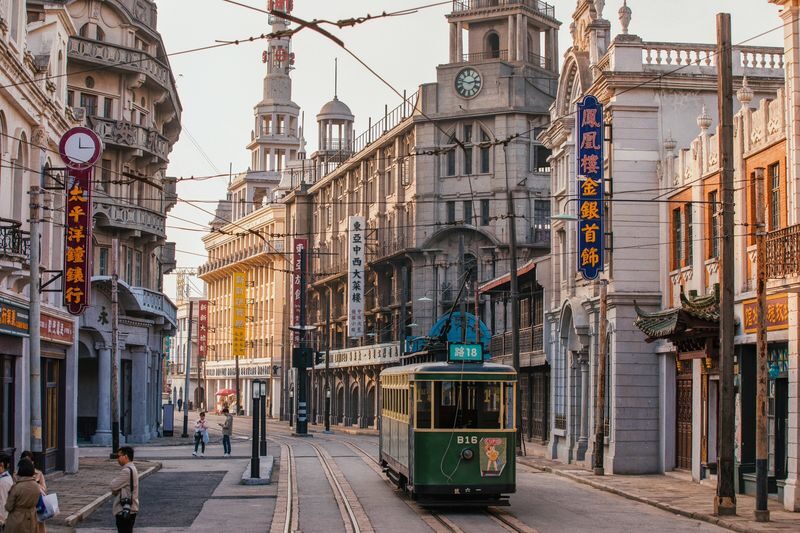
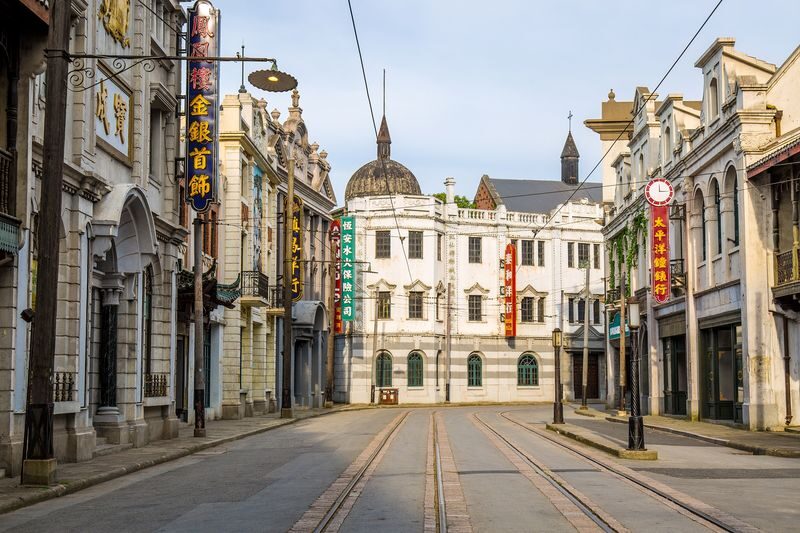
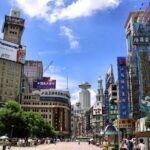
The most rewarding way to explore is slowly. The park recreates a 1930s-style Nanjing Road and includes Shikumen lane housing, architecture associated with old Shanghai. These streets provide the clearest sense of the setting: walk a little, stop for a photograph, then look for details in the facades and street layout.
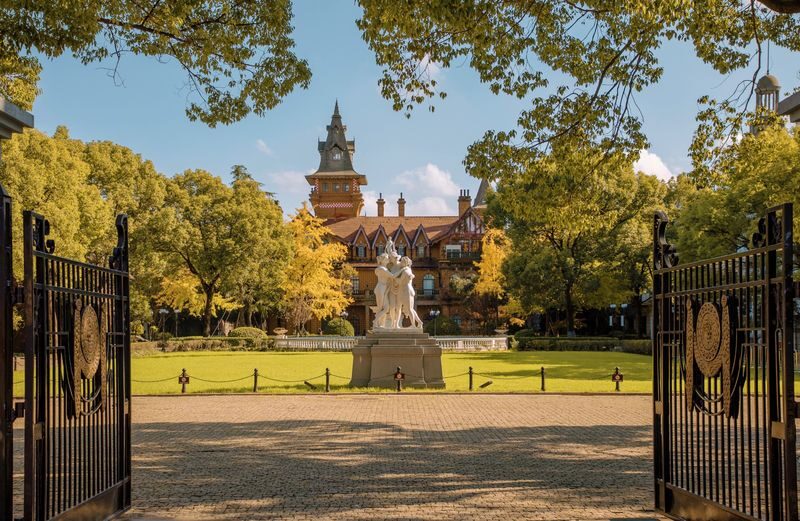
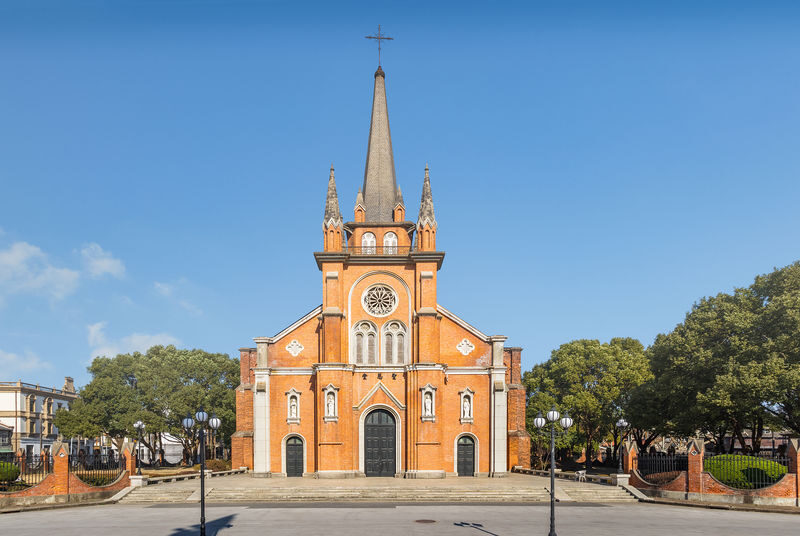
The park also includes a Suzhou River setting and a recreation of Waibaidu Bridge, one of the city’s recognizable landmarks. You will find buildings in several styles, including a Catholic church and European-style structures. The variety is useful for photography, though it can make the park feel more like a collection of film locations than a single, historically exact neighborhood.
Some visitors come hoping to see a particular drama’s set. That can be a bonus, but specific scenes may not be available on the day. Productions and set access can change, and there is no guarantee that a familiar location will be open or that filming will be underway.
A tram ride, a rickshaw and the film-making details
A tram or rickshaw ride can add a bit of old-fashioned movement to the visit. The park presents these as ways to experience how people once traveled through the city. Treat them as possible extras, not the reason to make the trip: operating hours and availability can vary, and the admission ticket covers entry rather than other personal expenses.
There is also a section with props and colorful costumes on display. Costume rental and makeup services have been available, which can turn a walk into a dress-up photo session. But do not build your whole plan around them. Services and displays may be closed, particularly on quieter days or around holidays.
You might see a casting crew or actors at work, since this is a film base. That possibility gives the park a little more life than a static set, but it is not a scheduled encounter. I would count it as a lucky extra, not a promised part of the visit.
How long to spend, and what the walk feels like
Plan on 2 to 3 hours inside for a relaxed walk, photo stops and time to look around. If you move quickly and take few pictures, you may finish sooner. If you enjoy photographing architecture or want to browse costume services and displays, give yourself more time.
The park is spacious, and you will spend much of the visit on foot. That can be a plus when the weather is mild and the paths are quiet; it is less appealing in strong summer heat. Bring water and wear comfortable shoes, especially if you plan to explore every area rather than focus on a few main streets.
Rain can also change the experience. Outdoor sets are still photogenic in damp weather, but puddles and closed stalls can make a visit less comfortable. If the forecast is poor, consider whether the travel time is still worthwhile for an outdoor-focused attraction.
The official hours are 8:30 a.m. to 4:30 p.m., with last entry at 3:30 p.m. Arriving earlier gives you more room to explore and helps avoid the risk of reaching the park late after a slow trip across the city.
Getting to the West Gate without a wrong turn
The park is at No. 211 Cheting Road, Chedun Town, Songjiang District. The entry instructions identify the West Gate as the entrance to use. A separate address associated with the attraction is No. 4915 Beisong Road, so set your map to the West Gate address rather than relying on a general pin that may send you to another side of the grounds.
This is not a quick hop from central Shanghai. A taxi or private car is often the most direct option, and some journeys from downtown have taken about an hour. Traffic can stretch that time, and the fare can be significant. Public transport is possible, but the trip may involve a combination of metro and bus and take much longer; check current routes before setting out.
Take care with the final approach. The park’s entry point and a map pin near another gate can be confusing, and walking around the perimeter after being dropped at the wrong spot can add distance. Confirm that your driver is taking you to the West Gate, not just to Shanghai Film Park in general.

What the ticket covers, and whether it earns its keep
The adult ticket starts at $11.99 and covers admission to the attractions. It does not include personal expenses. Rides, food, costume services or other extras should not be assumed to be included in the admission price.
At that price, the ticket can be good value if you want a few hours among old-Shanghai-style sets and will make use of the photo opportunities. It is a weaker deal if you are not interested in film locations, architecture or taking pictures, especially once you factor in the journey from downtown. Transport can take as much time as the visit itself, so weigh the ticket cost against the full outing rather than looking at the entry fee alone.
The ticket is for adults aged 18 through 59, with age determined by birthday on the travel date. The voucher is valid only for the selected date and, if applicable, time. You can redeem it by presenting the electronic certificate at the entrance. Keep the QR code ready and make sure you arrive before last entry.
Who will enjoy Shanghai Film Park most?
This is a natural fit for fans of Chinese films and television dramas, particularly those who enjoy spotting recognizable sets. It also works for photographers, architecture fans and anyone curious about how film crews create a convincing old-city backdrop.
You do not need to be a film buff to enjoy the walk. The facades, lanes and bridge scenes give you a pleasant change from Shanghai’s modern center, and a quieter park can make it easy to take photos without crowds in every frame. Still, the experience is primarily visual and outdoors. If you want rides, performances or staffed attractions throughout the day, you may find the offering uneven.
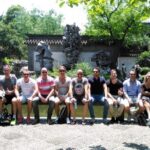
Families and groups should also consider the travel time and the amount of walking. There is no fixed tour route or guide included in the ticket information, so you can move at your own pace, but you will need to manage your own transport and timing.
Should you book this ticket?
Book it if you are keen on Chinese screen culture, old-Shanghai architecture or a half-day of photography, and you are comfortable spending time getting to Songjiang. The park’s best qualities are its period streets, varied facades and relaxed pace. Go with the understanding that some activities may be closed and that spotting a production in progress is a matter of luck.
Skip it if your Shanghai schedule is tight, the weather is likely to be punishing, or you prefer attractions with more indoor exhibits and set activities. For the right visitor, it is a worthwhile detour; for everyone else, the long journey may outweigh a few hours among film sets.
Shanghai Film Shooting Base Admission Ticket
“There are many movie filming locations that are well worth seeing. Although there was a lot of standing water from heavy rain the day before, it di…”
FAQ
How long should I plan for the visit?
Allow about 2 to 3 hours inside the park. Add extra time for the journey from central Shanghai, which can take around an hour by car and longer by public transport.
What are the park’s opening hours?
The park is open from 8:30 a.m. to 4:30 p.m. Last entry is at 3:30 p.m.
Where is the entrance?
The stated entry point is the West Gate at No. 211 Cheting Road, Chedun Town, Songjiang District, Shanghai. Use that address when arranging your route.
What does the admission ticket include?
The adult package includes admission to the attractions. Other personal expenses are not included.
How do I redeem the ticket?
Present the electronic certificate at the park entrance. The voucher is valid only on the date selected, and on the selected time if one applies.
What age qualifies for an adult ticket?
The adult ticket applies to people aged 18 through 59. Age is calculated by birthday on the travel date.
Can I ride the tram or a rickshaw?
Tram and rickshaw rides are described as experiences available at the park, but availability can vary. The admission ticket information does not include them as a separate guaranteed benefit.
Will I see actors or a film crew?
You might see casting crews or actors working in the park, but filming is not guaranteed during your visit.
Is the park close to central Shanghai?
No. It is in Chedun Town, Songjiang District, outside central Shanghai. A taxi or private car is often more direct, while public transport may require a metro-and-bus journey.