Pharping’s meditation caves and monasteries give this trip its spiritual heart, while nearby Kirtipur adds a different kind of interest: a Newari town of old temples, traditional homes and narrow lanes. It’s a useful way to look beyond central Kathmandu without planning several separate outings.
I like two things in particular: the mix of Buddhist and Hindu sites, and the chance to hear about local customs from an English-speaking guide. Guides Anon and Sajina have both led tours, with an emphasis on history, conversation and giving you time at each stop.
One point to check before you pay: Kirtipur is a tour highlight, but the timed plan names Pharping and Dakshinkali rather than a specific Kirtipur visit. Confirm which Kirtipur sites are included, and how much time the schedule allows there.
- What to know before you go
- Pharping’s caves and monastery traditions
- Dakshinkali Temple and a different religious setting
- Kirtipur’s old lanes and Newari character
- A compact day in a private car
- What the price covers, and what it does not
- Who will get the most from this trip
- Should you book the Pharping, Dakshinkali and Kirtipur tour?
- FAQ
- Where does the tour pick me up?
- What time does the tour start and return?
- Is Kirtipur definitely included?
- What food is included?
- Are entrance fees included in the price?
- Is the tour suitable for children?
- Is the tour wheelchair or stroller accessible?
What to know before you go
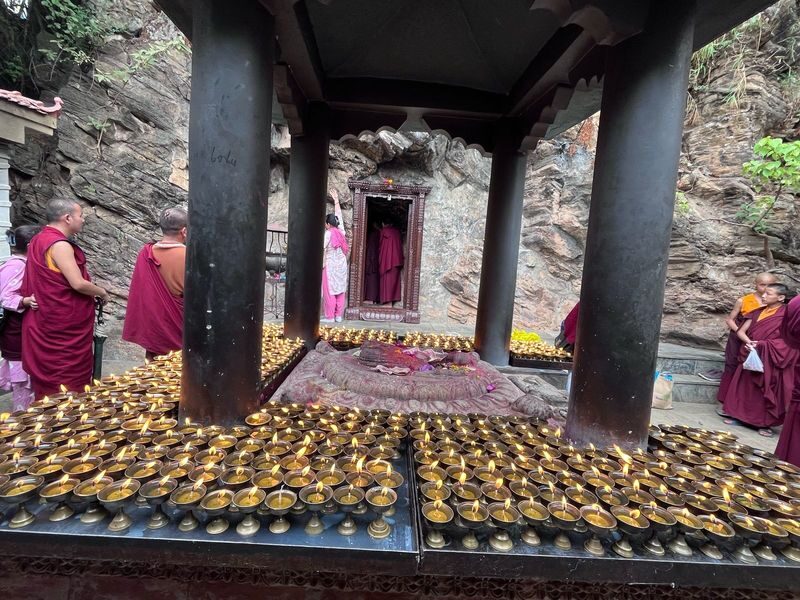
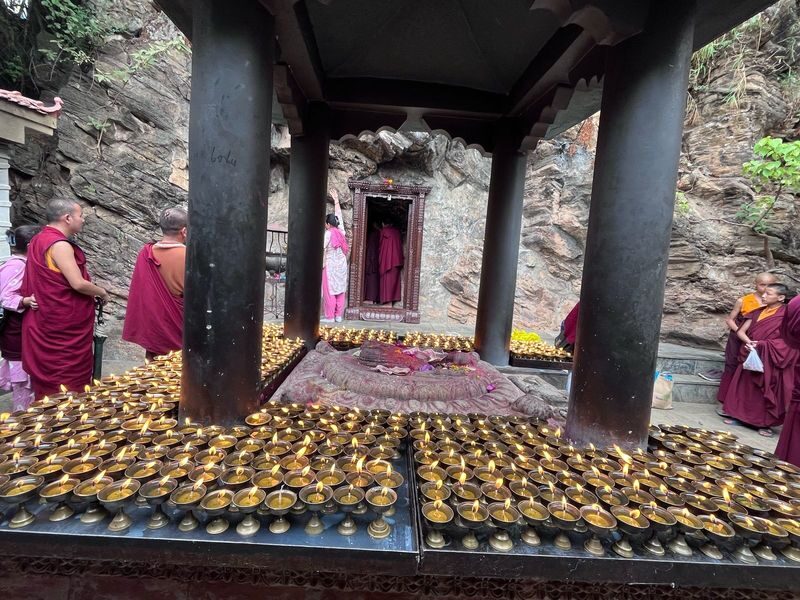
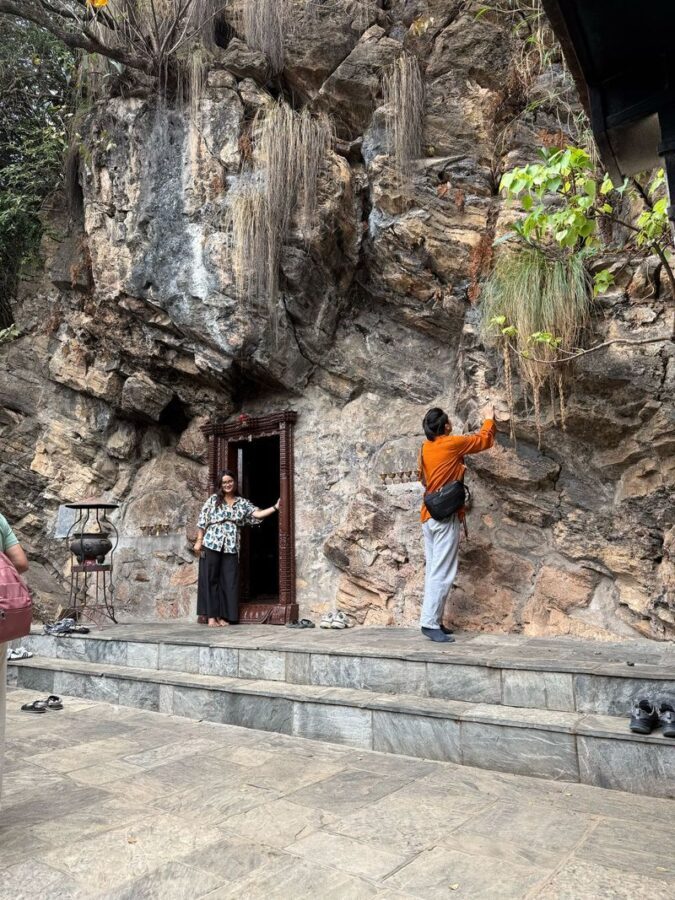
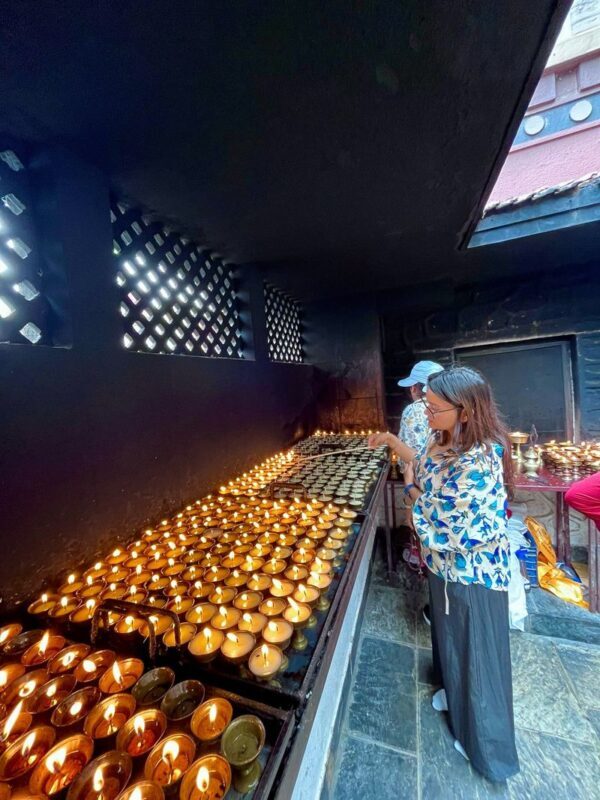
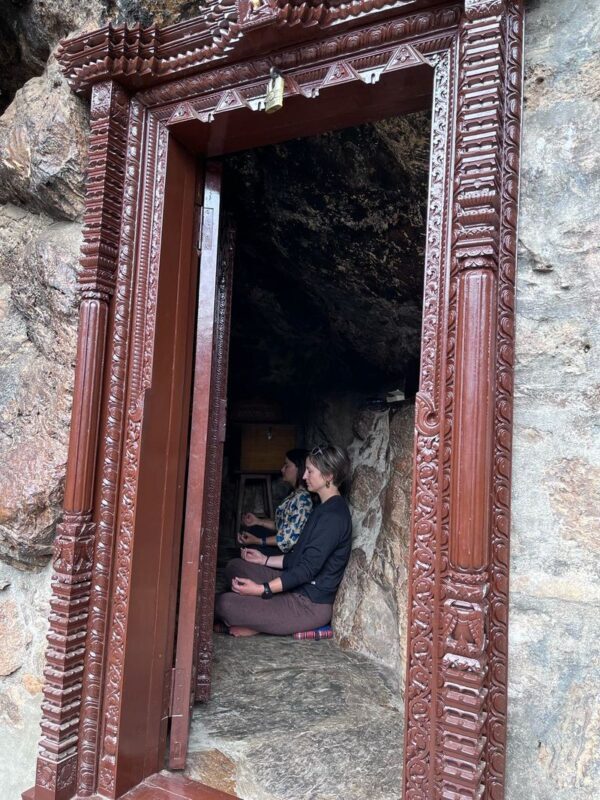
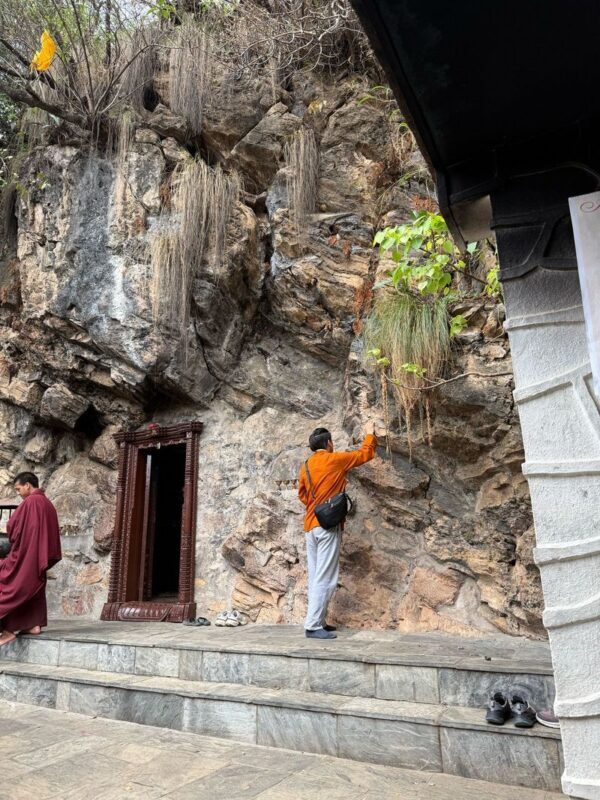
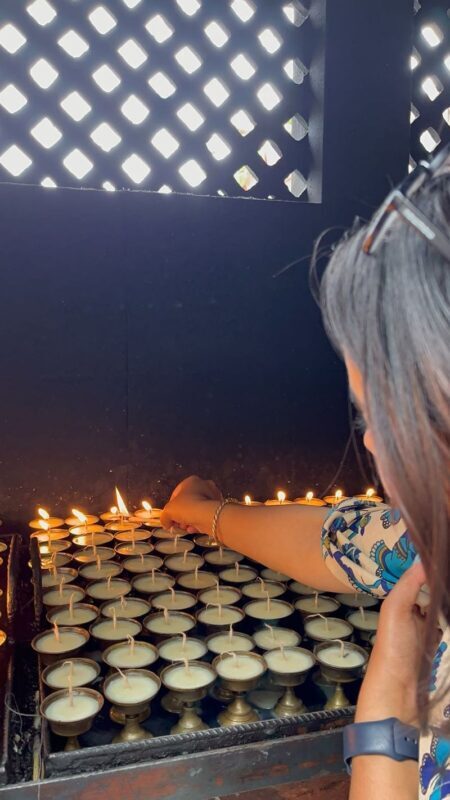
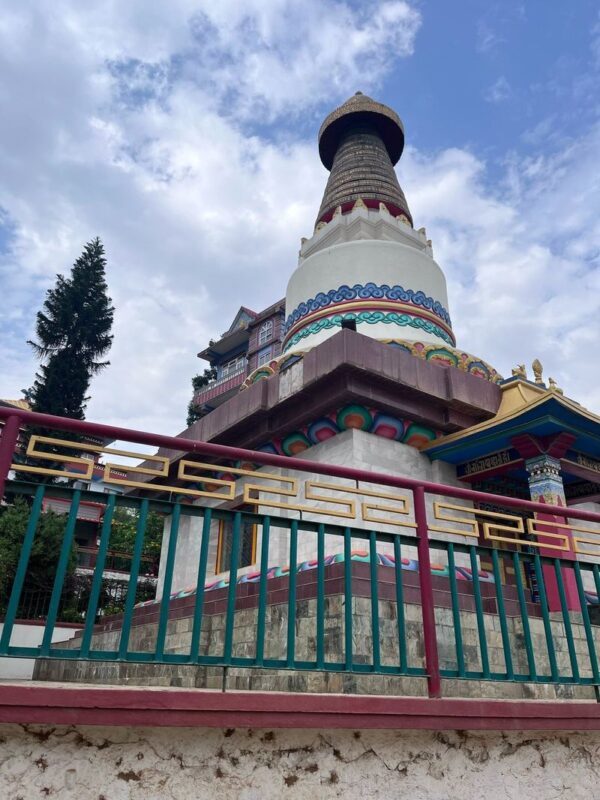
- Pharping’s caves are tied to Guru Rinpoche: Asura Cave and Yangleshö Cave are among the key Buddhist pilgrimage sites.
- Dakshinkali adds a Hindu place of worship: The temple is a distinct stop, not simply another monastery visit.
- Kirtipur offers a change of pace: Its traditional Newari homes, narrow lanes and temples are the town’s main draw.
- The guide can shape the day: Anon and Sajina have both been praised for sharing cultural context and adapting the pace to the group.
- A small packed lunch is included: Expect a muffin, donut, banana, seasonal fruit and a 200 ml juice, not a full restaurant meal.
- The day is short for three destinations: The listed times run from about 9:30 to 15:00, so confirm the Kirtipur portion before booking.
Pharping’s caves and monastery traditions
Pharping is a sacred Buddhist pilgrimage site just outside Kathmandu, associated with Guru Rinpoche, also known as Padmasambhava. The tour highlights Asura Cave and Yangleshö Cave, places linked to his meditation, along with the area’s monasteries. If you are interested in how spiritual traditions shape daily life, this is the part of the outing likely to hold your attention.
The point of a guided visit is not just to see a cave entrance or monastery building. A guide can explain why these places matter to Buddhist pilgrims and how the traditions connect with the communities around them. Sajina, who has led this tour, was praised for explaining monastery history and the customs of different Nepali communities. Anon was described as sharing cultural context during the drive and giving visitors room to explore and pray at their own pace.
The tour also names Samye Ling Monastery as a key Pharping site. Still, the timed schedule does not say how long you spend there, or list each cave and monastery as a confirmed stop. If one particular site is important to you, ask the operator which places are included on your date. That small check can help you decide whether this is the right spiritual outing or whether you need a tour with a more specific site-by-site plan.
Keep your expectations grounded: this is a guided day trip, not a retreat or a long meditation program. The value lies in seeing several sacred places and learning enough context to understand their role. You can take time for prayer, according to the experience of one recent group, but the overall schedule still has a return time to meet.
Dakshinkali Temple and a different religious setting
The plan places Dakshinkali Temple after Pharping, at about 12:30. It is a Hindu temple, so the visit changes the focus from the Buddhist pilgrimage sites to another important strand of Nepal’s religious life. Seeing both in one day gives you a broader sense of the region’s spiritual traditions than a visit centered on only one faith.
The tour information does not specify how long the temple visit lasts or describe particular rituals. It is best to arrive curious and respectful, and to follow your guide’s advice about how to behave at the site. The guide can help you understand what you are seeing without turning a place of worship into a checklist stop.
The schedule lists a return at 15:00, which makes this a relatively compact day out. Traffic and weather can change the timing, and your pickup time is confirmed after booking. If you need a relaxed visit at every stop, ask how the operator balances Pharping, Dakshinkali and Kirtipur within the available hours.
Kirtipur’s old lanes and Newari character
Kirtipur is presented as an ancient Newari town, known for its traditional houses, narrow alleys and historic temples, including Bagh Bhairav and Uma Maheshwor. It gives the day a cultural and architectural counterpoint to the pilgrimage sites. Rather than focusing only on caves and monasteries, you get the chance to see a town shaped by Newari heritage and everyday local life.
The town’s appeal is in its texture: closely packed homes, lanes that invite a slow walk and temples that anchor the neighborhood. I like that this stop can help you connect Nepal’s religious sites with the communities and built traditions around them. It is a different experience from simply driving between major landmarks.
There is, however, an important scheduling wrinkle. Kirtipur appears in the tour’s highlights and description, but the timed itinerary specifically names Pharping at 10:30 and Dakshinkali Temple at 12:30, then lists a return at 15:00. It does not give Kirtipur a time or name its temples as confirmed stops. Before booking, ask directly whether the route includes Kirtipur, which sites you will visit and how much time is set aside. That is especially important if Kirtipur is the main reason you want to take the tour.
A compact day in a private car
The tour includes hotel pickup and return transfers, with departures available from Kathmandu, Bhaktapur or Patan. The listed plan says travel by car, with the guide meeting you at your hotel. A recent group found their guide waiting in the lobby early in the morning, which is the sort of practical start that makes a short day easier.
The itinerary gives 9:30 as the travel time and 10:30 for the guided Pharping visit. It then lists Dakshinkali Temple at 12:30 and a return at 15:00. These are guideposts, not guarantees: traffic and weather may shift the schedule. The information describes the experience as a private tour, but does not state a group-size limit.
One of the strongest features is the guide’s role. Anon was described as engaging and humorous, sharing information during the drive, asking for opinions and allowing time for visits and prayers. Sajina was praised for explaining monastery history and local cultures while attending to the group’s needs. Those details suggest a conversational style rather than a rigid march from stop to stop, although the guide assigned to your date may be different.
What the price covers, and what it does not
The starting price is listed from $34.55, while the named full-day package is shown from US$37.50. Treat these as starting figures rather than a guaranteed final cost: the package option and booking details can affect the price. For a private outing that includes an English-speaking guide and round-trip hotel transfers, the price may offer good value if you want a guide to connect the sites and take care of transport.
A packed lunch box is included. It contains a muffin, donut, banana, seasonal fruit and a 200 ml juice. That is handy for keeping the day moving, but it is a light snack-style meal rather than a substantial lunch. Other meals, drinks and personal expenses are not included, so plan accordingly if you usually need more food or water than a small box provides.
Monument admission fees are also excluded. The tour price therefore does not cover every possible cost at the sites. If you are comparing it with a tour that includes entrance fees or a sit-down meal, add those likely expenses before deciding which option is better value.
Who will get the most from this trip
I would consider this tour if you want a guided introduction to places beyond Kathmandu’s central sights, especially if Buddhist pilgrimage sites and Hindu worship both interest you. It also suits you if you value conversation and cultural context as much as photographs. The guides’ reported habit of giving visitors time at the sites is a plus for anyone who does not want every stop rushed.
It is less suitable if you need a highly detailed, guaranteed Kirtipur itinerary and cannot confirm the stops in advance. The schedule is short, and the published timings do not clearly show where Kirtipur fits. You might also prefer a longer visit or a slower pace if you want to spend substantial time at each cave, monastery, temple and town.
The activity is not recommended for people with high blood pressure, epilepsy or asthma, pregnant women, or elderly participants. Sunscreen, sunglasses and a cap or hat are suggested. The accessibility information is inconsistent about stroller and wheelchair access, so contact the operator before booking if either matters to you.
Children aged 2 to 10 are listed as free. The voucher is valid only for the chosen date and time, and changes are allowed until 24 hours before the activity, subject to stated booking exceptions. If plans change, cancellations made at least 24 hours before the activity date receive a full refund.
Should you book the Pharping, Dakshinkali and Kirtipur tour?
Book it if you want a manageable day outside the valley’s best-known central sights, with a guide to explain the spiritual and cultural context. The combination of Pharping’s Buddhist caves, Dakshinkali’s Hindu temple and Kirtipur’s Newari character has real appeal, and recent guides Anon and Sajina were valued for their warmth, flexibility and cultural explanations.
Before you commit, confirm that Kirtipur is included on your chosen date and ask which temples or streets the visit covers. Also check the final price and likely admission costs. If those details suit you, this is a promising way to see several kinds of Nepali heritage in one outing without arranging the transport yourself.
Visit Dakshinkali, Pharping & Kritipur- A Spiritual Private Day tour
“I found this trip very enjoyable. Our tour guide, Anon, was already waiting for us in the hotel lobby early in the morning, and we met him as soon…”
FAQ
Where does the tour pick me up?
Hotel pickup and return transfers are included. The listed departure areas are Kathmandu, Bhaktapur and Patan. The operator confirms the pickup time in advance.
What time does the tour start and return?
The schedule lists travel by car at 9:30, a guided Pharping visit at 10:30, Dakshinkali Temple at 12:30 and a return at 15:00. Traffic and weather can change the timing.
Is Kirtipur definitely included?
Kirtipur is named as a tour highlight, but the timed schedule lists Pharping and Dakshinkali Temple without giving Kirtipur a time. Confirm the exact Kirtipur stops with the operator before booking.
What food is included?
A packed lunch box is included, with a muffin, donut, banana, seasonal fruit and 200 ml juice. Other meals and beverages are not included.
Are entrance fees included in the price?
No. Monument entrance fees are listed as not included, along with personal expenses and tips.
Is the tour suitable for children?
Children aged 2 to 10 are listed as free. The activity is not recommended for people with high blood pressure, epilepsy or asthma, pregnant women, or elderly participants.
Is the tour wheelchair or stroller accessible?
The accessibility information is inconsistent: it includes both a statement that the activity is not accessible and one that says it is accessible. Contact the operator to confirm access for your needs before booking.