Bookbinding turns paper, thread, and a cover into a useful object you made by hand. At Based Book Arts, you spend a guided session learning the steps and leave with a journal or book of your own, rather than just a souvenir from a shop.
I like two things here: you work with quality materials, including acid-free paper and waxed linen thread, and Shi Hui guides the process patiently, from making the book sections to stitching and finishing the cover. You can choose among several binding styles, so the workshop can be a first craft lesson or a way to try a more involved technique.
The main consideration is time and handwork. Long Stitch takes three hours, and one attendee noted that the fine work calls for some dexterity. Your finished book may show a few beginner’s wobbles, which is part of making it by hand.
At a glance
- You make a book from the inside out: Fold and prepare pages, form the booklets, make the cover, then stitch the parts together.
- Choose a binding to suit your interests: Options include Long Stitch, Japanese Stab, French Link and Coptic, Leather Bound Journal, and Case Binding.
- Shi Hui teaches step by step: The workshop is beginner-friendly, with demonstrations and help when you get stuck.
- Materials and tools are included: You can select cover and thread colors, and take home the finished piece.
- The studio is near Aljunied MRT: It is about a three-minute walk from Exit B, with a short bridge crossing on the way.
- Plan for a focused session: Long Stitch is three hours, and participants must be at least 13.

👉 See our pick of the 25 Best Guided Tours In Singapore
- At a glance
- Start with paper, thread, and a clear plan
- Folding, cutting, and building the book
- Choosing between Long Stitch, Coptic, and Case Binding
- A calm studio, with instruction close at hand
- Three hours of making, not just watching
- Is the price fair for a handmade journal?
- Getting to the Geylang studio
- Who will enjoy this workshop most?
- Should you book Based Book Arts?
- FAQ
- How long is the Long Stitch Binding workshop?
- Where is Based Book Arts?
- What is the nearest MRT station?
- When should I arrive?
- What binding workshops can I choose?
- Is the workshop suitable for beginners?
- Are tools and materials included?
- What is the minimum age?
- Does the workshop require a minimum number of participants?
- Can I cancel or change my booking?
- The Best Of Singapore!
- More Workshops & Classes in Singapore
- More Tours in Singapore
- More Tour Reviews in Singapore
- Not for you? Here's more nearby things to do in Singapore we have reviewed
Start with paper, thread, and a clear plan
 1 / 7
 2 / 7
 3 / 7
 4 / 7
 5 / 7
 6 / 7
 7 / 7
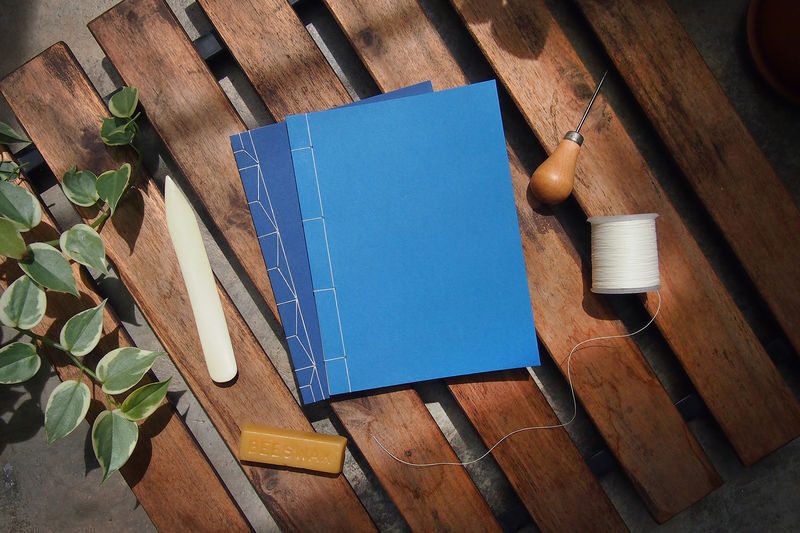
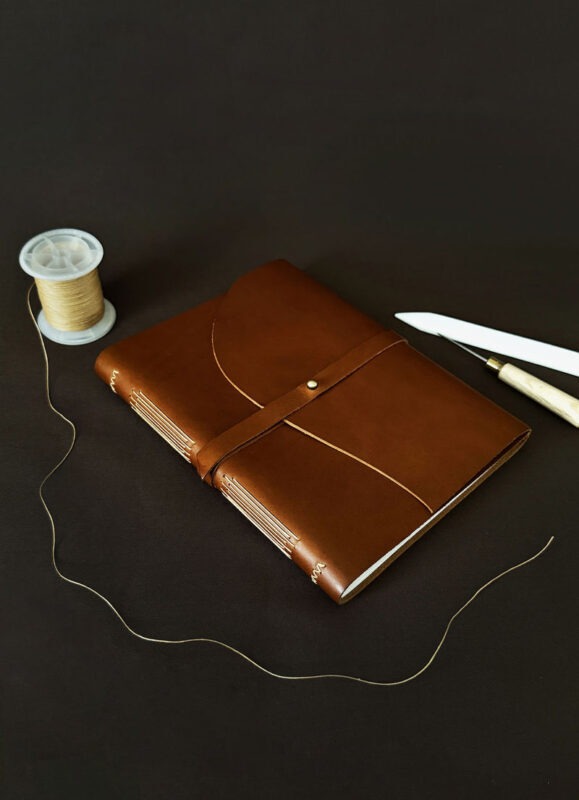
This is not a talk about book history with a quick craft tacked on at the end. You spend the session making a book yourself. The work is broken into practical stages: folding and preparing paper, arranging it into sections, making a cover, and sewing the pages and cover together. The result is a functional handmade book, not simply a stack of decorated sheets.
That process gives the workshop its particular appeal. You see how a book is held together and why the order of the work matters. If you like notebooks, paper goods, or making things with your hands, you get both a finished object and a better sense of the craft behind it.
The specific project depends on the package you choose. Long Stitch is the listed three-hour workshop, while the other options introduce distinct methods and outcomes. The description also refers to more advanced work such as Limp Leather Binding, but the package menu names Leather Bound Journal rather than listing Limp Leather as a separate booking choice. Check the exact package name and details before paying.
You can also read our reviews of more tours and experiences in Singapore



Folding, cutting, and building the book
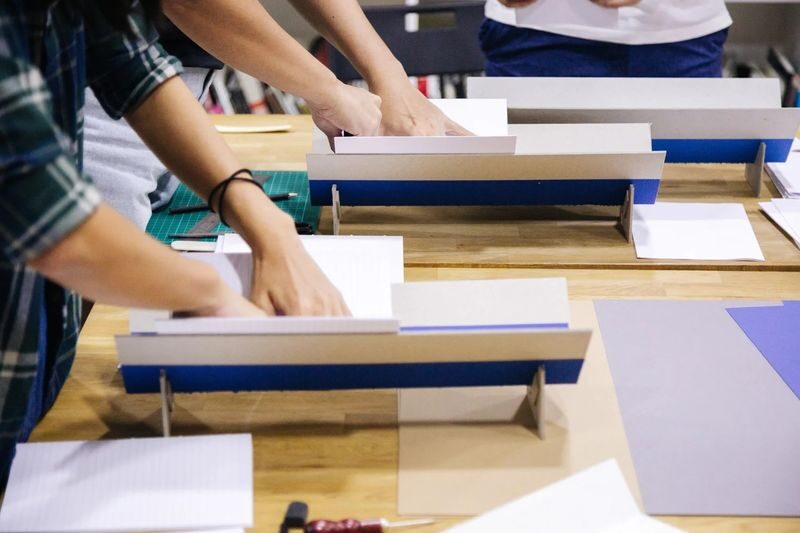
Expect to begin with the parts that make a book work: paper folded into sections, or booklets, that can be assembled into a complete volume. This is a small-scale craft, so neat folds and careful alignment matter. The workshop supplies the necessary tools and materials, and you do not need to arrive with bookbinding equipment of your own.
The instructor’s guidance is especially useful at this stage. A number of people who attended describe Shi Hui as patient and clear, and one noted that templates helped make the instructions easier for beginners to follow. That matters because a first attempt at binding has several steps that can feel unfamiliar. A demonstration followed by individual help lets you learn by doing, rather than trying to decode a finished example on your own.
After preparing the pages, you make the cover and bring the parts together. The Long Stitch workshop focuses on sewing the book by hand; other packages teach other binding structures. Depending on your selected class, materials may include acid-free paper, waxed linen thread, book cloth, or genuine leather. You can choose from a range of cover and thread colors, giving the finished book a personal touch without asking you to source supplies in advance.
Choosing between Long Stitch, Coptic, and Case Binding
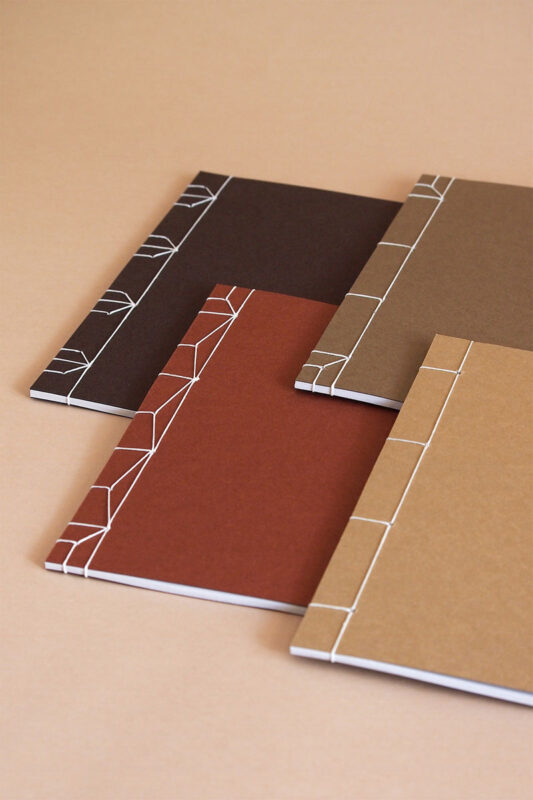
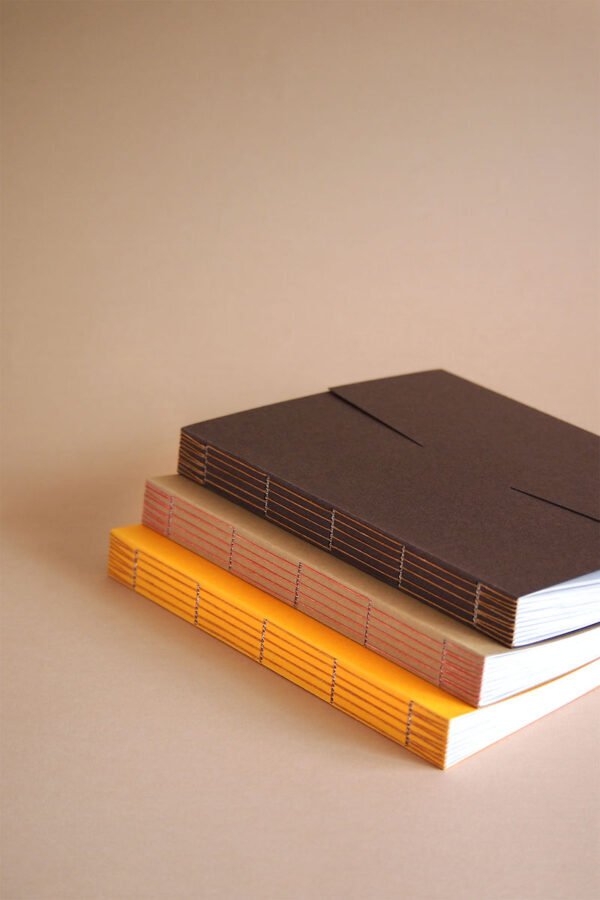
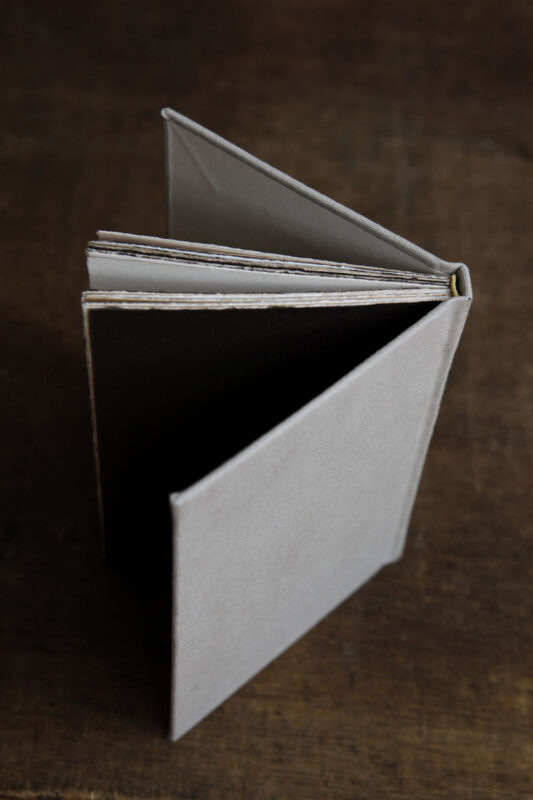
The package menu gives you a real choice of techniques, not just different colors for the same project. Long Stitch is a clear starting point if you want a hand-sewn journal. Japanese Stab Binding offers another traditional approach, while French Link and Coptic Binding combine two named techniques in one workshop. Case Binding is the hard-cover option, and Leather Bound Journal puts the emphasis on a leather cover.
The right pick depends on what you want to learn and take home. If your main goal is to try hand-sewing a book in a beginner-friendly setting, Long Stitch is a sensible choice. If you are drawn to visible stitching or want to compare methods, the French Link and Coptic class may suit you better. Choose Case Binding for the appeal of making a hard-cover book from scratch, or the leather workshop if a leather journal is the object you most want to keep.
The package names signal different projects, but the available details do not spell out every technique’s full sequence or finished dimensions. If a particular format matters to you, ask the operator what that session includes before booking. These are practical craft classes, and choosing by the method and finished object is more useful than choosing by name alone.
A calm studio, with instruction close at hand
Based Book Arts is at 71 Lorong 23 Geylang, #03-15, in the Work + Store Building. The studio is described as cosy, clean, and suited to a small class. One session was comfortable for eight people, but that does not establish a fixed class limit. What you can expect is a hands-on setting where the instructor can help with fiddly steps rather than leaving you to work through them alone.
Shi Hui is the instructor most often named by participants. The recurring strength of the teaching is patience: she explains the process, demonstrates the steps, and helps when someone loses the thread, sometimes quite literally. That approach makes the class a reasonable choice for beginners, including people who have never used a bookbinding needle.
The studio is also intended to be relaxing, but you will still need to pay attention. Stitching, folding, and aligning paper call for concentration and some dexterity. If you have trouble with small hand movements, or simply prefer a very loose craft session, consider that before booking. You can ask the operator whether the chosen technique seems suitable for your needs.
Three hours of making, not just watching
The Long Stitch package includes a three-hour workshop. That is enough time for the work to feel like a complete process, from preparing the pages to finishing the book, rather than a rushed demonstration. It also means you should keep the session’s length in mind when fitting it into a Singapore day.
There is no detailed minute-by-minute schedule, and the exact sequence will depend on the binding style. For Long Stitch, you can expect to make the booklets and cover before sewing them together. Other workshops will follow the needs of their own techniques. The teaching is step by step, so you are not expected to know the process before arriving.
A useful expectation: your first book may not be perfectly even or polished. That is not a sign that the workshop has failed. The aim is to learn a skill and make a usable book yourself, and the handmade quality is part of the appeal. One person who attended wished for digital instruction notes to refer back to later, so if you want a lasting guide to the steps, ask whether notes are available. They are not listed as an included item.





Is the price fair for a handmade journal?
The displayed starting price is US$94.69, while the package menu lists Long Stitch from US$86.09. Those figures differ, so check the current checkout price for your date and selected package rather than treating one starting figure as universal. The listed package prices range from US$86.09 for Long Stitch to US$172.15 for Case Binding. Japanese Stab Binding is listed from US$105.65, French Link and Coptic from US$93.89, and Leather Bound Journal from US$140.85.
The price includes instruction, tools, materials, and the finished book. That is meaningful value if you want more than a short demonstration: you get a guided three-hour activity, a choice of colors, and an object made through your own work. Materials such as waxed linen thread, acid-free paper, and, depending on the class, leather or book cloth also give the project more substance than a simple paper craft.
It is less compelling if your main aim is the cheapest possible notebook. You are paying for instruction and the process, not just for the material value of the finished book. Think of the price as a craft lesson with a take-home result. The workshop is also listed as eligible for SG Culture Pass, which may be useful if you can apply that benefit to your booking.
Getting to the Geylang studio
The workshop address is 71 Lorong 23 Geylang, #03-15, Singapore 388386. Aljunied MRT is the simplest stated route: use Exit B, cross the overhead bridge, and look for the grey building opposite. The studio is about a three-minute walk from the station.
Several buses serve the area: 40, 62, 63, 80, 100, 125, 125A, 137, and 158. If you are using the train, Aljunied is the named station. Allow a little time to orient yourself at the building, since lift access requires a card. Arrive ten minutes before the workshop and wait in the lift lobby; a team member will come down to meet you.
Bring your mobile voucher for entry. English-speaking staff are included, and the age minimum is 13. The activity requires at least two participants. If the minimum is not met, the operator says the session will be cancelled and rescheduled, so keep that possibility in mind if you are planning around a tight itinerary.
Who will enjoy this workshop most?
This is a good fit for anyone curious about how books are made, especially notebook users, paper lovers, art students, and people who enjoy making practical objects. It also works as a shared activity for friends or couples: you can each make a personal book, compare the results, and leave with something more useful than a group photograph.
It can suit families with teenagers, since participants must be at least 13, though it is still a focused activity involving handwork. The beginner-friendly instruction is a plus if you are new to the craft. People with prior experience may find more to explore in the Coptic, French Link, leather, or Case Binding options, depending on the technique they already know.
You might also choose the workshop as a gift-making activity. A handmade journal can be kept or given away, and you choose its colors yourself. Just remember that the point is to make it, not to buy a flawless factory-finished product. Patience with small details is part of the experience.
Should you book Based Book Arts?
Book Based Arts is a strong choice if you want a practical, hands-on craft session and like the idea of leaving with a book you made yourself. Shi Hui’s step-by-step approach, the included materials, and the range of binding styles make it approachable without making it feel like a throwaway craft activity.
I would book it if you have three hours to spare, enjoy careful handwork, and want to learn a process you can appreciate every time you open a book. Pick the package by the technique and finished object that interest you, and confirm the current price before checkout. If you dislike fine, repetitive work or need a guaranteed session on a particular date, check the minimum-participant condition and ask the operator about any details that matter before you commit.
Bookbinding Workshops by Based Book Arts
“Excellent workshop and very fun! The instructor is very thorough and friendly guiding us through the process, from crafting the sections/booklets t…”
FAQ
How long is the Long Stitch Binding workshop?
The Long Stitch Binding workshop is listed as three hours.
Where is Based Book Arts?
The studio is at 71 Lorong 23 Geylang, #03-15, Singapore 388386, in the Work + Store Building.
What is the nearest MRT station?
Aljunied MRT is about a three-minute walk away. Use Exit B, cross the overhead bridge, and look for the grey building opposite.
When should I arrive?
Arrive ten minutes before the start time and wait at the lift lobby. A team member will come down because lift access requires a card.
What binding workshops can I choose?
The listed packages are Japanese Stab Binding, Long Stitch Binding, French Link Stitch and Coptic Binding, Leather Bound Journal, and Case Binding.
Is the workshop suitable for beginners?
Yes. The activity is described as beginner-friendly, with step-by-step instruction.
Are tools and materials included?
Yes. The workshop includes the necessary tools and materials, a choice of cover and thread colors, and the finished book.
What is the minimum age?
Participants must be aged 13 or older.
Does the workshop require a minimum number of participants?
Yes. At least two participants are required. If the minimum is not met, the activity may be cancelled and rescheduled.
Can I cancel or change my booking?
The activity does not allow cancellations or refunds. One change can be made free if you cannot attend the first time. If the operator cancels due to unforeseen events, extreme weather, or too few participants, you can reschedule.