The best part of this Blue Mountains trip comes after the usual daytime sightseeing: the ridges catch the last orange light, then the sky darkens far from Sydney’s city lights. With guides such as Kelvin, Kim Tae-young and Lee Hyun-jin leading the way, you get a planned route that can shift with the weather and the sunset.
I like two things in particular: the guide can choose a scenic stop to suit the day, and the evening combines sunset, dinner in Katoomba and a proper hour set aside for the stars. Guides are also praised for helping with night photography, a useful touch if you want more than a blurry souvenir of the Milky Way.
The trade-off is the weather. The tour runs unless conditions create a safety concern, but clouds may block the stars, and the operator can substitute a city night tour. Also, the trip is conducted in Korean, so check your comfort with that before booking.
- What makes this Blue Mountains tour different
- A day that moves from cliffs to stars
- Scenic stops chosen for the day
- Sunset, with time to watch the light change
- Katoomba dinner is your own choice
- Stargazing: the payoff, weather permitting
- Guides and language: what to expect
- Price and practical value
- Who should book it
- Should you book?
- FAQ
- How long does the tour take?
- What time does the tour depart?
- Is dinner included?
- Is the tour conducted in English?
- What happens if clouds prevent stargazing?
- Can I visit Lincoln’s Rock on this tour?
- What should I bring and wear?
- Is the tour wheelchair- or stroller-accessible?
- The Best Of New South Wales!
- More Evening Experiences in New South Wales
- More Tours in New South Wales
- More Tour Reviews in New South Wales
- Not for you? Here's more nearby things to do in New South Wales we have reviewed
What makes this Blue Mountains tour different
 1 / 10
 2 / 10
 3 / 10
 4 / 10
 5 / 10
 6 / 10
 7 / 10
 8 / 10
 9 / 10
 10 / 10
- The evening is the main event: Sunset and stargazing give the Blue Mountains a second act after the familiar daytime views.
- Your scenic stops can change: The guide may adjust the route for weather and crowds rather than follow a fixed set of viewpoints.
- Echo Point brings the classic view: You get time to see the Three Sisters and Jamison Valley, with the guide explaining the Aboriginal legend associated with the landmark.
- Star photography gets hands-on help: Guides have helped people use their phones, find constellations and take group or solo photos.
- Dinner is flexible, but not included: You have an hour in Katoomba to choose a restaurant, with suggestions from your guide.
- Check the Lincoln’s Rock notice: Entry has been prohibited from January 22, 2026, with no reopening date provided. Do not assume the tour will visit it.

👉 See our pick of the 25 Best Tours In New South Wales
A day that moves from cliffs to stars
This is an afternoon-to-night excursion from Sydney, generally lasting 8 to 9 hours. Departure time shifts through the year to work around sunset, from about 1 p.m. in June and July to 2:30 p.m. in November through February. The return is listed between 9 p.m. and 11:30 p.m., depending on the departure schedule and road conditions.
That timing is worth understanding before you book. You are not squeezing the Blue Mountains into a quick morning outing; the plan gives the daylight hours to the scenery and saves the evening for the sky. The long drive is part of the day, though, and one guide’s commentary may help it pass more pleasantly. If you prefer to spend a full day walking trails or visiting several attractions at length, this tour’s mix of short stops may feel brisk.
The listed schedule is a template, not a promise that every stop will happen in the same order or for exactly the same time. Sunset shifts seasonally, and the guide may change the route to suit conditions. That flexibility is valuable in a region where cloud cover can make one viewpoint a poor choice while another nearby spot has a clearer outlook.
You can also read our reviews of more evening experiences in New South Wales


Scenic stops chosen for the day
The first scenic visit is a guide-recommended location, scheduled for about 30 minutes. The appeal is the freedom to respond to the day: the guide can weigh weather and crowds and suggest a stop that shows a different side of the mountains. It is also the part of the itinerary most likely to vary, so do not plan around a specific unnamed lookout.
The tour then calls at Echo Point, one of the best-known Blue Mountains viewpoints. Allow about 30 minutes to take in the Jamison Valley and the Three Sisters, the sandstone formation that has become the region’s signature sight. Your guide shares the Aboriginal legend associated with the Three Sisters, adding context to a view that can otherwise become a quick photo stop.
Echo Point is a classic for good reason, but it is not a secluded wilderness stop. The tour’s day-by-day changes may help steer you toward less crowded places elsewhere, yet the famous lookout remains a popular destination. I would treat it as a chance to see the landmark and hear its story, not as a promise of quiet solitude.
Lincoln’s Rock needs special attention. It is promoted as a sunset highlight, but access has been prohibited by the Blue Mountains Council from January 22, 2026, for visitor safety and nature protection. No reopening date is given. If you are booking for a date on or after then, expect the sunset plan to rely on another location rather than count on visiting Lincoln’s Rock.
Sunset, with time to watch the light change
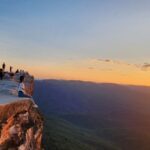
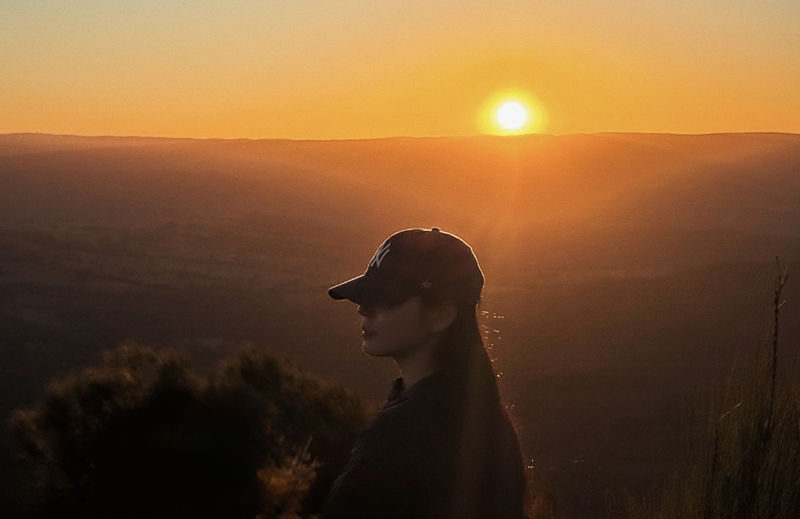
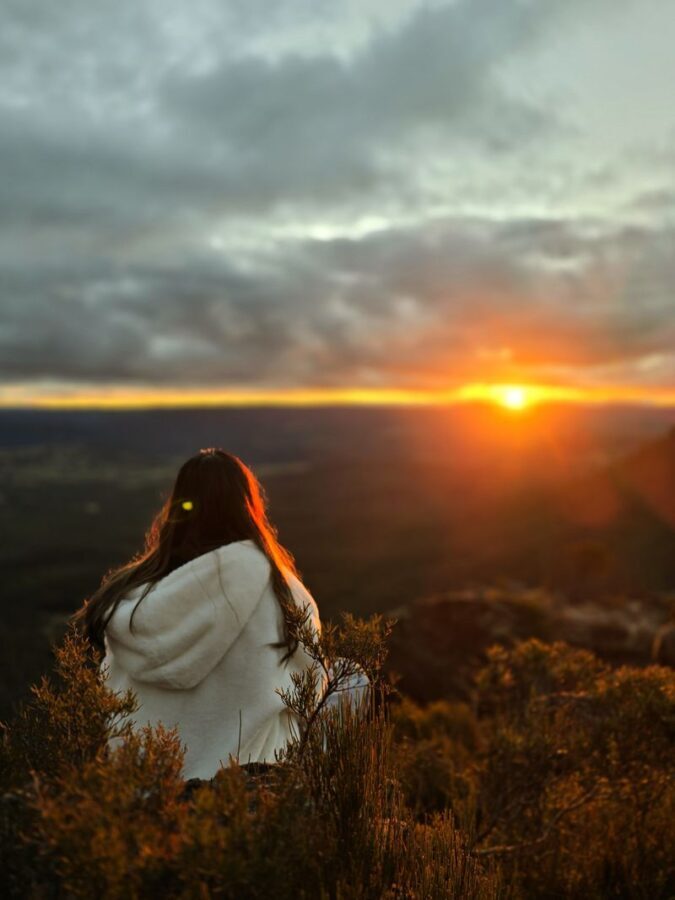
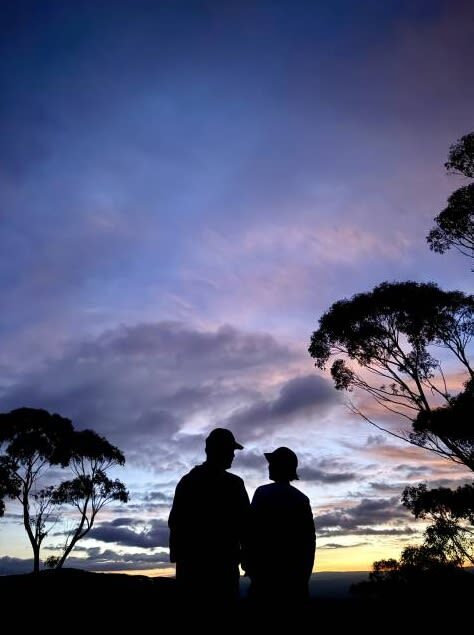
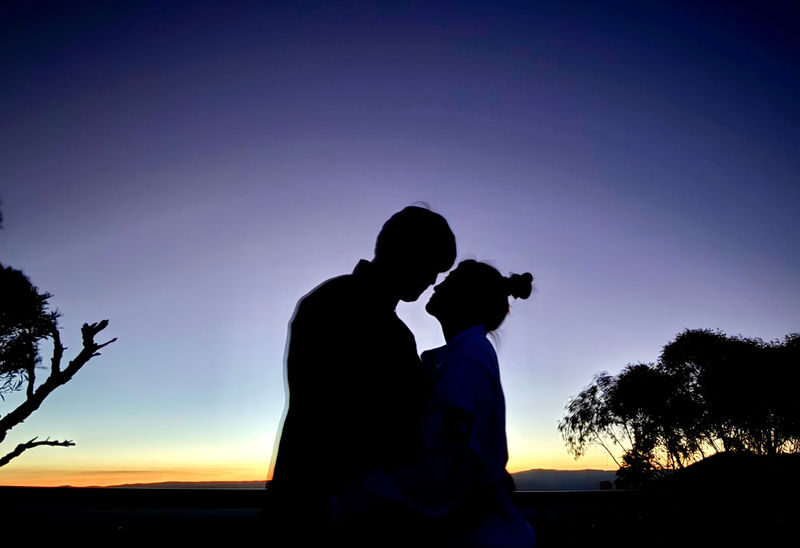
The sunset stop is scheduled for about 40 minutes. The guide recommends a spot for that tour date, aiming for a view of the sun dropping behind the ridges as the eucalyptus-covered mountains shift toward orange. That adjustment matters: the finest place to watch sunset depends on the weather, light and access, and a fixed viewpoint is not always the best one.
The experience is less about racing between attractions and more about standing still long enough to see the color change. That is a welcome change of pace after the drive and the daytime viewpoints. If clouds obscure the sun, you can still get fresh mountain air and broad views, but the vivid sunset is never guaranteed.
Photography is one of the practical strengths here. Guides including Kelvin and Kim Tae-young have been praised for taking pictures and offering advice on capturing the changing sky. Bring a phone or camera you know how to use, but do not feel you need specialist gear to enjoy the view.
Katoomba dinner is your own choice
After sunset, the group gets about an hour in Katoomba for dinner. Food is not included, and you pay for your own meal and drinks. The town has a range of choices, including Western and Asian restaurants, and your guide can suggest places.
That hour gives you a useful break before the night portion of the trip. It also means you are not locked into a single group meal or a set menu. If you have dietary needs, it makes sense to ask about suitable options when you arrive in town rather than assume a particular restaurant will work.
Some guide recommendations have included pho, Thai food and Station Pizza, but menus and opening arrangements can change. Take cash as a suggested item, though your meal budget depends on where you choose to eat. A snack or water bottle is sensible too, especially if you tend to get hungry between meals.
Stargazing: the payoff, weather permitting
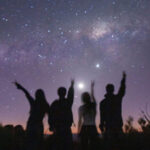
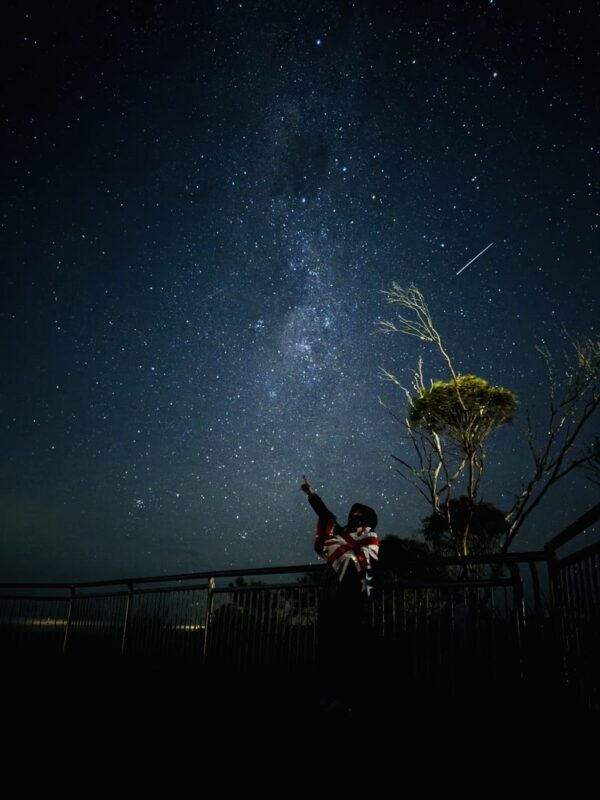
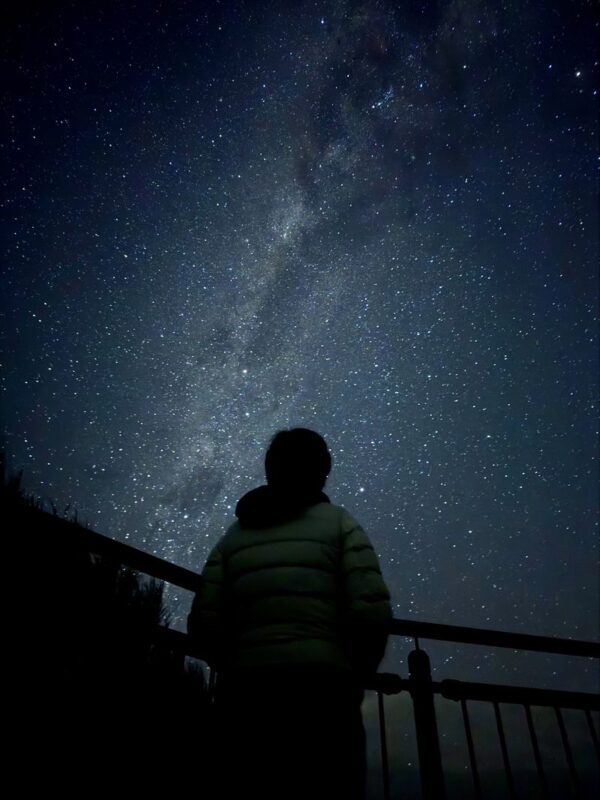
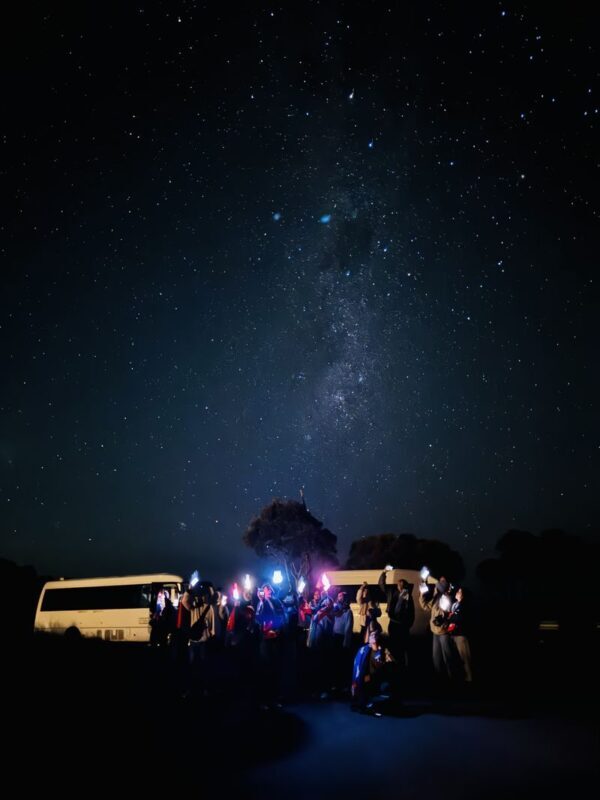
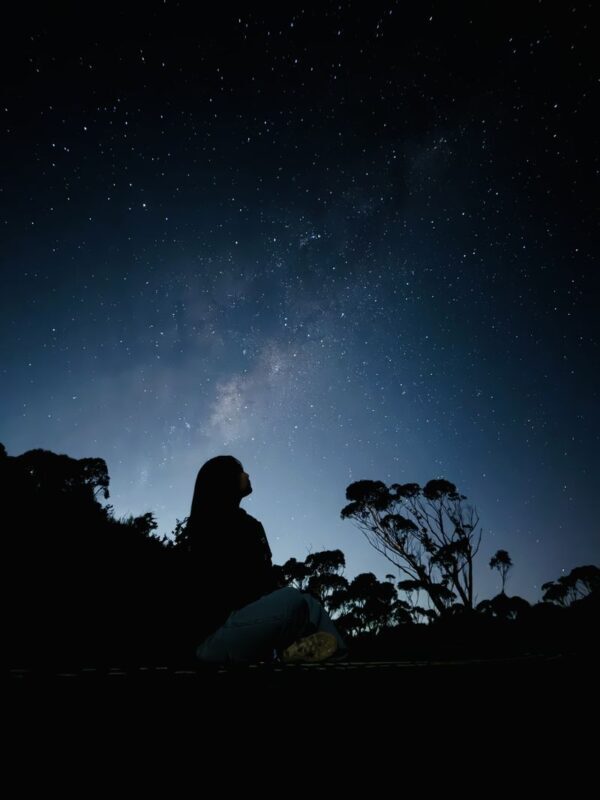
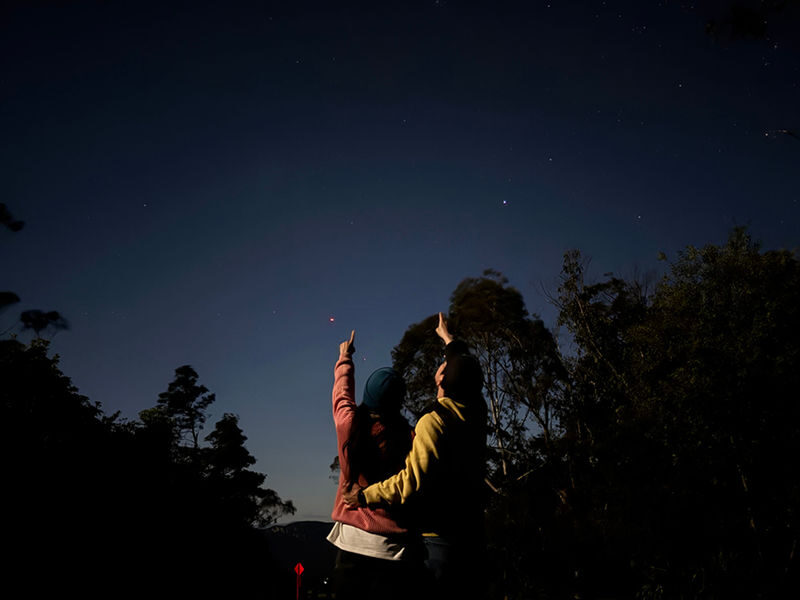
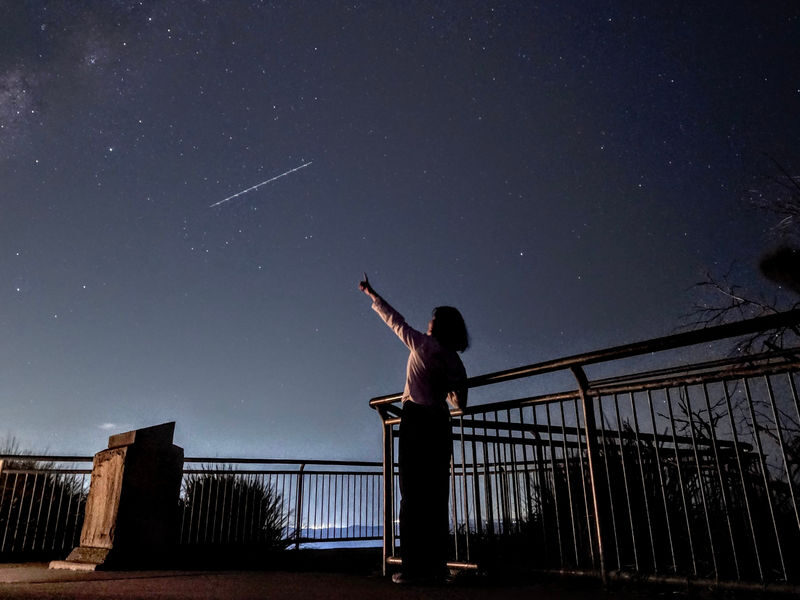
The scheduled stargazing session lasts about an hour. Away from Sydney’s city lights, the guide points out constellations and shares stories about the Southern Hemisphere sky. On clear nights, people have seen the Milky Way and the Southern Cross. The experience is not simply looking up and hoping to recognize something: guides have used stargazing apps, explained constellations and shown people how to photograph the stars.
The strongest praise for the trip centers on the guides’ effort to make the night work. Guides such as Kelvin have been described as watching cloud movement and trying different locations to find clearer skies. That flexibility can improve your chances, but it cannot control the weather. If cloud or rain rules out stargazing, the operator may replace it with a city night tour. One reported alternative was a Sydney skyline view.
Even when the sky is clear, remember that night photography takes patience. A guide may help you adjust your phone settings and take a picture for you, but the results depend on your device and conditions. Some people recommend light-colored clothing for star photos, while dark clothing may help reduce unwanted light in images. Warm clothing matters more than either photo tip.
The mountains can feel much colder than central Sydney because of the altitude and wind. Bring a warm jacket, even if the city feels mild when you leave. After dark, paths and viewing areas can be difficult to see, so wear walking shoes, watch your footing and keep your hands free when moving around.


Guides and language: what to expect
The tour is conducted in Korean. That is an important booking detail, not a small footnote. If you do not speak Korean, you may still be able to join, but English support should not be treated as guaranteed. Some guides have provided English explanations, written summaries or messages, and have taken care to include non-Korean speakers. The amount of help can vary by guide and group.
Names frequently associated with the tour include Kelvin Sung, Kim Tae-young, Lee Hyun-jin and Jaehyun Son. Their strengths have included lively commentary during the drive, practical local advice, storytelling about the stars and personal help with photographs. That mix can make the time between stops feel like part of the outing rather than dead time in a vehicle.
The guide also has a role in the day’s logistics. You need to be ready at the designated meeting place 10 minutes before departure, since the vehicle leaves on time and cannot wait for late arrivals. Confirm which Zigzag Tours vehicle is yours with the guide rather than boarding the first one you see.
Price and practical value
The advertised starting price is US$39.65, while the City Pick Up package is listed from US$49.25. Check the package and current price for your date before paying. For the cost, the value comes from round-trip transfers, a Korean-speaking guide, several scenic stops, dinner time and a dedicated stargazing session in one outing.
Meals and drinks are extra, as are personal expenses. The tour also asks you to spend much of the afternoon and evening on the move, so value depends on what you want from the Blue Mountains. If you mainly want a straightforward way to see the region’s major scenery and stay out after dark without arranging transport yourself, the combined itinerary is efficient. If you want a full day of hiking, a long visit at each viewpoint or guaranteed stars, this is not the right fit.
The low starting price is appealing, but do not judge the experience by that figure alone. Seasonal departure times, the pickup package you select and the unbundled dinner all affect your total cost. Its real advantage is the unusual combination of sunset and night-sky viewing in a single trip.
Who should book it
I would consider this tour if you want an easy, guided Blue Mountains outing with a clear evening focus. It suits stargazers, nature lovers, first-time visitors and people short on time who would rather have transport and route planning handled for them. Solo visitors may also appreciate the guide’s help taking photos.
It is less suitable if you need wheelchair or stroller access, have a serious medical condition that makes the activity unsuitable, or want a guaranteed English-language tour. The activity is not recommended for people with disabilities, and after dark there is a risk of tripping or falling. Pets are not allowed, luggage storage is not provided, and participants who appear intoxicated may be refused service.
The trip runs in ordinary weather, unless harsh conditions create a safety concern. If the operator cancels for extreme weather or another unavoidable safety issue, you may choose a reschedule or refund. Otherwise, be prepared for the possibility that clouds will replace the stars with a different evening stop.
Should you book?
Book this tour if you want mountain views by day, sunset by evening and a chance to see the Southern Hemisphere sky without organizing your own transport. Its best qualities are the flexible scenic routing, guide-led star explanations and practical help with photos. Before you commit, check the Korean-language format, confirm the City Pick Up price and remember that neither sunset nor stars can be guaranteed. For trips from January 22, 2026 onward, do not count on Lincoln’s Rock being accessible.
Blue Mountains Sunset and Stargazing Tour with Korean Guides
“I highly recommend the Blue Mountains tour with Kelvin! I was worried because it was raining and foggy, but thankfully we got to see the Blue Mount…”
FAQ
How long does the tour take?
Expect about 8 to 9 hours. The listed return window is between 9 p.m. and 11:30 p.m., depending on seasonal departure times, traffic and road conditions.
What time does the tour depart?
Departure varies with the sunset season. It is listed at about 1 p.m. in June and July, 1:30 p.m. during some winter and spring periods, 2 p.m. in parts of March, April and October, and 2:30 p.m. in November through February. Arrive 10 minutes early.
Is dinner included?
No. You have about an hour in Katoomba to choose a restaurant, and meals and drinks are at your own expense. Your guide can suggest places to eat.
Is the tour conducted in English?
No. The tour is conducted in Korean. Some guides have helped non-Korean speakers with English explanations, messages or written summaries, but that support is not guaranteed.
What happens if clouds prevent stargazing?
The stargazing activity may be replaced with a city night tour if the weather is unfavorable. The tour otherwise departs as booked unless harsh weather creates a safety concern.
Can I visit Lincoln’s Rock on this tour?
Entry to Lincoln’s Rock has been prohibited from January 22, 2026, with no reopening date provided. For tours on or after that date, do not expect to enter the site.
What should I bring and wear?
Bring warm clothing, walking shoes, water, sunscreen, sunglasses, a hat and cash. The Blue Mountains can be much colder than central Sydney, especially after sunset.
Is the tour wheelchair- or stroller-accessible?
No. The activity is not wheelchair- or stroller-accessible, and it is not recommended for people with disabilities. After dark, uneven or poorly lit areas can pose a tripping risk.