Cloud Gate may look like a giant polished bean, but it works best as a meeting place between art, city and viewer. On this small-group walk, you’ll see how Chicago’s public sculptures and buildings tell stories about the city’s bold approach to design.
I like the mix of major works by Picasso, Chagall and Miró with architectural stops such as the Rookery. I also like that the group is capped at 12, which gives you a better chance to hear the guide and ask questions than a large walking tour would.
The main consideration is the amount of walking: this route includes stairs and is not wheelchair- or stroller-accessible. The stated duration also varies between two hours and two and a half hours, so check the timing when you book and leave room in your afternoon.
- What makes this downtown art walk worthwhile
- Starting near the Art Institute
- Cloud Gate: a sculpture that changes with the view
- Picasso’s untitled sculpture and Chicago’s public art
- The Chicago Theatre’s marquee and a city of spectacle
- The Rookery and Chicago’s architectural reinvention
- Willis Tower and the scale of the skyline
- What the group size and guide add
- Price, duration and practical trade-offs
- Who should book this walk
- FAQ
- How long is the tour?
- Where does the tour meet?
- How early should I arrive?
- How large is the group?
- Is the tour wheelchair- or stroller-accessible?
- What should I bring and wear?
- What is included in the price?
- The Best Of Chicago!
- More Walking Tours in Chicago
- More Tours in Chicago
- More Tour Reviews in Chicago
- Not for you? Here's more nearby things to do in Chicago we have reviewed
What makes this downtown art walk worthwhile
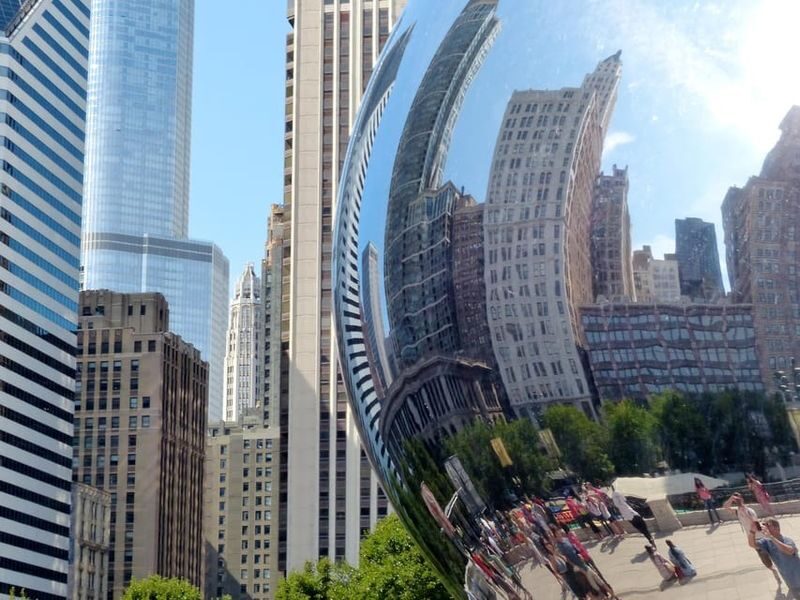
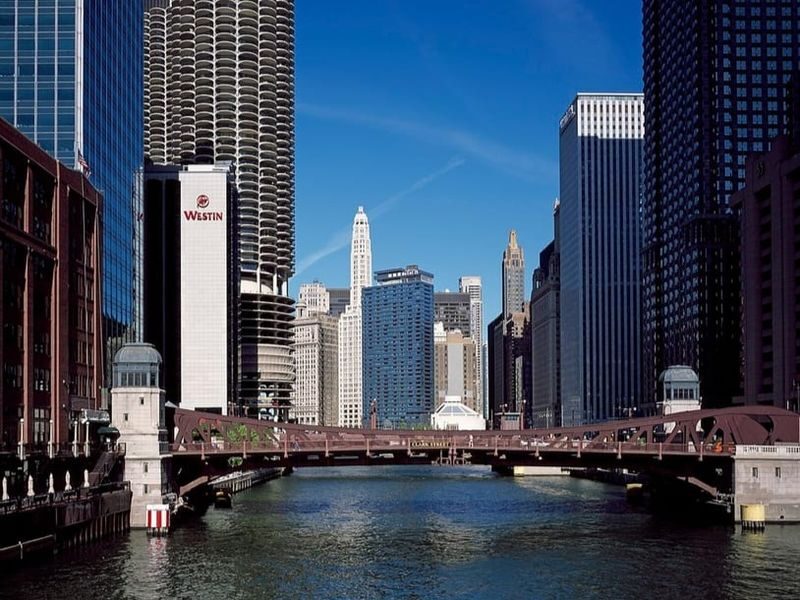
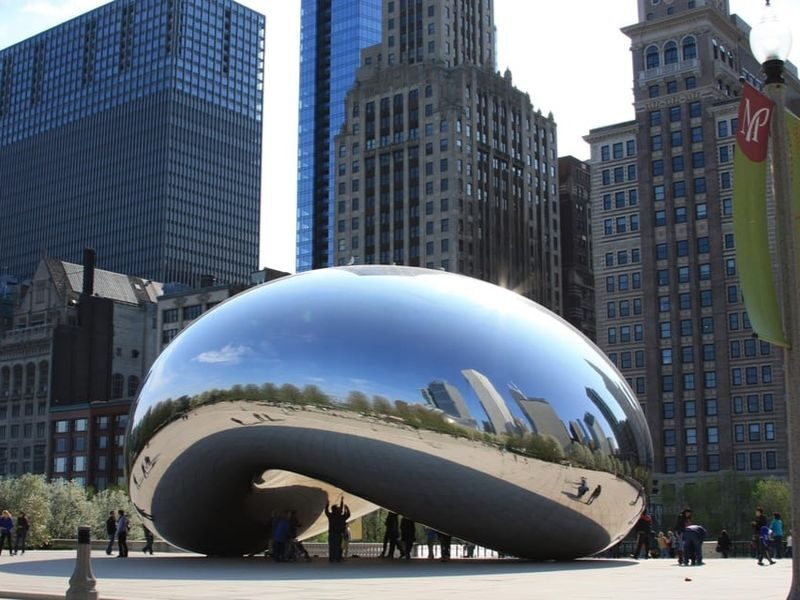
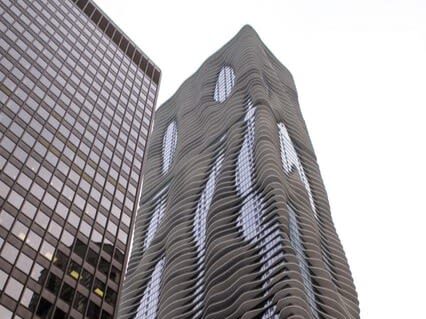
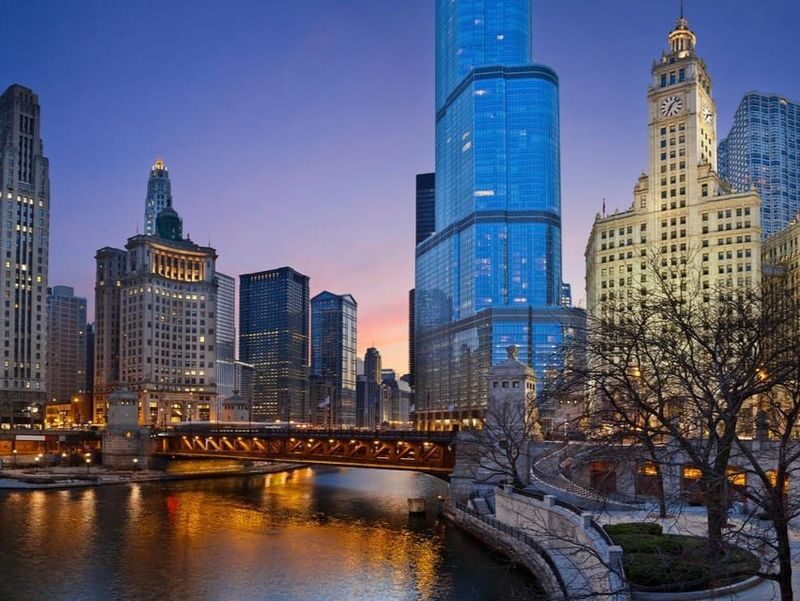
- Cloud Gate gives you an interactive start. Anish Kapoor’s reflective sculpture bends the surrounding skyline and park into its surface, so you can see the city from an unusual angle.
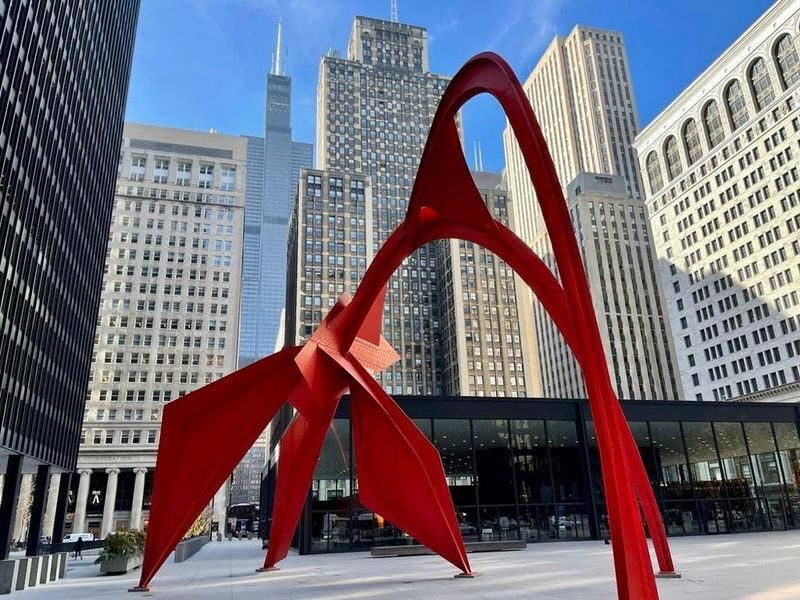
- Picasso’s sculpture marks a turning point. Chicago’s first major modern art commission is a bold, untitled work that rewards a closer look, even if its abstract shape does not explain itself at first glance.
- The Rookery connects art with architecture. This 19th-century skyscraper includes a lobby designed by Frank Lloyd Wright, linking the city’s early building boom to one of its most influential architects.
- The group stays small. With a maximum of 12 participants, the guide can explain details and answer questions without having to address a crowd.
- You get a city story, not just a sculpture checklist. The tour links Chicago’s rebuilding after the Great Fire of 1871 to its later experiments in architecture and public art.
- Plan for a proper walk. Bring water and sun protection, wear comfortable shoes, and be ready for stairs and weather exposure.

👉 See our pick of the 3 Best Shopping Tours In Chicago
Starting near the Art Institute
The meeting point is on South Michigan Avenue, beside the iconic lion statues outside the main Museum entrance. Look for the lion on the left when facing the museum, and arrive 10 minutes before the 14:00 departure. It is a useful landmark on a busy avenue, but take care to identify the correct lion before the group sets off.
The route is a walking tour, not a ride between monuments. That means you’ll see downtown at street level, where public art shares space with offices, traffic and daily city life. It also means the pace and weather matter. Wear walking shoes, dress for the forecast, and bring sunscreen, sunglasses, a hat and water when conditions call for them.
The listed return time is 16:30, which makes the expected outing two and a half hours. One tour description gives a duration of two hours, so there is a mismatch in the published timing. Check the confirmed schedule before making plans for dinner, a museum visit or another timed activity.
You can also read our reviews of more walking tours in Chicago


Cloud Gate: a sculpture that changes with the view
Cloud Gate, Anish Kapoor’s famous Bean, is an ideal first stop because the work makes you part of the experience. Its curved, mirrorlike surface reflects the sky, buildings and people around it, stretching and bending familiar shapes. Walk around it and the view keeps shifting.
The sculpture sits at the heart of Millennium Park and is one of Chicago’s best-known public artworks. A guide can add useful context to what might otherwise be a quick photo stop: how the work relates to its setting, what makes its surface so striking and why public art can become part of a city’s everyday identity.
There is a practical benefit to visiting as part of a guided walk, too. You can spend time looking and listening rather than treating the stop as a picture-taking task. Still, this is a popular landmark, and the tour does not promise a quiet or private encounter. Expect to share the space.
Picasso’s untitled sculpture and Chicago’s public art
The tour also brings you to Picasso’s untitled sculpture, described as Chicago’s first major modern art commission. It is a bold, abstract centerpiece, and its lack of a clear subject can prompt the usual question: what is it supposed to be?
That uncertainty is part of the point. Rather than showing a familiar person or scene, the sculpture asks you to look at shape and scale. The guide can help place the work in the story of Chicago’s public art and explain why commissioning a modern sculpture was a notable choice for the city.
The experience is especially useful if you like learning how art becomes part of a place. A sculpture in a public square is not experienced like one in a gallery. You can approach it from different angles, see it against the surrounding buildings and watch how people use the space around it.
The route includes works by Marc Chagall and Joan Miró as well as Picasso. The available details do not specify every artwork’s location or how long the group spends at each, so expect an overview rather than a long visit to each individual piece.
The Chicago Theatre’s marquee and a city of spectacle
The Chicago Theatre is another visual landmark on the walk. Its glittering marquee and French Baroque architecture make it easy to spot, and the building has served as a cultural landmark since 1921.
This stop adds a different kind of art to the route. The theatre’s exterior is not a sculpture set in a plaza, but a building designed to draw the eye and announce the performances within. It shows how architecture can be part of a city’s public culture, not merely a container for it.
A walking tour gives you time to take in the façade from the street and hear how the building fits into downtown’s cultural life. Do not expect an interior visit: the stated highlights focus on the theatre’s exterior, and admission inside is not listed as part of the experience.
The Rookery and Chicago’s architectural reinvention
The Great Fire of 1871 is a key part of the story behind Chicago’s architecture. The tour uses the city’s rebuilding as context for the burst of artistic and architectural innovation that followed. That connection helps explain why downtown is such a compelling place to study design: its buildings reflect a city remaking itself.
The Rookery is a particularly useful stop because it offers a link between an early skyscraper and Frank Lloyd Wright. The building dates to the 19th century, and Wright designed its lobby. That combination makes the Rookery more than an attractive façade. It points to the ways architects adapted older structures and shaped interiors as carefully as exteriors.
The tour description does not state whether the group enters the building or sees the lobby from inside. If the lobby is a priority for you, confirm access before booking rather than assuming it is included. Even from outside, the Rookery helps make the tour’s wider point: Chicago’s architectural story unfolds across different eras and styles.
You can also read our reviews of more guided tours in Chicago


Willis Tower and the scale of the skyline
Willis Tower brings the story up to the scale of modern skyscrapers. Once the world’s tallest building, it helped redefine what engineers could build and remains a major presence in the Chicago skyline.
From street level, you get a sense of the tower’s size and how it relates to the surrounding downtown blocks. The tour is not described as including a trip to an observation deck, so think of this as an architectural and city-view stop, not a visit to the top.
That distinction matters when you compare options. If your main goal is a high-up panorama, this walking tour may not provide it. If you want to understand the tower as part of Chicago’s building history and see it in context with public art and older architecture, it fits the route well.
What the group size and guide add
The tour is designed for groups of two to 12, and it includes an English-speaking guide. That size is a practical middle ground: enough company to make the walk feel social, but small enough that you are not trying to catch a guide’s words from the back of a large crowd.
One guide, Marlin Keesler, has been specifically praised for thoughtful, detailed explanations that helped connect Chicago’s history and culture. That is a useful clue about the kind of value to look for here. The strongest version of this tour is not simply a walk past famous objects; it is a guide who helps you notice the decisions, histories and ideas behind them.
There is only limited feedback available, so one person’s experience cannot guarantee the same guide or style on your date. Still, the tour’s subject gives a good guide plenty to work with: public sculpture, the Great Fire, the Rookery and a skyline shaped by engineering ambition.
Price, duration and practical trade-offs
The advertised starting prices are not entirely consistent. One price is given as $63.25, while the semi-private package is also listed from $55. The private option starts at $216. Since package, date and booking conditions can affect the final cost, check the price shown for your chosen date before paying.
For the semi-private option, the value depends on how much context you want. You can see many of downtown’s major public artworks on your own, but a guide adds the stories that make the route cohere. The price is easier to justify if you enjoy architecture and want a structured introduction rather than a string of quick photo stops.
A private version is also available, starting at $216. The details do not specify what that total covers or how it changes the route, so compare the final terms carefully. The semi-private option is likely the more budget-conscious choice if you are comfortable sharing the walk with a small group.
The tour includes admission to the semi-private skip-the-line tour and an English-speaking guide. Meals, drinks, personal expenses and tips are not included. Since the activity is outdoors and involves considerable walking, carry your own water and be prepared for the day’s weather.
Who should book this walk
I’d choose this tour if you want a focused introduction to downtown Chicago’s public art and architecture, especially if you like having a guide explain why a sculpture or building matters. It suits first-time visitors who want to connect several landmarks in one outing, as well as repeat visitors who have seen the Bean but want to understand more of the city around it.
It is also a good fit if you prefer a small group and an active visit. The route covers a lot of visual ground in a few hours, though you should be ready to walk and use stairs. Children aged 0 to 18 must be accompanied by a paying adult, and infants and children must be included in the passenger headcount.
I would look elsewhere if you need step-free access, want a slow visit focused on one artwork, or expect a tour inside every building. This activity is not wheelchair- or stroller-accessible, and the stated information does not promise interior access to the Chicago Theatre or Rookery.
Art of a City, Downtown Chicago Guided Walking Tour
“Thank you to our guide, Marlin Keesler, for the thoughtful and detailed explanation. I learned a lot about Chicago's history and culture, and I'm v…”
FAQ
How long is the tour?
The schedule runs from 14:00 to 16:30, or two and a half hours. Another description gives the duration as two hours, so confirm the timing when booking.
Where does the tour meet?
It meets on South Michigan Avenue beside the lion statues outside the main Museum entrance. The meeting instruction specifies the lion on the left when you face the museum.
How early should I arrive?
Arrive 10 minutes before the 14:00 departure. Late arrivals and no-shows are not eligible for a refund.
How large is the group?
The group size is from two to 12 participants. Children and infants must be included in the passenger headcount.
Is the tour wheelchair- or stroller-accessible?
No. The activity is not wheelchair- or stroller-accessible and involves considerable walking and stairs.
What should I bring and wear?
Wear walking shoes and dress for the weather. Sunscreen, sunglasses, a cap or hat, and a water bottle are recommended.
What is included in the price?
The semi-private option includes the guided tour and an English-speaking guide. Meals, beverages, personal expenses and tips are not included.