Japan’s big surprise on this route is how often the scenery and mood change: one day you’re among Tokyo’s skyscrapers, the next you’re on a ferry, in a Buddhist monastery, or walking between old wooden houses in the Alps. I like the combination of major landmarks and smaller places such as Ainokura and Hida Furukawa, which gives the trip more texture than a Tokyo-Kyoto circuit.
I also like that the long distances are handled by bullet train, ferry, and coach, while guided visits help you make sense of sites such as Hiroshima’s Peace Memorial Park and Mount Koya. The trade-off is a packed schedule with a good deal of walking, several one-night stops, and little room to linger when a place catches your eye.
- At a glance
- A dozen days from city streets to mountain villages
- Tokyo’s temples, crossings, and skyline
- Hiroshima and Miyajima by rail and ferry
- Shikoku’s castle, bathhouse, and sea crossings
- Kobe and a night at Mount Koya
- Kyoto’s famous gates and golden pavilion
- From Eihei-ji to Kanazawa’s garden and samurai quarter
- Gokayama, Shirakawa-go, and Takayama
- Matsumoto Castle and the return to Tokyo
- What the price includes, and what it does not
- Is this the right Japan tour for you?
- FAQ
- When does the 2026 tour depart?
- Where does the tour start and end?
- Are international flights included?
- How large can the group be?
- Is the tour guided in English?
- How much walking should I expect?
- Is the Mount Koya monastery stay guaranteed?
- Which meals are included?
- The Best Of Tokyo!
- More Tours in Tokyo
- More Tour Reviews in Tokyo
- Not for you? Here's more nearby things to do in Tokyo we have reviewed
At a glance
 1 / 10
 2 / 10
 3 / 10
 4 / 10
 5 / 10
 6 / 10
 7 / 10
 8 / 10
 9 / 10
 10 / 10
- Tokyo to Hiroshima by bullet train: The journey takes about four hours, then continues with visits to Peace Memorial Park, the Atomic Bomb Dome, the museum, and Miyajima.
- Ferries make Japan’s island geography real: Cross from Hiroshima to Shikoku, then travel through the island-linked routes near Naruto.
- One night at Mount Koya: Visit Okuno Mausoleum and Kongobuji Temple, try Ajikan Zen meditation, and eat a vegetarian dinner at a monastery.
- Kyoto gets a concentrated introduction: Fushimi Inari, the Imperial Palace, Kinkaku-ji, and Gion are included, with some free time.
- Mountain villages and samurai-era streets: The route reaches Ainokura, Shirakawa-go, Takayama, and Kanazawa, with a full day in Kanazawa.
- The pace is active, not strenuous by rating: The tour is classed as low intensity, but there are long sightseeing days and plenty of walking.

👉 See our pick of the 25 Best Guided Tours In Tokyo
A dozen days from city streets to mountain villages
This 12-day Europamundo group tour begins and ends in Tokyo. It visits Hiroshima, Miyajima Island, Matsuyama, Kotohira, Takamatsu, Naruto, Kobe, Osaka, Mount Koya, Kyoto, Katsuyama, Kanazawa, Gokayama, Shirakawa-go, Takayama, Hida Furukawa, and Matsumoto.
The tour is listed from $4,009, with departures in October and November 2026. That price covers accommodation, selected meals, transport during the tour, listed admissions, basic travel insurance, and an airport arrival transfer. International flights and unlisted activities are extra.
The operator describes the trip as partially guided. English-speaking guides lead city tours in Tokyo, Kyoto, and Kanazawa, while the wider route combines escorted sightseeing with independent time. Group size can range from 2 to 72, so the feel may differ greatly between departures. On some tours, guiding may be bilingual in English and Spanish.
You can also read our reviews of more tours and experiences in Tokyo.



Tokyo’s temples, crossings, and skyline
Day one is deliberately light. A shared shuttle takes you from the airport to the hotel, then the rest of the day is free. Your hotel is one of several named options, including Shinagawa Prince, Tokyo Dome, and Moxy Tokyo Kinshicho. They are described as four-star hotels, but the operator’s general guidance is to expect practical accommodation rather than luxury, with access to public transport.
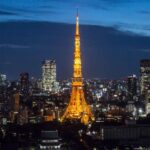
The next day is a long guided introduction to Tokyo. At Zojoji Temple, you get a view of Tokyo Tower and a look at rows of Jizo statues, small stone figures dressed with knitted hats, bibs, and pinwheels. Shibuya Crossing is viewed from the bus, so this is a quick look rather than time to cross and explore the neighborhood.
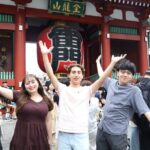
Meiji Shrine offers a quieter contrast before Tokyo Skytree, where admission to the Tembo Deck at 350 meters is included. The day ends in Asakusa at Sensoji Temple and Nakamise Street. Akihabara and Ginza are passed on the return journey, but they are not extended visits.
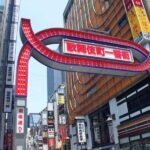
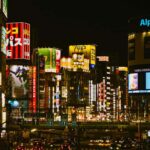
In the evening, you take the subway with your guide to Shinjuku for a walk and included dinner at a local restaurant. Subway tickets are included for this outing. Since the daytime tour is already about seven hours, expect a full day rather than a gentle orientation stroll.
Hiroshima and Miyajima by rail and ferry
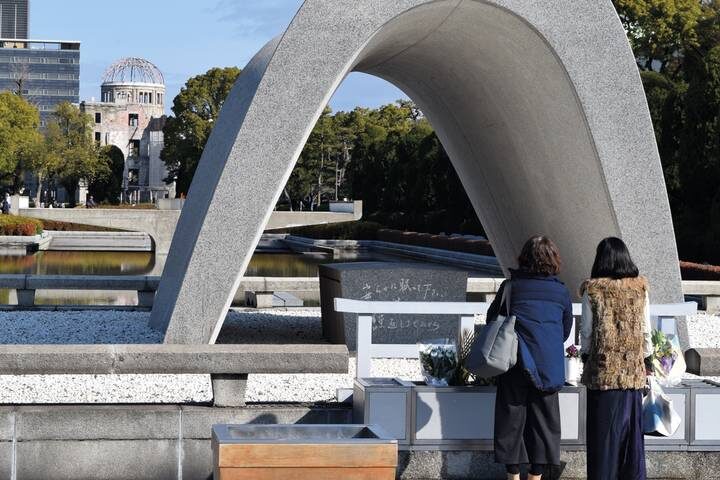
On day three, a bullet train carries you from Tokyo to Hiroshima in about four hours, covering roughly 800 kilometers. The fast train saves travel time, leaving room for a serious visit to Peace Memorial Park, the Atomic Bomb Dome, and the Peace Memorial Museum.
These sites ask for attention, not just photographs. The museum presents the human impact of the 1945 bombing, while the park and Dome place that history in the city itself. The order of the day’s visits can change, but the planned stops remain part of the experience.
A ferry takes you to Miyajima, where Itsukushima Shrine is partly built over the water. You have time to visit the shrine and walk around the village, with lunch at your own expense on the island. Dinner is included back in Hiroshima. The combination of memorial sites and a coastal shrine makes this one of the tour’s most varied days, but it is also a long one.
Shikoku’s castle, bathhouse, and sea crossings
The next morning, a ferry takes about two and a half hours to reach Matsuyama on Shikoku. The crossing is more than a transfer: it helps show how Japan’s islands shape travel around the country. In Matsuyama, you ride a cable car to the castle, visit Ishiteji Temple, and have lunch at a local restaurant.
Admission to Dogo Onsen is included. This 19th-century bathhouse is one of the day’s distinctive stops, though the schedule gives you an afternoon visit rather than an extended spa stay. Check the practical bathing arrangements before you go if you have questions about using a traditional bath.
Day five links several places. At Kotohira, the shrine dedicated to sailors sits on Mount Zosu, reached by a climb of 785 steps. The climb is optional, but it is a real physical effort; you can still appreciate the shrine area without treating the staircase as a casual detour.
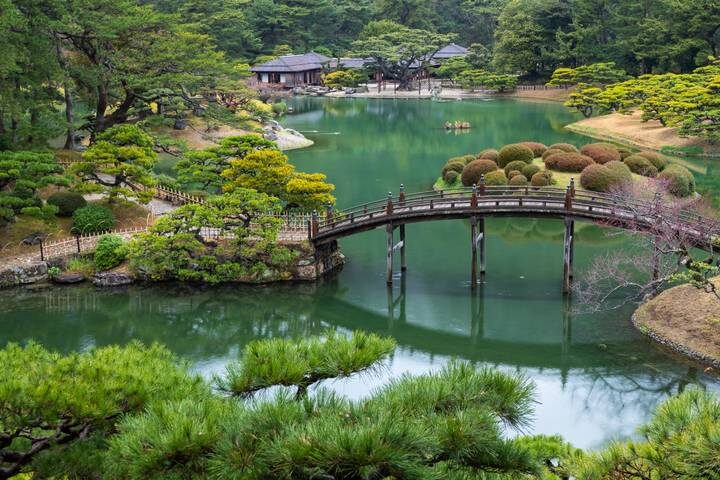
In Takamatsu, Ritsurin Garden and lunch are included. Later, the route reaches Naruto, where you walk on a glass-floored section of the bridge about 45 meters above the water to look for the sea whirlpools. Visibility and conditions can affect what you see, so think of the bridge as a striking engineering stop as well as a whirlpool viewpoint. The day ends in Kobe after a drive over sea bridges linking islands.
Kobe and a night at Mount Koya
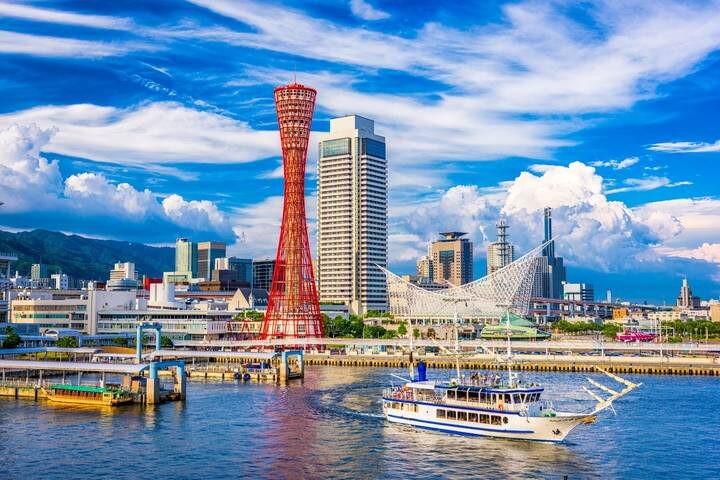
In Kobe, the Earthquake Memorial Museum explains the 1995 disaster and the city’s reconstruction. The museum visit may be replaced on some dates by a sake museum visit or a trip up Kobe Tower, so this is one stop where the exact experience can vary.
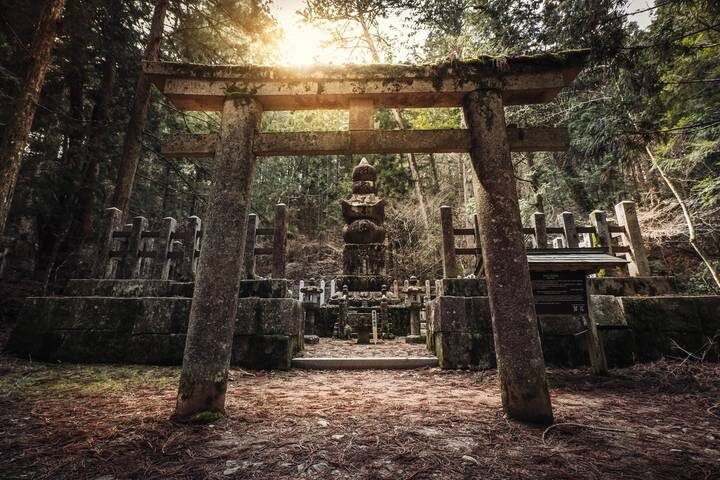
The route then passes Osaka on the way to Mount Koya. The tour does not describe a dedicated Osaka sightseeing visit, so don’t count on time to explore the city during this leg. Mount Koya, by contrast, gets a substantial visit: Okuno Mausoleum is set in a large forest cemetery, and Kongobuji Temple dates to 1593.
The night at a Buddhist monastery is one of the tour’s most unusual experiences. Ajikan meditation with monks and a vegetarian dinner are included, and you may attend a temple ceremony before breakfast. Rooms are traditional and simple, with tatami mats and shared bathrooms rather than private facilities. Meditation may not be available on peak dates, and limited temple capacity can mean a nearby hotel stay instead.
That distinction matters: the monastery is a central part of the appeal, but it is not guaranteed for every departure. If it is a deciding factor, confirm the arrangements before booking.


Kyoto’s famous gates and golden pavilion
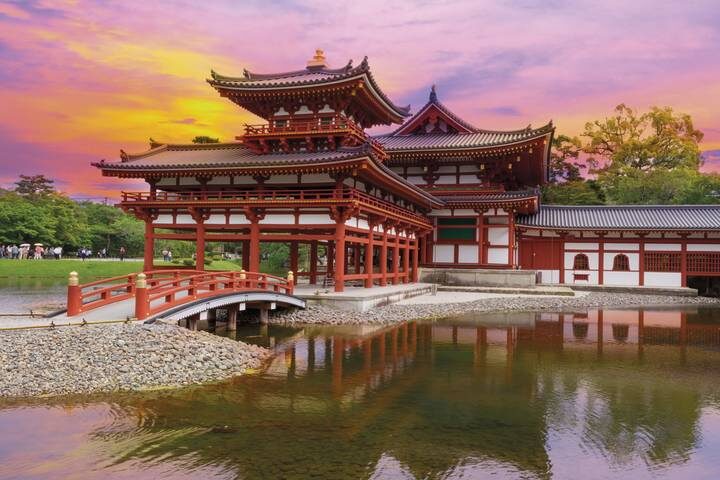
Day seven begins with a traditional Japanese breakfast at the temple, then an early drive to Kyoto. The day includes Fushimi Inari Shrine, the Imperial Palace, and Kinkaku-ji, the Golden Pavilion, followed by free time and a visit to Gion.
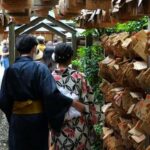
This is a useful first look at Kyoto’s major sights, but it is not a slow, deep exploration of the city. Fushimi Inari’s famous torii gates are spread along a hillside route, and the time available may not suit a long walk up the mountain. The Imperial Palace and Kinkaku-ji add different layers, from court history to temple architecture and gardens.
Gion is saved for later, with time to walk through the traditional district. The tour’s approach is a good fit if you want a guided introduction and plan to return to Kyoto independently. If you have visited before, the guide can suggest other areas to explore on your own.
From Eihei-ji to Kanazawa’s garden and samurai quarter
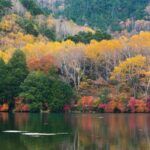
Day eight begins beside a large lake at Shirahige Ginra Shrine, then continues to Eihei-ji, a Zen temple-monastery founded in 1244. Its architecture and spiritual setting offer a different perspective from Kyoto’s famous visitor sites. The route then heads to Katsuyama for the Dinosaur Museum, which features more than 40 dinosaur skeletons and sits near Japan’s largest fossil site.
There is free time for lunch and museum exploration, followed by the Great Buddha of Echizen and its five-story pagoda. You then reach Kanazawa in the evening. It is a long chain of stops, but the variety is a strength: shrine, Zen temple, dinosaur museum, and Buddhist monument all in one day.
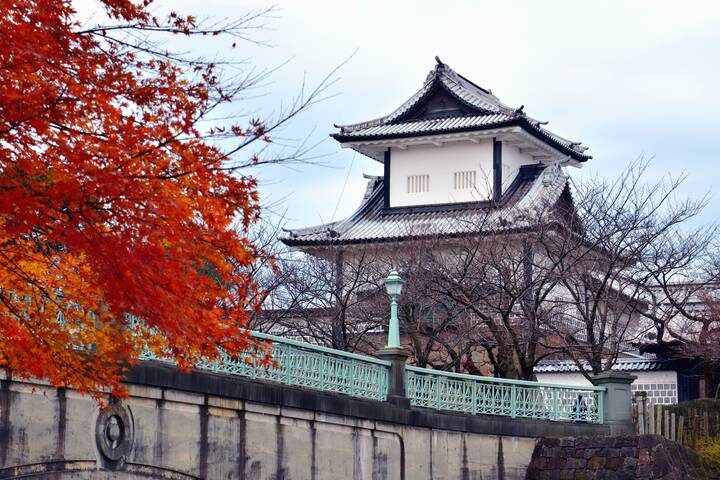
Kanazawa gets a full day. A morning guided tour covers the castle area and Nagamachi, the former samurai district, where earthen walls, gates, narrow lanes, and canals preserve the shape of older residential streets. Admission to Kenrokuen Garden is included, and the tour ends at Omicho Market, where lunch is at your own expense.
The afternoon is free. I’d use it to revisit a favorite stop or explore at your own pace rather than try to squeeze in another long list of sights. The city’s full day is a welcome pause between the coach-heavy travel days.
Gokayama, Shirakawa-go, and Takayama
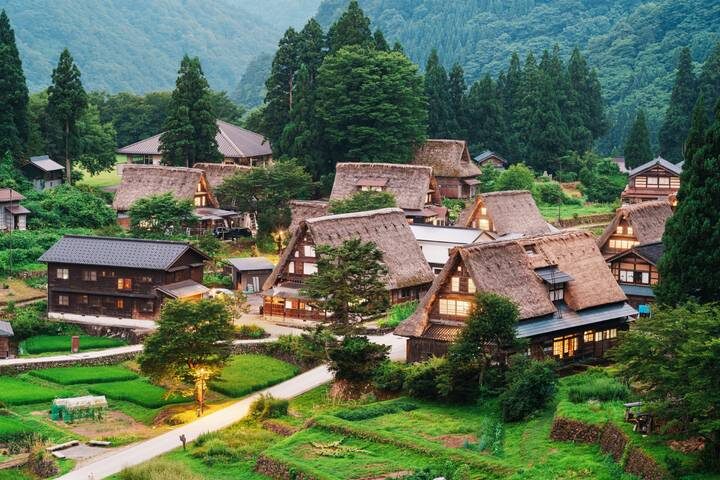
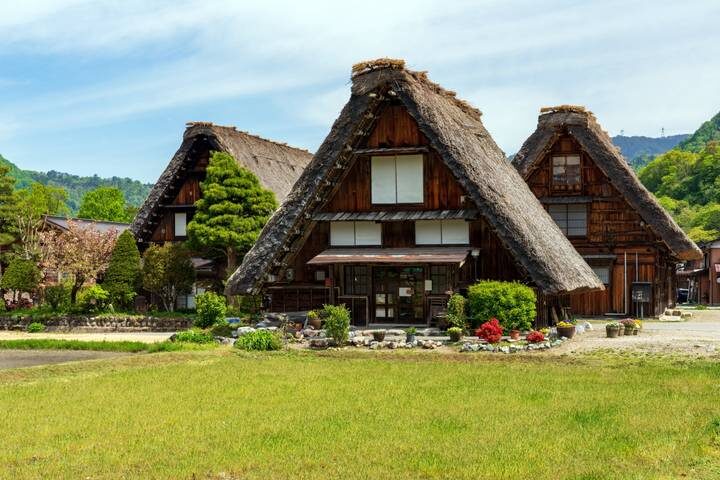
The route leaves Kanazawa for Ainokura and Shirakawa-go Ogimachi, two villages in the Gokayama and Shirakawa-go region that are UNESCO World Heritage Sites. Their steep thatched roofs, shaped to shed heavy snow, are often called praying-hands roofs. Ainokura is the smaller, quieter stop; Ogimachi is larger and more popular.
You have time to walk around and find lunch, though the schedule is shared with the drive to Takayama. These are working village settings as well as heritage sites, so walk respectfully and remember that homes are private. In Takayama, the Hida Folk Village Museum displays more than 30 Edo-period houses relocated to the open-air site.
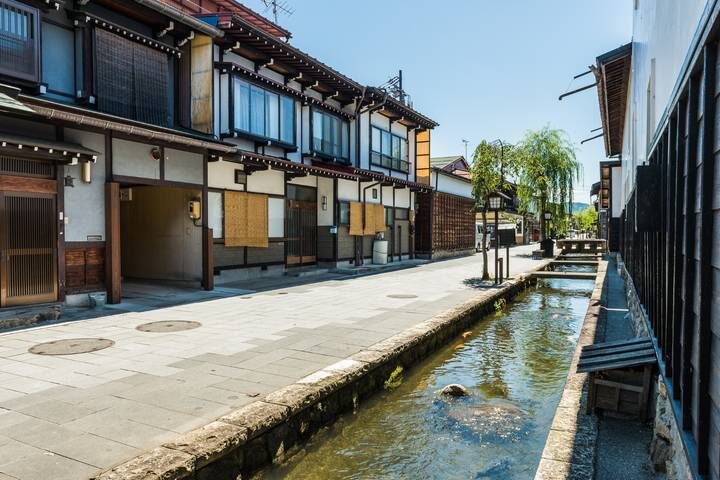
There is also free time in Takayama’s old town, known for wooden buildings and traditional shops. This is a good place to slow your own pace after several days of scheduled visits, though the following morning brings another travel day.
Matsumoto Castle and the return to Tokyo
On day eleven, you stop in Hida Furukawa for its old town and a museum about the local festival, whose decorated floats and large drums are part of a UNESCO-recognized cultural tradition. The journey then crosses the Japanese Alps to Matsumoto, where you visit the 16th-century black castle, often called Crow Castle.
Free time allows for lunch and a look around town before the afternoon drive to Tokyo. You arrive by evening, which makes this a long final travel day. The last night is in Tokyo, with breakfast and departure the following morning.
What the price includes, and what it does not
At $4,009 and up, the value depends on how much you want handled for you. The package connects distant regions by coach, ferry, and high-speed train, includes many major admissions, and removes the need to arrange a separate hotel in each stop. That is useful on a route with frequent changes and several destinations that are harder to link efficiently on your own.
The trade-off is that the package is not all-inclusive. International flights are not covered, and only selected meals are included. The trip includes meals on specified days, including Tokyo dinner, Hiroshima meals, lunches in Matsuyama and Takamatsu, and the vegetarian dinner at Mount Koya. You should budget for other meals, personal spending, and any extra activities.
The listed hotel category is four-star, but the operator says the hotels are chosen for quality, price, and location rather than luxury. Rooms generally have private bathrooms, but standards and room sizes vary. Mount Koya is the exception, with shared bathrooms if you stay at the monastery.
Is this the right Japan tour for you?
I’d consider this tour if you want to see a broad cross-section of Japan in less than two weeks, value included transport and admissions, and enjoy having a guide handle the main logistics. It suits curious first-time visitors, families comfortable with a busy schedule, and anyone drawn to a mix of city culture, temples, memorial sites, gardens, and mountain villages.
I would look elsewhere if you want several nights in each city, substantial free time, or a guaranteed monastery stay and meditation session. The schedule includes a lot of walking and repeated early starts, despite the low-intensity rating. Before booking, check the hotel arrangements for your departure, confirm whether the Mount Koya stay is at a monastery, and be comfortable with a group that could be as large as 72.
Colors of Japan and Hiroshima by Europamundo – 12-Day Tour (2026 Departures)
“It was excellent – alot of walking, met great people, very informative. Want to go back.”
FAQ
When does the 2026 tour depart?
The listed departure months are October and November 2026.
Where does the tour start and end?
It starts in Tokyo and returns to Tokyo on day eleven, with the tour ending after breakfast on day twelve.
Are international flights included?
No. International flights are not included.
How large can the group be?
The stated group size ranges from 2 to 72 people.
Is the tour guided in English?
English-language guiding is listed for the Tokyo, Kyoto, and Kanazawa city tours. On some departures, guiding may be bilingual in English and Spanish.
How much walking should I expect?
The tour is rated low intensity, but sightseeing days involve substantial walking. The Kotohira shrine climb involves 785 steps if you choose to do it.
Is the Mount Koya monastery stay guaranteed?
No. Temple accommodation is limited, and some groups may stay at a nearby hotel instead. The meditation practice may also be unavailable on peak dates.
Which meals are included?
Meals are included on selected days, not throughout the trip. The schedule includes specified breakfasts, lunches, and dinners, including a vegetarian dinner at Mount Koya.